
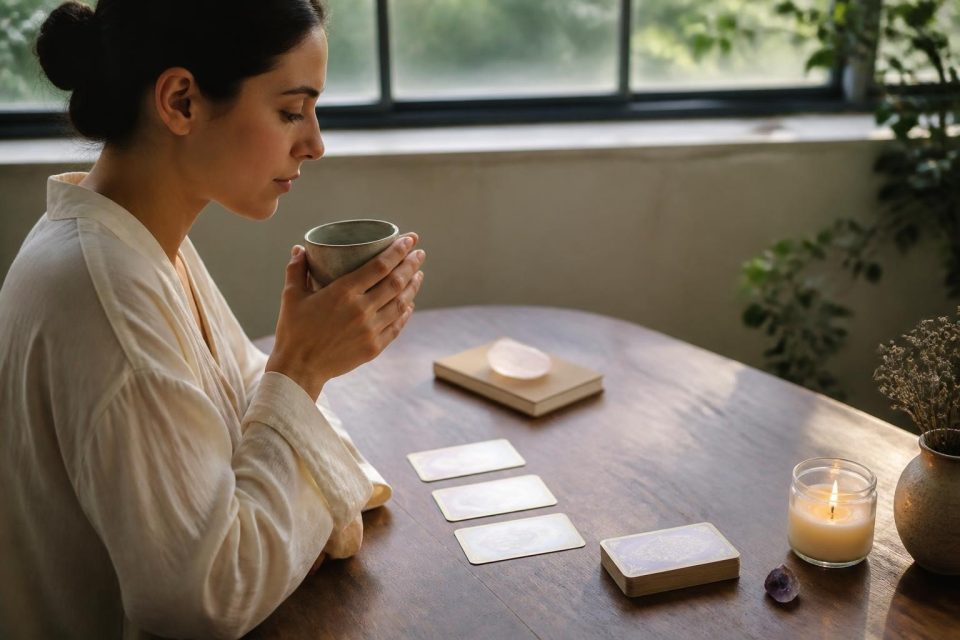
Have you ever felt overwhelmed by stress, disconnected from your inner wisdom, or searching for a new way to support your emotional wellbeing? You're not alone. As we navigate through 2026, more people are turning to alternative wellness practices that bridge the gap between mind, body, and spirit. Among these approaches, using tarot for wellness has emerged as a powerful tool for self-reflection, emotional clarity, and personal growth. Unlike traditional fortune-telling stereotypes, modern wellness-focused tarot is about creating space for introspection, building self-awareness, and nurturing your mental health through meaningful rituals.
Understanding the Connection Between Tarot and Personal Wellness
Tarot for wellness represents a shift in how we perceive these ancient cards. Rather than viewing them as mystical predictors of the future, wellness practitioners recognize tarot as a sophisticated psychological tool. Each card carries archetypal imagery that speaks to universal human experiences, emotions, and challenges.
When you draw a card during your morning routine, you're not receiving a predetermined fate. Instead, you're creating a moment of pause, a sacred space where your subconscious mind can surface insights that might otherwise remain hidden. Think of it as a visual journal prompt that speaks in symbols rather than words.
The Psychology Behind Tarot Practice
The effectiveness of using tarot cards to improve wellness lies in several psychological principles:
- Projection: We naturally project our thoughts and feelings onto ambiguous stimuli
- Pattern recognition: The brain seeks meaning and connections in visual symbols
- Mindfulness: The act of reading creates a meditative state of focused attention
- Narrative therapy: Stories we tell about cards mirror our internal narratives
This process mirrors the reflective practices many find beneficial when caring for their skin. Just as you might examine your complexion to understand what natural face creams your skin needs, tarot reading encourages you to examine your emotional landscape with similar attention.
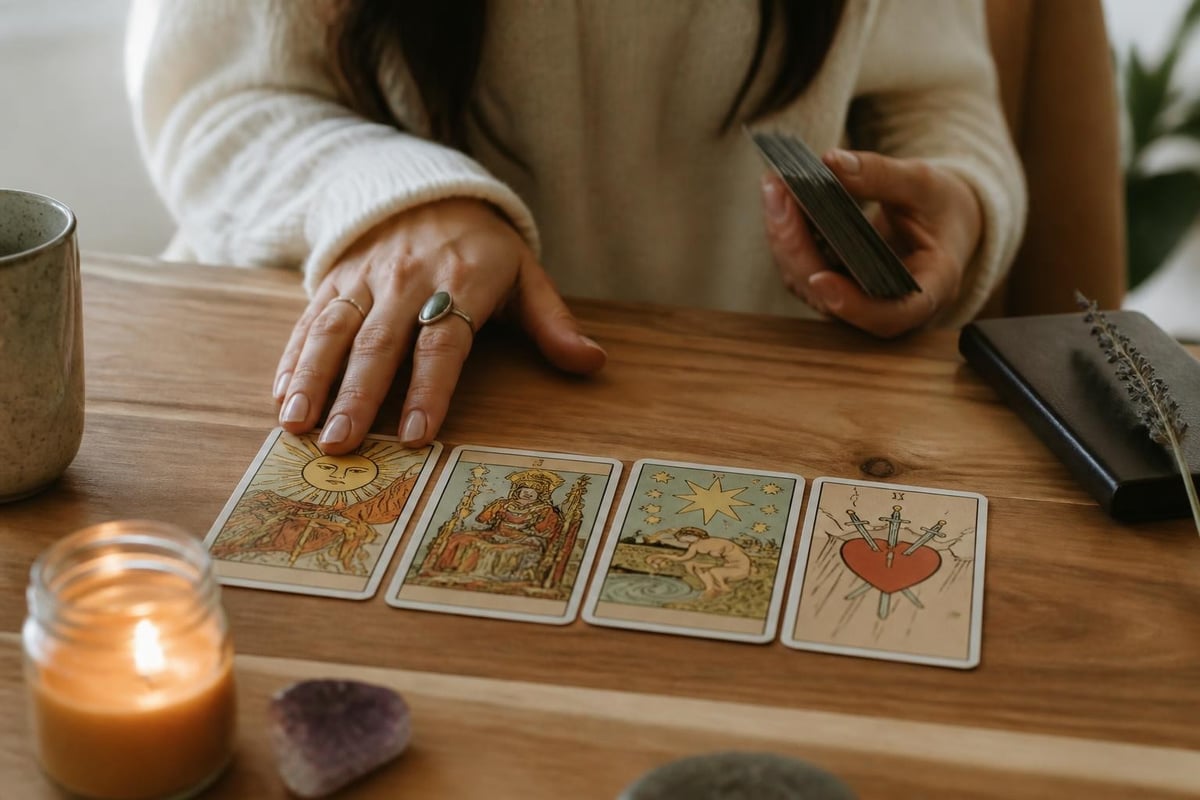
Integrating Tarot Into Your Daily Wellness Routine
Creating a consistent tarot practice doesn't require hours of your day or elaborate rituals. Small, intentional moments with your cards can yield profound benefits.
Morning Card Pulls for Intention Setting
Start your day by drawing a single card. This simple practice takes less than five minutes but sets a contemplative tone. Ask yourself: "What energy do I need to embrace today?" or "What should I be mindful of?"
Three-Step Morning Ritual:
- Ground yourself with three deep breaths while shuffling your deck
- Draw your card and observe your immediate emotional reaction
- Journal briefly about how the card's message might apply to your day
The beauty of this practice is its flexibility. Some mornings, you might spend two minutes. Others, you might find yourself writing pages of insights. Both approaches are equally valid.
Weekly Wellness Spreads for Deeper Insight
While daily single-card draws offer quick guidance, weekly spreads provide comprehensive perspective. Health and well-being tarot spreads can illuminate patterns in your physical, emotional, and spiritual wellness.
| Spread Type | Focus Area | Best For |
|---|---|---|
| Mind-Body-Spirit | Holistic balance | Overall wellness check-ins |
| Chakra Spread | Energy centers | Identifying blocked areas |
| Self-Care Assessment | Current needs | Planning wellness activities |
| Stress Analysis | Tension sources | Managing anxiety |
Choose a quiet Sunday evening or midweek pause to lay out these cards. The physical act of arranging cards in specific patterns creates a ritualistic element that signals to your brain: this is dedicated self-care time.
Tarot for Emotional Intelligence and Self-Awareness
One of the most valuable applications of tarot for wellness is developing emotional intelligence. The cards serve as mirrors reflecting aspects of yourself you might not consciously recognize.
When you pull the Tower card, for instance, it might indicate upcoming change or internal disruption. Rather than fearing this message, you can prepare emotionally, perhaps by establishing stronger support systems or creating extra space for self-care. This is similar to how you might adjust your skincare routine when you notice your skin looking dull, responding proactively to your body's signals.
Building Emotional Vocabulary Through Tarot
Many people struggle to name and express their emotions accurately. Tarot cards provide a rich visual vocabulary for emotional states:
- The Moon: Anxiety, intuition, uncertainty
- The Sun: Joy, vitality, success
- The Hermit: Solitude, introspection, wisdom-seeking
- Five of Cups: Grief, loss, disappointment
By associating cards with specific feelings, you develop a more nuanced understanding of your emotional landscape. This enhanced awareness is foundational to mental wellness and resilience.
Choosing the Right Tarot Deck for Your Wellness Journey
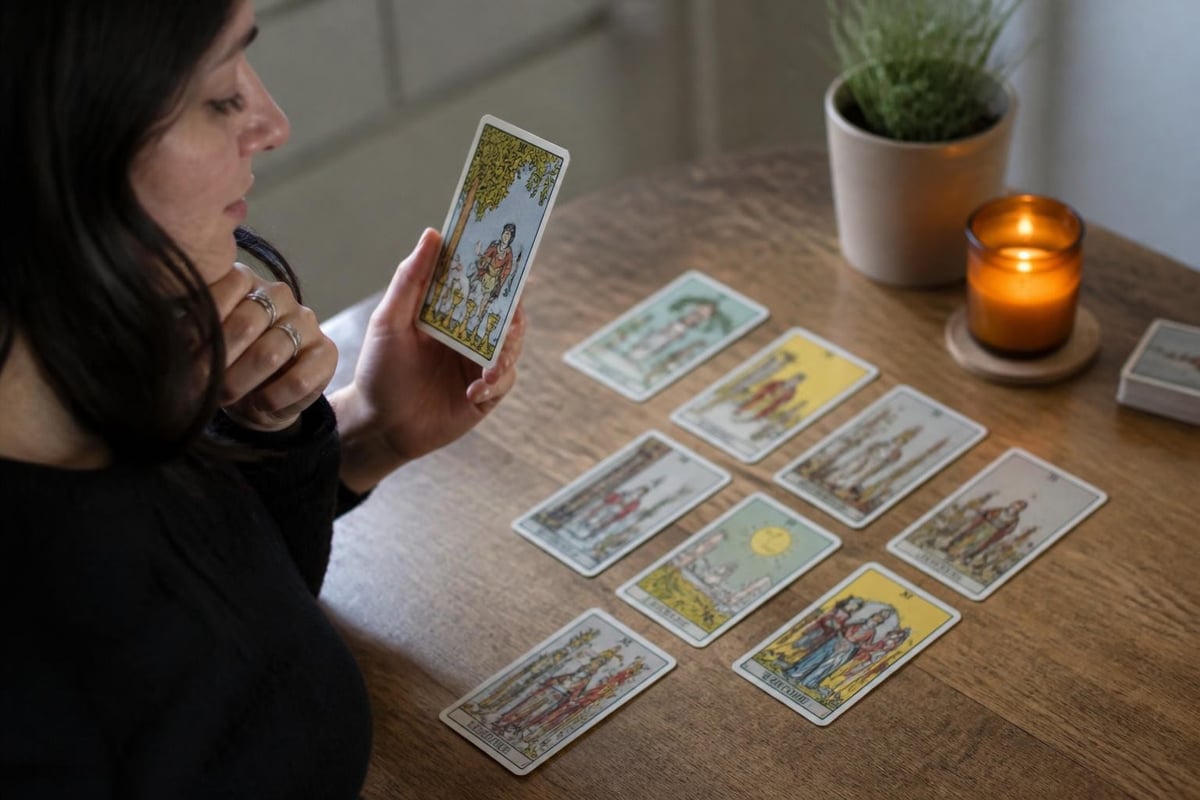
Not all tarot decks are created equal, especially when your focus is wellness rather than divination. In 2026, the market offers specialized wellness tarot decks designed specifically for self-care practices.
Traditional Versus Wellness-Focused Decks
Traditional decks like the Rider-Waite-Smith use medieval imagery that resonates with some but feels distant to others. Wellness-focused decks often feature:
- Modern, diverse representation
- Gentler reframing of challenging cards
- Affirmation-based interpretations
- Nature-based or abstract imagery
- Inclusive symbolism
Deck Selection Criteria:
- Visual resonance: Do the images speak to you emotionally?
- Guidebook quality: Does it support wellness interpretation?
- Card stock and size: Will you enjoy handling these cards daily?
- Inclusive representation: Do you see yourself reflected in the deck?
Some practitioners maintain multiple decks, using different ones for different purposes. You might have a traditional deck for deep psychological work and a gentler deck for daily affirmations.
Addressing Common Misconceptions About Tarot Wellness Practices
Despite growing acceptance, tarot for wellness still faces skepticism. Let's address the most common concerns directly.
"Isn't Tarot Just Fortune Telling?"
This is the primary misconception. While tarot has historical roots in divination, modern wellness applications focus on present awareness rather than future prediction. You're not asking "What will happen?" but rather "What do I need to understand about this situation?"
"Do I Need to Be Spiritual or Psychic?"
Absolutely not. Wellness tarot readings work effectively whether you approach them as psychological tools, spiritual practices, or simply structured reflection exercises. Your beliefs don't diminish the benefits.
"What If I Draw Scary Cards?"
Wellness-oriented tarot reframes traditionally "negative" cards. Death represents transformation and endings that make room for new growth. The Devil might indicate unhealthy attachments you're ready to release. Context and interpretation matter more than any single card.
| Card | Traditional Meaning | Wellness Interpretation |
|---|---|---|
| Death | Endings, mortality | Transformation, release, renewal |
| The Devil | Bondage, materialism | Awareness of unhealthy patterns |
| Ten of Swords | Betrayal, defeat | Rock bottom as turning point |
| The Tower | Destruction, chaos | Necessary change, breakthrough |
Combining Tarot With Other Wellness Modalities
Tarot for wellness becomes even more powerful when integrated with complementary practices. This holistic approach addresses multiple dimensions of wellbeing simultaneously.
Tarot and Journaling
After drawing cards, write freely about whatever comes to mind. Don't edit or judge-just let your thoughts flow. This combination of visual stimulus and written expression creates profound self-discovery opportunities.
Journaling Prompts After Card Draws:
- How does this card make me feel physically in my body?
- What recent situation does this imagery remind me of?
- If this card had advice for me, what would it say?
- What would change if I embodied this card's energy today?
Tarot and Meditation
Use your drawn card as a meditation focal point. Gaze softly at the image while breathing deeply, allowing insights to emerge without forcing them. This practice combines the benefits of both mindful contemplation and symbolic reflection.
Tarot and Body-Based Practices
Just as you care for your physical body through proper skincare routines using natural healing products, tarot can inform your somatic wellness. Certain cards might inspire yoga poses, breathwork patterns, or even which essential oils to use in your self-care routine.
Creating a Sacred Space for Your Tarot Practice
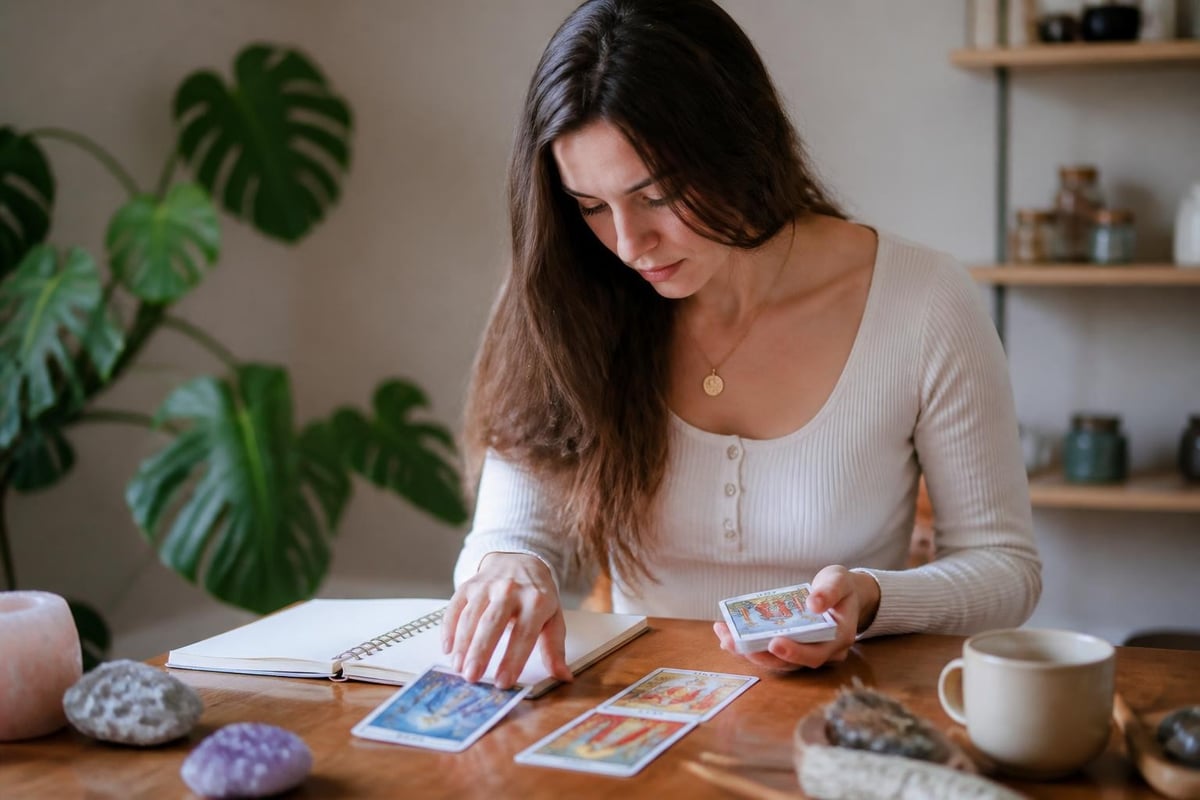
Environment significantly impacts the quality of your wellness practice. Designating a special area for tarot reading signals to your subconscious that this is protected time for self-reflection.
Your space doesn't need to be elaborate. A corner of your bedroom with a small table, comfortable cushion, and perhaps a candle creates adequate ambiance. Some practitioners incorporate:
- Natural elements: Crystals, plants, or flowers
- Comfortable seating: Floor cushions or a favorite chair
- Soft lighting: Candles, salt lamps, or dimmed overhead lights
- Personal items: Photos, meaningful objects, or inspirational quotes
- Storage for your deck: A silk cloth or wooden box
The act of physically moving to this space helps transition your mindset from daily concerns to reflective awareness. This boundary-setting mirrors how you might have a dedicated skincare area where you perform your nightly rejuvenating cream routine.
Measuring Progress and Growth Through Tarot
Unlike quantifiable wellness metrics like steps walked or calories consumed, tarot benefits are qualitative and subjective. However, you can track meaningful changes over time.
Keeping a Tarot Wellness Journal
Maintain a dedicated journal recording:
- Date and question asked
- Cards drawn and positions
- Immediate impressions
- How the reading influenced your day/week
- Reflections added later
Reviewing past entries reveals patterns in both the cards you draw and your personal growth. You might notice you pulled the same card repeatedly during a challenging period, or that your interpretations have deepened with practice.
Recognizing Subtle Shifts
The benefits of tarot for wellness often manifest as gentle shifts rather than dramatic transformations:
- Increased emotional vocabulary and self-awareness
- Greater comfort with uncertainty and change
- Improved decision-making confidence
- Enhanced intuition and self-trust
- Reduced anxiety about the future
- Stronger connection to your authentic self
These changes accumulate slowly, much like how consistent use of quality natural skincare gradually improves skin health over weeks and months.
Tarot as Part of Comprehensive Self-Care
Tarot for wellness works best within a broader self-care framework. It's one tool among many that support your overall wellbeing. Consider how it complements:
Physical Wellness: Regular movement, nutritious eating, adequate sleep, skincare routines
Emotional Wellness: Therapy, supportive relationships, creative expression, emotional regulation practices
Mental Wellness: Continued learning, engaging hobbies, stress management, cognitive challenges
Spiritual Wellness: Connection to something larger than yourself, values alignment, purpose exploration
When integrated thoughtfully, tarot enhances these other practices by providing clarity about where to direct your energy and attention. A card reading might reveal you've been neglecting physical movement, prompting you to prioritize exercise. Another might highlight the need to set better boundaries in relationships.
Navigating Challenges in Your Tarot Wellness Practice
Like any wellness routine, maintaining a tarot practice presents obstacles. Recognizing common challenges helps you navigate them successfully.
When Readings Feel Confusing or Unhelpful
Some days, the cards simply don't resonate. This is normal and doesn't indicate you're doing it wrong. Possible responses:
- Set the deck aside and try again later
- Draw a clarifying card for additional context
- Consult your guidebook for alternative interpretations
- Remember that not every reading will be profound
Avoiding Dependence or Obsession
Healthy tarot use empowers your decision-making rather than replacing it. Warning signs of unhealthy dependence include:
- Feeling unable to make choices without consulting cards
- Drawing cards multiple times hoping for a "better" answer
- Using readings to avoid taking responsibility for decisions
- Experiencing anxiety when unable to access your deck
If you notice these patterns, step back from your practice temporarily and consider whether you might benefit from professional mental health support.
Finding Community and Support
Tarot practice doesn't have to be solitary. Many practitioners find value in connecting with others through:
- Online forums and social media groups
- Local metaphysical shops offering classes
- Virtual or in-person tarot circles
- Wellness centers that integrate tarot into holistic offerings
Sharing interpretations and learning from others' perspectives enriches your practice while providing accountability and encouragement.
Practical Applications for Specific Wellness Goals
Let's explore how to apply tarot for wellness to common self-care objectives.
Managing Anxiety and Stress
Create a simple three-card spread: "What's causing my stress? What resource do I already possess? What action would help?" This structure provides both insight and agency, transforming overwhelming feelings into manageable steps.
Improving Sleep Quality
Before bed, draw a card asking "What do I need to release to sleep peacefully?" This practice clears mental clutter while establishing a calming bedtime ritual, similar to applying a soothing night cream as part of your evening wind-down.
Building Self-Confidence
Weekly, draw cards exploring "Where am I already strong? What limiting belief can I challenge? How can I honor my growth?" This focuses attention on existing strengths rather than perceived deficiencies.
Navigating Life Transitions
During major changes, use tarot to process emotions and gain perspective. A spread addressing "What am I leaving behind? What am I moving toward? What supports me through this transition?" validates your experience while encouraging forward movement.
The Science Behind Symbolic Thinking and Wellness
While tarot isn't scientifically proven in traditional medical terms, the cognitive processes it activates are well-documented in psychological research.
Symbolic thinking engages different neural pathways than analytical reasoning, accessing parts of consciousness that logical thought bypasses. This is why visual arts, dreamwork, and tarot can reveal insights that talk therapy alone might miss.
Ritual and routine create predictability and control in an uncertain world. The structured nature of tarot practice provides psychological comfort while encouraging regular self-reflection, both of which reduce stress and enhance wellbeing.
Narrative coherence helps humans make sense of experiences. Tarot provides a framework for organizing thoughts and feelings into meaningful stories, which research shows improves emotional processing and reduces anxiety.
These mechanisms explain why many people experience genuine benefits from tarot for wellness practices, regardless of belief in metaphysical properties.
Seasonal Tarot Practices for Year-Round Wellness
Aligning your tarot practice with natural cycles creates deeper connection and rhythm. As we move through 2026, consider how different seasons invite different reflective focuses.
Spring: Growth and New Beginnings
Focus on cards representing potential, such as The Fool, Aces, and Pages. Ask questions about what you're ready to plant and nurture in your life.
Summer: Abundance and Energy
Explore cards of manifestation and celebration like The Sun, the Empress, and Cups cards. Reflect on what's flourishing and how to maintain momentum.
Autumn: Harvest and Release
Turn to cards of completion and gratitude, such as The World, Tens, and Pentacles. Consider what you've accomplished and what no longer serves you.
Winter: Rest and Introspection
Embrace cards of stillness like The Hanged Man, the Hermit, and Major Arcana cards. Use this season for deep inner work and restoration.
This cyclical approach prevents your practice from becoming stale while honoring natural energetic shifts throughout the year.
Tarot for wellness offers a unique pathway to self-awareness, emotional intelligence, and holistic self-care that complements your other wellness practices beautifully. Whether you're drawn to tarot as a psychological tool, spiritual practice, or simply a structured method for reflection, the cards provide gentle guidance for navigating life's complexities with greater clarity and confidence. Just as nourishing your skin with thoughtful, natural ingredients supports your external wellbeing, tending to your inner landscape through practices like tarot cultivates the inner radiance that truly makes you glow.