
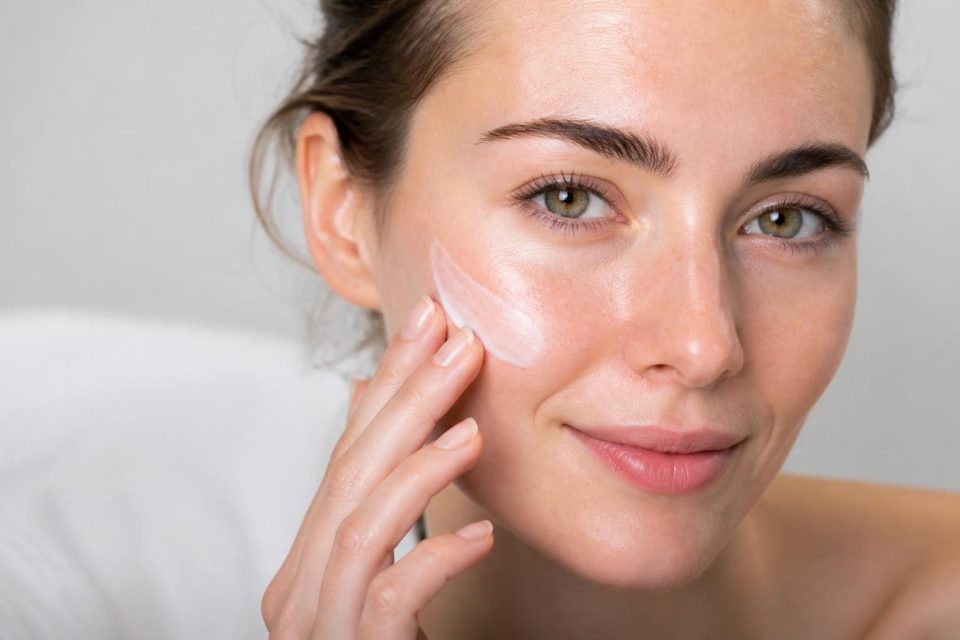
Dry skin isn't just uncomfortable-it's a message from your body telling you something's missing. Whether you're dealing with tight, flaky patches or year-round roughness, finding the right skin cream for dry skin can transform how your skin looks and feels. With natural skincare gaining momentum in 2026, understanding what truly works makes all the difference between temporary relief and lasting hydration.
Understanding Why Your Skin Gets Dry
Your skin's outer layer acts like a brick wall, with skin cells as bricks and natural oils as mortar. When this barrier breaks down, moisture escapes faster than your body can replace it.
Environmental Triggers That Strip Moisture
Think about your daily routine. Hot showers might feel amazing, but they're stripping away protective oils. Central heating in winter creates desert-like conditions indoors. Even your favorite air-conditioned office is pulling moisture from your skin without you realizing it.
The American Academy of Dermatology offers an overview of dry skin, noting that environmental factors play a significant role in skin dehydration.
Common culprits include:
- Harsh weather conditions (cold, wind, low humidity)
- Frequent bathing with hot water
- Aggressive soaps and cleansers
- Indoor heating systems
- Age-related decrease in natural oil production
Your skin's moisture balance changes throughout your life. Babies have plump, hydrated skin because their barriers work efficiently. As we age, this system slows down, making quality moisturizers essential rather than optional.
What Makes a Great Skin Cream for Dry Skin
Not all moisturizers are created equal. The best formulations combine three types of ingredients working in harmony to repair, protect, and hydrate.
The Three-Part Formula
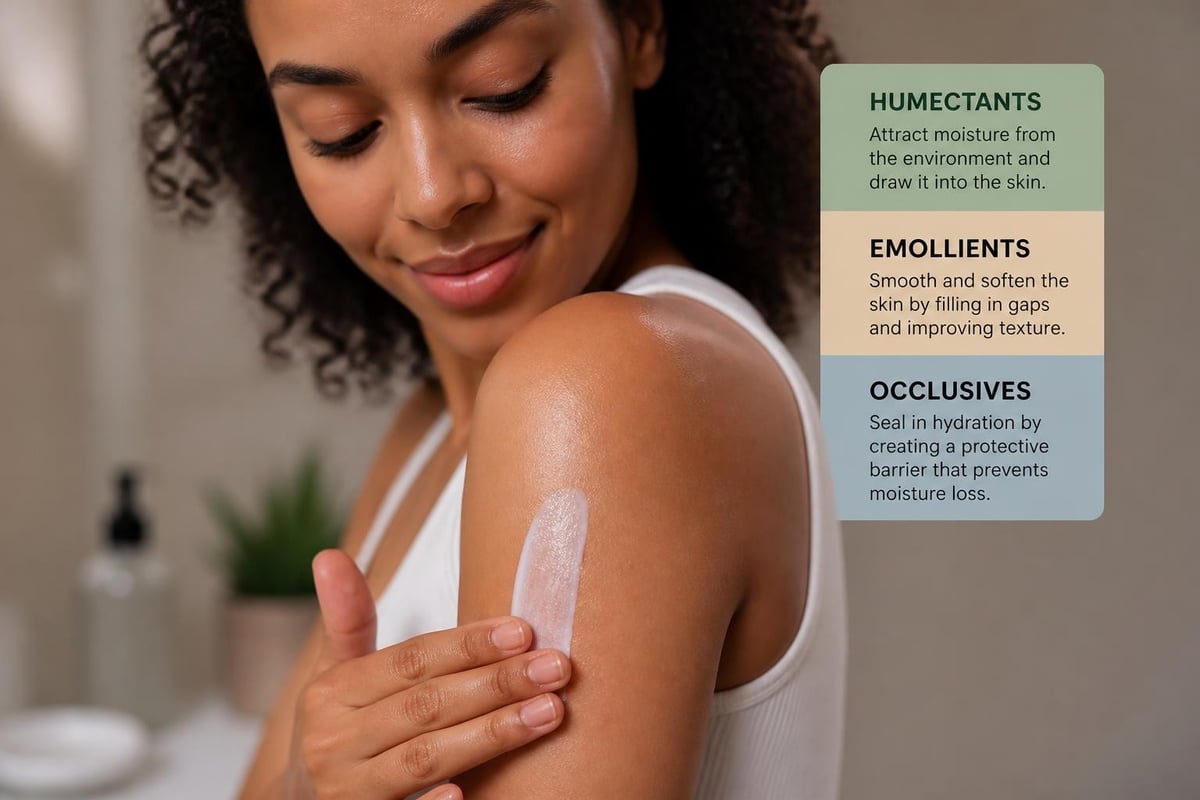
Humectants pull water from the air and deeper skin layers to the surface. Hyaluronic acid, glycerin, and honey are champions here, capable of holding up to 1000 times their weight in water.
Emollients fill gaps between skin cells, smoothing rough texture. Natural options like shea butter, jojoba oil, and squalane mimic your skin's own sebum.
Occlusives create a protective seal that locks everything in. Think of them as a raincoat for your skin. Ceramides, lanolin, and plant waxes prevent moisture loss without feeling heavy.
| Ingredient Type | Purpose | Natural Examples |
|---|---|---|
| Humectants | Attract water | Hyaluronic acid, glycerin, aloe vera |
| Emollients | Smooth and soften | Shea butter, jojoba oil, squalane |
| Occlusives | Seal in moisture | Ceramides, beeswax, plant oils |
Ingredients to Seek Out
When scanning labels, your eyes should light up at certain names. Ceramides rebuild your skin's protective barrier-they're literally the mortar between those brick-like skin cells. Niacinamide (vitamin B3) reduces water loss while calming inflammation.
For natural skincare enthusiasts, plant-based options deliver impressive results. Evening primrose oil contains gamma-linolenic acid that strengthens skin. Calendula extract soothes irritation while moisturizing. These ingredients work especially well for sensitive skin that rebels against synthetic chemicals.
Cleveland Clinic’s guide on selecting moisturizers emphasizes looking for specific ingredients that address your skin's unique needs.
Seasonal Strategies for Year-Round Hydration
Your skin's needs shift with the calendar. What works perfectly in June might leave you flaky in January.
Winter Warfare Against Dryness
Cold air holds less moisture, and indoor heating compounds the problem. This is when your skin cream for dry skin needs to work overtime. Switch to richer formulations with higher oil content.
- Apply cream immediately after showering while skin is damp
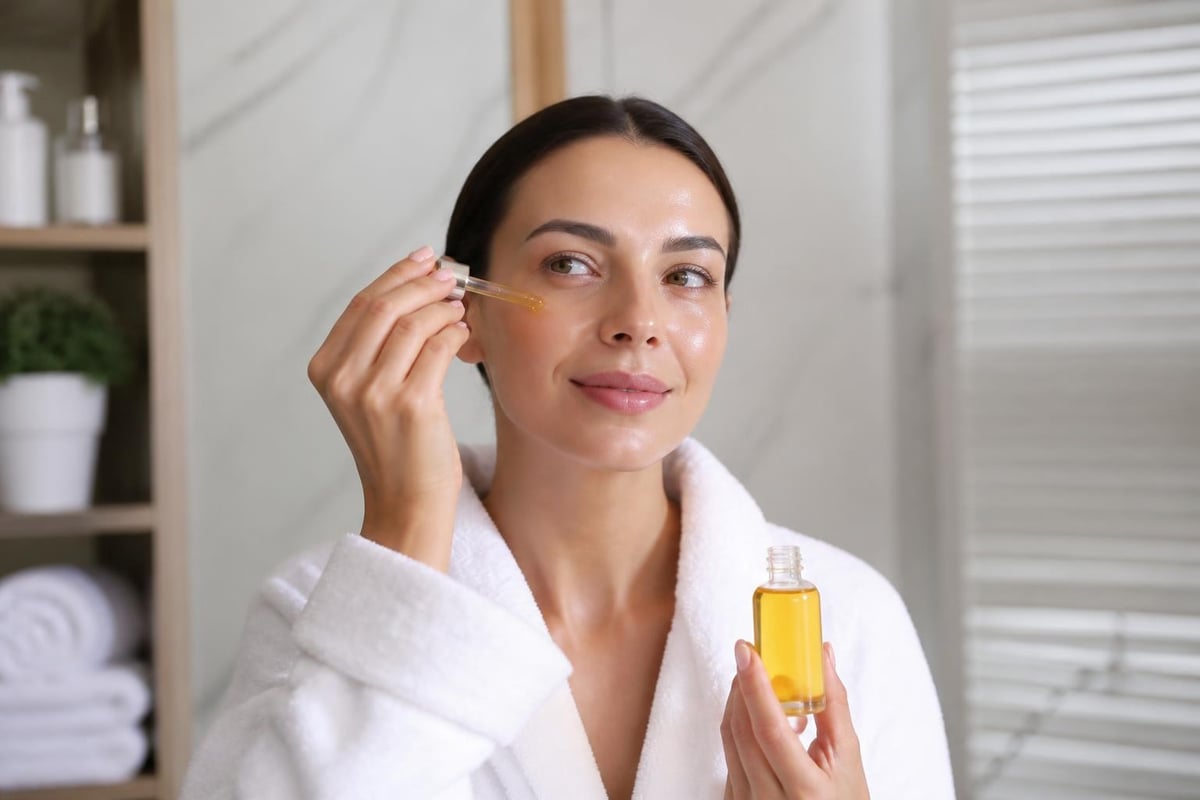
- Layer a facial oil under your moisturizer for extra protection
- Use a humidifier in your bedroom to add moisture to the air
- Reapply hand cream after every wash
- Don't forget your neck and décolletage
Spring and fall bring their own challenges. Temperature fluctuations confuse your skin's oil production, sometimes creating dry patches alongside oily zones. A balanced approach works best during transitional seasons.
Summer Hydration Myths
You might think summer humidity means you can skip the heavy cream, but sun exposure and air conditioning still dehydrate skin. Lightweight, gel-based formulations with hyaluronic acid provide hydration without greasiness.
If you're dealing with dullness alongside dryness, specialized formulations for dull skin can address both concerns simultaneously.
Application Techniques That Maximize Results
Here's a secret: how you apply your skin cream for dry skin matters almost as much as what you apply.
The Damp Skin Difference
Your skin absorbs products best when slightly damp. After cleansing, pat (don't rub) your face until it's about 70% dry. Then apply your cream while that remaining moisture is still present. This traps water in your skin, boosting hydration significantly.
Proper application steps:
- Warm the product between your palms
- Press gently into skin rather than rubbing vigorously
- Use upward, outward motions on your face
- Don't forget often-missed areas like jawline and ears
- Wait 60 seconds before applying makeup or sunscreen
Layering for Maximum Impact
Think of your skincare routine as building layers of protection. Start with the thinnest consistency and work up to the thickest. Serum first, then cream, then oil if needed. Each layer enhances the next.
Natural vs. Synthetic: Making Informed Choices
The natural skincare movement has transformed how we think about ingredients. But does "natural" always mean better?
Benefits of Plant-Based Formulations
Natural ingredients often bring multiple benefits in one package. Calendula doesn't just moisturize-it also reduces inflammation and promotes healing. Rosehip oil hydrates while fighting signs of aging with vitamin A.
DermNet NZ’s comprehensive overview discusses various treatment approaches, including emollient creams with natural ingredients.
For those exploring natural face creams, the market in 2026 offers sophisticated formulations backed by research.
Advantages of natural ingredients:
- Generally fewer irritants for sensitive skin
- Sustainable and environmentally friendly
- Rich in antioxidants and vitamins
- Less likely to contain harsh preservatives
- Often suitable for multiple skin concerns
When Synthetic Ingredients Shine
Some synthetic ingredients actually outperform their natural counterparts. Lab-created hyaluronic acid is identical to what your body produces but more stable in formulations. Certain preservatives are necessary to prevent bacterial growth that could harm your skin.
The sweet spot? Formulations that blend the best of both worlds, using natural active ingredients with safe, effective synthetic stabilizers.
Troubleshooting Common Dry Skin Challenges
Even with the perfect skin cream for dry skin, you might hit roadblocks. Let's solve them.
When Your Cream Stops Working
Your skin adapts to products over time. If your once-perfect cream isn't cutting it anymore, your skin might need different ingredients or a richer formula. Seasonal changes, stress, and hormonal shifts also affect how products perform.
| Problem | Likely Cause | Solution |
|---|---|---|
| Cream feels greasy | Too heavy for skin type | Switch to lighter emulsion |
| Still flaky after moisturizing | Damaged barrier | Add ceramide serum first |
| Stinging upon application | Compromised skin | Use fragrance-free, minimal ingredients |
| No improvement after 4 weeks | Wrong ingredients | Try different active components |
Addressing Specific Dry Skin Conditions
Eczema, psoriasis, and rosacea require specialized approaches. Look for fragrance-free formulas with anti-inflammatory ingredients like colloidal oatmeal or chamomile. MedlinePlus provides self-care tips for managing various types of dry skin conditions.
Perioral dermatitis around the mouth paradoxically worsens with heavy creams. Gentle, minimal formulations work better here.
Body vs. Face: Different Needs, Different Solutions
Your facial skin is thinner and more sensitive than your body, requiring specialized formulations.
Tailoring Your Approach
Facial skin cream for dry skin needs lighter textures that won't clog pores or interfere with makeup. Body creams can be richer and more emollient since body skin is tougher and has larger pores.
Face-specific considerations:
- Non-comedogenic formulations
- Higher concentration of active ingredients
- UV protection integration
- Compatibility with makeup
- Fragrance-free options preferred
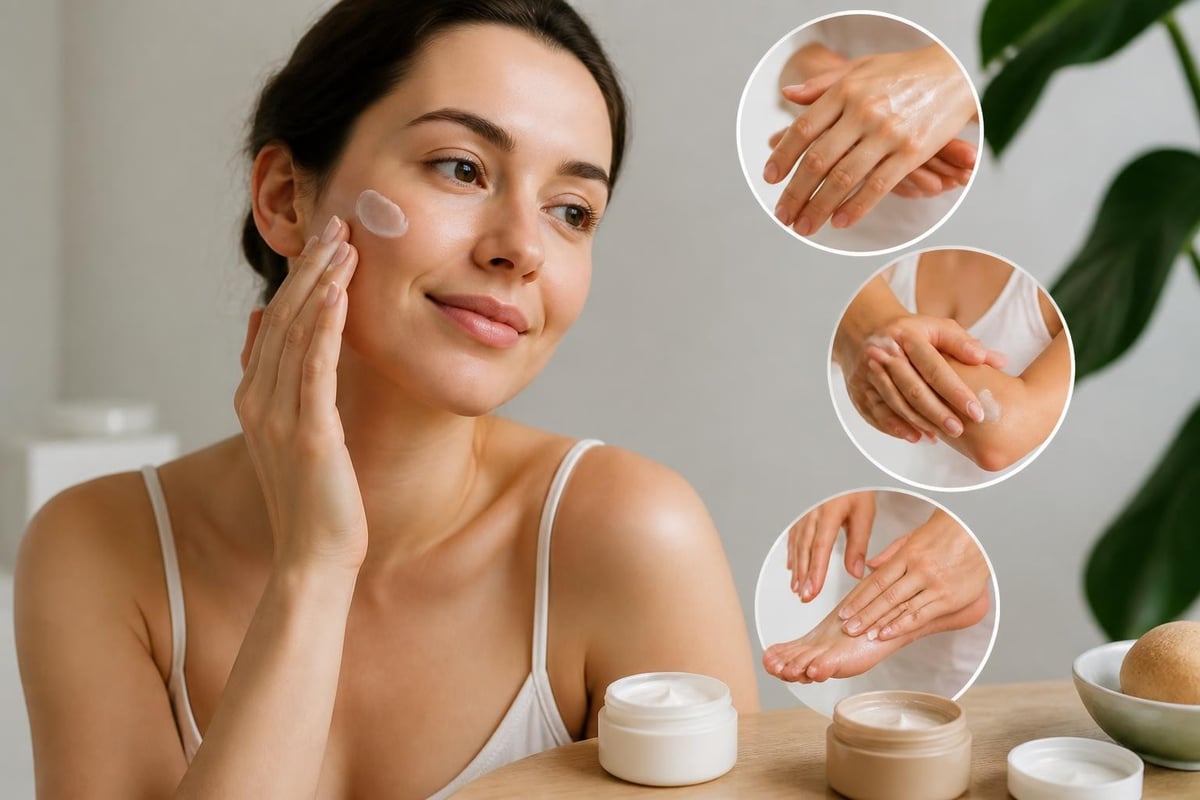
Your hands, feet, and elbows need extra attention. These areas have fewer oil glands and face constant environmental stress. Apply thicker creams before bed and wear cotton gloves or socks overnight for intensive treatment.
Building Your Perfect Dry Skin Routine
Consistency beats intensity when fighting dryness. A simple routine performed daily outperforms complicated regimens you can't maintain.
Morning Hydration Protocol
- Cleanse gently with a cream-based cleanser that doesn't strip oils
- Tone with an alcohol-free, hydrating toner
- Apply serum with hyaluronic acid or vitamin C
- Moisturize with your skin cream for dry skin
- Protect with broad-spectrum SPF 30 or higher
Never skip sunscreen, even in winter. UV damage compromises your skin barrier, making dryness worse over time.
Evening Repair Routine
Nighttime is when your skin repairs itself. Support this natural process with richer formulations. Cleanse thoroughly to remove the day's buildup, then layer on treatment products while your skin is most receptive.
Nighttime power moves:
- Double cleanse if you wear makeup or sunscreen
- Use a gentle exfoliant 2-3 times weekly to remove dead cells
- Apply retinol or peptide serums before moisturizer
- Use a thicker night cream than your daytime formula
- Consider a sleeping mask once weekly for intense hydration
Lifestyle Factors That Support Skin Hydration
What you put on your skin matters, but what you put in your body matters just as much.
Hydration from Within
You've heard it before, but drinking water really does impact skin moisture. Aim for eight glasses daily, more if you exercise or live in dry climates. Herbal teas count, but coffee and alcohol work against you by increasing water loss.
Skin-supporting nutrients:
- Omega-3 fatty acids from fish, flaxseed, or walnuts
- Vitamin E from almonds, avocados, and sunflower seeds
- Vitamin C from citrus fruits and bell peppers
- Zinc from pumpkin seeds and legumes
- Biotin from eggs and sweet potatoes
Environmental Adjustments
Small changes to your environment create big differences. Run a humidifier in rooms where you spend the most time, especially bedrooms. Keep indoor temperatures moderate rather than tropical. Wear gloves in cold weather to protect hands.
Avoid long, hot showers that strip natural oils. Lukewarm water for 10 minutes maximum preserves your skin's protective barrier better than 20-minute steam sessions.
Special Considerations for Different Life Stages
Your skin's needs evolve from your twenties through your seventies and beyond.
Youthful Skin Challenges
Even young skin can be dry, often due to harsh acne treatments or excessive cleansing. Balance is key. Use a gentle skin cream for dry skin that won't cause breakouts while maintaining hydration.
Mature Skin Requirements
After forty, skin produces less natural oil and loses elasticity. Richer formulations with anti-aging ingredients like retinol, peptides, and antioxidants address multiple concerns simultaneously. The best creams for mature dry skin combine deep hydration with repair mechanisms.
| Age Range | Primary Concern | Recommended Ingredients |
|---|---|---|
| 20s-30s | Prevention, balance | Hyaluronic acid, niacinamide |
| 40s-50s | Moisture + firmness | Retinol, peptides, ceramides |
| 60s+ | Intensive repair | Rich oils, growth factors, antioxidants |
Pregnancy and Hormonal Changes
Hormonal fluctuations during pregnancy, menstruation, and menopause dramatically affect skin moisture. Some women who never had dry skin suddenly need intensive hydration. Choose pregnancy-safe formulations free from retinoids and essential oils if you're expecting.
Reading Labels Like a Pro
Marketing claims can mislead, but ingredient lists tell the truth.
Decoding Ingredient Lists
Ingredients appear in descending order by concentration. If your "hyaluronic acid cream" lists it after preservatives, you're getting minimal amounts. Look for key ingredients in the top five.
Red flags to avoid:
- Alcohol (especially denatured alcohol) high on the list
- Artificial fragrances (listed as "parfum" or "fragrance")
- Sodium lauryl sulfate in cleansers
- Parabens if you prefer natural options
- Mineral oil derivatives that sit on skin rather than penetrating
Understanding Marketing Claims
"Clinically tested" doesn't mean effective-it just means someone tested it. "Dermatologist recommended" might mean one dermatologist somewhere liked it. Look for specific claims backed by research, like "shown to increase skin hydration by 40% in 4 weeks."
Choosing the right skin cream for dry skin transforms your daily comfort and long-term skin health, combining science-backed ingredients with consistent application for lasting results. When you're ready to embrace natural solutions that truly work, Sinusoothe Ltd offers carefully formulated products designed to nourish and restore your skin's natural balance. Discover how plant-based ingredients can deliver the hydration your skin craves while supporting sustainable, gentle skincare practices.