
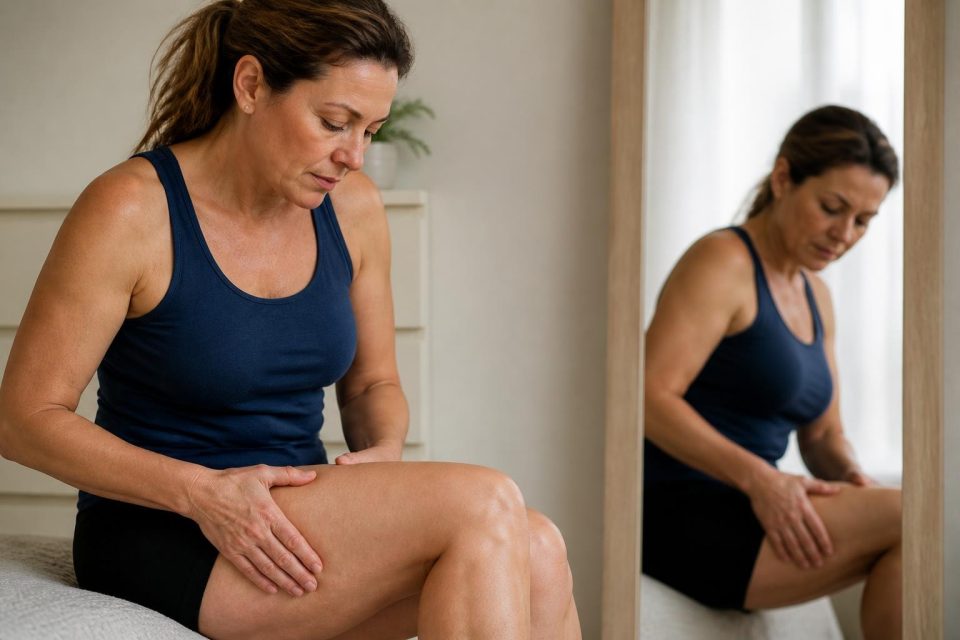
Your body is telling a story, and sometimes that story includes unexpected plot twists. If you've noticed dimpled skin appearing or worsening as you navigate your 40s, you're not imagining things. The relationship between perimenopause and cellulite is real, backed by science, and affects countless women during this transitional phase. Understanding what's happening beneath your skin can help you make informed choices about natural approaches to skincare and overall wellness during this transformative time.
Why Perimenopause Changes Your Skin's Structure
Perimenopause doesn't just bring hot flashes and mood swings. Your skin is undergoing significant transformations at the cellular level.
Estrogen plays a crucial role in maintaining skin elasticity, collagen production, and fat distribution. As this hormone begins its irregular decline during perimenopause, your skin loses some of its structural integrity. Think of estrogen as the general contractor overseeing your skin's maintenance crew. When the contractor starts showing up less frequently, things begin to shift.
The connection between hormonal changes and cellulite appearance becomes more pronounced during this phase. Your body redistributes fat differently, often moving it toward areas like thighs, hips, and buttocks where cellulite commonly appears.
The Hormone-Skin Connection
Several hormonal shifts happen simultaneously:
- Estrogen decline reduces collagen synthesis by up to 30% in the first five years
- Progesterone fluctuations affect fluid retention and inflammation
- Cortisol increases can worsen fat storage patterns
- Thyroid changes may slow metabolism and skin cell turnover
These aren't isolated events. They're interconnected systems that influence how your skin looks and feels.
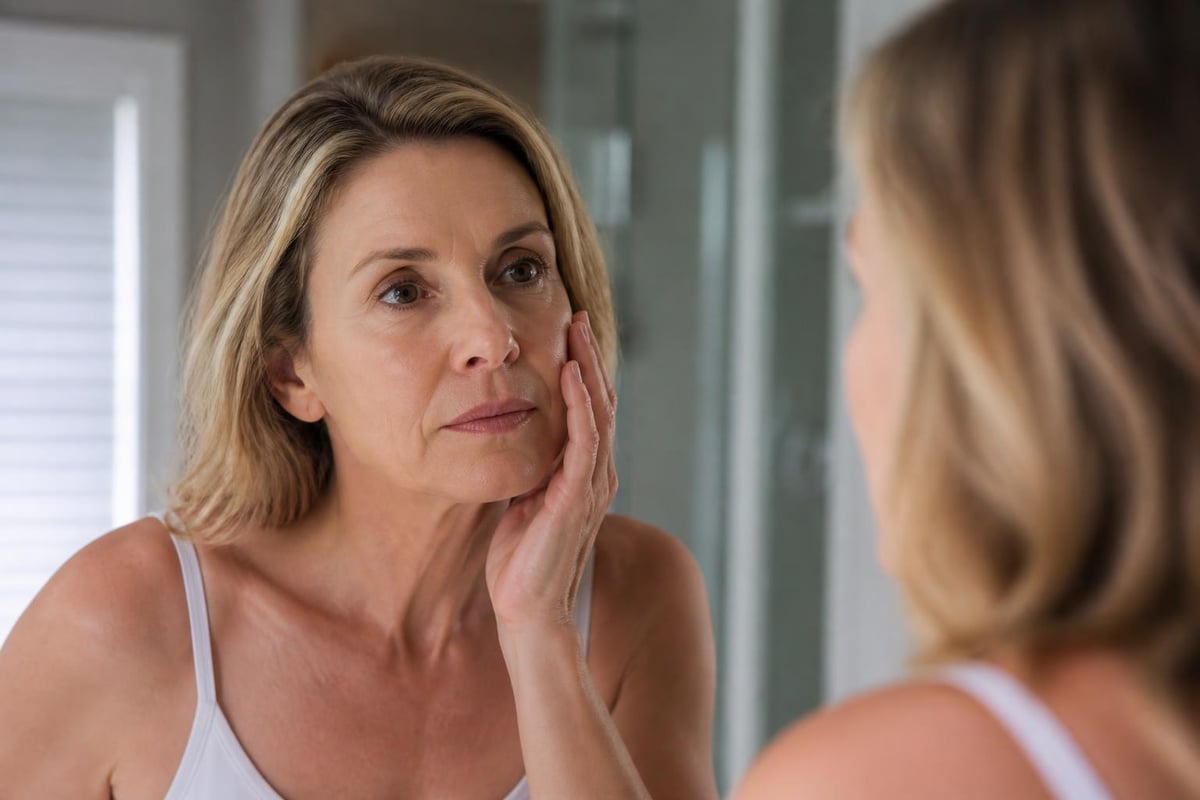
Understanding Cellulite Beyond the Surface
Cellulite isn't simply about weight gain or lack of exercise. It's a complex structural issue involving fat cells, connective tissue, and circulation.
Your skin has three layers, and cellulite forms when fat cells push through the connective tissue bands in the deeper layers. During perimenopause, these connective bands become less flexible while fat cells simultaneously enlarge. Picture a mattress with weakening springs and expanding filling. Eventually, you'll see lumps and bumps.
Circulation also plays a vital role. As estrogen levels drop, blood flow to certain areas decreases, reducing oxygen and nutrient delivery to skin cells. This creates a perfect storm for cellulite development.
| Factor | Impact on Cellulite | Perimenopause Connection |
|---|---|---|
| Collagen Production | Provides skin structure | Decreases 2-3% yearly after 40 |
| Fat Cell Size | Creates pressure on skin | Increases due to hormonal shifts |
| Circulation | Delivers nutrients, removes waste | Reduces with declining estrogen |
| Fluid Retention | Worsens appearance | Increases with progesterone changes |
The appearance of perimenopause and cellulite together isn't coincidental. These changes reflect your body's adaptation to a new hormonal landscape.
Natural Approaches to Support Your Skin
You have more control than you might think. Natural skincare and lifestyle modifications can genuinely support your skin during perimenopause.
Nutrition That Nourishes From Within
What you eat directly affects your skin's appearance. Focus on foods that support collagen production and reduce inflammation:
- Vitamin C-rich foods like citrus fruits, bell peppers, and strawberries boost collagen synthesis
- Omega-3 fatty acids from wild salmon, walnuts, and flaxseeds reduce inflammation
- Antioxidant-packed berries protect against free radical damage
- Hydrating foods like cucumber and watermelon support skin plumpness
- Protein sources provide amino acids essential for tissue repair
Reducing processed sugars and refined carbohydrates can also help. These foods promote inflammation and glycation, a process that damages collagen and elastin fibers.
Water intake matters more than ever. Aim for at least eight glasses daily to help flush toxins and keep skin cells hydrated. Herbal teas count toward this total and offer additional antioxidant benefits.
Movement and Circulation
Exercise does more than burn calories. It improves circulation, which directly impacts how your skin receives nutrients and eliminates waste products.
Strength training deserves special attention. Building muscle beneath the skin creates a firmer foundation, potentially smoothing the appearance of dimpled areas. You don't need heavy weights; bodyweight exercises work effectively.
Activities that boost circulation include:
- Brisk walking for 30-45 minutes daily
- Swimming or water aerobics
- Yoga poses that invert or elevate legs
- Rebounding (mini trampoline exercises)
- Dance or aerobics classes
The relationship between perimenopause, circulation, and cellulite highlights why movement matters so much during this phase.
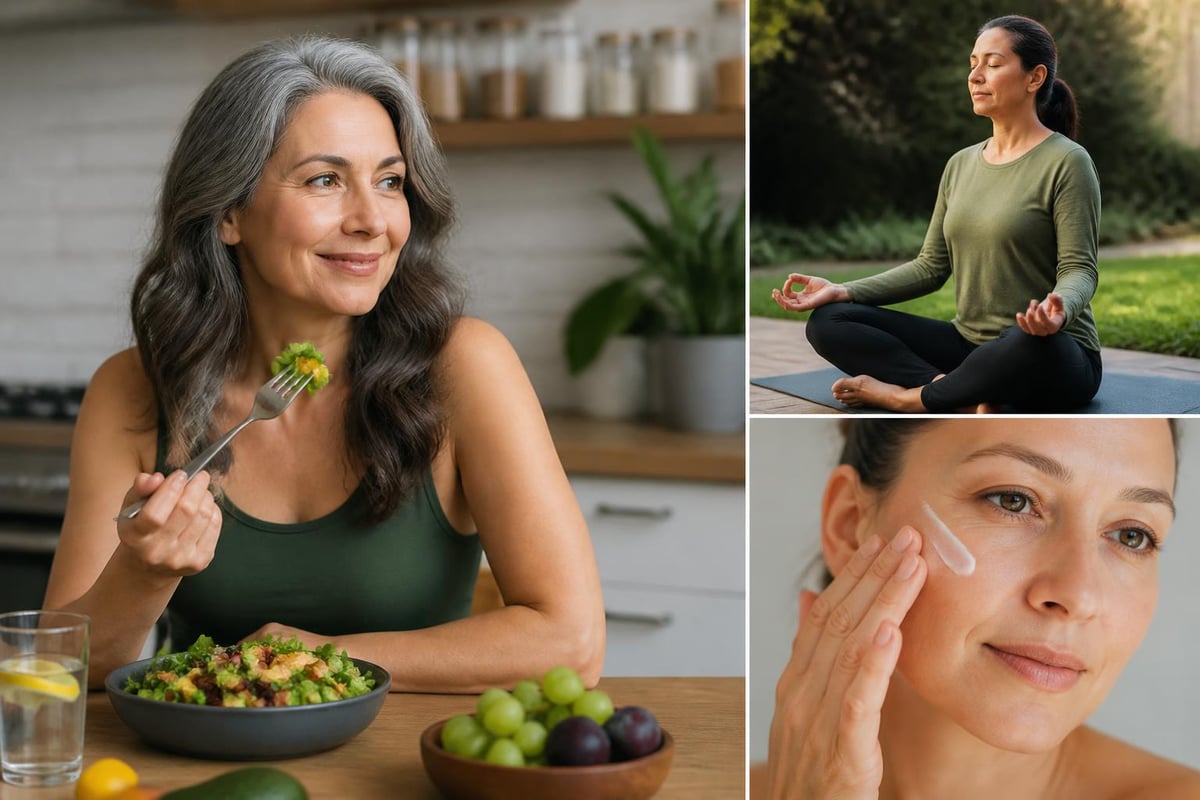
Topical Solutions That Actually Work
External skincare products can complement internal approaches when formulated with effective ingredients.
Look for natural face creams and body products containing active botanical ingredients. These work with your skin's biology rather than against it.
Ingredients to Seek Out
Caffeine stands out as one of the most researched topical ingredients for cellulite. It temporarily tightens skin and may help reduce fat cell size through increased circulation. Applied consistently, caffeine-containing products can create noticeable improvements.
Retinoids (including natural sources like rosehip oil) boost collagen production and cell turnover. They thicken the skin's upper layers, which can minimize the dimpled appearance associated with perimenopause and cellulite.
Other beneficial ingredients include:
- Centella asiatica for collagen synthesis support
- Gotu kola to strengthen connective tissue
- Seaweed extracts for detoxification and firming
- Vitamin E for antioxidant protection
- Essential fatty acids to nourish and repair
Application technique matters too. Massage products in using upward, circular motions to stimulate circulation and lymphatic drainage.
The Role of Stress Management
Cortisol, your primary stress hormone, directly influences fat storage patterns and skin health. Chronic stress exacerbates the cellulite-forming conditions that perimenopause already creates.
When you're stressed, your body prioritizes survival over aesthetics. It stores fat more readily, particularly in the abdominal and thigh areas. Cortisol also breaks down collagen, the very protein your skin needs to maintain firmness.
Practical stress reduction strategies include:
- Morning meditation or breathwork (even 5-10 minutes helps)
- Evening relaxation rituals without screens
- Regular nature walks
- Creative hobbies that engage your hands and mind
- Social connections with supportive friends
Quality sleep deserves its own mention. During deep sleep, your body repairs tissues and produces growth hormone, which supports skin regeneration. Aim for 7-9 hours nightly, maintaining consistent sleep and wake times.
Consider how beauty creams work best when paired with adequate rest and stress management. Your skin repairs itself most effectively during nighttime hours.
Body-Positive Perspectives on Perimenopause Changes
Here's something rarely discussed: up to 90% of women have some degree of cellulite, regardless of age, weight, or fitness level. It's a normal structural variation, not a flaw requiring correction.
Perimenopause and cellulite appearing together doesn't mean you've done something wrong. Your body is adapting to significant hormonal shifts while continuing to support you through daily life. That deserves appreciation, not criticism.
Reframing Your Relationship With Your Body
Self-compassion during perimenopause creates better outcomes than harsh self-judgment. Research shows that women who practice body acceptance experience less stress, which paradoxically may improve skin appearance through reduced cortisol levels.
This doesn't mean abandoning self-care. It means approaching your body with kindness while making choices that support your wellbeing. You can simultaneously accept your body's current state and take steps to nourish it better.
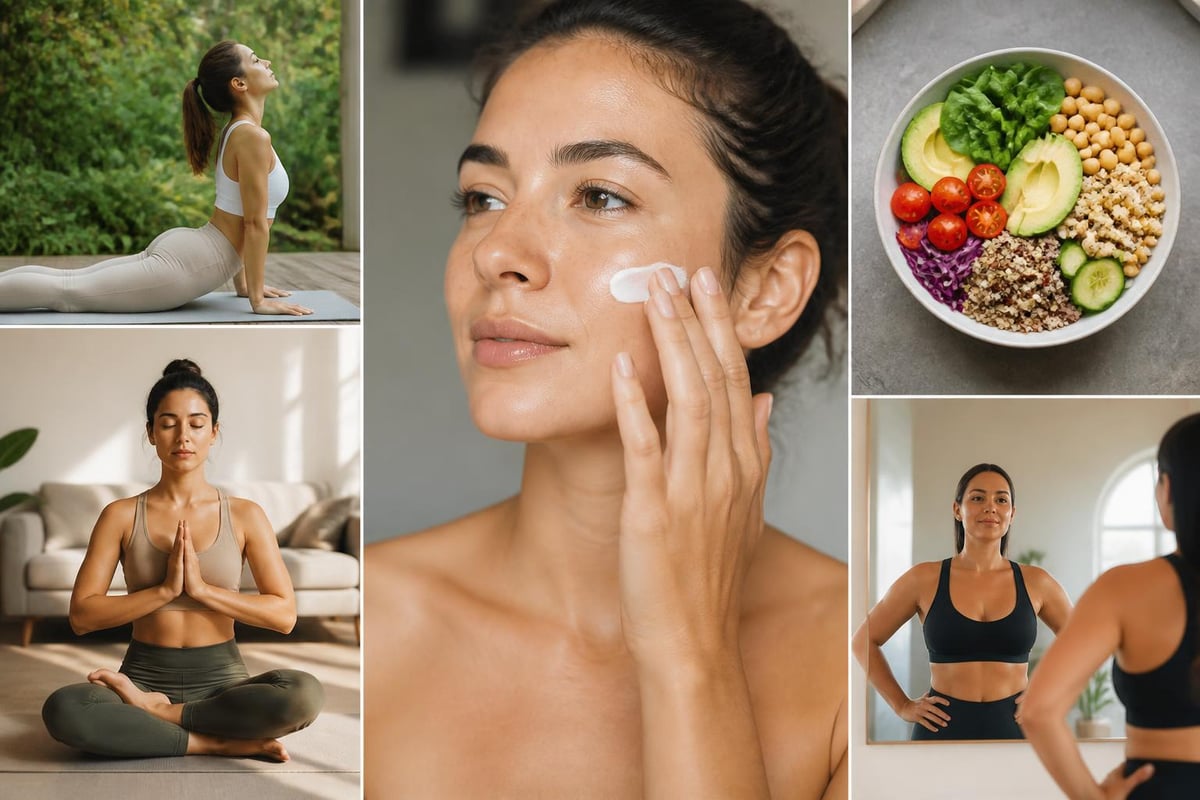
Advanced Natural Strategies
Beyond basics, several evidence-based approaches show promise for addressing the visible effects of perimenopause and cellulite.
Dry Brushing and Manual Lymphatic Drainage
Your lymphatic system removes waste products from tissues. Unlike blood circulation, which has the heart as a pump, lymphatic fluid relies on muscle movement and manual stimulation.
Dry brushing before showering stimulates lymphatic flow and increases circulation to skin surface. Use a natural bristle brush, stroking toward your heart with firm but comfortable pressure. Focus on areas where cellulite appears, spending 2-3 minutes on each leg.
Manual lymphatic drainage massage uses gentle, rhythmic movements to encourage fluid movement. While professional treatments offer the most benefit, you can learn basic self-massage techniques for home use.
Herbal Support for Hormonal Balance
Certain herbs traditionally support hormonal balance during perimenopause:
| Herb | Primary Benefits | Application |
|---|---|---|
| Vitex (Chasteberry) | Balances progesterone levels | Tea or supplement |
| Red Clover | Contains phytoestrogens | Infusion or capsule |
| Dong Quai | Supports estrogen metabolism | Tincture or tea |
| Black Cohosh | Reduces perimenopausal symptoms | Standardized extract |
| Maca Root | Hormonal adaptation support | Powder in smoothies |
Always consult a healthcare provider before starting herbal supplements, especially if you take medications or have health conditions. Herbs are powerful and require informed use.
For skin-specific support, consider how creams for your face might incorporate these botanical ingredients alongside proper internal supplementation.
Hydration and Skin Plumpness
Dehydration makes cellulite appearance more pronounced. Well-hydrated skin appears plumper and smoother, minimizing the dimpled effect.
Beyond drinking water, consider these hydration-boosting strategies:
- Add electrolytes (natural sources like coconut water or mineral-rich salts)
- Consume hydrating fruits and vegetables at every meal
- Limit alcohol, which dehydrates tissues
- Monitor caffeine intake (moderate amounts are fine, but excess dehydrates)
- Use a humidifier in dry environments
Topical hydration matters equally. Hyaluronic acid draws moisture into skin cells, creating a plumping effect that can temporarily smooth cellulite appearance. Natural sources include certain mushrooms and fermented ingredients, which may appear in quality sensitive skin cream formulations.
Layer your skincare: apply humectants like hyaluronic acid to damp skin, then seal with a natural oil or butter to prevent moisture loss. This technique maximizes hydration benefits.
Understanding Realistic Expectations
Honesty matters when discussing perimenopause and cellulite. No cream, treatment, or lifestyle change will completely eliminate cellulite for most women. The structural factors run too deep.
What you can realistically achieve:
- Improved skin texture and firmness
- Reduced appearance of dimpling
- Better circulation and lymphatic function
- Enhanced overall skin health
- Slower progression of cellulite formation
Results require consistency over weeks and months, not days. Your skin cells turn over approximately every 28 days, meaning visible improvements take at least one full cell cycle, often longer.
Comparing your progress to filtered social media images sets you up for disappointment. Real bodies have texture, variation, and normal imperfections. The goal is supporting your health and feeling comfortable in your skin, not achieving an airbrushed ideal.
Creating Your Personal Protocol
Every woman's perimenopause experience differs. Your optimal approach combines evidence-based strategies with personal preferences and lifestyle realities.
Start by choosing one or two changes rather than overhauling everything simultaneously. This sustainable approach builds lasting habits.
Sample Weekly Protocol
Daily foundations:
- Hydration (8+ glasses water)
- Whole foods nutrition emphasizing vegetables, lean proteins, healthy fats
- Topical skincare morning and evening
- 30 minutes movement
3-4 times weekly:
- Strength training (20-30 minutes)
- Dry brushing before shower
- Extended self-massage sessions
Weekly practices:
- Meal planning to ensure nutrient-dense choices
- Body measurements or photos (if tracking progress)
- Self-care ritual (bath, facial, relaxation)
Adjust based on what works for your schedule and preferences. Consistency with a simple routine beats perfection with an elaborate one you can't maintain.
The Bigger Picture of Perimenopause Wellness
Cellulite represents just one aspect of perimenopausal skin changes. You might also notice increased dryness, sensitivity, uneven tone, or slower healing.
Addressing these comprehensively requires a holistic approach that considers sleep, stress, nutrition, movement, and targeted skincare. Each element supports the others, creating synergistic benefits greater than any single intervention.
Remember that perimenopause is a transition, not a destination. Your body will eventually reach a new hormonal equilibrium in postmenopause. The habits you build now serve your long-term health beyond just skin appearance.
Supporting your skin during this phase means honoring your body's needs with nourishing foods, gentle movement, quality rest, and products formulated with your changing biology in mind. It's an act of self-respect, not vanity.
Understanding the connection between perimenopause and cellulite empowers you to make informed choices about supporting your skin during this natural transition. While hormonal changes create real structural shifts, combining thoughtful nutrition, consistent movement, stress management, and targeted natural skincare can significantly improve how your skin looks and feels. At Mama Nature, we believe in working with your body's wisdom using natural ingredients that nourish and support skin health throughout every life stage, because you deserve skincare that respects both your body and the planet.