
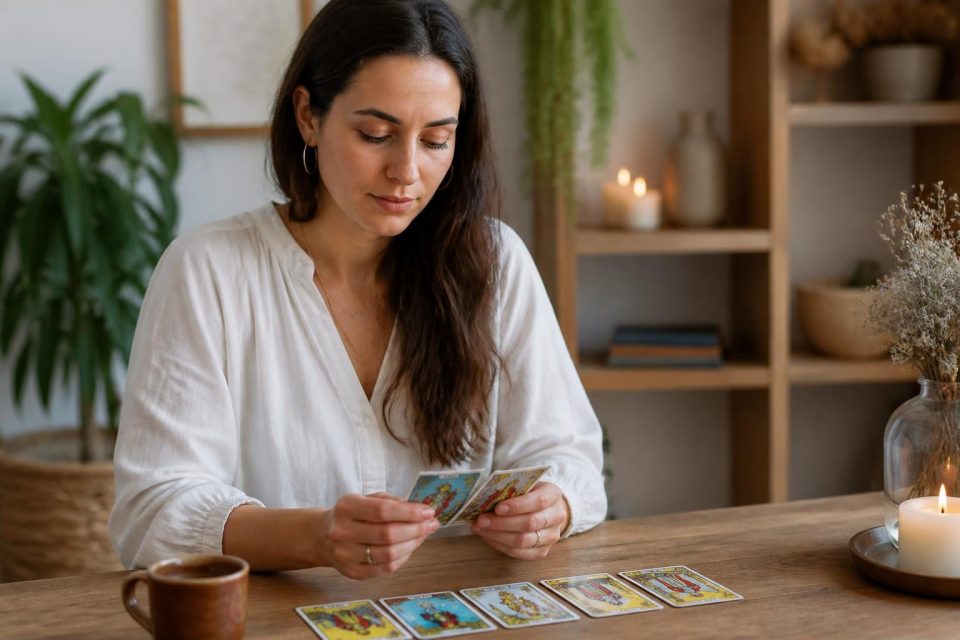
In our fast-paced world where notifications buzz constantly and stress levels soar, finding genuine moments of peace feels like discovering hidden treasure. But what if the path to tranquility wasn't buried at all? What if it was sitting right there in a deck of beautifully illustrated cards, waiting to guide you toward stillness? Tarot moments of calm aren't just about fortune-telling; they're about creating sacred pauses in your day where self-reflection meets serenity, much like how a gentle skincare ritual transforms your evening routine into a meditation.
Understanding the Connection Between Tarot and Tranquility
The practice of tarot has evolved far beyond its mystical origins. Today, it serves as a powerful tool for mindfulness and self-discovery. When you shuffle through those 78 cards, you're not just handling cardstock-you're engaging in a deliberate act of presence.
Think about it: How often do you give yourself permission to stop, breathe, and actually reflect on your inner state?
Tarot creates that permission slip automatically. The partnership of tarot and mindfulness offers a structured approach to self-awareness that complements other calming practices beautifully. Just as applying a natural face cream becomes a ritual of self-care, drawing tarot cards transforms into a ceremony of self-knowledge.
Why Tarot Works as a Calming Practice
- Focuses scattered attention on one specific question or theme
- Creates ritualistic behavior that signals your brain to slow down
- Encourages symbolic thinking which engages creative mental pathways
- Provides external validation for internal feelings you may struggle to articulate
- Establishes boundaries between work mode and rest mode
The physical act matters too. Holding cards, shuffling them, laying them out-these tactile experiences ground you in the present moment. Your nervous system responds to the repetitive motions the same way it responds to stroking soft fabric or massaging cream into your skin.
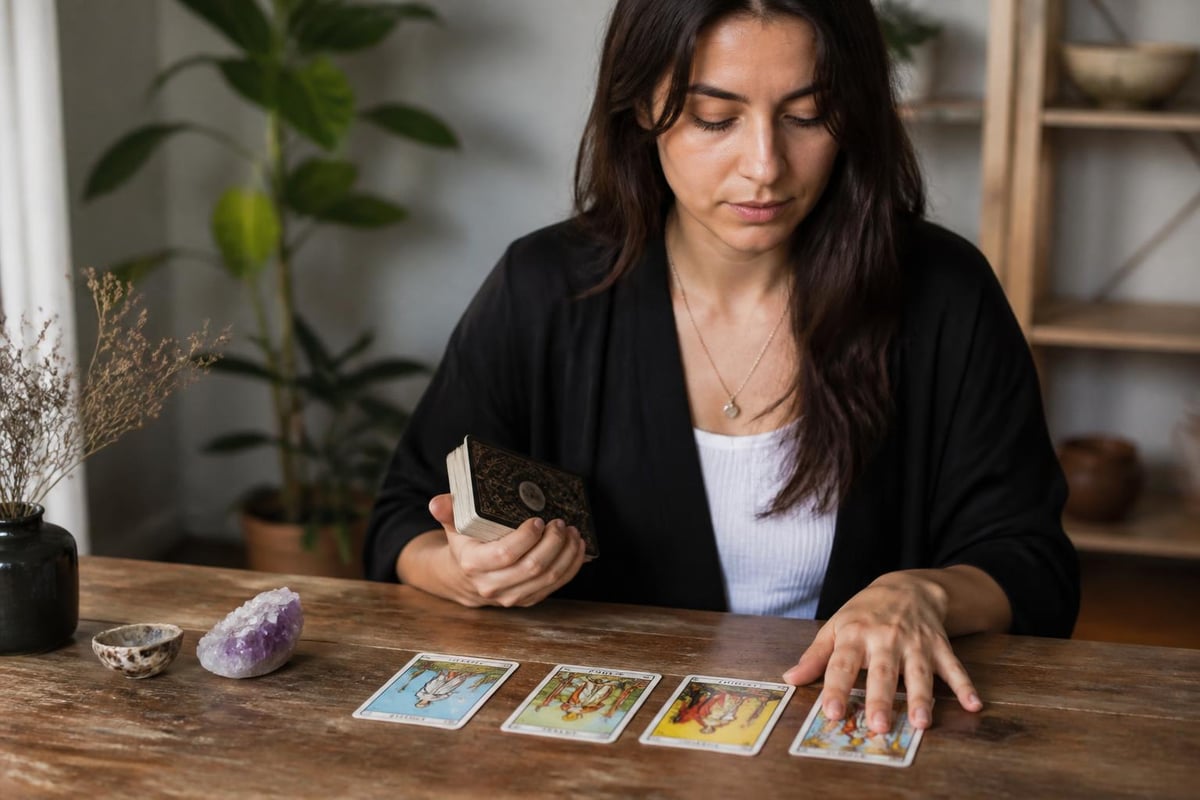
Creating Your Personal Tarot Moments of Calm
Building a tarot practice focused on tranquility doesn't require expensive decks or years of study. It requires intention and consistency. Let's break down how to craft these peaceful moments into your routine.
Morning Clarity Ritual
Start your day with a single-card pull. Before checking your phone (yes, before!), draw one card and sit with it for three minutes. Ask yourself:
- What energy does this card bring to my day?
- How can I embody its positive qualities?
- What warning or guidance does it offer?
This micro-practice sets a contemplative tone that carries through your morning routine. Pair it with your skincare ritual-while your face serum absorbs, let the card's message sink in equally deeply.
The Serenity Spread Technique
When life feels overwhelming, a Serenity Tarot Spread can help you heal and find inner peace through structured reflection. This typically involves four to six cards addressing different aspects of your current stress.
| Position | Focus Area | Question to Ask |
|---|---|---|
| Card 1 | Current State | Where am I right now emotionally? |
| Card 2 | Root Cause | What's truly causing this tension? |
| Card 3 | Release | What do I need to let go of? |
| Card 4 | Restoration | How can I restore balance? |
| Card 5 | Moving Forward | What steps lead to peace? |
The beauty of structured spreads lies in their ability to externalize internal chaos. You're literally laying out your mental landscape in front of you, making the intangible tangible.
Specific Cards That Amplify Calm
Not all tarot cards carry the same energy. Some naturally evoke tranquility and balance, making them perfect anchors for tarot moments of calm.
Temperance: The Ultimate Balance Card
The Temperance card stands as the quintessential symbol of moderation and harmony. When this card appears, it's asking you to blend opposing forces in your life-work and rest, giving and receiving, effort and ease.
Consider its wisdom: Are you pouring from an empty cup? Are you moving too fast through tasks that deserve your full attention? Temperance reminds us that sensitive skin needs gentle care, and sensitive souls need the same consideration.
The King of Cups: Emotional Mastery
The King of Cups represents calmness and emotional stability amid turbulent waters. This card doesn't suppress feelings-it acknowledges them while maintaining composure.
When you're seeking tarot moments of calm, the King of Cups teaches that true peace comes from emotional intelligence, not emotional avoidance. He sits on his throne with the ocean churning behind him, yet remains centered.
The Star: Hope and Renewal
After the chaos of The Tower, The Star appears as a breath of fresh air. This card embodies:
- Renewed faith in positive outcomes
- Healing energy after difficult periods
- Clarity of purpose after confusion
- Gentle optimism without toxic positivity
Draw The Star when you need reassurance that peace is not just possible, but already on its way to you.
Practical Spreads for Daily Relaxation
Beyond single-card pulls, specific spreads designed for relaxation can transform how you decompress. These structured approaches give your mind something to focus on besides worries.
The Four-Card Stress Release Spread
This relaxation tarot spread helps you identify tension sources and release them systematically:
Position 1: What stress am I holding?
This card reveals the nature of your current burden. Sometimes just naming it reduces its power.
Position 2: Why am I holding onto it?
Often we clutch stress out of habit or fear. This position illuminates your unconscious motivations.
Position 3: What happens if I release it?
Our minds catastrophize letting go. This card shows the (usually positive) reality.
Position 4: How do I release it today?
Concrete guidance for immediate action toward peace.
Perform this spread in a comfortable space, perhaps after applying your evening beauty creams when you're already in a nurturing mindset.
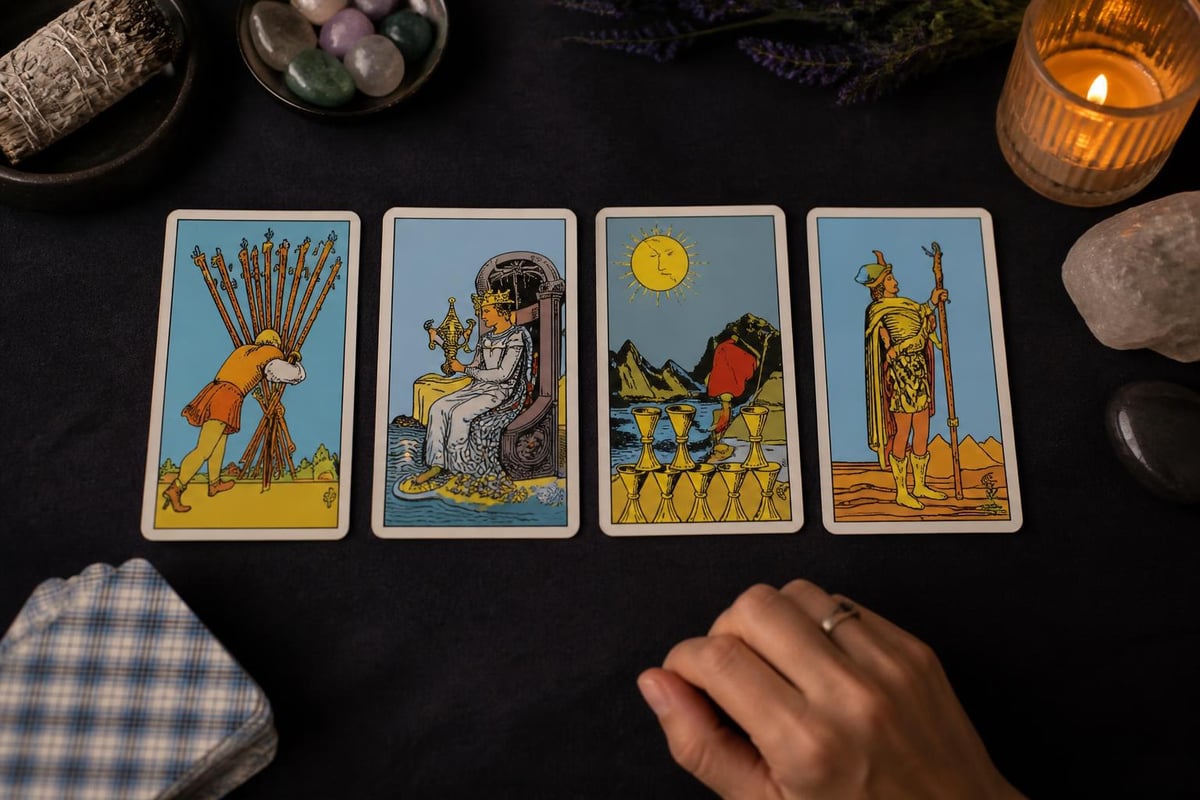
The Breath and Balance Spread
This three-card spread synchronizes with breathing exercises:
- Inhale card: What am I taking in? (Influences, energies, beliefs)
- Hold card: What am I processing? (Current transformation or realization)
- Exhale card: What am I releasing? (Old patterns, outdated fears)
Draw each card with a corresponding breath cycle. Shuffle while breathing normally, pull the first card on a deep inhale, the second while holding your breath, and the third on a long exhale. This physiological pairing deepens the meditative quality.
Integrating Tarot Into Your Wellness Routine
Tarot moments of calm work best when woven into existing self-care practices rather than standing alone as isolated events. Think of them as threads in a larger tapestry of wellbeing.
Pairing With Skincare Rituals
Your skincare routine already requires you to slow down and be present. Why not enhance it? While your face cream absorbs, reflect on your daily card. As you massage product into your skin, consider how you're also massaging new insights into your consciousness.
Both practices share core principles:
| Skincare | Tarot Practice |
|---|---|
| Consistency matters | Regular pulls build intuition |
| Quality ingredients | Quality decks inspire connection |
| Gentle application | Gentle interpretation |
| Patience with results | Trust the process |
| Self-knowledge required | Self-reflection central |
Creating Ambiance for Readings
The environment shapes your tarot moments of calm significantly. Small adjustments create big shifts:
- Lighting: Soft, warm light signals your nervous system to relax
- Scent: Light candles or diffuse essential oils during readings
- Sound: Gentle instrumental music or nature sounds enhance focus
- Texture: Read cards on soft fabric or a dedicated cloth
- Position: Sit comfortably where you won't be interrupted
These environmental cues train your brain to associate tarot time with deep calm, just as your bathroom vanity signals self-care time.
The Psychology Behind Tarot Moments of Calm
Understanding why this practice works helps you commit to it more fully. The psychological mechanisms at play are fascinating and well-documented.
Narrative Therapy in Card Form
Tarot provides symbolic language for emotions we struggle to verbalize. When you can point to The Nine of Swords and say, "That's my anxiety," you've externalized an internal state. This distance allows perspective.
Psychologists call this "narrative distancing." Instead of being consumed by anxiety, you're observing it, studying it, understanding its patterns. The cards become a mirror showing you what you already know but couldn't quite see.
Decision Fatigue Reduction
Modern life demands constant choices. Tarot moments of calm offer a structured decision-making framework that actually reduces mental load. The cards don't decide for you-they clarify options you already sensed.
This is why a relaxation spread feels so soothing. You're not adding more decisions; you're illuminating the path through existing confusion.
Mindful Interruption
Our default mode is often anxious rumination or mindless scrolling. Tarot interrupts these patterns with intention. Each time you shuffle the deck, you're choosing presence over autopilot.
These micro-interventions accumulate. Over time, you become more adept at catching yourself before stress spirals, creating natural tarot moments of calm even without physical cards present.
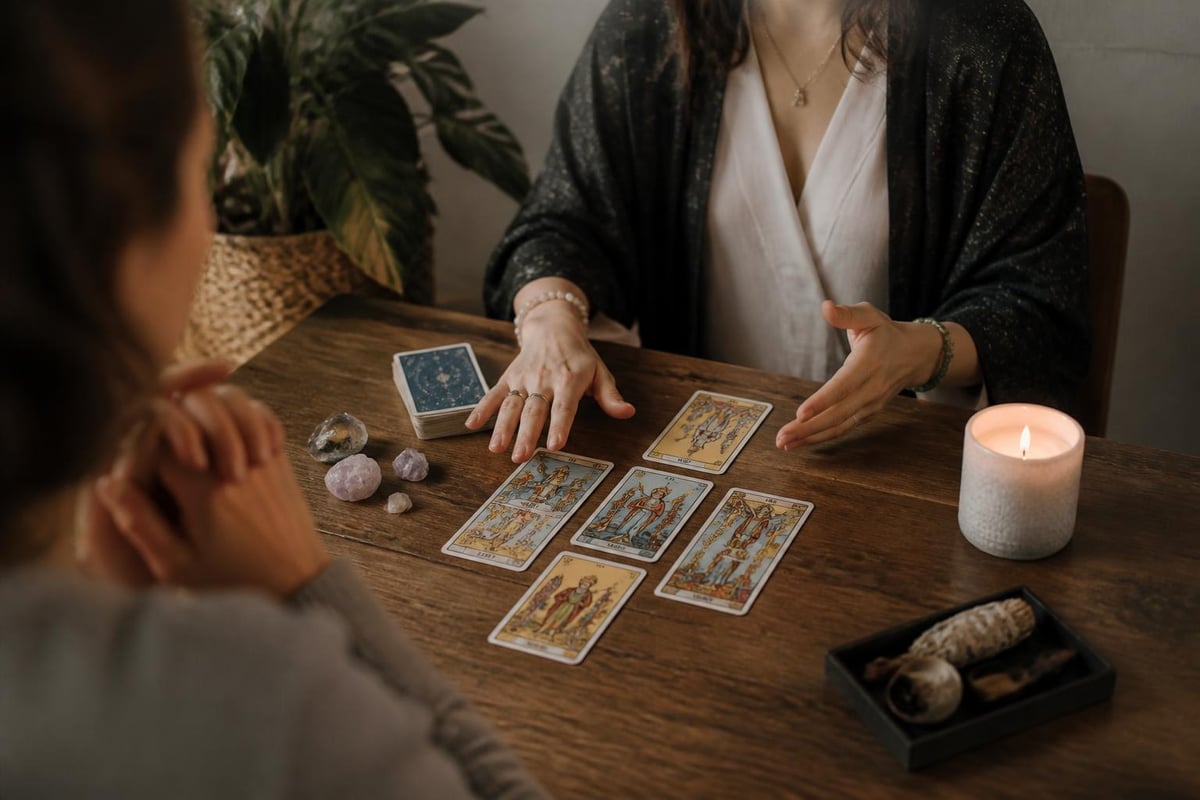
Advanced Practices for Deepening Calm
Once basic tarot moments of calm become habitual, you can explore more nuanced approaches that layer meaning and deepen peace.
Journaling Integration
Keep a tarot journal beside your deck. After each reading, write:
- The cards you drew and positions
- Your immediate emotional reaction
- What the cards might be saying
- Actions or attitudes you'll adopt
- How you feel after the reading
This record becomes invaluable over time, revealing patterns in your draws and personal growth. Looking back at entries from three months ago often brings surprising insights.
Seasonal Alignment
Nature's rhythms affect our nervous systems profoundly. Align your tarot practice with seasons:
- Spring: Focus on The Empress, growth, new beginnings
- Summer: Work with The Sun, joy, abundance
- Autumn: Explore Justice, balance, harvest wisdom
- Winter: Sit with The Hermit, introspection, rest
This alignment mirrors how we might adjust our skincare routines seasonally to match changing environmental needs.
Group Readings for Community Calm
While solo practice cultivates personal peace, group tarot sessions create collective tranquility. Gather trusted friends monthly for shared readings where each person draws for the circle.
Benefits of group practice:
- Diverse interpretations enrich understanding
- Shared vulnerability builds connection
- Collective energy amplifies calm
- Support systems strengthen
- Loneliness decreases
Choosing Decks That Promote Tranquility
Not all tarot decks serve the same purpose. Some emphasize drama and intensity; others prioritize gentleness and calm. For tarot moments of calm, deck selection matters.
Visual Aesthetics Matter
The Relaxing Tarot deck features minimalist floral patterns specifically designed to provide calmness during readings. Soft colors, uncluttered imagery, and gentle symbolism make interpretation less overwhelming for beginners and more soothing for everyone.
When selecting a deck, consider:
- Color palette: Pastels and earth tones versus bold, contrasting colors
- Artistic style: Realistic, abstract, whimsical, or traditional
- Card size: Comfortable to hold and shuffle
- Guidebook tone: Empowering versus fear-based interpretations
- Personal resonance: Trust your gut reaction
Digital Versus Physical Cards
While purists might scoff, free digital tarot readings serve important purposes. They're accessible during travel, available at any hour, and introduce newcomers to the practice without financial investment.
However, physical cards offer tactile grounding that digital versions can't match. The sensory experience of holding, shuffling, and laying out cards contributes significantly to tarot moments of calm. Ideally, use both: digital for convenience, physical for deeper sessions.
Overcoming Common Obstacles
Even the most beneficial practices face resistance. Recognizing common obstacles helps you navigate them before they derail your tarot moments of calm.
"I Don't Have Time"
This objection reveals a misunderstanding. Tarot moments of calm don't require hour-long sessions. A three-minute single-card pull while your coffee brews counts. Perfection isn't the goal; presence is.
Time-saving approaches:
- Keep a deck beside your bed for morning/evening draws
- Use commute time for reflection on pre-drawn cards
- Set phone reminders for midday check-ins
- Combine with existing habits (coffee, skincare, lunch breaks)
"I Don't Understand the Cards"
Nobody fully understands tarot-that's part of its beauty. Each card contains layers of meaning that unfold over years. Start with basic interpretations and trust your intuition more than any guidebook.
Your relationship with the cards is personal. The Ten of Cups might mean family harmony in traditional interpretation, but if it consistently appears when you need creative inspiration, honor that association.
"What If I Draw 'Bad' Cards?"
Challenging cards aren't punishment; they're information. The Tower doesn't predict disaster-it highlights where transformation is needed. Death signals endings that make space for growth. The Devil reveals where you've given away your power.
Reframe difficult cards as:
- Warnings: Heads up about potential pitfalls
- Mirrors: Reflections of current reality
- Teachers: Lessons you're ready to learn
- Opportunities: Invitations to choose differently
No card is inherently bad when you approach tarot moments of calm with curiosity rather than fear.
Building Consistency Without Pressure
The difference between a practice that lasts and one that fizzles lies in sustainable habits. Tarot moments of calm should feel like refuge, not obligation.
The Thirty-Day Gentle Challenge
Commit to drawing one card daily for thirty days with zero pressure to "do it right." Simply pull a card, look at it, notice your reaction, and move on. That's it.
What this achieves:
- Familiarizes you with the deck without overwhelm
- Creates habit loops in your brain
- Removes performance anxiety
- Builds intuitive connections
- Demonstrates that calm doesn't require perfection
Permission to Skip
Paradoxically, giving yourself permission not to practice strengthens your practice. If you genuinely don't have space for tarot today, that's information too. Notice it without judgment.
Sometimes the calmest choice is closing the deck and taking a bath instead. Tarot serves you; you don't serve tarot.
Celebrating Small Wins
Each time you choose presence over distraction, that's worth acknowledging. Keep a "calm moments" jar where you drop a bead, coin, or note each time you complete a reading. Watch it fill over months as visual proof of your commitment to peace.
Finding genuine peace in 2026 requires intentional practices that counter our culture's frenetic pace, and tarot moments of calm offer accessible, meaningful pathways to stillness. Whether you're drawing a single card during your morning routine or exploring deeper spreads alongside your self-care rituals, these practices cultivate the inner tranquility we all crave. Just as nurturing your skin with quality products transforms your complexion over time, nurturing your spirit with mindful tarot practice transforms your emotional landscape. Sinusoothe Ltd understands this connection between external care and internal peace, offering natural skincare that complements your holistic wellness journey-because true beauty radiates from a calm, centered spirit as much as from healthy, glowing skin.