
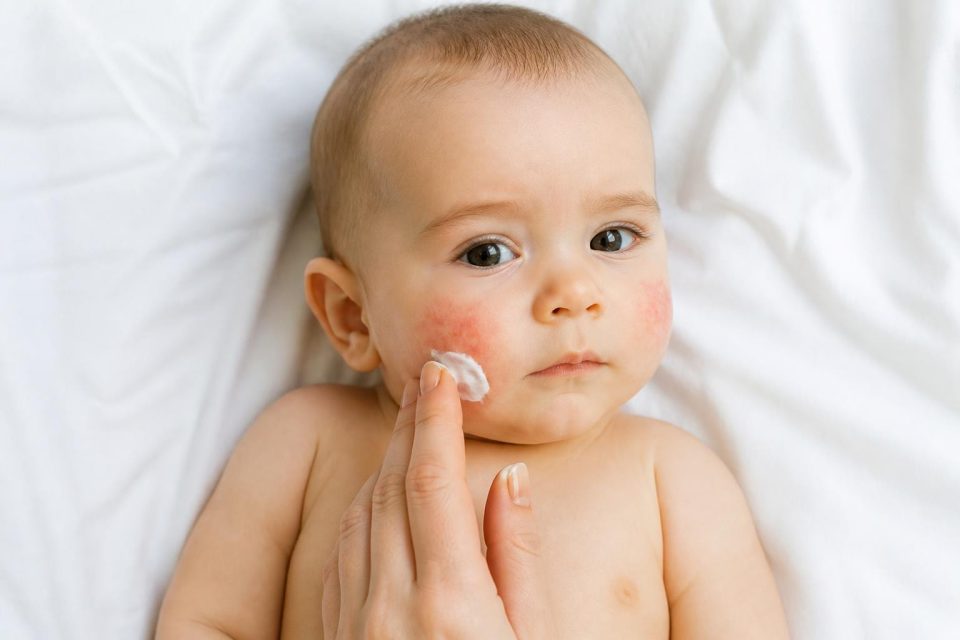
When your little one develops red, itchy patches on their delicate skin, the worry can feel overwhelming. Baby eczema and ways to treat it becomes a top priority for parents who want to provide relief without harsh chemicals. Understanding this common condition and discovering gentle, natural approaches can transform your baby's comfort and your peace of mind. With the right knowledge and treatment strategies, you can help your infant's skin heal while establishing healthy skincare habits that last a lifetime.
Understanding Baby Eczema: What Every Parent Should Know
Baby eczema, medically known as atopic dermatitis, affects approximately 13% of children in the United States. This inflammatory skin condition typically appears during the first six months of life, though it can develop at any age during infancy.
The condition manifests through several telltale signs:
- Dry, scaly patches on cheeks, forehead, or scalp
- Red, inflamed skin that may ooze or crust over
- Intense itching that disrupts sleep and causes fussiness
- Rough, leathery skin texture in affected areas
- Patches behind knees or inside elbows as babies grow
The National Health Service provides comprehensive information on recognizing and managing these symptoms effectively. Most cases improve as children grow older, with many experiencing significant relief by age five.
Why Does Baby Eczema Develop?
The exact cause remains complex, but researchers have identified several contributing factors. Genetics play a substantial role-babies with family history of eczema, asthma, or hay fever face higher risk. The Asthma and Allergy Foundation of America discusses these important connections between allergic conditions.
A compromised skin barrier allows moisture to escape while permitting irritants and allergens to penetrate more easily. This creates the perfect environment for inflammation and discomfort.

Natural Treatment Approaches for Baby Eczema and Ways to Treat It
Managing baby eczema and ways to treat it naturally centers on restoring the skin barrier and reducing inflammation without aggressive medications. The foundation involves consistent, gentle care using products specifically formulated for sensitive infant skin.
The Moisturizing Foundation
Proper hydration forms the cornerstone of eczema management. Apply thick, fragrance-free moisturizers at least twice daily-immediately after bathing and before bedtime.
| Moisturizer Type | Benefits | Best For |
|---|---|---|
| Creams | Moderate hydration, easier absorption | Mild cases, daytime use |
| Ointments | Maximum moisture retention, protective barrier | Severe dryness, nighttime |
| Lotions | Lightweight, quick application | Prevention, minimal symptoms |
Natural ingredients offer powerful therapeutic benefits. Look for products containing colloidal oatmeal, which soothes irritation, or shea butter, which provides deep nourishment. Many parents discover eco-friendly skincare options that align with their values while effectively treating sensitive skin.
Bathing Techniques That Help Rather Than Harm
How you bathe your baby significantly impacts eczema severity. The American Academy of Dermatology recommends lukewarm water and limiting bath time to 5-10 minutes.
Follow these bathing best practices:
- Use gentle, soap-free cleansers only on dirty areas
- Pat skin dry rather than rubbing vigorously
- Apply moisturizer within three minutes of bathing
- Consider bleach baths (properly diluted) for infected eczema
- Add colloidal oatmeal to bathwater for extra soothing
Avoid bubble baths and scented products entirely. These contain irritants that strip natural oils and worsen symptoms.
Identifying and Eliminating Triggers
Understanding baby eczema and ways to treat it requires detective work to identify what causes flare-ups in your specific child. Every baby responds differently to environmental and dietary factors.
Environmental Triggers to Monitor
Temperature extremes challenge sensitive skin. Overheating during sleep often triggers nighttime scratching. Dress babies in breathable layers you can easily adjust.
- Fabrics matter tremendously: Choose soft cotton over wool or synthetic materials
- Laundry products: Switch to fragrance-free, dye-free detergents and skip fabric softeners
- Pet dander: Monitor reactions if animals are present in the home
- Dust mites: Use allergen-proof covers on mattresses and wash bedding weekly in hot water
Seasonal changes bring unique challenges. Winter heating creates dry indoor air, while summer humidity and sweating can irritate patches. A cool-mist humidifier maintains optimal moisture levels year-round.
Food Allergies and Dietary Considerations
WebMD addresses common questions about the relationship between diet and eczema symptoms. Some babies experience reactions to specific foods, either through breastmilk or direct consumption.
The most common culprits include cow's milk, eggs, soy, wheat, and nuts. However, removing foods without medical guidance can cause nutritional deficiencies. Work with your pediatrician before making dietary changes.
Medical Treatments When Natural Approaches Need Support
While natural methods form the foundation, some cases of baby eczema and ways to treat it require medical intervention. Recognizing when to seek professional help prevents complications and unnecessary suffering.
Topical Medications Prescribed by Dermatologists
Topical corticosteroids remain the gold standard for moderate to severe eczema. These anti-inflammatory medications quickly reduce redness and itching when used appropriately under medical supervision.
Strength levels vary based on severity and location:
- Mild steroids for facial eczema and young infants
- Moderate strength for body patches
- Strong formulations reserved for thick, resistant areas
Apply these medications exactly as prescribed-typically once or twice daily to affected areas only. Concerns about steroid use are valid but manageable with proper guidance. The benefits of controlling inflammation outweigh risks when used correctly for short periods.
Newer Treatment Options
Topical calcineurin inhibitors (TCIs) offer steroid-free alternatives for sensitive areas like the face. These medications modify the immune response without thinning skin. The National Institute of Arthritis and Musculoskeletal and Skin Diseases provides research-backed information on these newer approaches.
Preventing Scratching and Secondary Infections
The intense itching associated with eczema leads to scratching, which damages skin further and invites infection. Breaking this itch-scratch cycle proves essential for healing.
Practical Prevention Strategies
Keep baby's nails trimmed short and filed smooth. Consider soft cotton mittens during sleep to prevent unconscious scratching. Some parents find success with gentle wrapping or special eczema sleepwear designed to minimize damage.
Distraction works remarkably well during waking hours. Engage babies with toys, songs, and activities that occupy their hands. Cool compresses provide temporary relief during intense itching episodes.
| Prevention Method | Effectiveness | Age Appropriateness |
|---|---|---|
| Cotton mittens | High | 0-6 months |
| Eczema sleepwear | Very high | All ages |
| Nail trimming | Moderate | All ages |
| Cool compresses | High | 3+ months |
| Distraction techniques | Moderate | 6+ months |
Recognizing and Treating Infections
Scratched eczema patches become vulnerable to bacterial or viral infections. Watch for yellow crusting, increased redness spreading beyond original patches, or oozing fluid-these signal possible infection requiring antibiotics.
Understanding contact dermatitis versus eczema helps parents distinguish between different skin conditions that may appear similar.

Building a Comprehensive Care Routine
Successfully managing baby eczema and ways to treat it demands consistency and patience. Establishing a predictable routine helps parents stay organized while ensuring babies receive necessary care.
Morning Care Protocol
- Gentle cleansing of face and diaper area with plain water
- Immediate moisturizing while skin remains slightly damp
- Protective clothing in soft, breathable fabrics
- Temperature monitoring to prevent overheating throughout the day
Evening Treatment Routine
The bedtime sequence offers optimal treatment opportunities. Warm baths soothe fussy babies while opening pores for better product absorption.
- Draw lukewarm bath with added colloidal oatmeal or prescribed additives
- Gently cleanse with minimal soap-free cleanser
- Pat dry carefully, leaving skin slightly damp
- Apply prescribed medications to active eczema patches
- Layer thick moisturizer over entire body within three minutes
- Dress in soft, loose-fitting cotton pajamas
Many families incorporating natural skincare routines report improved outcomes when treatments align with their overall wellness philosophy.
Long-Term Management and Outlook
Most children outgrow baby eczema by school age, though symptoms may persist or evolve into other atopic conditions. Understanding baby eczema and ways to treat it prepares families for this journey while maintaining realistic expectations.
Tracking Progress and Adjusting Treatments
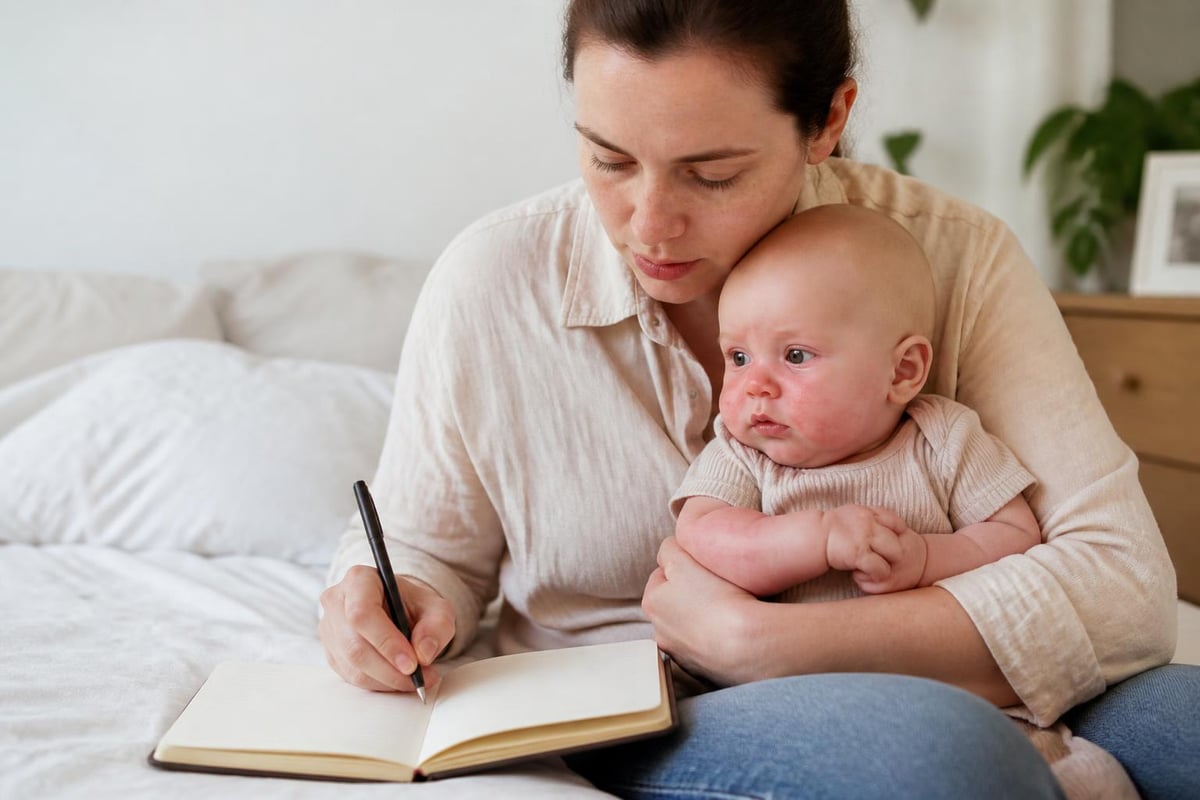
Keep a detailed journal documenting flare-ups, new products introduced, dietary changes, and environmental factors. This information proves invaluable during medical appointments and helps identify subtle patterns.
Document the following:
- Severity of patches on a 1-10 scale daily
- Sleep quality and nighttime scratching frequency
- New foods introduced (for babies starting solids)
- Weather changes or seasonal transitions
- Stress factors affecting household routines
Emotional Support for Parents and Caregivers
Managing chronic skin conditions creates stress for entire families. Sleep deprivation from nighttime itching, worry about appearance, and frustration with trial-and-error treatments take emotional tolls.
Connect with support groups where parents share experiences and coping strategies. Remember that eczema doesn't reflect parenting quality-you're doing your best with a challenging condition.
Creating an Eczema-Friendly Environment
Your home environment significantly influences eczema management success. Small modifications create meaningful improvements in symptom control.
Indoor Air Quality Matters
Maintain humidity levels between 30-50% using humidifiers during dry months. Clean or replace HVAC filters monthly to reduce airborne irritants. Consider air purifiers in baby's room to minimize allergen exposure.
Avoid smoking anywhere near your baby, as tobacco smoke severely aggravates eczema and compromises healing.
Safe Product Selection
Read labels carefully on every product touching baby's skin. "Natural" or "gentle" claims don't guarantee suitability for eczematous skin. Look for fragrance-free rather than "unscented," which may contain masking fragrances.
Test new products on a small skin patch before full application. Introduce only one new product at a time, waiting several days before adding another, to identify potential reactions clearly.
Resources like natural approaches to skin conditions provide additional perspectives on managing various dermatological concerns naturally.
When to Seek Additional Medical Help
While most baby eczema and ways to treat it respond well to home management, certain situations require prompt medical attention. Trust your parental instincts when something feels wrong.
Contact your pediatrician or dermatologist if:
- Eczema covers large body areas or continues spreading
- Signs of infection appear (fever, yellow crusting, warmth)
- Treatments aren't providing relief after two weeks
- Eczema interferes significantly with sleep or feeding
- You notice unusual symptoms or rapid changes
Specialists offer advanced testing options including allergy panels and patch testing to identify specific triggers. Early intervention prevents complications and improves long-term outcomes.
Managing baby eczema requires patience, consistency, and a commitment to gentle, natural care that supports your infant's delicate skin barrier. By combining proper moisturizing techniques, trigger avoidance, and appropriate medical treatments when necessary, you can significantly reduce flare-ups and improve your baby's comfort. Sinusoothe Ltd offers carefully formulated natural skincare solutions designed specifically for sensitive skin, helping you establish the nurturing routine your baby deserves while avoiding harsh chemicals that might worsen symptoms.