
When your baby's delicate skin erupts in red, itchy patches, the experience can feel overwhelming for both parent and child. Baby eczema affects approximately 10-20% of infants, creating uncomfortable flare-ups that disrupt sleep and cause distress. While numerous treatments exist, many parents are turning to gentler, plant-based solutions like calendula cream to soothe their little one's sensitive skin. Understanding how baby eczema and calming with calendula cream work together offers hope for families seeking natural relief from this common childhood condition.
Understanding Baby Eczema and Its Triggers
Baby eczema, medically known as atopic dermatitis, typically appears during the first six months of life. This chronic inflammatory skin condition manifests as dry, scaly patches that often appear on the cheeks, scalp, and outer surfaces of arms and legs.
The root causes of eczema in infants remain complex and multifaceted. Genetics play a significant role, with babies born into families with histories of eczema, asthma, or hay fever facing higher risk. Environmental factors compound these genetic predispositions.
Common Eczema Triggers in Infants
- Harsh soaps and detergents
- Synthetic fabrics against sensitive skin
- Excessive heat and sweating
- Low humidity environments
- Food allergens (particularly in breastfeeding mothers' diets)
- Pet dander and dust mites
The skin barrier in babies with eczema functions differently than healthy skin. Their epidermis allows more moisture to escape while permitting irritants and allergens to penetrate more easily. This compromised barrier creates a vicious cycle of dryness, inflammation, and itching.

Parents often notice that eczema flares follow specific patterns. Teething, illness, or changes in weather can all precipitate outbreaks. Proper skin care practices form the foundation of eczema management, regardless of which treatment approach families choose.
The Science Behind Calendula's Healing Properties
Calendula officinalis, commonly called pot marigold, has served medicinal purposes for centuries across diverse cultures. This vibrant orange flower contains a remarkable array of bioactive compounds that make it particularly suited for treating inflamed, irritated skin.
The plant's therapeutic power stems from several key components working synergistically:
Flavonoids provide potent antioxidant and anti-inflammatory effects, reducing the redness and swelling characteristic of eczema patches.
Triterpenoids accelerate wound healing and promote tissue regeneration, helping damaged skin recover more quickly from eczema flare-ups.
Saponins deliver gentle cleansing properties while supporting the skin's natural moisture barrier.
Recent research has explored calendula’s specific applications for eczema treatment, revealing promising results. The plant's anti-inflammatory properties directly address one of eczema's primary mechanisms, potentially reducing both the severity and frequency of flares.
| Calendula Component | Primary Benefit | Mechanism of Action |
|---|---|---|
| Flavonoids | Anti-inflammatory | Reduces cytokine production |
| Triterpenoids | Wound healing | Stimulates collagen synthesis |
| Saponins | Moisturizing | Supports lipid barrier |
| Carotenoids | Antioxidant | Neutralizes free radicals |
Unlike synthetic steroids, calendula works gently with the body's natural healing processes. This makes it particularly appropriate for baby skin, which absorbs topical products more readily than adult skin.
Why Calendula Cream Works for Baby Eczema
The combination of baby eczema and calming with calendula cream represents a natural partnership. Babies' delicate skin responds particularly well to calendula's gentle yet effective properties.
When applied to eczematous skin, calendula cream creates multiple beneficial effects simultaneously. The anti-inflammatory compounds penetrate the upper skin layers, reducing the immune system's overreaction that causes redness and swelling. Meanwhile, the cream's emollient base traps moisture against the skin, addressing the chronic dryness that characterizes eczema.
Key Advantages of Calendula for Infant Skin
One significant advantage lies in calendula's safety profile. Unlike some conventional treatments that carry restrictions for infant use, properly formulated calendula creams offer a gentler alternative. A study on calendula extract applications demonstrated its efficacy in treating contact dermatitis with minimal adverse effects.
The cream soothes the intense itching that makes eczema so distressing for babies. By calming inflammation and moisturizing dry patches, it interrupts the itch-scratch cycle that can worsen eczema and lead to secondary infections.
Parents particularly appreciate that calendula cream doesn't thin the skin with prolonged use, unlike topical corticosteroids. This makes it suitable for regular maintenance between flares, not just acute treatment.
For families interested in eco-friendly skincare approaches, calendula represents a sustainable choice. The flowers grow readily without intensive agricultural inputs, and formulations typically avoid synthetic preservatives and fragrances that could further irritate sensitive skin.
Choosing the Right Calendula Cream for Your Baby
Not all calendula creams offer equal quality or suitability for infant eczema. Understanding what to look for ensures you select the most effective and safest option for your little one.
Concentration matters significantly. Look for products containing at least 2-5% calendula extract. Higher concentrations generally deliver more pronounced effects, though even lower percentages can provide benefits when combined with appropriate carrier ingredients.
The base formulation deserves equal attention to the calendula content itself. The best baby eczema creams pair calendula with complementary ingredients:
- Colloidal oatmeal adds additional anti-inflammatory and moisturizing benefits
- Shea butter provides rich emollient properties without clogging pores
- Jojoba oil mimics skin's natural sebum for enhanced absorption
- Vitamin E offers antioxidant protection supporting skin repair
Avoid calendula creams containing common irritants. Fragrances, even natural essential oils, can trigger reactions in eczema-prone skin. Similarly, skip products with parabens, sulfates, or alcohol high on the ingredient list.
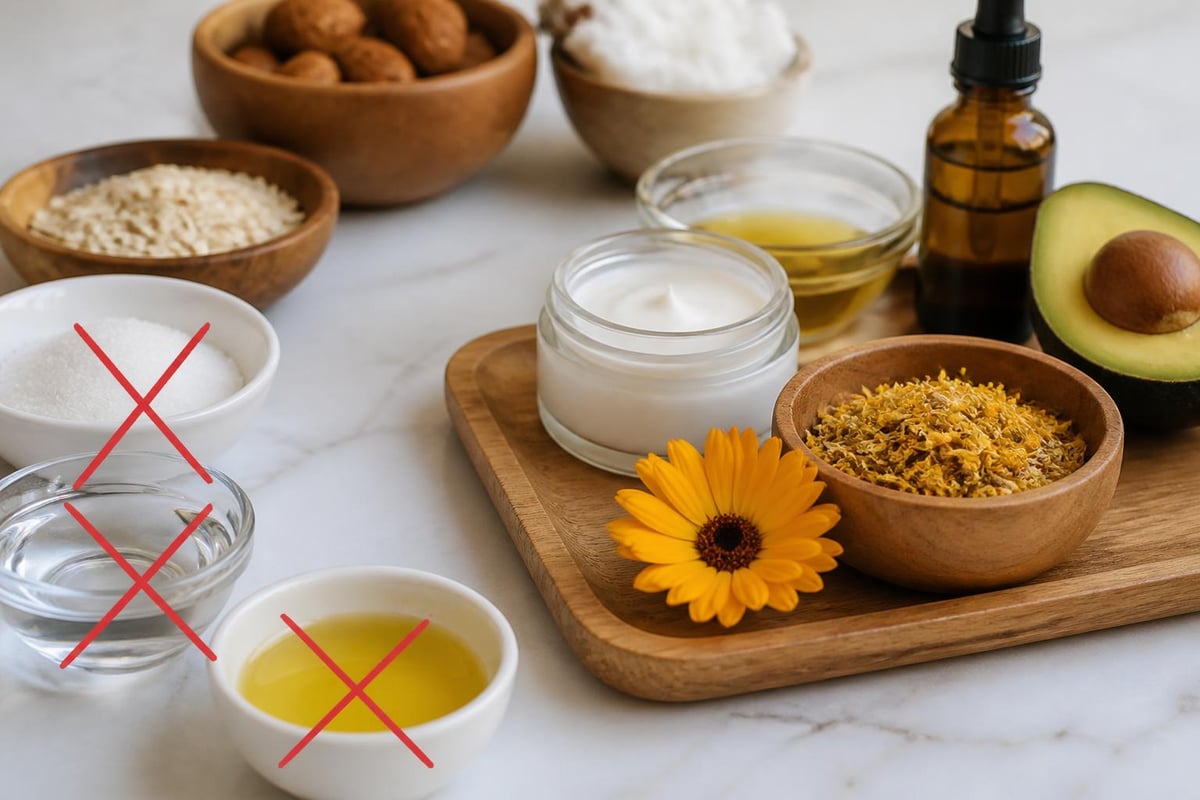
| Beneficial Ingredients | Ingredients to Avoid |
|---|---|
| Calendula extract (2-5%+) | Artificial fragrances |
| Colloidal oatmeal | Parabens |
| Natural oils (jojoba, sunflower) | Sulfates |
| Shea butter | Denatured alcohol |
| Vitamin E | Synthetic dyes |
| Glycerin | Formaldehyde releasers |
Certification and testing provide additional assurance. Products labeled "hypoallergenic" and "dermatologist-tested" have undergone evaluation for safety on sensitive skin. Organic certification ensures the calendula was grown without pesticides that could contaminate the final product.
Application Techniques for Maximum Benefit
Using baby eczema and calming with calendula cream effectively requires proper technique. How you apply the product influences how well it works.
Timing proves crucial for optimal results. The most effective moment to apply calendula cream is immediately after bathing, while your baby's skin remains slightly damp. This traps water against the skin, maximizing hydration while allowing the calendula's active compounds to penetrate more effectively.
Step-by-Step Application Method
- Gently pat skin dry after bath time, leaving it slightly moist rather than completely dry
- Warm a small amount of calendula cream between your palms to improve spreadability
- Apply in gentle downward strokes following the direction of hair growth to avoid irritating follicles
- Focus on affected areas but don't neglect surrounding healthy skin to prevent spread
- Use generous amounts without rubbing vigorously; let the cream absorb naturally
- Reapply as needed, typically 2-3 times daily or whenever skin appears dry
The amount you use matters as much as application frequency. Many parents under-apply moisturizers, reducing their effectiveness. A good rule suggests using enough cream so the skin appears slightly shiny after application.
During acute flares, increase application frequency to every few hours. Between flares, maintain twice-daily application as preventive care. Expert guidance on treating baby eczema emphasizes that consistent moisturization forms the cornerstone of effective eczema management.
Consider layering techniques for severe dryness. After applying calendula cream, you might add a thin layer of petroleum jelly over particularly stubborn patches. This "occlusive" layer seals in the calendula's benefits.
Integrating Calendula into a Comprehensive Eczema Care Routine
While calendula cream offers significant benefits, baby eczema and calming with calendula cream works best within a holistic skincare approach. Think of calendula as one powerful tool in your eczema management toolkit.
Bathing practices set the foundation for healthy skin. Keep bath water lukewarm rather than hot, limit bathing to 5-10 minutes, and use fragrance-free, gentle cleansers sparingly. Some parents add colloidal oatmeal or a few drops of calendula tincture to bathwater for additional soothing benefits.
Clothing choices influence comfort levels throughout the day. Dress your baby in soft, breathable fabrics like cotton rather than wool or synthetic materials that can irritate. Wash new clothes before wearing to remove manufacturing chemicals, and use fragrance-free, hypoallergenic detergents.
Environmental modifications reduce trigger exposure:
- Maintain indoor humidity between 40-50% using a humidifier
- Keep room temperatures moderate to prevent overheating
- Use dust mite covers on mattresses and pillows
- Vacuum regularly with HEPA filters
- Consider air purifiers in baby's room
Diet considerations deserve attention, particularly for breastfeeding mothers. Some babies show improvement when mothers eliminate common allergens like dairy, eggs, or nuts from their diets. Consult a pediatrician before making significant dietary changes.
Monitor your baby's unique pattern of flares. Keep a simple journal noting when eczema worsens, what preceded the flare, and which interventions helped. This personalized data helps identify specific triggers and effective responses.
Many families find that natural skincare solutions align with their values while providing effective relief. The gentle, plant-based approach complements babies' delicate systems.
When to Seek Additional Medical Support
While calendula cream helps many babies with mild to moderate eczema, certain situations require professional medical evaluation. Recognizing when home care isn't sufficient protects your baby's health and prevents complications.
Immediate medical attention becomes necessary if you notice:
- Signs of infection (increased warmth, pus, yellow crusting, fever)
- Widespread rash covering large body areas
- Severe bleeding from scratched areas
- Eczema appearing around the eyes or causing vision problems
- Baby showing signs of dehydration from extensive skin damage
For persistent or worsening eczema despite consistent calendula use and proper skincare, schedule a pediatric dermatology consultation. Some babies require prescription treatments alongside natural approaches.
Alternative treatment options include topical calcineurin inhibitors for cases where conventional therapies prove insufficient. Your dermatologist might recommend combining these with calendula cream for complementary benefits.
Testing for allergies sometimes reveals unexpected triggers. If your baby's eczema doesn't respond to standard interventions, allergy testing might identify specific foods or environmental factors driving the condition.
Remember that eczema often improves as children age. Many babies outgrow the condition by school age, though some continue experiencing symptoms into adulthood. Patience and consistency with treatment yield the best outcomes.

Real Parent Experiences and Success Stories
Understanding how baby eczema and calming with calendula cream works in real-world situations helps set realistic expectations. Many parents report significant improvements, though individual results vary.
Sarah, a mother from Manchester, shared her experience: "My daughter developed eczema at three months. After trying several products that either didn't work or contained ingredients I wasn't comfortable with, we switched to calendula cream. Within a week, the red patches on her cheeks had calmed noticeably. We still get occasional flares during weather changes, but they're much milder now."
Not every baby responds identically to calendula. Some parents notice dramatic improvement within days, while others see gradual progress over weeks. The key lies in consistent application and realistic patience.
Common themes emerge from parent testimonials:
- Reduced nighttime scratching leading to better sleep for the whole family
- Softer, more comfortable skin even in areas prone to dryness
- Fewer severe flare-ups when using calendula preventively
- Peace of mind from using gentle, natural ingredients
Some parents combine calendula with other natural approaches. One father reported success using calendula cream after wet wrap therapy, finding the combination particularly effective for stubborn patches.
Understanding Product Labels and Quality Standards
Navigating the calendula cream market requires some label-reading skills. Understanding what certifications and claims actually mean protects you from ineffective or potentially problematic products.
Organic certification indicates the calendula was grown without synthetic pesticides or fertilizers. Organizations like USDA Organic or Soil Association provide reliable certification. However, "natural" alone carries no regulatory meaning and doesn't guarantee quality.
Hypoallergenic suggests the product underwent testing to minimize allergic reactions, though no product can guarantee zero allergic potential. Some babies might still react to even hypoallergenic formulations.
Look for products manufactured under Good Manufacturing Practices (GMP) standards. This ensures consistent quality and safety protocols during production.
Third-party testing adds credibility. Some brands voluntarily submit products for independent testing to verify purity, potency, and safety. Certificates of Analysis (COAs) provide detailed information about exactly what's in each batch.
Expiration dates matter more than many parents realize. Calendula's active compounds degrade over time, reducing effectiveness. Natural products typically have shorter shelf lives than synthetic alternatives because they lack harsh preservatives. Use calendula cream within 6-12 months of opening for best results.
Complementary Natural Ingredients That Enhance Calendula
While calendula provides excellent benefits alone, certain companion ingredients create synergistic effects when combined in formulations designed for baby eczema and calming with calendula cream.
Chamomile shares calendula's anti-inflammatory properties while adding gentle calming effects. Research on chamomile cream for atopic eczema demonstrates its therapeutic potential. When paired with calendula, the two botanicals work together to reduce inflammation more effectively than either alone.
Chickweed offers cooling, anti-itch properties that complement calendula's healing action. This humble herb has been used traditionally for various skin irritations and provides rapid relief from the maddening itch that troubles eczema babies.
Other beneficial additions include:
- Plantain leaf for its wound-healing and anti-inflammatory properties
- Lavender (in very low concentrations) for its antimicrobial benefits
- Coconut oil providing lauric acid's natural antibacterial effects
- Aloe vera adding cooling hydration and promoting skin repair
Some formulations incorporate probiotics topically, based on emerging research suggesting that beneficial bacteria might help restore skin barrier function and reduce inflammation.
Making Calendula Cream Part of Your Daily Routine
Consistency transforms baby eczema and calming with calendula cream from an occasional treatment into an effective management strategy. Building the application into your daily routine ensures your baby receives maximum benefit.
Morning routine: After your baby's diaper change and any gentle cleansing, apply calendula cream to all eczema-prone areas. This creates a protective barrier before dressing that lasts through morning activities.
Post-bath application represents the most critical daily application. The combination of clean, damp skin and calendula's moisturizing properties delivers optimal results.
Bedtime reapplication gives the cream hours to work uninterrupted while your baby sleeps. Consider slightly heavier application at night, when clothing won't absorb the cream before it penetrates.
Keep calendula cream in convenient locations throughout your home. Having a tube in the diaper bag, bedroom, and main living area ensures you never skip an application due to inconvenience.
Many parents find that making application a bonding moment rather than a chore improves compliance. Gentle massage while applying cream, combined with songs or playful interaction, transforms treatment time into quality connection.
Long-Term Eczema Management and Prevention
Understanding baby eczema and calming with calendula cream extends beyond treating current flares to preventing future outbreaks. Long-term management requires strategic thinking about your baby's overall skin health.
Preventive application proves more effective than reactive treatment. Continue using calendula cream even when skin appears clear, maintaining the barrier function and reducing flare frequency.
As your baby grows, their eczema patterns will likely evolve. Some children outgrow facial eczema but develop it in creases of elbows and knees. Adapt your calendula application to follow these changing patterns.
Seasonal adjustments help maintain control. Winter's dry air typically worsens eczema, requiring more frequent application and possibly thicker formulations. Summer brings challenges like heat rash and chlorine exposure that need different strategies.
Track improvements and setbacks. This data helps you refine your approach, identifying what truly helps your specific baby versus what marketing promises suggest.
Building a relationship with a trusted natural skincare provider ensures you have reliable access to quality calendula products. Companies specializing in natural remedies often provide better formulations than mass-market alternatives.
For families exploring comprehensive natural wellness approaches, calendula cream represents one component of a broader philosophy valuing gentle, plant-based solutions that work with rather than against the body's natural processes.
Managing baby eczema requires patience, consistency, and gentle care that respects your infant's delicate skin. Calendula cream offers a time-tested, natural approach that many families find both effective and aligned with their values. When you're ready to explore high-quality, thoughtfully formulated natural skincare solutions for your baby's sensitive skin, Sinusoothe Ltd provides expertly crafted products designed with both effectiveness and safety in mind.