
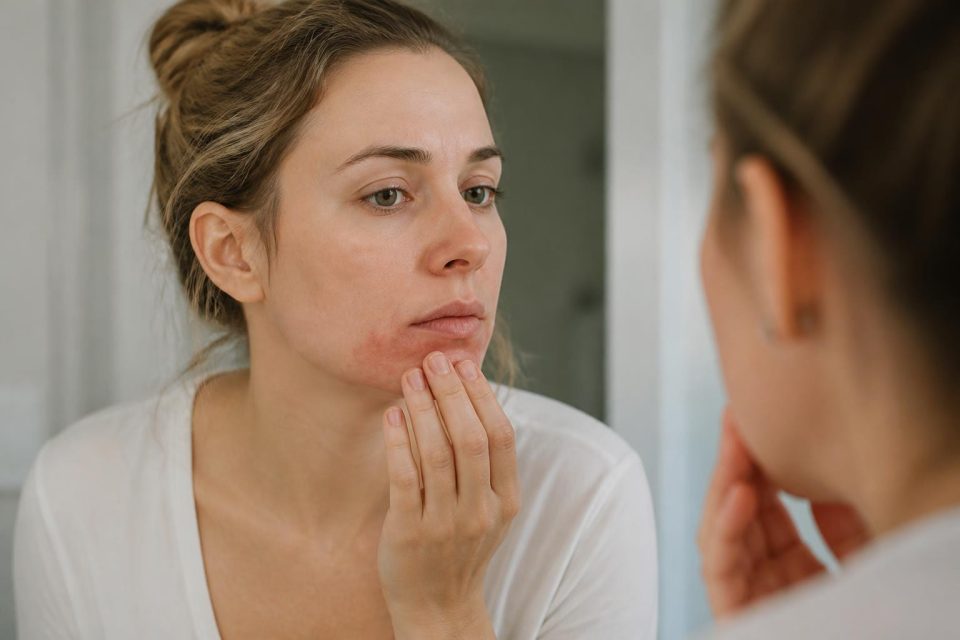
If you've noticed red, bumpy rashes around your mouth that seem to flare up like clockwork before your period, you're not imagining things. The connection between hormonal fluctuations and skin conditions is more profound than many realize, and understanding why premenstrual tension causes perioral dermatitis can be the first step toward finding relief. This cyclical skin condition affects countless individuals who menstruate, creating a frustrating pattern of inflammation that coincides with hormonal changes. Let's explore the science behind this connection and discover how you can regain control over your skin health.
The Hormonal Foundation of Skin Health
Your skin is far more than a simple protective barrier. It's actually a hormone-responsive organ equipped with receptors that react to every shift in your endocrine system.
During your menstrual cycle, estrogen and progesterone levels fluctuate dramatically. These hormones don't just affect your reproductive system; they influence sebum production, skin barrier function, and inflammatory responses throughout your body.
Key hormonal changes that impact skin:
- Estrogen peaks during ovulation, promoting collagen production and skin hydration
- Progesterone rises in the luteal phase, increasing oil production
- Both hormones drop sharply before menstruation, triggering inflammatory cascades
- Cortisol levels may spike due to premenstrual stress, compounding inflammation
The week before menstruation represents a perfect storm for skin disruption. According to Harvard Health’s overview of perioral dermatitis, hormonal fluctuations are recognized as a significant trigger for this condition, particularly in individuals with sensitive skin.
Understanding Perioral Dermatitis
Perioral dermatitis manifests as small, red, sometimes scaly bumps concentrated around the mouth, though it can also appear near the nose and eyes. Unlike typical acne, these bumps often have a burning or tight sensation rather than being painful or itchy.
This condition affects women more frequently than men, with onset typically occurring between ages 15 and 45 – the primary reproductive years. The correlation isn't coincidental.
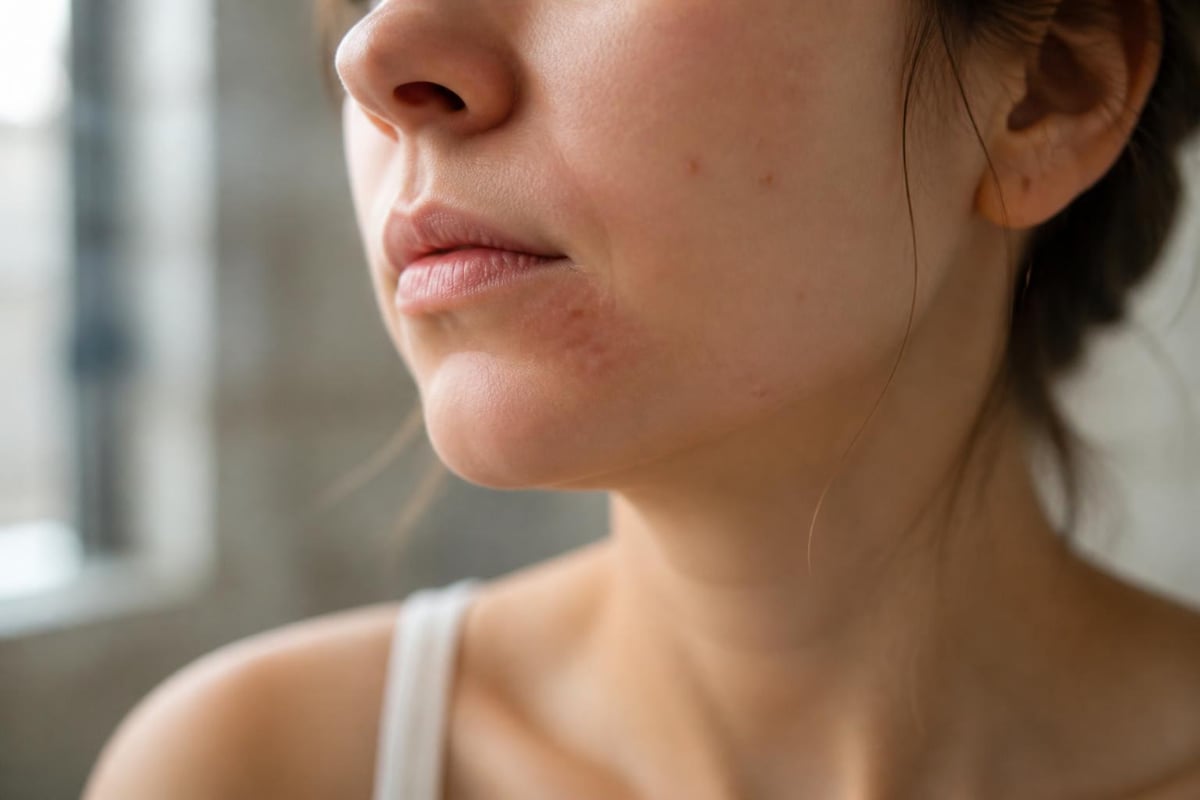
Why Premenstrual Tension Causes Perioral Dermatitis
The mechanism behind why premenstrual tension causes perioral dermatitis involves multiple interconnected factors that create the perfect environment for skin inflammation.
Progesterone's Role in Skin Disruption
As progesterone surges during the luteal phase (the two weeks before your period), your skin undergoes several changes:
- Increased sebum production – Progesterone stimulates sebaceous glands, creating more oil that can trap bacteria and irritants
- Altered skin pH – Hormonal shifts change your skin's acid mantle, weakening its protective barrier
- Reduced skin permeability – The skin becomes less effective at eliminating toxins and maintaining moisture balance
- Inflammatory mediator release – Progesterone can trigger mast cell activation, releasing histamines and other inflammatory compounds
This hormonal environment makes the delicate facial skin particularly vulnerable to irritation. When combined with premenstrual tension and the stress hormones it generates, the inflammatory response intensifies.
The Cortisol Connection
Premenstrual tension isn't just emotional; it's biochemical. The anxiety, irritability, and stress many experience before menstruation trigger cortisol release. This stress hormone directly impacts skin health by:
- Compromising the skin barrier function
- Increasing inflammation throughout the body
- Disrupting the skin's microbiome balance
- Reducing the skin's ability to heal and regenerate
Research shows that perioral dermatitis symptoms often worsen during periods of stress, creating a vicious cycle where hormonal stress triggers skin inflammation, which causes more stress, perpetuating the condition.
Microbiome Disruption
Your skin's microbiome – the ecosystem of beneficial bacteria living on your skin – plays a crucial role in maintaining skin health. Hormonal fluctuations alter the skin's pH and moisture levels, which directly impacts this delicate bacterial balance.
| Hormone Phase | Skin pH | Microbiome Impact | Dermatitis Risk |
|---|---|---|---|
| Follicular | Slightly acidic (4.5-5.5) | Balanced | Low |
| Ovulation | More alkaline | Temporarily disrupted | Moderate |
| Luteal | Alkaline shift | Significant disruption | High |
| Menstruation | Return to acidic | Recovery begins | Moderate-High |
When your skin's microbiome becomes unbalanced during the premenstrual phase, opportunistic bacteria and fungi can proliferate, contributing to the inflammatory response characteristic of perioral dermatitis.
Identifying Your Triggers
Understanding why premenstrual tension causes perioral dermatitis means recognizing that hormones rarely act alone. Several aggravating factors commonly combine with hormonal fluctuations to trigger flare-ups.
Common contributing factors:
- Fluoride in toothpaste or drinking water
- Heavy moisturizers or occlusive facial products
- Topical corticosteroids (ironically often prescribed for skin conditions)
- Makeup and cosmetics containing irritating ingredients
- Sodium lauryl sulfate in cleansers
- Environmental factors like wind, sun, or extreme temperatures
Many people find that products they tolerate perfectly well during most of their cycle suddenly cause irritation in the week before menstruation. This heightened sensitivity reflects the compromised skin barrier function associated with premenstrual hormonal changes.
If you're dealing with skin care for combination skin, the hormonal fluctuations can make managing your skin even more challenging, as oil production varies dramatically throughout your cycle.
Tracking Patterns
Creating a skin diary can reveal powerful insights into your personal triggers. Track these elements:
- Your menstrual cycle dates and phases
- Perioral dermatitis flare-ups and their severity
- Products applied to your face
- Stress levels and sleep quality
- Dietary changes or new foods introduced
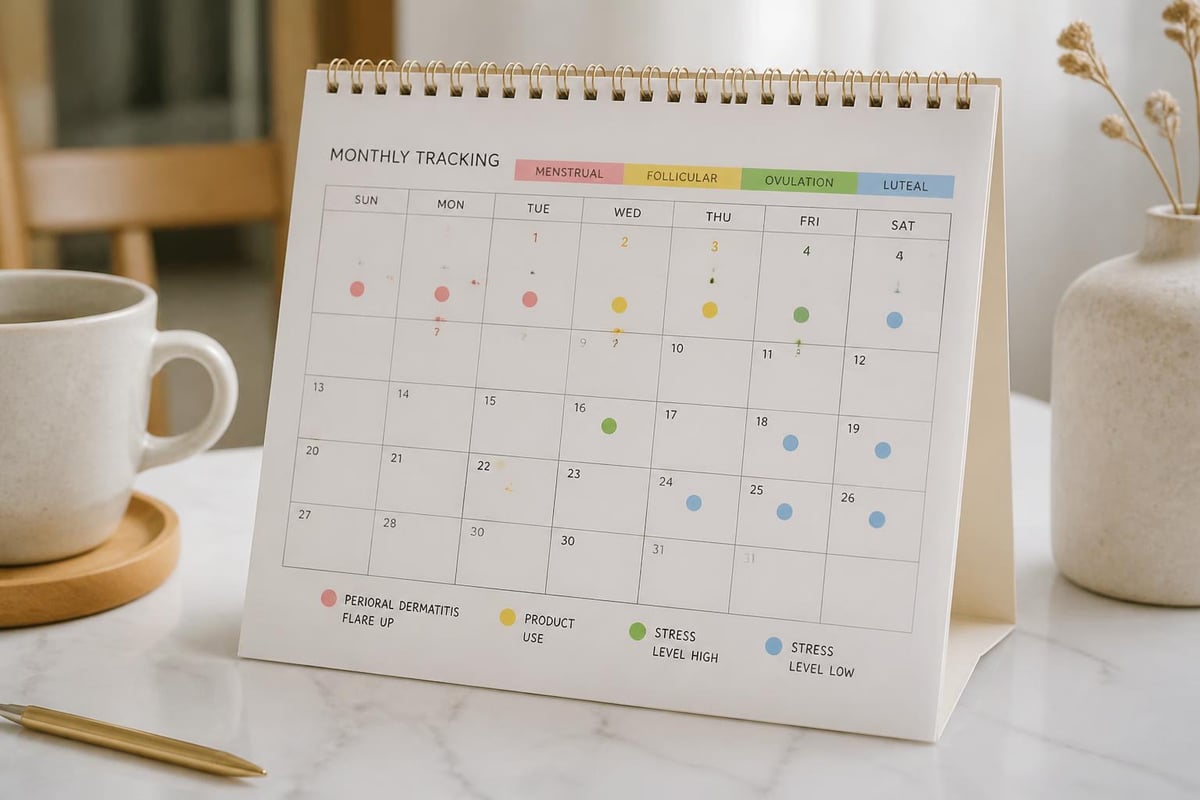
After three months of tracking, patterns typically emerge that help you predict and prevent flare-ups rather than just reacting to them.
Natural Approaches to Managing Cyclical Perioral Dermatitis
Once you understand why premenstrual tension causes perioral dermatitis, you can implement targeted strategies that address the root hormonal causes rather than just suppressing symptoms.
Simplify Your Skincare Routine
During the premenstrual phase, less is genuinely more. Your compromised skin barrier cannot handle the product load it might tolerate at other times.
Minimal routine essentials:
- Gentle, fragrance-free cleanser (avoid SLS)
- Simple, barrier-supporting moisturizer
- Mineral-based sunscreen without chemical filters
- Targeted treatment for active breakouts only
WebMD’s guidance on perioral dermatitis emphasizes the importance of eliminating irritating products, particularly during hormonal fluctuation periods.
Consider switching to face serums for sensitive skin that contain minimal ingredients and avoid common irritants that can exacerbate perioral dermatitis during vulnerable phases of your cycle.
Support Your Hormonal Balance
While you cannot eliminate normal hormonal fluctuations, you can support your body's ability to metabolize and balance hormones more effectively.
Natural hormone-balancing strategies:
- Evening primrose oil – Contains gamma-linolenic acid that may reduce inflammatory prostaglandins
- Vitamin B6 – Supports neurotransmitter production and may ease premenstrual tension
- Magnesium – Often depleted before menstruation; supplementation may reduce cortisol
- Zinc – Essential for skin healing and immune function; levels drop premenstrually
- Omega-3 fatty acids – Reduce inflammatory responses throughout the body
Diet plays a significant role too. Cruciferous vegetables like broccoli and cauliflower contain compounds that support estrogen metabolism, potentially reducing the severity of hormonal fluctuations.
Stress Management Techniques
Since cortisol amplifies the inflammatory response that drives perioral dermatitis, managing premenstrual tension becomes crucial for skin health.
Research-backed stress reduction methods include:
- Daily meditation or mindfulness practice (even 10 minutes helps)
- Regular exercise, particularly in the follicular phase when energy is higher
- Adequate sleep prioritization (aim for 7-9 hours)
- Adaptogenic herbs like ashwagandha or rhodiola
- Structured habit transformation through programs like DoReset, which helps establish sustainable stress-management routines
The connection between mental state and skin health cannot be overstated. Many individuals find that implementing comprehensive stress management significantly reduces the severity of cyclical skin flare-ups.
Treatment Considerations and Medical Interventions
Understanding why premenstrual tension causes perioral dermatitis helps inform treatment decisions, whether you're pursuing natural approaches or working with medical professionals.
When to Seek Professional Help
While mild perioral dermatitis often responds to gentle skincare and lifestyle modifications, persistent or severe cases warrant professional evaluation.
Indicators for medical consultation:
- Flare-ups lasting longer than two weeks
- Spreading beyond the perioral area
- Significant pain, burning, or itching
- Scarring or pigmentation changes
- No improvement after three months of home management
- Interference with daily life or significant distress
Medical News Today’s comprehensive review outlines various treatment approaches, from topical antibiotics to systemic medications that may be necessary for moderate to severe cases.
Medical Treatment Options
Dermatologists may recommend several evidence-based treatments:
| Treatment Type | Mechanism | Timeline | Considerations |
|---|---|---|---|
| Topical antibiotics | Reduce bacterial overgrowth | 6-12 weeks | Metronidazole or erythromycin most common |
| Oral antibiotics | Systemic anti-inflammatory | 8-12 weeks | Tetracycline family; avoid during pregnancy |
| Topical calcineurin inhibitors | Reduce inflammation without steroids | 4-8 weeks | Useful when steroids caused the condition |
| Azelaic acid | Anti-inflammatory and antimicrobial | 6-12 weeks | Can be combined with other treatments |
It's crucial to note that topical steroids typically worsen perioral dermatitis despite initially appearing to help. Many cases actually develop after prolonged steroid use on the face.
Integrating Natural and Medical Approaches
The most successful outcomes often combine medical treatment with natural supportive measures. While antibiotics address bacterial overgrowth, simultaneously supporting hormonal balance and reducing premenstrual tension can prevent future flare-ups.
If you've experienced contact dermatitis from allergic reactions, you already understand how multiple factors contribute to skin inflammation. The same holistic approach benefits perioral dermatitis management.
Preventive Strategies for Long-Term Management
Prevention surpasses treatment when dealing with cyclical conditions. By anticipating hormonal fluctuations, you can implement protective measures before inflammation begins.
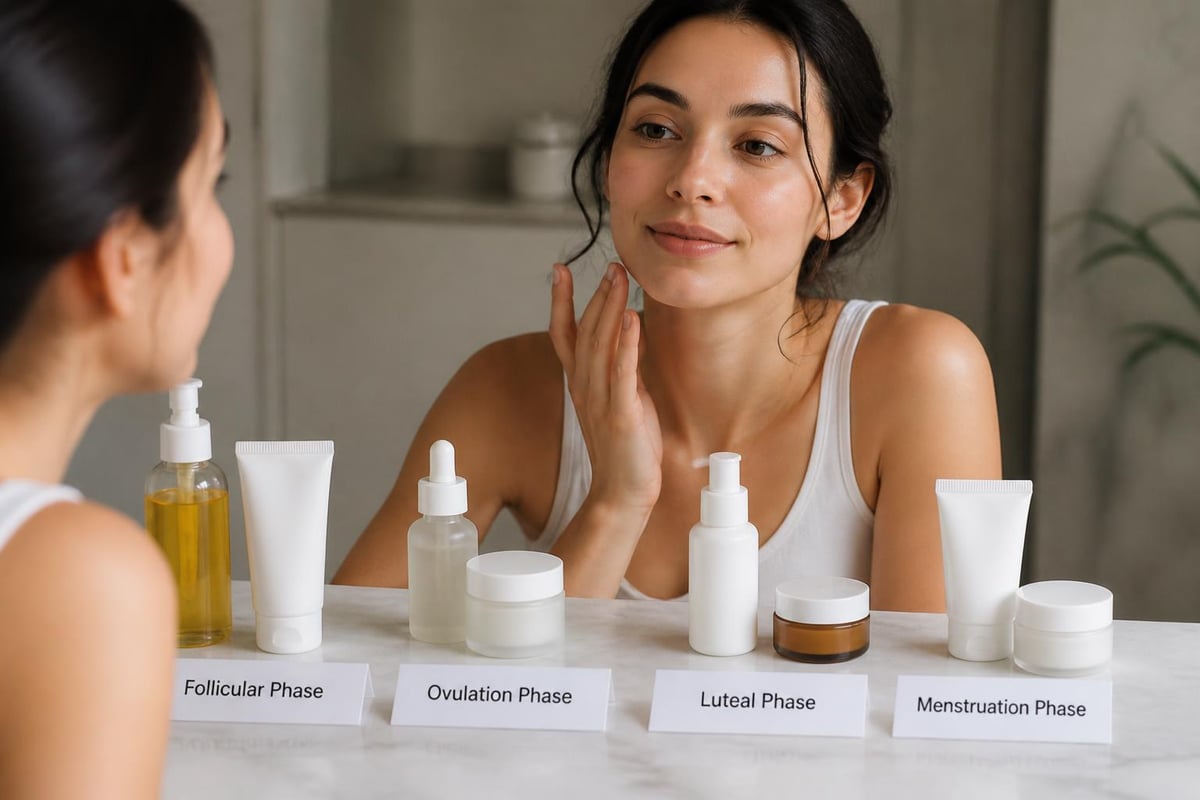
Cycle-Synced Skincare
Adjust your routine based on where you are in your menstrual cycle:
Follicular phase (days 1-14):
- Skin tolerates actives better
- Appropriate time for gentle exfoliation
- Introduce new products if needed
- Focus on hydration and nourishment
Ovulation (mid-cycle):
- Skin typically at its best
- Maintain simplified routine
- Prepare for upcoming sensitivity
Luteal phase (days 15-28):
- Simplify to essentials only
- Avoid new products or treatments
- Focus on barrier protection
- Increase anti-inflammatory support
Menstruation:
- Continue gentle, minimal approach
- Support skin recovery
- Begin reintroducing products cautiously
This cyclical approach acknowledges that why premenstrual tension causes perioral dermatitis relates to timing-specific vulnerabilities rather than constant skin sensitivity.
Building Skin Resilience
Long-term management focuses on strengthening your skin's overall resilience so it can better withstand hormonal fluctuations.
Resilience-building practices:
- Consistent use of gentle, pH-balanced cleansers
- Regular application of ceramide-rich moisturizers to support barrier function
- Daily mineral sunscreen to prevent additional inflammation
- Probiotic skincare products to support microbiome health
- Antioxidant-rich serums containing niacinamide or green tea extract
- Adequate hydration (half your body weight in ounces of water daily)
The skin you have today reflects choices made weeks or months ago. Building resilience requires patience and consistency, but the payoff is skin that remains calmer through hormonal fluctuations.
Lifestyle Factors That Matter
Beyond topical skincare, several lifestyle factors significantly influence whether premenstrual tension triggers perioral dermatitis flare-ups.
Diet considerations:
- Reduce inflammatory foods (refined sugar, processed oils, excess dairy)
- Increase anti-inflammatory foods (wild fish, leafy greens, berries, nuts)
- Maintain stable blood sugar to prevent cortisol spikes
- Consider an elimination diet if food sensitivities are suspected
- Stay adequately hydrated throughout your cycle
Environmental modifications:
- Use a humidifier in dry climates or heated indoor spaces
- Protect your face from harsh wind and extreme cold
- Avoid touching your face unnecessarily
- Wash pillowcases frequently in fragrance-free detergent
- Consider water filtration if high fluoride content is suspected
These seemingly small adjustments accumulate into significant impact over time, particularly when implemented consistently across multiple menstrual cycles.
The Mind-Skin Connection
The relationship between emotional well-being and skin health deserves special attention when exploring why premenstrual tension causes perioral dermatitis. Your skin literally reflects your internal state.
Premenstrual tension triggers the hypothalamic-pituitary-adrenal (HPA) axis, releasing cortisol and other stress hormones that directly compromise skin barrier function and increase inflammatory markers. This creates a feedback loop where skin concerns cause more stress, which worsens skin inflammation.
Breaking this cycle requires addressing both the physical and emotional components of premenstrual tension. Cognitive-behavioral techniques, mindfulness practices, and even professional counseling can reduce the severity of premenstrual symptoms, indirectly benefiting skin health.
Many individuals find that comprehensive lifestyle transformation programs help establish the sustainable habits needed for long-term skin health. The cumulative effect of improved sleep, stress management, nutrition, and self-care practices creates an internal environment less prone to inflammatory flare-ups.
Navigating Social and Emotional Impacts
Living with cyclical perioral dermatitis affects more than just physical comfort. The predictable yet frustrating pattern of flare-ups can impact self-confidence, social interactions, and emotional well-being.
Coping strategies that help:
- Remember that most people notice your skin far less than you do
- Focus on what you can control (routine, stress, sleep) rather than what you can't (hormonal cycles)
- Connect with others experiencing similar challenges through support groups
- Practice self-compassion during flare-ups rather than self-criticism
- Educate close friends and family about the hormonal nature of your condition
Understanding the biological basis of why premenstrual tension causes perioral dermatitis can itself provide relief. You're not doing something wrong; your skin is responding to normal hormonal fluctuations in a way that's predictable and manageable.
Understanding the connection between hormonal fluctuations and skin inflammation empowers you to take proactive steps rather than feeling helpless against cyclical flare-ups. By supporting your body's natural hormone balance, managing premenstrual stress, and protecting your skin barrier during vulnerable phases of your cycle, you can significantly reduce the frequency and severity of perioral dermatitis. If you're seeking natural skincare solutions specifically formulated for sensitive, reactive skin that honors your body's cyclical nature, explore the gentle, effective products at Sinusoothe Ltd designed to support your skin through every phase of your cycle.