

Watching your baby struggle with eczema can break any parent's heart. Those red, itchy patches that appear on their delicate skin often leave both baby and parents feeling frustrated and exhausted. While prescription treatments exist, many families are turning to soothing natural creams for baby eczema as their first line of defense. These gentle formulations harness the power of plant-based ingredients to calm inflammation, restore moisture, and support the skin's natural healing process without harsh chemicals. Understanding which natural ingredients work best and how to use them effectively can make all the difference in managing your little one's eczema symptoms.
Understanding Baby Eczema and Why Natural Solutions Matter
Baby eczema, medically known as atopic dermatitis, affects up to 20% of infants worldwide. This chronic skin condition appears as dry, scaly patches that can become intensely itchy and uncomfortable.
The Root Causes Behind Baby Eczema
Several factors contribute to eczema development in infants:
- Genetic predisposition from family history of allergies or asthma
- Impaired skin barrier function allowing moisture loss and irritant penetration
- Environmental triggers including harsh soaps, fragrances, and temperature changes
- Food sensitivities that may exacerbate symptoms in some babies
- Overactive immune response causing inflammation
The skin barrier in babies is significantly thinner and more permeable than adult skin, making it particularly vulnerable to moisture loss and external irritants. This is why choosing the right moisturizing cream becomes absolutely critical.
Why Parents Choose Natural Formulations
Traditional eczema treatments often contain steroids, petroleum-based ingredients, or synthetic preservatives that some parents prefer to avoid for their infants. Natural creams offer a gentler approach, working with the skin's biology rather than suppressing symptoms through pharmaceutical intervention.
Many parents discover that natural baby products provide effective relief while minimizing exposure to potentially irritating chemicals. The transparency of natural skincare brands also appeals to families who want to know exactly what they're applying to their baby's sensitive skin.
Essential Natural Ingredients That Actually Work
Not all natural ingredients are created equal when it comes to treating baby eczema. Scientific research has identified specific plant-based compounds that demonstrably reduce inflammation and support skin barrier repair.
Colloidal Oatmeal: The Gold Standard
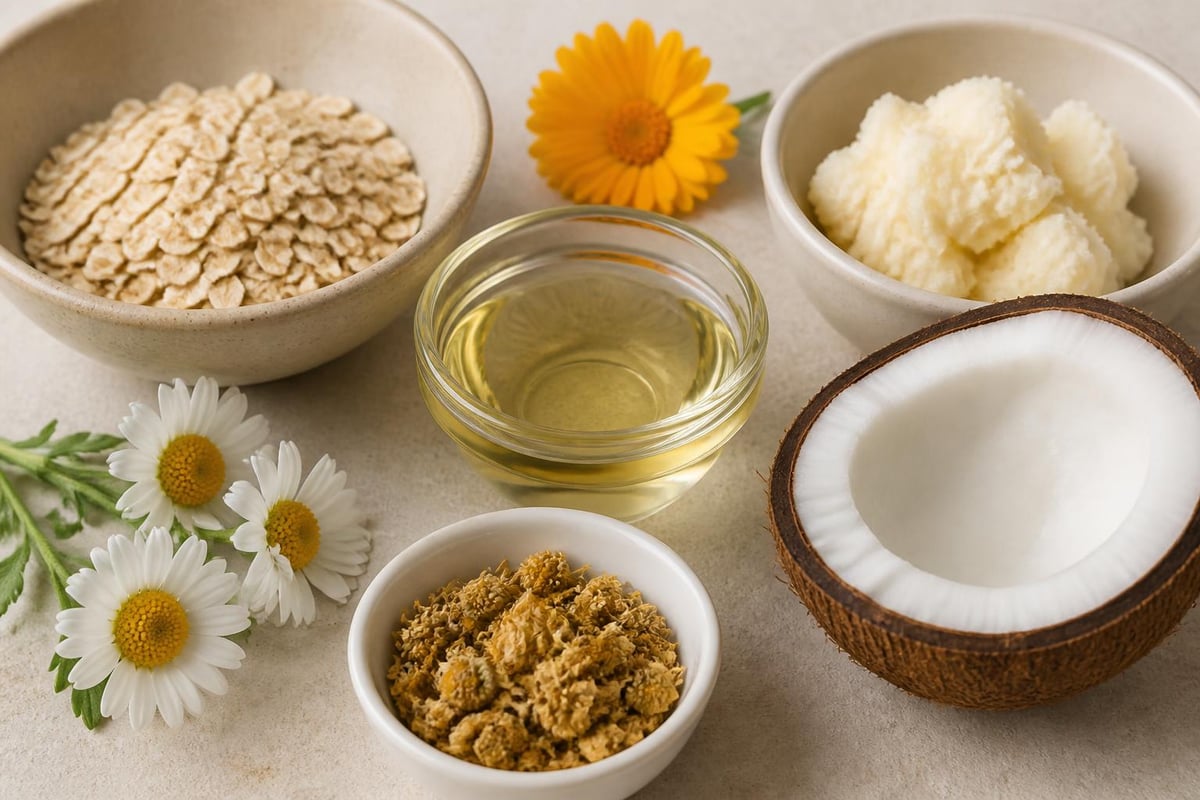
Colloidal oatmeal stands out as one of the most researched and effective natural remedies for eczema. This finely ground oat powder contains beta-glucan, a polysaccharide with proven anti-inflammatory properties.
When applied topically, colloidal oatmeal creates a protective barrier on the skin while delivering antioxidants called avenanthramides. These compounds reduce itching, redness, and scaling. The FDA has actually recognized colloidal oatmeal as a skin protectant, giving it credibility beyond anecdotal evidence.
Natural remedies for baby eczema frequently feature colloidal oatmeal as a primary ingredient because it works for even the most sensitive skin types.
Calendula and Chamomile: Nature's Anti-Inflammatories
These botanical powerhouses have been used for centuries to calm irritated skin. Calendula officinalis contains flavonoids and triterpenoids that accelerate wound healing and reduce inflammation. Chamomile, particularly German chamomile, offers similar benefits through compounds like bisabolol and chamazulene.
Together, these herbs create a synergistic effect that soothes eczema flare-ups without causing sensitization. Products like Calmiglow Kids Tallow Cream harness these herbs to protect children's delicate skin naturally.
Plant-Based Butters and Oils
Shea butter, cocoa butter, and specific oils play crucial roles in eczema management:
| Ingredient | Primary Benefit | Why It Works |
|---|---|---|
| Shea Butter | Deep moisturization | High concentration of fatty acids and vitamins A and E |
| Coconut Oil | Antimicrobial protection | Lauric acid reduces staph bacteria common in eczema |
| Sunflower Oil | Barrier repair | Linoleic acid strengthens skin structure |
| Jojoba Oil | Non-greasy hydration | Molecular structure similar to skin's natural sebum |
Understanding how coconut oil benefits skin helps parents appreciate why it appears in so many natural eczema formulations.
How to Choose the Right Soothing Natural Creams for Baby Eczema
Walking into a natural baby store or browsing online can feel overwhelming. Hundreds of products claim to solve eczema, but how do you separate marketing from genuine efficacy?
Reading Labels Like a Pro
Start by examining the ingredient list, which appears in descending order by concentration. The first five ingredients matter most, as they comprise the bulk of the formula.
Red flags to avoid:
- Fragrance or parfum (even "natural" fragrances can irritate)
- Essential oils in high concentrations
- Common allergens like nut oils if your baby has known sensitivities
- Alcohol derivatives that dry skin
- Synthetic preservatives like parabens
Green flags to seek:
- Certified organic ingredients
- Minimal ingredient lists (fewer items mean less chance of reaction)
- Third-party testing certifications
- Clear identification of active ingredients
Products like Mustela’s Stelatopia Emollient Face Cream exemplify transparency, clearly listing their plant-based ingredients and their purpose.
Texture and Absorption Rates Matter
Eczema-prone skin needs occlusive protection to lock in moisture, but the cream also needs to absorb well enough for practical daytime use. Consider:
- Thick ointments work best at night when absorption time doesn't matter
- Medium-weight creams balance protection with wearability for daytime
- Light lotions may not provide sufficient barrier protection for severe eczema
Testing texture on your own wrist before applying to baby's face helps you gauge absorption without risking irritation.
Application Techniques That Maximize Effectiveness
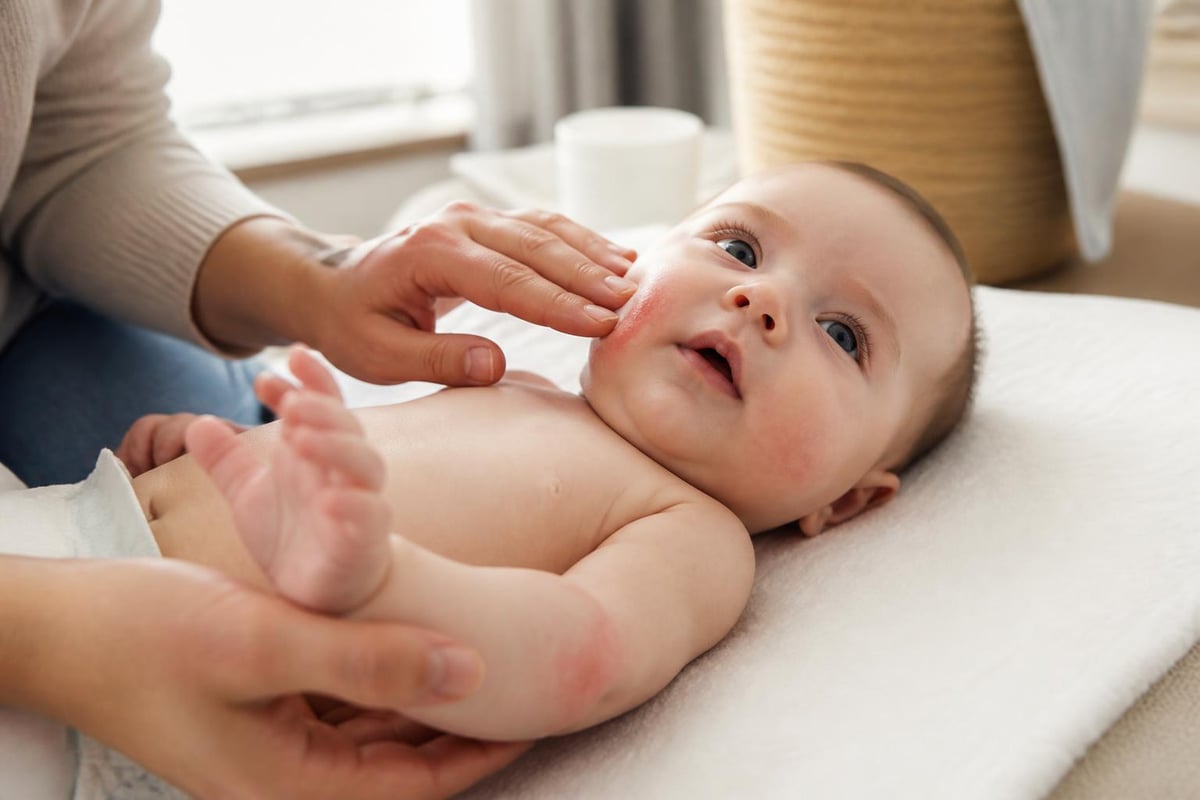
Even the best soothing natural creams for baby eczema won't work optimally if applied incorrectly. Technique matters as much as formulation.
The "Soak and Seal" Method
Dermatologists recommend this approach for maximum moisture retention:
- Bath your baby in lukewarm water for 5-10 minutes (not longer, as excessive water exposure can dry skin)
- Pat skin gently with a soft towel, leaving it slightly damp
- Apply cream immediately within three minutes while skin is still moist
- Use generous amounts – don't be stingy with natural creams
- Reapply throughout the day as needed, especially after diaper changes
This method, detailed in guides on natural baby eczema treatments, traps water in the skin cells while the cream creates a protective seal.
Strategic Timing for Best Results
Apply creams at these key moments:
- Immediately after baths
- Before bedtime for overnight healing
- After each diaper change on affected areas
- Before going outside in cold or windy weather
- Whenever you notice skin starting to look dry
Consistency matters more than any single application. Think of it as preventative maintenance rather than reactive treatment.
Top Formulations and What Makes Them Stand Out
While we won't create a ranked list (every baby's skin responds differently), certain formulations have earned strong reputations among parents dealing with eczema.
Understanding Different Formula Philosophies
Natural eczema creams generally fall into these categories:
Minimalist formulations contain just 3-5 ingredients, reducing reaction risk. Graham’s Natural Baby Eczema Cream follows this philosophy, focusing on skin's natural healing process with fewer ingredients.
Herbally-enriched creams combine base moisturizers with botanical extracts targeting inflammation. These often include calendula, chamomile, or lavender.
Tallow-based options use rendered animal fat rich in vitamins A, D, E, and K. While unconventional, tallow's fatty acid profile closely mimics human skin composition, making it highly compatible.
Homemade alternatives appeal to parents who want complete control. DIY eczema cream recipes using ingredients like oatmeal, aloe vera, and shea butter provide customization options.
Specialized Creams for Different Body Areas
Not all eczema patches are equal. Face eczema requires different formulations than body eczema due to proximity to eyes and mouth.
| Area | Considerations | Best Formulation Type |
|---|---|---|
| Face | Must be gentle near eyes; baby may touch face then mouth | Light, fragrance-free creams with minimal ingredients |
| Diaper area | Needs barrier against moisture and friction | Thicker ointments with zinc oxide or calendula |
| Hands | Frequent washing requires robust protection | Fast-absorbing creams that won't transfer to everything baby touches |
| Body/trunk | Can tolerate richer formulations | Medium to heavy creams with occlusive ingredients |
Many families dealing with nappy rash complications discover that the same natural principles apply to both conditions.
Integrating Natural Creams Into Your Complete Eczema Management Plan
Soothing natural creams for baby eczema work best as part of a comprehensive approach rather than a standalone solution. Think of them as one tool in your eczema-fighting toolkit.
Lifestyle Modifications That Support Cream Effectiveness
Environmental factors significantly impact eczema severity:
- Maintain humidity levels between 40-60% in your home, especially during winter
- Dress baby in soft, breathable fabrics like organic cotton
- Use fragrance-free laundry detergent and skip fabric softener
- Keep baby's nails trimmed to minimize damage from scratching
- Monitor temperature to prevent overheating, which triggers itching
These adjustments create an environment where natural creams can work more effectively. Just as sensitive skin requires specialized care in adults, babies need customized environmental conditions.
When to Layer Products
Some situations call for multiple products:
Start with the thinnest consistency and work toward thicker:
- Healing serums or oils (if using)
- Natural eczema cream
- Protective barrier ointment for severe patches
However, most babies do well with a single, well-formulated cream. More isn't always better, especially with sensitive skin.
Tracking What Works
Keep a simple journal noting:
- Which products you tried
- How baby's skin responded after 3-7 days
- Any potential triggers you identified
- Weather or seasonal changes
This documentation helps identify patterns and prevents repeating unsuccessful approaches. It's particularly valuable when consulting healthcare providers about persistent eczema.
Recognizing When Professional Help Is Needed
Natural creams handle mild to moderate eczema beautifully, but certain situations require medical intervention. Understanding these boundaries keeps your baby safe while pursuing natural solutions.
Warning Signs That Merit Doctor Consultation
Contact your pediatrician or dermatologist if you notice:
- Oozing, weeping, or crusting that suggests infection
- Fever accompanying eczema flare
- Spreading redness beyond the original patches
- Severe itching preventing sleep despite treatment
- No improvement after two weeks of consistent natural treatment
- Signs of pain when cream is applied
Eczema can become secondarily infected with bacteria, requiring antibiotic treatment. Natural creams won't address active infections.
Combining Natural and Conventional Approaches
You don't have to choose one path exclusively. Many dermatologists support using natural creams as maintenance therapy between prescription treatments. This hybrid approach might look like:
- Using prescription steroid cream for 3-5 days during severe flares
- Transitioning to soothing natural creams for baby eczema once inflammation reduces
- Maintaining with natural products between flares
- Reserving prescription options for emergencies
This balanced strategy, similar to approaches discussed for managing contact dermatitis, gives you flexibility while prioritizing natural options.
The Role of Diet in Eczema Management
While topical creams address symptoms externally, what goes into your baby's body matters equally. For breastfed babies, maternal diet can influence eczema severity.
Common Food Triggers Worth Investigating
Certain foods appear more frequently as eczema triggers:
- Dairy products
- Eggs
- Wheat and gluten
- Soy
- Nuts
Before eliminating foods, consult with your pediatrician or allergist. Unnecessary dietary restrictions can create nutritional deficiencies, especially in growing babies. Proper testing identifies true sensitivities versus coincidental associations.
Probiotic Support for Skin Health
Emerging research suggests gut health influences skin conditions. Some families incorporate infant-safe probiotics alongside topical natural creams. While evidence remains preliminary, the gut-skin axis theory offers promising avenues for holistic eczema management.
Building Your Natural Baby Skincare Routine
Creating a sustainable routine prevents eczema from controlling your daily schedule. Simplicity and consistency trump complicated multi-step protocols.
Morning Routine Framework
Keep mornings straightforward:
- Quick inspection of skin condition
- Light application of natural cream to any dry patches
- Full-body application if experiencing a flare
- Dressing in pre-washed, soft clothing
Total time: 5-7 minutes maximum. Parents who struggle with combination skin care understand that overly complex routines rarely stick.
Evening Protocol for Overnight Healing
Nighttime offers the best opportunity for intensive treatment:
- Gentle bath with colloidal oatmeal or mild cleanser
- Thorough pat-dry
- Generous application of your chosen natural cream
- Pajamas that won't rub or irritate
Babies heal while sleeping, making bedtime application particularly impactful. The extended period without washing or wiping allows ingredients to penetrate deeply.
Adjusting for Seasons
Eczema severity fluctuates with weather:
Winter demands:
- Richer, more occlusive creams
- More frequent application
- Humidifier use
- Shorter baths to prevent drying
Summer requires:
- Lighter formulations that won't feel sticky
- Sweat management through frequent changes
- Sun protection (mineral-based for sensitive skin)
- Cooling baths after outdoor play
Adapting your approach seasonally, similar to adjusting routines during winter months, prevents weather-related flare-ups.
Cost Considerations and Making Natural Skincare Sustainable
Quality natural creams often carry higher price tags than conventional drugstore options. However, understanding value helps justify the investment.
Price vs. Value Analysis
Consider these factors beyond sticker price:
| Factor | Conventional Products | Natural Products |
|---|---|---|
| Ingredient quality | Variable; often synthetic | Typically higher-grade botanical extracts |
| Concentration | May contain fillers | Usually more concentrated active ingredients |
| Amount needed | Often requires frequent reapplication | Better absorption may mean less product needed |
| Long-term effects | May create dependency on harsh actives | Supports skin's natural healing mechanisms |
Many parents find they use less product overall with effective natural formulations, offsetting higher initial costs.
Making Natural Creams at Home
DIY formulations offer budget-friendly alternatives. Simple recipes combine:
- Base oils (coconut, sunflower, or olive)
- Emollients (shea butter or beeswax)
- Healing additives (colloidal oatmeal, calendula infusion)
- Natural preservatives (vitamin E oil for short-term storage)
Creating small batches ensures freshness while allowing experimentation. However, homemade products lack commercial stability testing, so watch carefully for any signs of contamination or separation.
Real Parent Experiences and What They Teach Us
Learning from others' journeys shortens your own learning curve. Common themes emerge from families successfully managing baby eczema naturally.
The Patience Factor
Nearly every success story mentions the same critical element: patience. Natural ingredients work gradually, supporting skin's healing rather than suppressing symptoms immediately.
Parents report typically seeing:
- Initial improvement within 3-5 days
- Significant reduction in flares after 2-3 weeks
- Best results after 4-6 weeks of consistent use
This timeline differs dramatically from prescription steroids, which work within hours but may create rebound effects when discontinued.
Trial and Error as Part of the Process
Few families find their perfect cream on the first try. Skin chemistry varies so much between babies that what works miraculously for one child might do nothing for another.
Successful parents approach this systematically:
- Try one new product at a time
- Give each option at least one week unless reaction occurs
- Document results carefully
- Don't give up after one failure
This methodical approach, while requiring patience, ultimately identifies what works for your specific baby.
The Importance of Whole-Family Involvement
Eczema management works best when everyone caring for baby understands the protocol. Inconsistent application by different caregivers undermines even the best natural creams.
For families utilizing professional childcare services, clear communication about skincare routines ensures continuity throughout the day. Providing caregivers with pre-portioned amounts and simple written instructions helps maintain consistency.
Storing and Preserving Natural Eczema Creams
Natural formulations lack synthetic preservatives that extend shelf life indefinitely. Proper storage maintains product efficacy and safety.
Optimal Storage Conditions
Follow these guidelines:
- Keep away from direct sunlight which degrades botanical ingredients
- Store at room temperature unless label specifies refrigeration
- Use clean, dry hands or spatula to prevent bacterial contamination
- Close containers tightly after each use
- Check expiration dates and discard old products
Natural creams typically last 6-12 months unopened, 3-6 months after opening. When in doubt, trust your senses. Rancid smell, color changes, or separation indicate product degradation.
Travel Tips for Natural Products
Taking your natural skincare routine on the road requires planning:
- Transfer small amounts into travel containers
- Pack creams in sealed bags to prevent leaks
- Consider TSA liquid limits for air travel
- Bring slightly more than needed to account for increased application frequency during travel stress
Maintaining routine during trips prevents vacation-triggered flare-ups that can ruin family time.
Finding the right soothing natural creams for baby eczema transforms the exhausting cycle of flare-ups into manageable routine care. By understanding which ingredients genuinely work, applying them correctly, and maintaining consistency, you give your baby's sensitive skin the gentle support it needs to heal and thrive. Natural approaches honor your baby's delicate biology while avoiding harsh chemicals that may create long-term complications.
At Sinusoothe Ltd, we understand the concerns parents face when choosing skincare for their littlest family members. Our commitment to natural, effective formulations means you never have to compromise between gentleness and results. Explore our range of carefully crafted products designed specifically for sensitive skin, and discover how nature's wisdom can bring relief to your baby's eczema challenges.