
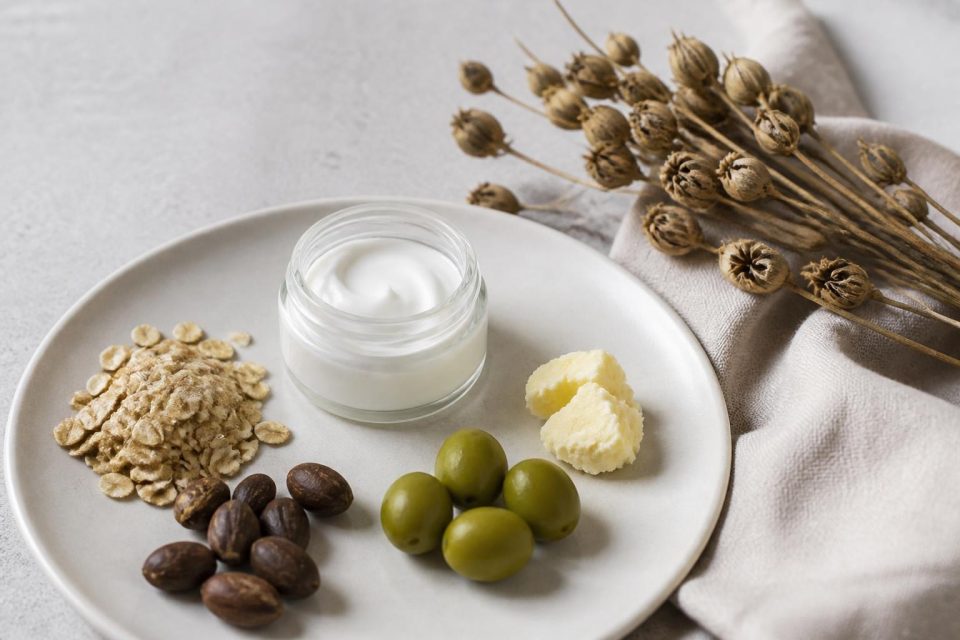
Your hands work harder than any other part of your body, yet they're often the most neglected when it comes to skincare. If you have sensitive skin, finding the right hand cream becomes even more challenging. Redness, itching, stinging, and dryness can turn a simple moisturizing routine into a frustrating experience. Understanding what makes a hand cream truly suitable for delicate skin requires knowledge of ingredients, formulation techniques, and the specific needs of reactive skin types.
Understanding Sensitive Skin on Your Hands
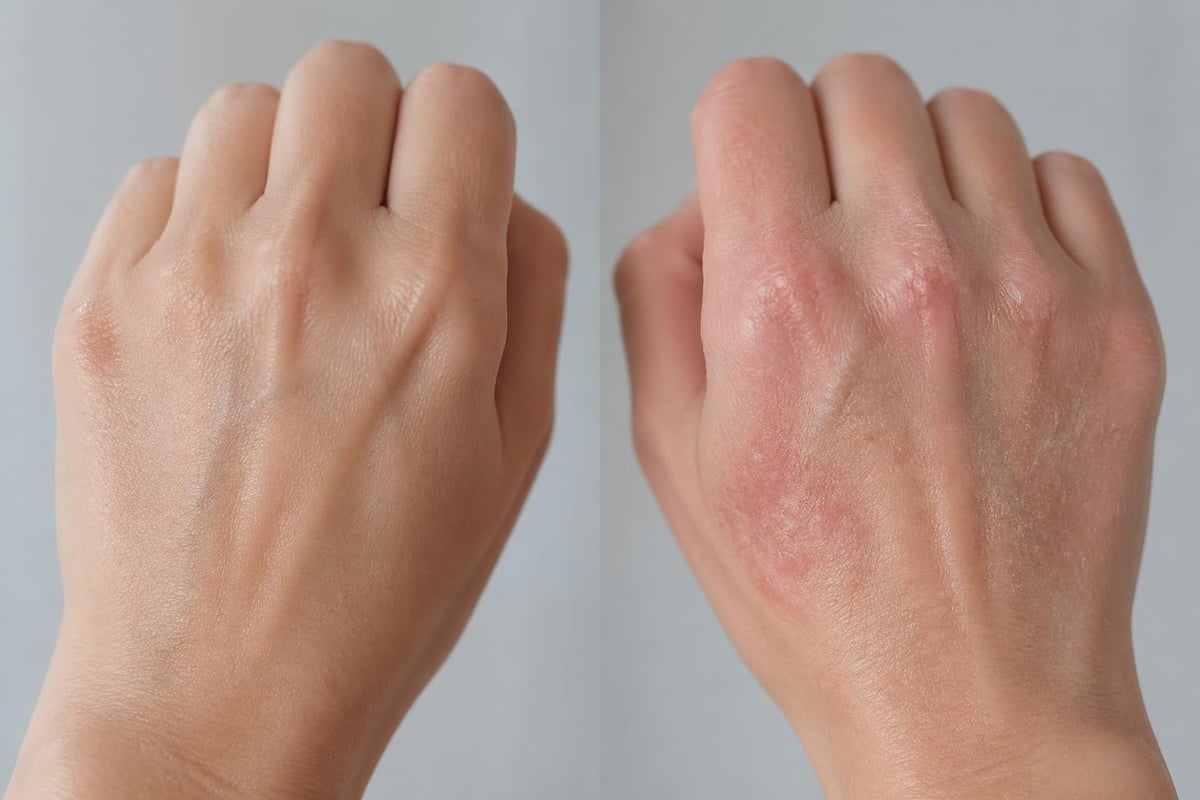
Sensitive skin isn't just about occasional irritation. It's a legitimate skin condition characterized by a compromised barrier function that allows irritants, allergens, and even regular skincare ingredients to penetrate more easily.
Your hands are particularly vulnerable because they face constant exposure to environmental stressors. Think about everything your hands touch daily: harsh soaps, cleaning products, hot water, cold air, and countless surfaces. Each interaction strips away natural oils and weakens the protective barrier.
Why Traditional Hand Creams Fail Sensitive Skin
Most conventional hand creams contain ingredients that spell disaster for sensitive skin types:
- Synthetic fragrances that trigger allergic reactions
- Artificial colorants offering zero skincare benefits
- Parabens and preservatives that disrupt skin balance
- Alcohol-based formulas that dry out skin further
- Heavy silicones that create a barrier preventing skin from breathing
The fragrance issue deserves special attention. According to dermatological research, fragrance-free moisturizers significantly reduce irritation risks. Even "natural" fragrances from essential oils can trigger reactions in truly sensitive individuals.
Essential Ingredients for Sensitive Skin Hand Creams
Finding an effective hand cream for sensitive skin means learning to read ingredient labels like a pro. Certain components consistently deliver results without causing reactions.
Skin-Identical Lipids
Ceramides, cholesterol, and fatty acids form your skin's natural barrier. When this barrier breaks down, sensitive skin symptoms worsen. Products containing these lipids help restore protection from the outside in.
Ceramides deserve special recognition. CeraVe’s therapeutic approach demonstrates how these molecules repair damaged barriers. The National Eczema Association has specifically endorsed ceramide-rich formulations for their ability to calm reactive skin.
Humectants That Actually Work
| Ingredient | Benefit | Sensitivity Rating |
|---|---|---|
| Hyaluronic Acid | Holds 1000x its weight in water | Excellent |
| Glycerin | Draws moisture into skin | Excellent |
| Aloe Vera | Soothes and hydrates | Very Good |
| Panthenol (B5) | Reduces inflammation | Excellent |
These humectants pull moisture from the environment into your skin. Unlike occlusives that just seal surface moisture, humectants actively hydrate from within.
Natural Oils with Proven Track Records
Not all natural oils suit sensitive skin, but certain varieties have demonstrated exceptional tolerance:
- Shea butter provides deep nourishment without heaviness
- Jojoba oil mimics skin's natural sebum
- Sunflower seed oil contains anti-inflammatory linoleic acid
- Argan oil delivers antioxidants and essential fatty acids
If you're dealing with contact dermatitis from allergens, choosing hypoallergenic natural oils becomes even more critical. Pure plant oils without added fragrances or processing chemicals offer the safest option.
What to Avoid in Hand Cream Formulas
Knowing what to exclude matters as much as understanding beneficial ingredients. Your hand cream for sensitive skin should never contain these common culprits.
The Fragrance Trap
"Fragrance" or "parfum" on an ingredient list represents a proprietary blend of potentially hundreds of chemicals. Manufacturers aren't required to disclose individual components, making it impossible to identify specific allergens.
Even products labeled "unscented" may contain masking fragrances designed to neutralize natural ingredient smells. Look specifically for "fragrance-free" designations.
Harsh Preservatives and Emulsifiers
While preservation prevents bacterial growth, certain preservatives cause more problems than they solve:
- Formaldehyde-releasing preservatives (DMDM hydantoin, quaternium-15)
- Methylisothiazolinone (MI) and methylchloroisothiazolinone (MCI)
- Propylene glycol in high concentrations
- Sodium lauryl sulfate (SLS) and related surfactants
Color Additives and Unnecessary Extras
If your hand cream is bright pink, vibrant green, or any unnatural color, synthetic dyes are responsible. These serve purely aesthetic purposes while increasing irritation potential.
Similarly, shimmer particles, glitter, and "instant tightening" ingredients often contain irritants. Sensitive skin thrives on simplicity.
Application Techniques That Maximize Results
Even the perfect hand cream for sensitive skin won't work if you're applying it incorrectly. Technique matters more than most people realize.
The Ideal Application Schedule
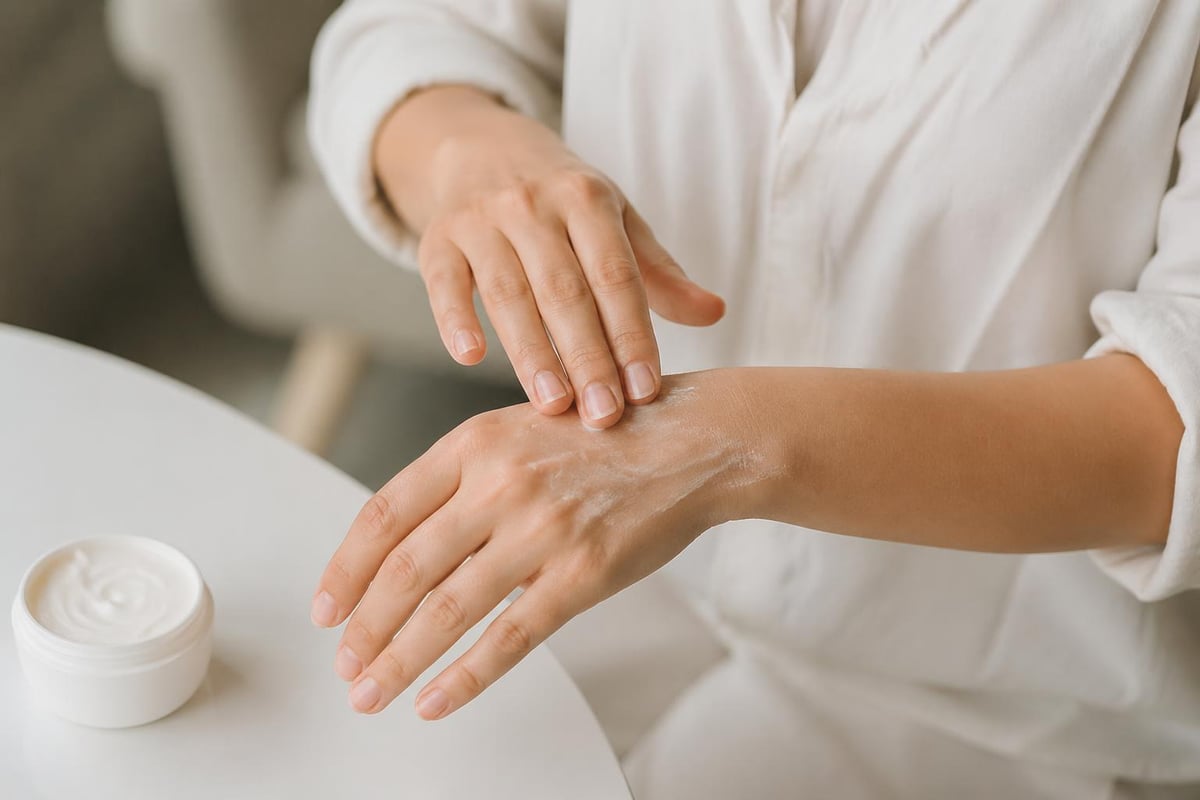
Morning routine: Apply after washing and drying hands thoroughly. Pat skin until slightly damp (not soaking wet), then massage cream into hands. This traps moisture effectively.
Throughout the day: Reapply after each handwashing session. Keep travel-size tubes in your bag, car, and desk drawer. Consistency prevents cumulative damage.
Nighttime intensive care: Apply a generous layer before bed, then wear cotton gloves overnight. This overnight treatment accelerates healing dramatically.
Proper Massage Methods
- Start with a pea-sized amount (increase if needed)
- Warm cream between palms for 5-10 seconds
- Massage into the back of each hand using circular motions
- Work cream between fingers and around nails
- Don't forget wrists and forearms
Natural Formulations for Reactive Skin
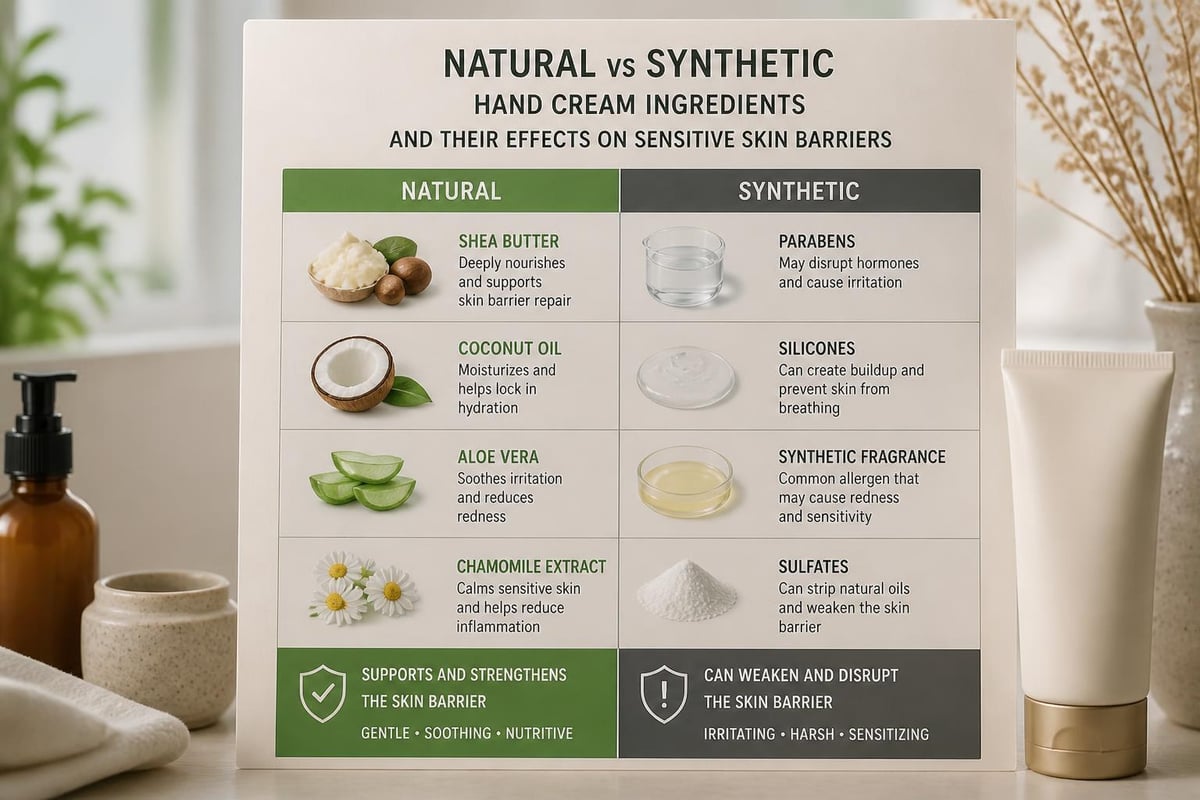
Natural doesn't automatically mean better, but when formulated correctly, plant-based ingredients offer gentle yet effective solutions for sensitive skin.
The Plant-Based Advantage
Natural skincare products avoid synthetic chemicals that frequently trigger reactions. However, quality matters enormously. Just like face serums for sensitive skin require careful formulation, hand creams need balanced botanical combinations.
Cold-pressed oils retain more beneficial compounds than refined versions. Organic certification ensures freedom from pesticide residues that might irritate skin. Minimal processing preserves ingredient integrity.
Powerhouse Natural Ingredients
Certain botanical ingredients consistently perform well for sensitive skin:
- Calendula extract calms inflammation and promotes healing
- Chamomile soothes irritation with anti-inflammatory properties
- Oat extract forms a protective film while reducing itching
- Green tea provides antioxidants without irritation
- Manuka honey offers antibacterial benefits with moisturizing effects
Products like Awesome Argan rejuvenating hand cream demonstrate how natural ingredients can deliver professional-grade results. The age-defense properties come from nutrient-dense botanical oils rather than synthetic compounds.
Seasonal Considerations for Hand Care
Your hand cream for sensitive skin needs may shift with seasons. Winter demands different strategies than summer.
Winter Protection Strategies
Cold air and indoor heating create a perfect storm for dry, irritated hands. Winter formulations should be richer and more occlusive.
| Winter Need | Solution | Key Ingredient |
|---|---|---|
| Extreme dryness | Heavy creams | Shea butter |
| Chapping | Barrier repair | Ceramides |
| Windburn | Anti-inflammatory | Bisabolol |
| Cracking | Intensive healing | Natural healing salve |
Summer Adaptation
Warmer months allow lighter textures while still protecting sensitive skin. Look for:
- Non-greasy absorption
- SPF protection (mineral sunscreens only)
- Breathable formulations
- Water-resistant options for swimming
Addressing Specific Sensitive Skin Conditions
Different types of sensitivity require tailored approaches to hand care.
Eczema and Dermatitis
Eczema-prone hands need extra-gentle formulations that don't sting broken skin. According to expert recommendations for sensitive skin moisturizers, ceramide-rich creams provide the best results for eczema management.
Key features for eczema:
- Colloidal oatmeal for itch relief
- No potential allergens
- Thick, emollient texture
- Steroid-free anti-inflammatory ingredients
Aging Skin with Sensitivity
Mature hands often develop increased sensitivity alongside visible aging signs. Hand creams for mature skin need to balance anti-aging benefits with gentleness.
Effective aging solutions for sensitive skin:
- Peptides that don't irritate
- Gentle vitamin C derivatives (not ascorbic acid)
- Retinol alternatives like bakuchiol
- Niacinamide for brightening without sensitivity
Occupational Hand Stress
Healthcare workers, hairstylists, cleaners, and food service professionals face unique challenges. Frequent handwashing and chemical exposure require specialized care.
Professional hand protection involves:
- Applying barrier cream before work shifts
- Reapplying after every third handwashing
- Using intensive repair formulas overnight
- Wearing protective gloves when possible
- Choosing fragrance-free options to avoid workplace sensitivity
Testing and Transitioning to New Products
Even the gentlest hand cream for sensitive skin can cause reactions if your skin isn't ready. Smart testing prevents setbacks.
The 48-Hour Patch Test
Before applying any new product to your entire hand:
- Cleanse a small area on your inner forearm
- Apply a small amount of product
- Cover with a bandage
- Wait 48 hours without washing the area
- Check for redness, itching, or irritation
No reaction? Test on the back of one hand before full application. This gradual approach identifies problems before they spread.
Transitioning Between Products
Never switch multiple products simultaneously. If you're changing your hand cream, keep your hand soap and other products constant. This helps identify the specific cause of any reactions.
When trying recommendations from sources like Sephora’s sensitive skin collection, introduce one product every two weeks. Your skin needs time to adjust and reveal its true response.
Building a Complete Hand Care Routine
Hand cream represents just one component of comprehensive hand care for sensitive skin.
The Complete System
Step 1: Gentle Cleansing
Use fragrance-free, soap-free cleansers. Traditional soap strips away protective oils, worsening sensitivity. Choose pH-balanced formulas designed for sensitive skin.
Step 2: Proper Drying
Pat hands dry gently rather than rubbing vigorously. Leave skin slightly damp to maximize moisturizer absorption.
Step 3: Targeted Treatment
If you have specific concerns like age spots or severe dryness, apply treatment products before your hand cream for sensitive skin. Consider skin care for combination skin principles that can also apply to varied hand conditions.
Step 4: Moisturizing
Apply your chosen hand cream using proper technique.
Step 5: Sun Protection
Don't forget SPF on your hands. Mineral sunscreens with zinc oxide or titanium dioxide work best for sensitive skin.
Weekly Intensive Treatments
Once weekly, give your hands extra attention:
- Gentle exfoliation with oat-based scrubs (avoid harsh physical exfoliants)
- Overnight mask treatments using thick creams and cotton gloves
- Cuticle care with nourishing oils
- Nail strengthening with biotin-rich treatments
Reading Labels Like a Professional
Ingredient lists tell you everything you need to know, but understanding them requires practice.
Decoding INCI Names
International Nomenclature of Cosmetic Ingredients (INCI) standardizes ingredient naming. Common translations help you identify what you're really buying:
- Butyrospermum Parkii = Shea Butter
- Tocopherol = Vitamin E
- Sodium Hyaluronate = Hyaluronic Acid
- Argania Spinosa = Argan Oil
Order Matters
Ingredients appear in descending concentration order. If your "natural" hand cream lists water, then synthetic polymers, then mentions plant extracts at the end, those botanicals exist in tiny amounts.
For truly natural products, expect plant oils, butters, and extracts in the first five ingredients. Check out editor-approved selections from Who What Wear’s hand cream guide to see how professional beauty editors evaluate formulations.
Red Flag Phrases
Certain marketing terms don't guarantee sensitive skin safety:
- "Dermatologist tested" (tested doesn't mean approved or recommended)
- "Hypoallergenic" (no regulated definition)
- "Natural" (no legal standard for cosmetics)
- "Gentle" (subjective claim)
Look instead for "fragrance-free," "non-comedogenic," and certifications from recognized organizations.
Making Informed Purchase Decisions
With countless options available, choosing the right hand cream for sensitive skin requires strategic decision-making.
Price vs. Quality
Expensive doesn't automatically mean better. Some luxury brands charge for packaging and marketing rather than superior ingredients. Conversely, very cheap products may use inferior ingredients or insufficient concentrations of active components.
Value indicators:
- Transparent ingredient sourcing
- Appropriate packaging (opaque, air-free containers)
- Clinical studies or dermatological backing
- Third-party certifications
Sample Before Committing
Whenever possible, request samples before purchasing full-size products. Many natural skincare brands offer discovery sets or travel sizes.
Sustainability Considerations
Sensitive skin often correlates with environmental sensitivity. Choosing products with:
- Recyclable packaging
- Cruelty-free certifications
- Sustainable ingredient sourcing
- Minimal environmental impact
These factors align personal health with planetary health, creating a holistic approach to skincare.
Long-Term Sensitive Skin Management
Managing sensitive skin hands isn't about finding a magic product but developing sustainable habits.
Lifestyle Factors
Your daily choices impact hand health as much as your hand cream for sensitive skin:
Diet influence: Omega-3 fatty acids, vitamins A and E, and adequate water intake support skin barrier function from within.
Stress management: Chronic stress triggers inflammatory responses that worsen skin sensitivity.
Sleep quality: Skin repairs itself during sleep. Insufficient rest impairs barrier recovery.
Environmental control: Use humidifiers in dry environments and wear gloves in extreme weather.
Tracking Progress
Keep a simple journal noting:
- Products used
- Application frequency
- Weather conditions
- Diet changes
- Skin condition improvements or setbacks
Patterns emerge over weeks and months, helping you identify true triggers and effective solutions.
When to Seek Professional Help
If your sensitive hands don't improve with proper care, consult a dermatologist. Persistent issues might indicate:
- Allergic contact dermatitis requiring patch testing
- Fungal infections needing medical treatment
- Autoimmune conditions affecting skin
- Occupational skin diseases
Professional guidance ensures you're treating the right condition with appropriate methods.
Finding the perfect hand cream for sensitive skin transforms daily hand care from frustrating to nurturing. By understanding ingredients, avoiding common irritants, and applying products correctly, you'll notice improvements within days. Natural formulations often provide the gentlest yet most effective solutions, working with your skin's biology rather than against it. Sinusoothe Ltd specializes in natural skincare products specifically developed for sensitive skin, offering hand creams that combine botanical purity with proven effectiveness. Discover how thoughtfully formulated natural products can finally give your hands the gentle care they deserve.