
Every parent knows the heartbreak of seeing their baby uncomfortable with red, irritated skin. Nappy rash affects nearly every baby at some point, causing distress for both little ones and their caregivers. While this common condition can seem overwhelming, especially for new parents, understanding how to cure nappy rash effectively using natural, gentle approaches can bring relief quickly. Natural skincare solutions offer a safe, effective path to healing your baby's delicate skin without harsh chemicals or additives that might cause further irritation.
Understanding What Causes Nappy Rash
Before diving into treatment methods, recognizing the underlying causes helps prevent future occurrences. Nappy rash develops when skin stays in prolonged contact with moisture, urine, or stool, creating an environment where irritation thrives.
The primary culprits include:
- Prolonged wetness from infrequent nappy changes
- Friction from tight-fitting nappies rubbing against skin
- Chemical irritants in some disposable nappies or wipes
- Dietary changes affecting stool acidity
- Antibiotic use disrupting natural skin bacteria
- Teething periods when stools become more acidic
According to clinical guidelines from the Royal Children’s Hospital Melbourne, most cases respond well to simple interventions when caught early. The skin in the nappy area is particularly vulnerable because it's enclosed, warm, and frequently exposed to moisture.
Understanding these triggers empowers you to address both symptoms and root causes. Sometimes what appears as simple nappy rash might be fungal infection or bacterial overgrowth, especially if standard treatments aren't working after three days.
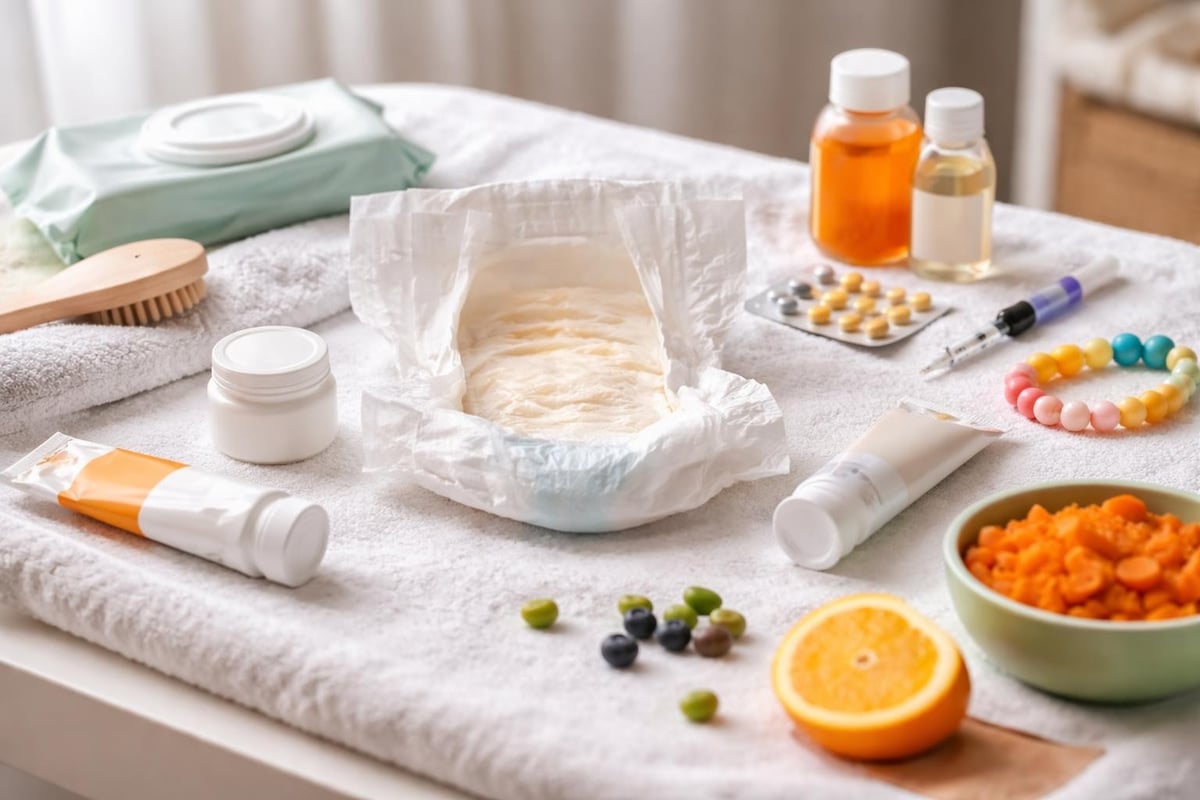
Immediate Steps for How to Cure Nappy Rash
When you notice the first signs of redness or irritation, quick action makes all the difference. Fresh air and gentle cleansing form the foundation of effective treatment.
Change Nappies Frequently
The single most important step involves keeping the area dry. Check your baby's nappy every two to three hours during the day, and change immediately after bowel movements.
Frequency guidelines:
| Baby's Age | Daytime Changes | Night-time Strategy |
|---|---|---|
| Newborn (0-3 months) | Every 2 hours | When they wake for feeds |
| 3-6 months | Every 2-3 hours | Before bed, after night feeds |
| 6-12 months | Every 3-4 hours | Before bed if sleeping through |
Gentle Cleansing Techniques
How you clean the affected area matters enormously. Many commercial wipes contain alcohol, fragrances, or preservatives that worsen irritation.
Instead, use warm water and soft cotton cloths or pads. Pat gently rather than rubbing, which can further damage compromised skin. If you're dealing with contact dermatitis or skin sensitivity, this gentle approach becomes even more critical.
For stubborn residue, add a tiny amount of natural, fragrance-free cleanser. The NHS recommends avoiding soap during nappy rash episodes, as it can strip protective oils from already vulnerable skin.
Natural Barrier Creams and Protective Solutions
After cleaning and drying, applying a protective barrier helps skin heal while shielding it from further irritation. Natural ingredients offer effective protection without synthetic chemicals.
Zinc Oxide Based Products
Zinc oxide creates a physical barrier between skin and moisture while providing antimicrobial properties. Look for products with at least 10% zinc oxide concentration for maximum effectiveness.
This mineral compound:
- Blocks moisture from reaching irritated skin
- Reduces inflammation naturally
- Doesn't absorb into the bloodstream
- Allows skin to breathe while protecting
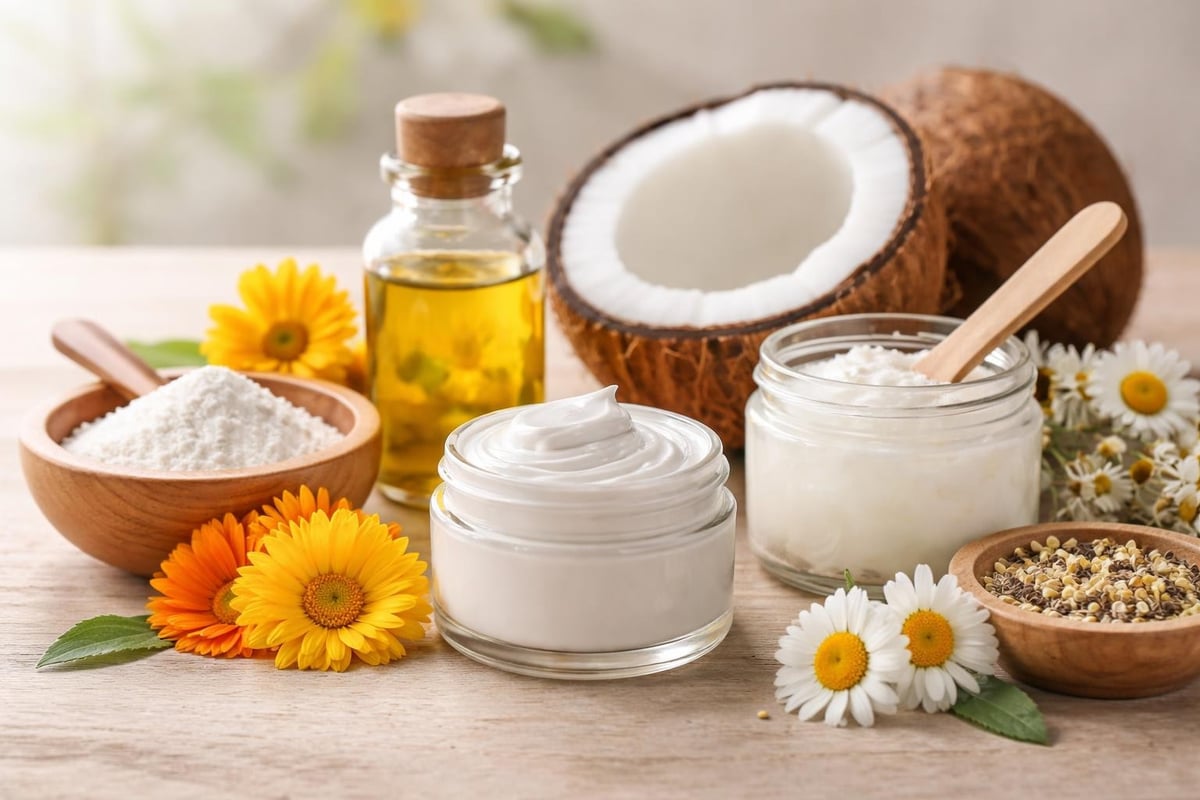
Plant-Based Healing Ingredients
Nature provides powerful healing agents perfect for delicate baby skin. When learning how to cure nappy rash naturally, these ingredients deserve your attention:
Calendula reduces inflammation and promotes tissue repair. This gentle flower extract has been used for centuries in traditional medicine for wound healing.
Chamomile soothes irritation and calms inflamed skin with its natural anti-inflammatory compounds.
Coconut oil offers antimicrobial properties while creating a moisture barrier. Its medium-chain fatty acids support skin healing without clogging pores.
For babies with sensitive skin conditions, these natural alternatives often work better than synthetic alternatives. They work with your baby's skin rather than against it.
The Power of Air Time
One surprisingly effective method for how to cure nappy rash involves letting your baby go nappy-free for periods throughout the day. Fresh air accelerates healing dramatically.
Place your baby on waterproof mats or old towels during these sessions. Even 10-15 minutes three or four times daily makes a noticeable difference. This approach works because:
- Eliminates all moisture and friction
- Allows oxygen to reach affected areas
- Gives skin a complete break from occlusion
- Speeds the natural healing process
Many parents find late morning or early afternoon ideal for air time, when babies are alert and happy. Make it enjoyable by singing songs, reading books, or providing gentle tummy time simultaneously.
Advanced Treatment for Persistent Cases
Sometimes standard approaches need reinforcement. If rash persists beyond three days despite consistent care, consider these additional strategies.
Identifying Fungal Infections
Candida (yeast) infections often develop alongside nappy rash, especially after antibiotic use. These require different treatment than standard irritation.
Signs of fungal involvement:
- Bright red patches with defined borders
- Smaller satellite spots surrounding the main rash
- Rash extending into skin folds
- Persistence despite standard treatments
- Raised bumps or pustules
Healthdirect Australia notes that antifungal creams may be necessary for yeast-related rashes. Natural antifungal options include diluted tea tree oil or grapefruit seed extract, though always consult your healthcare provider before trying new treatments.
When to Seek Professional Help
Understanding how to cure nappy rash at home is valuable, but recognizing when professional assessment is needed protects your baby's health.
Consult your doctor if:
- Rash spreads beyond the nappy area
- Blisters, pus, or open sores develop
- Your baby develops a fever
- Rash doesn't improve after 3-4 days of treatment
- Your baby seems unusually fussy or unwell
BMJ Best Practice guidelines emphasize that severe cases might require prescription treatments including topical corticosteroids or antifungals.
Prevention Strategies That Actually Work
The most effective cure remains prevention. Once you've healed current nappy rash, these strategies minimize recurrence risk.
Choosing the Right Nappies
Nappy selection impacts skin health significantly. Some babies do better with cloth nappies, while others thrive in high-quality disposables.
| Nappy Type | Advantages | Considerations |
|---|---|---|
| Cloth (natural fibers) | Breathable, chemical-free, eco-friendly | Requires frequent changing, proper washing |
| Premium disposables | Highly absorbent, convenient | Can be expensive, environmental impact |
| Eco-friendly disposables | Fewer chemicals, better materials | May be less absorbent than premium brands |
Experiment to find what works best for your baby's unique skin. What causes problems for one baby might be perfect for another.
Dietary Considerations
For breastfed babies, maternal diet sometimes influences nappy rash frequency. Acidic foods like citrus fruits or tomatoes can make stools more irritating when they pass through breast milk.
When introducing solids, new foods occasionally trigger temporary digestive changes leading to rash. Introduce one new food at a time to identify potential triggers.
The Better Health Channel suggests keeping a food diary if your baby experiences frequent nappy rash, helping identify patterns.
Creating an Effective Nappy Change Routine
Consistency in your changing routine prevents most nappy rash cases. Developing a systematic approach ensures you never skip critical steps, even during busy or stressful moments.
Your complete changing sequence:
- Gather all supplies before starting (clean nappy, water, cloths, barrier cream)
- Remove soiled nappy and fold away from baby
- Cleanse gently with warm water and soft cloth
- Pat completely dry, especially in creases and folds
- Allow brief air exposure if possible
- Apply thin layer of protective barrier cream
- Secure fresh nappy loosely (you should fit two fingers under the waistband)
This routine takes just minutes but provides comprehensive protection. If you're using natural skincare products, ensure they're within easy reach so you're not tempted to rush through steps.
Natural Ingredients to Seek and Avoid
Not all "natural" products are equally beneficial. Understanding ingredient quality helps you choose the most effective treatments for learning how to cure nappy rash.
Beneficial Natural Ingredients
These plant-based components offer genuine therapeutic value:
- Shea butter: Rich in vitamins A and E, deeply moisturizing without greasiness
- Aloe vera: Cooling and soothing, reduces redness and inflammation
- Beeswax: Creates flexible protective barrier while allowing skin to breathe
- Lavender: Gentle antiseptic properties, calming scent
- Vitamin E: Supports skin repair and regeneration
When examining product labels, these ingredients should appear near the beginning of the list, indicating higher concentrations. For babies prone to rashes, choosing products designed for sensitive skin ensures gentler formulations.
Ingredients to Avoid
Some common additions provide no benefit and may worsen irritation:
- Synthetic fragrances or perfumes
- Parabens (preservatives)
- Phthalates
- Sodium lauryl sulfate (SLS)
- Artificial dyes or colors
- Mineral oil or petroleum jelly (can trap moisture)
Reading labels carefully protects your baby from unnecessary chemical exposure during vulnerable healing periods.
Managing Severe Nappy Rash Cases
Occasionally, despite your best efforts, nappy rash becomes severe, requiring intensive treatment approaches. Don't feel discouraged-this happens to many parents and doesn't reflect poor care.
For particularly stubborn cases, consider using specialized nappy salves formulated with higher concentrations of healing ingredients. These intensive treatments often combine multiple beneficial components for maximum effectiveness.
Intensive treatment protocol:
- Change every 1-2 hours, even through the night if necessary
- Extended air time sessions (30-45 minutes, 4-5 times daily)
- Thick application of barrier cream with each change
- Warm (not hot) water baths with colloidal oatmeal
- Keep nappies very loose to reduce friction
This aggressive approach typically shows improvement within 24-48 hours. If you don't see progress, medical evaluation becomes essential to rule out bacterial infection or other complications.
Long-Term Skin Health for Your Baby
Learning how to cure nappy rash effectively gives you confidence handling this common challenge, but thinking beyond immediate treatment creates lasting benefits for your baby's skin health.
Establishing good skincare habits from infancy sets the foundation for healthy skin throughout childhood. The same principles that prevent nappy rash-keeping skin clean, dry, and protected-apply to overall skin wellness.
Building a Gentle Skincare Routine
Even outside the nappy area, babies benefit from thoughtful skincare approaches:
- Use lukewarm water for bathing (hot water strips natural oils)
- Limit bath time to 5-10 minutes for young babies
- Choose fragrance-free, hypoallergenic products
- Moisturize skin while still slightly damp after bathing
- Protect from sun exposure with appropriate clothing and shade
Natural face creams and body products formulated for sensitive skin work beautifully for babies' delicate complexions as they grow.
Recognizing Your Baby's Unique Needs
Every baby's skin responds differently to products, environments, and care routines. Pay attention to patterns you notice-does rash appear more frequently during teething? After certain foods? In warmer weather?
This observational approach helps you anticipate and prevent problems before they develop. Some babies need barrier cream with every change, while others only require it occasionally. Trust your observations and adjust accordingly.
Environmental Factors and Nappy Rash
Temperature, humidity, and seasonal changes influence nappy rash frequency. Understanding these connections helps you adjust care routines appropriately.
Summer considerations:
Increased sweating can worsen nappy rash during hot weather. Change nappies more frequently, choose lighter fabrics, and maximize air conditioning or fan use during nappy-free time. Heat and moisture create the perfect environment for yeast overgrowth.
Winter considerations:
Indoor heating dries air significantly, potentially leading to skin dryness that makes babies more susceptible to irritation. Use humidifiers in baby's room and apply moisturizing barrier creams more generously.
Travel disrupts normal routines, sometimes leading to less frequent changes or use of different products. Pack familiar nappy care essentials and maintain your regular schedule as much as possible.
Understanding how to cure nappy rash naturally empowers you to provide gentle, effective relief when your baby needs it most. By combining frequent changes, gentle cleansing, protective barriers, and air exposure, you can heal most cases quickly while preventing recurrence. Whether you're dealing with mild irritation or more persistent rash, natural skincare approaches offer safe, effective solutions that work with your baby's delicate skin. At Sinusoothe Ltd, we're committed to providing natural skincare products that support your baby's healing journey with pure, effective ingredients you can trust.