
Every parent dreads seeing their baby's delicate skin turn red, inflamed, and uncomfortable. When diaper rash escalates from mild irritation to a severe condition, finding the right treatment becomes urgent. A nappy salve for severe rash can make all the difference between prolonged discomfort and rapid healing. Understanding what makes an effective salve, which ingredients actually work, and how to apply it properly transforms anxious parents into confident caregivers.
Understanding Severe Nappy Rash
Severe nappy rash goes beyond simple redness. You're looking at angry, inflamed skin that may blister, weep, or develop raised bumps. The area might feel warm to the touch, and your baby will likely cry during nappy changes.
Healthdirect Australia offers comprehensive information on nappy rash, explaining how prolonged exposure to moisture creates the perfect environment for bacterial and fungal growth. Unlike mild irritation that clears up within days, severe cases demand immediate intervention.
Signs Your Baby Needs Stronger Treatment
Recognizing when standard barrier creams aren't enough saves valuable healing time. Look for these indicators:
- Bright red patches that spread beyond the nappy area
- Raised bumps or blisters filled with fluid
- Open sores that bleed when wiped
- Persistent rash lasting more than three days despite treatment
- Fever accompanying the skin irritation
When these symptoms appear, a specialized nappy salve for severe rash becomes essential rather than optional.
Key Ingredients in Effective Nappy Salves
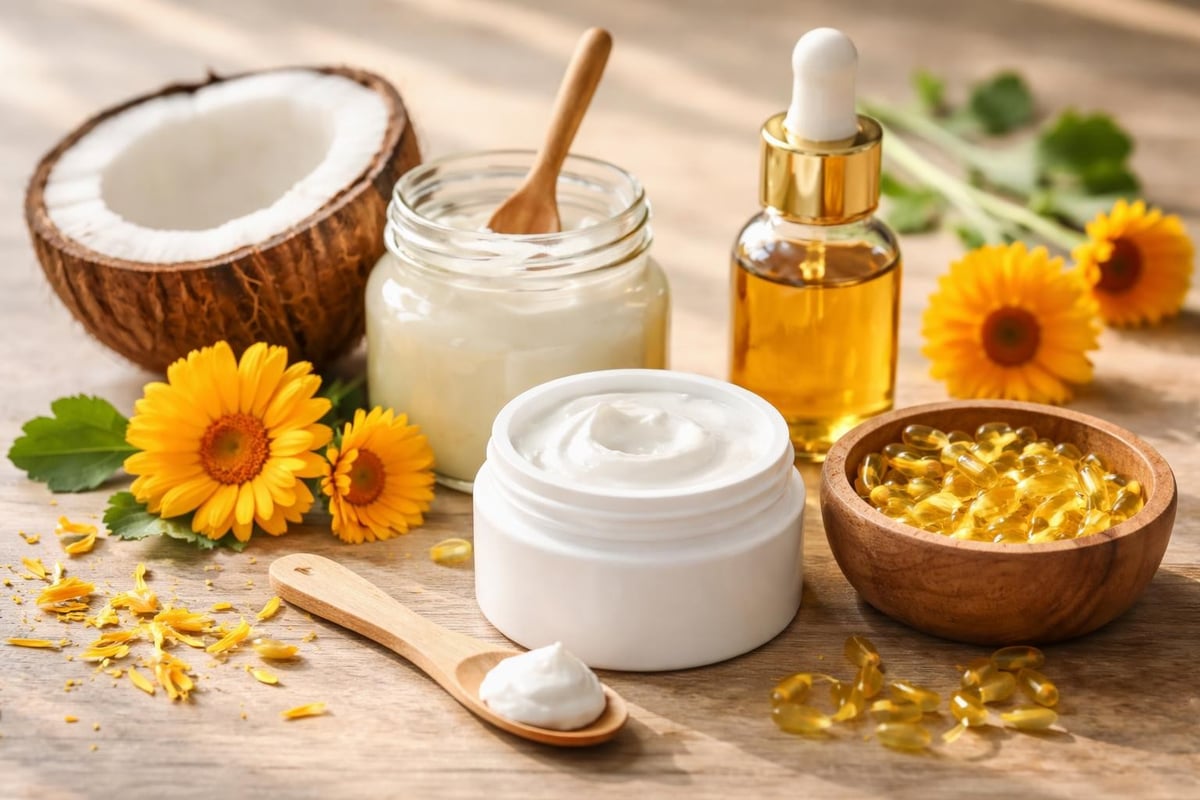
Not all salves are created equal. The most effective formulations combine multiple therapeutic ingredients that work synergistically.
Zinc Oxide: The Protective Barrier
Zinc oxide creates an impermeable barrier between inflamed skin and irritants. This mineral compound doesn't just sit on the surface; it actively promotes healing while preventing further damage from urine and feces.
Premium formulations contain 20-40% zinc oxide. Lower concentrations may work for prevention but lack the strength needed for severe cases.
| Ingredient | Primary Function | Concentration Needed |
|---|---|---|
| Zinc Oxide | Barrier protection | 20-40% |
| Calendula Extract | Anti-inflammatory | 5-15% |
| Coconut Oil | Antimicrobial moisture | 10-30% |
| Shea Butter | Skin conditioning | 15-25% |
| Vitamin E | Healing acceleration | 1-5% |
Plant-Based Healing Compounds
Natural ingredients offer powerful therapeutic benefits without harsh chemicals. Calendula officinalis reduces inflammation and speeds tissue repair. The Royal Children’s Hospital Melbourne offers clinical guidelines that recognize the value of botanical ingredients in managing persistent rashes.
Chamomile extract soothes irritated nerve endings, reducing the pain sensation that makes nappy changes traumatic. Lavender oil provides gentle antimicrobial action while promoting skin regeneration.
For those interested in how natural ingredients benefit various skin concerns, exploring face serums for sensitive skin reveals similar formulation principles adapted for delicate areas.
Application Techniques That Maximize Healing
Even the best nappy salve for severe rash fails without proper application. Technique matters as much as formulation.
The Four-Step Application Method
- Cleanse gently using warm water and a soft cloth (avoid wipes containing alcohol or fragrance)
- Pat completely dry with a clean cotton cloth or allow air drying for 2-3 minutes
- Apply generously using a thick layer (think frosting consistency, not thin spread)
- Reapply at every change without completely removing the previous layer
This approach maintains continuous barrier protection while allowing the skin to heal underneath.
Frequency and Timing Considerations
Severe rashes demand frequent nappy changes, ideally every 1-2 hours during waking periods. Night applications should use the thickest layer since this gives the longest healing window without disturbance.
After each application of your nappy salve for severe rash, allow 30-60 seconds before fastening the nappy. This prevents the salve from transferring to the nappy itself rather than staying on the skin where it's needed.
Natural vs. Medicated Salve Options
Parents face a crucial decision when selecting treatment: natural formulations or medicated options containing pharmaceutical ingredients.
Benefits of Natural Formulations
Natural salves harness plant-based compounds that humans have used for centuries. They typically cause fewer allergic reactions and work harmoniously with the skin's natural healing processes.
Products from companies focused on natural skincare products prioritize ingredient purity and sustainable sourcing. These formulations avoid petroleum derivatives, artificial fragrances, and synthetic preservatives that can further irritate compromised skin.
Much like natural face creams designed for delicate facial tissue, natural nappy salves respect the skin's barrier function while providing therapeutic benefits.
When Medication Becomes Necessary
Sometimes natural approaches need pharmaceutical backup. The NHS provides insights into nappy rash symptoms and recommends consulting healthcare providers when rashes persist beyond a week.
Fungal infections require antifungal creams, while bacterial complications need antibiotic ointments. These targeted treatments work alongside protective salves rather than replacing them.
Prevention Strategies Between Flare-Ups
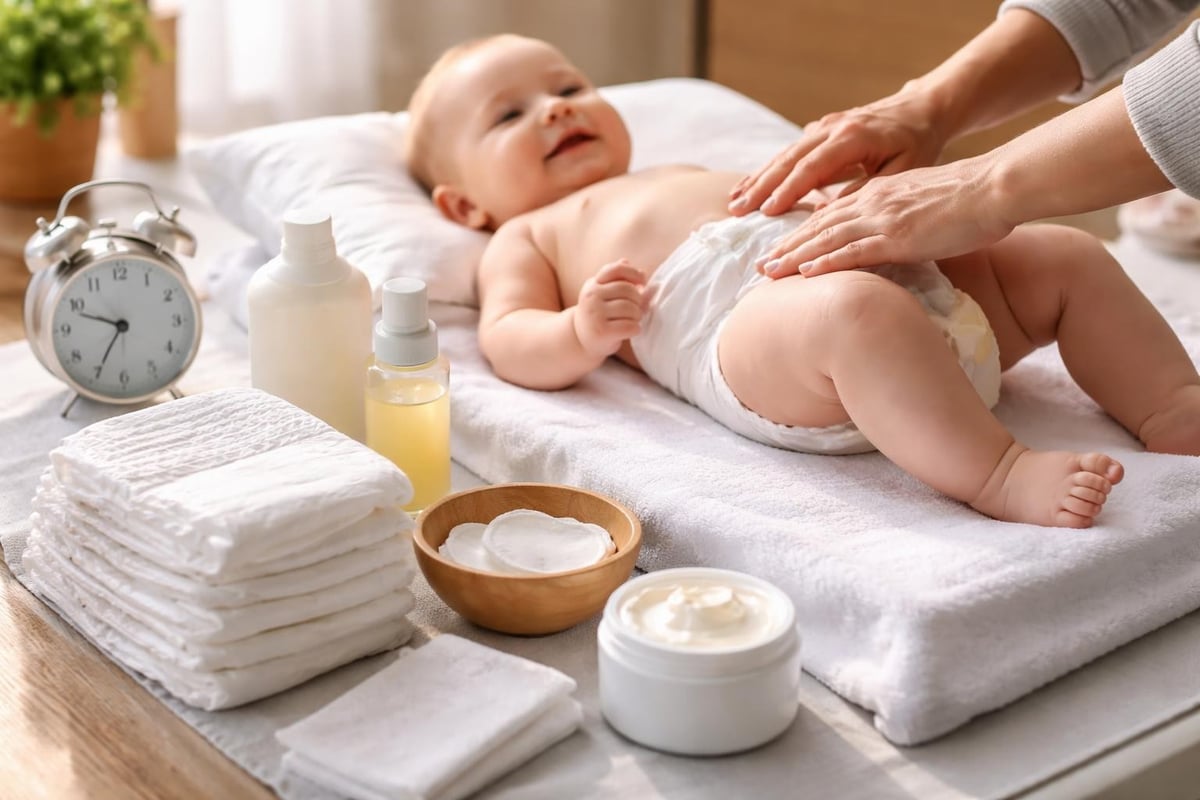
Once you've conquered a severe rash episode with an effective nappy salve for severe rash, prevention becomes your new priority.
Daily Maintenance Practices
Prevention requires consistent habits rather than perfect products:
- Change nappies immediately after bowel movements
- Use fragrance-free wipes or plain water for cleaning
- Allow 5-10 minutes of nappy-free time daily
- Apply a thin barrier cream at every change
- Choose breathable nappy brands that wick moisture away
Better Health Channel offers prevention methods emphasizing the importance of keeping the nappy area dry between changes.
Diet and Rash Connections
What goes into your baby affects what comes out. Acidic foods like citrus, tomatoes, and strawberries create acidic stools that burn already-sensitive skin.
For breastfed babies, maternal diet matters too. Some babies react to dairy, caffeine, or spicy foods consumed by nursing mothers.
Comparing Top Natural Salve Formulations
Understanding different product philosophies helps you choose wisely for your baby's specific needs.
| Product Type | Best For | Key Advantage | Application Frequency |
|---|---|---|---|
| Thick balms | Overnight protection | Maximum barrier strength | 2-3 times daily |
| Lighter creams | Daytime use | Easy spreading, quick absorption | Every change |
| Stick formulas | On-the-go changes | Mess-free application | As needed |
| Spray-on salves | Extreme sensitivity | Zero-contact application | Every 2 hours |
Documenting precious moments during these challenging early months helps create lasting memories. Professional services like One Big Happy Photo, LLC specialize in capturing newborn photography that celebrates your baby's first weeks, creating artistic heirlooms you'll treasure even during the tough diaper rash days.
Special Considerations for Different Skin Types
Not all babies respond identically to the same ingredients. Recognizing your child's unique skin characteristics guides product selection.
Eczema-Prone Babies
Babies with eczema need nappy salve for severe rash that doesn't trigger inflammatory responses. Avoid formulations containing:
- Beeswax (common allergen)
- Lanolin (can cause reactions)
- Essential oils (potential irritants)
- Nut-based oils (allergy risk)
Instead, prioritize hypoallergenic formulations with minimal ingredients. Similar principles apply when selecting products for combination skin remedies, where balancing different skin needs requires careful ingredient selection.
Premature or Low Birth Weight Infants
Premature babies have thinner, more permeable skin. They absorb topical ingredients more readily, making ingredient purity critical. Choose pharmaceutical-grade natural ingredients without preservatives or stabilizers.
Complementary Care Products
While salve forms your primary defense, complementary products enhance overall treatment effectiveness.
Gentle Cleansers Matter
Harsh soaps strip protective oils and worsen irritation. Look for pH-balanced cleansers specifically formulated for infant skin. Water alone works perfectly for most changes, reserving cleansers only for bowel movements.
Moisture-Wicking Liners
Disposable or reusable liners create an additional barrier between skin and wet nappies. They allow urine to pass through while keeping moisture away from the skin surface, giving your nappy salve for severe rash maximum opportunity to work.
Much like how quality lip oil creates a protective moisture barrier for delicate lip skin, these liners protect vulnerable nappy area skin from constant moisture exposure.
Storage and Shelf Life Considerations
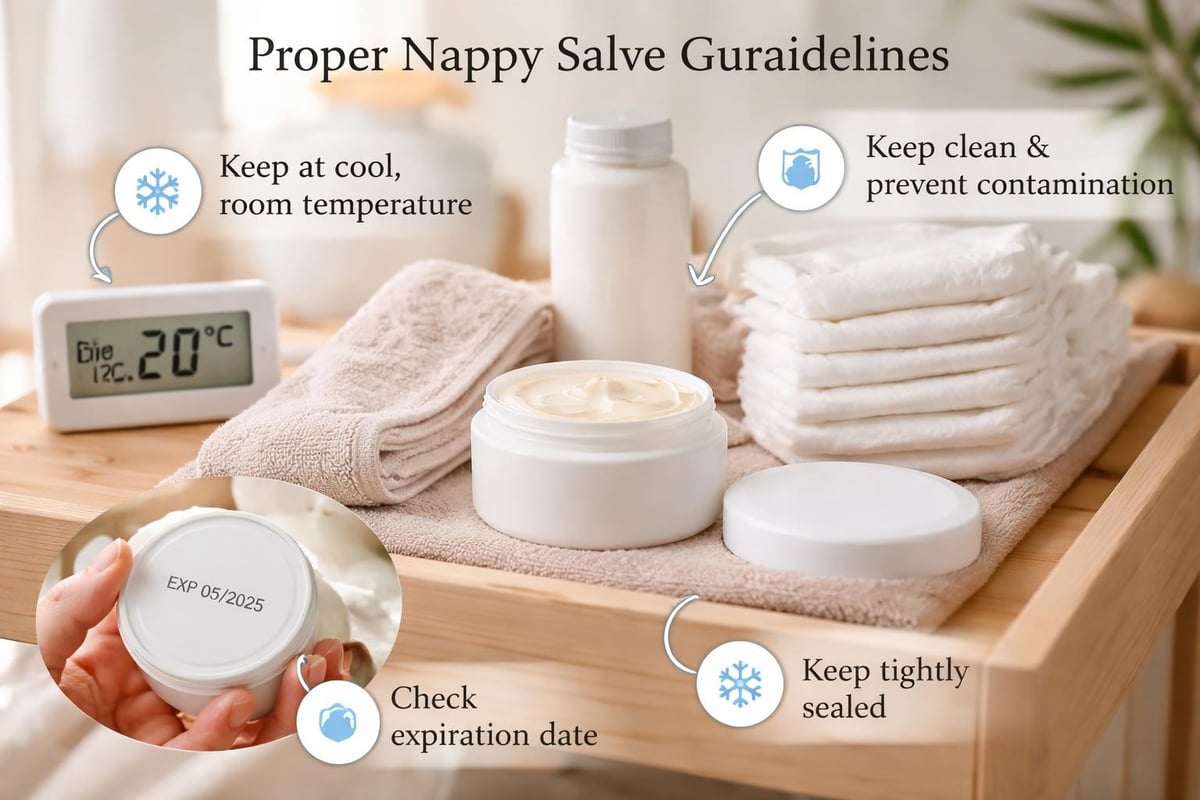
Natural products without synthetic preservatives require careful storage to maintain potency and safety.
Optimal Storage Conditions
Keep salves in cool, dry locations away from direct sunlight. Bathrooms seem convenient but humidity and temperature fluctuations compromise product integrity. Bedroom drawers or changing table cabinets work better.
Natural formulations typically last 6-12 months after opening. Mark opening dates on containers and discard products that develop off-odors, color changes, or separation that won't remix.
Contamination Prevention
Always use clean hands or an applicator when accessing salve containers. Introducing bacteria from dirty fingers creates contamination that can actually worsen skin infections.
Single-use portion packs eliminate contamination risk entirely, though they generate more waste and cost more per application.
When to Escalate Treatment
Even the most effective nappy salve for severe rash has limitations. Recognizing when home treatment isn't sufficient prevents complications.
Patient.info provides detailed information about when medical intervention becomes necessary. Seek professional help if:
- Rash spreads beyond the nappy area to legs, belly, or back
- Blisters develop or skin begins weeping clear fluid
- Your baby develops fever over 38°C (100.4°F)
- The rash shows no improvement after 72 hours of intensive treatment
- Skin develops purple or black discoloration
These symptoms suggest secondary infection or underlying conditions requiring prescription treatment.
Ingredient Sensitivities and Patch Testing
Even natural ingredients can trigger reactions in sensitive individuals. Before applying any new nappy salve for severe rash to the full affected area, conduct a patch test.
Apply a small amount to your baby's inner arm or thigh. Wait 24 hours and check for redness, swelling, or irritation. This simple step prevents making a bad situation worse.
Common Allergen Awareness
Track which ingredients appear in products that either help or hinder healing. Common culprits that cause reactions include:
- Propolis (bee product)
- Tea tree oil (potent essential oil)
- Fragrance blends (even "natural" ones)
- Almond oil (nut allergy risk)
Maintaining an ingredient diary helps you identify patterns and make informed choices for future purchases.
Cost-Effectiveness Analysis
Premium natural salves cost more upfront but often prove more economical over time. A single jar of high-quality nappy salve for severe rash might cost £15-25 but last for multiple rash episodes.
Cheaper alternatives require more frequent reapplication and often need supplementation with additional products, ultimately costing more per treated rash.
DIY Salve Considerations
Some parents make homemade salves to control ingredients and costs. While possible, DIY formulations lack the testing, consistency, and shelf stability of commercial products. Unless you have extensive formulation knowledge, stick with established natural skincare brands.
Environmental and Sustainability Factors
Conscious parents consider environmental impact alongside effectiveness. Look for brands using:
- Recyclable or biodegradable packaging
- Sustainably sourced botanical ingredients
- Cruelty-free testing practices
- Minimal carbon footprint production
Companies committed to making a difference in environmental stewardship demonstrate values that extend beyond profit margins.
Long-Term Skin Health Implications
The products you choose during infancy establish patterns that affect skin health for years. Babies treated exclusively with natural, gentle formulations develop stronger skin barriers and fewer sensitivities long-term.
Avoiding harsh chemicals during these formative months when skin structure is still developing pays dividends throughout childhood. The investment in quality nappy salve for severe rash represents an investment in lifelong skin resilience.
Finding the right nappy salve for severe rash transforms a stressful situation into a manageable challenge. Natural formulations with proven ingredients like zinc oxide, calendula, and coconut oil provide effective relief while respecting your baby's delicate skin. At Sinusoothe Ltd, we specialize in natural skincare products that prioritize purity, effectiveness, and gentle care for even the most sensitive skin. Explore our range of thoughtfully formulated products designed to soothe, protect, and heal.