
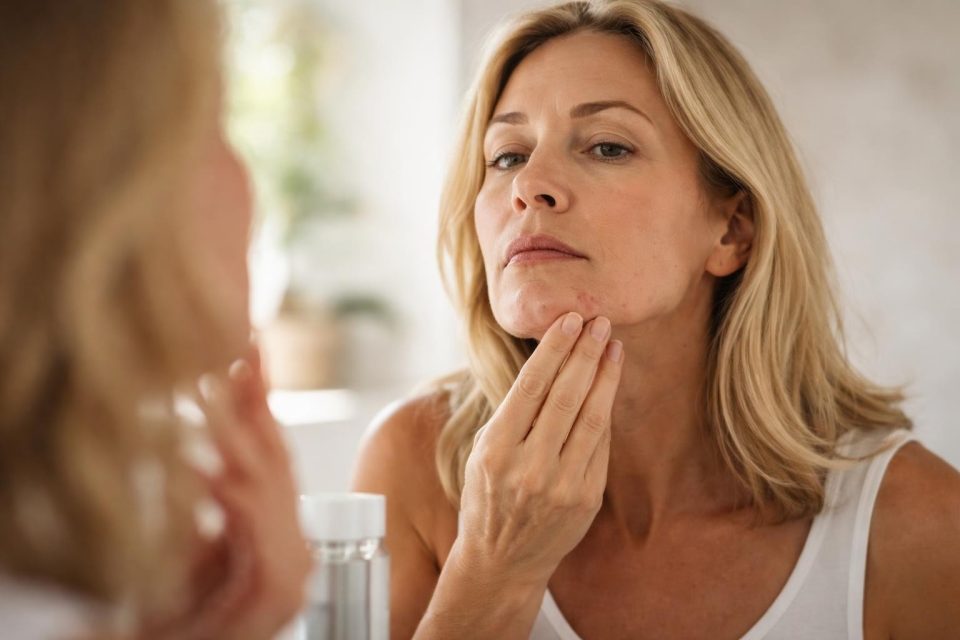
You've navigated decades of your life with relatively clear skin, only to find yourself staring in the mirror at unexpected blemishes in your 40s or 50s. If this sounds familiar, you're not alone. Hormonal shifts during perimenopause and menopause can trigger frustrating skin changes, leaving many women wondering why their complexion suddenly resembles their teenage years. Understanding the connection between hormonal transitions and skin health is the first step toward reclaiming your confidence and developing an effective skincare routine.
Why Menopause Triggers Unexpected Breakouts
Menopause skin breakouts stem from dramatic hormonal fluctuations that fundamentally alter how your skin functions. As estrogen levels decline during perimenopause and menopause, the relative proportion of androgens (male hormones present in all women) increases. This hormonal imbalance triggers sebaceous glands to produce excess oil, creating the perfect environment for acne-causing bacteria.
The process isn't instantaneous. Perimenopause can begin up to a decade before your final period, creating years of unpredictable hormonal fluctuations that impact your skin. During this transitional phase, estrogen and progesterone levels rise and fall erratically, causing skin to behave unpredictably from month to month.
The Estrogen-Skin Connection
Estrogen plays a critical protective role in maintaining skin health:
- Regulates oil production and keeps sebaceous glands balanced
- Maintains skin thickness and elasticity
- Supports collagen production for firmness
- Helps skin retain moisture and stay hydrated
- Reduces inflammation throughout the body
When estrogen decreases, your skin loses these protective benefits simultaneously. The result? Thinner, drier skin that paradoxically produces more oil in certain areas, particularly along the jawline, chin, and neck where hormonal acne typically appears.
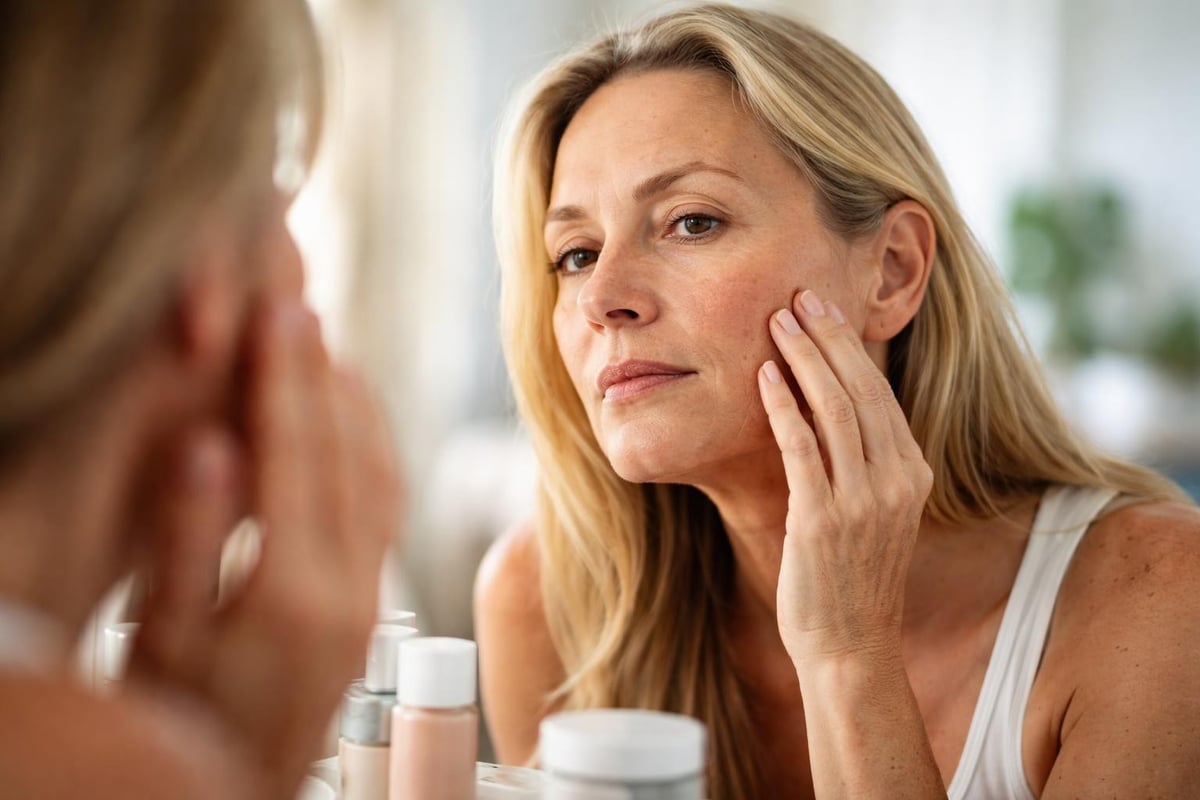
How Menopausal Breakouts Differ From Teen Acne
The acne you experience during menopause differs significantly from adolescent breakouts. Understanding these differences helps you choose more effective treatments and avoid products designed for younger skin types.
| Teen Acne | Menopausal Acne |
|---|---|
| Affects T-zone (forehead, nose) | Concentrates on lower face and jawline |
| Often whiteheads and blackheads | Typically deeper cystic lesions |
| Occurs on oily skin | Appears on combination or dry skin |
| Responds to drying treatments | Worsens with harsh products |
| Heals relatively quickly | Takes longer to resolve |
Menopausal breakouts tend to be deeper, more inflammatory, and more stubborn than their teenage counterparts. Research on menopause’s impact on common skin conditions confirms that hormonal acne during this life stage requires gentler, more hydrating approaches than traditional acne treatments.
These cystic lesions form deep within the skin and can persist for weeks. They're painful, difficult to conceal, and prone to leaving post-inflammatory hyperpigmentation, especially on darker skin tones.
Natural Approaches to Managing Hormonal Breakouts
Embracing natural skincare during menopause offers multiple benefits without the harsh side effects of aggressive chemical treatments. Your skin is simultaneously dealing with dryness, sensitivity, and breakouts, requiring a balanced approach that addresses all these concerns.
Gentle Cleansing Strategies
Start with a pH-balanced, non-stripping cleanser that removes excess oil without compromising your skin barrier. Many women make the mistake of over-cleansing when they notice breakouts, but this actually triggers more oil production as your skin tries to compensate for lost moisture.
Cleanse twice daily using lukewarm water and gentle circular motions. Hot water strips natural oils, while aggressive scrubbing damages already-sensitive menopausal skin. If you're dealing with combination skin challenges, you'll need products that balance different zones without over-treating any single area.
Consider double cleansing in the evening: start with an oil-based cleanser to dissolve makeup and sunscreen, followed by a gentle water-based cleanser to remove remaining impurities. This method thoroughly cleanses without stripping.
Ingredient Intelligence
When selecting products to address menopause skin breakouts, prioritize ingredients that work with your changing skin rather than against it:
Anti-inflammatory botanicals like chamomile, green tea, and calendula calm irritated skin without harsh chemicals. These natural ingredients reduce redness and support healing while being gentle enough for sensitive menopausal skin.
Hyaluronic acid hydrates without adding oil, crucial when you're battling both dryness and breakouts. This humectant draws moisture into skin cells, plumping fine lines while maintaining a balanced complexion.
Niacinamide regulates sebum production, reduces inflammation, and fades post-acne marks. Studies show this versatile vitamin B3 derivative improves multiple skin concerns simultaneously, making it ideal for addressing the complex needs of menopausal skin.
Natural retinol alternatives like bakuchiol offer anti-aging and pore-refining benefits without the irritation associated with traditional retinoids. These plant-based options stimulate cell turnover gently, helping prevent clogged pores while supporting collagen production.

Lifestyle Factors That Influence Menopausal Skin
Your skincare routine represents only one piece of the puzzle. Managing hormonal skin during menopause requires a holistic approach that addresses internal factors influencing your skin's behavior.
Dietary Considerations
What you eat directly impacts inflammation levels and hormone balance throughout your body. During menopause, when hormones already fluctuate wildly, diet becomes even more crucial for skin health.
Foods that support clearer skin during menopause:
- Omega-3 rich foods (salmon, walnuts, flaxseeds) reduce inflammation
- Phytoestrogen sources (soy, flaxseeds, chickpeas) gently support estrogen levels
- Antioxidant-rich produce (berries, leafy greens, colorful vegetables) combat oxidative stress
- Probiotic foods (yogurt, kefir, sauerkraut) support gut health and reduce inflammation
- Zinc-containing foods (pumpkin seeds, lentils, quinoa) regulate oil production
Conversely, minimize refined sugars, dairy products, and high-glycemic foods that can spike insulin and trigger inflammation. Many women notice significant improvement in their menopause skin breakouts within weeks of reducing these dietary triggers.
Stress Management and Sleep Quality
Cortisol, your primary stress hormone, exacerbates hormonal imbalances during menopause. Chronic stress elevates cortisol levels, which increases oil production and inflammation, creating a perfect storm for breakouts.
Prioritize stress-reduction techniques:
- Practice daily meditation or deep breathing exercises
- Engage in regular moderate exercise (walking, yoga, swimming)
- Maintain consistent sleep schedules, even on weekends
- Limit caffeine and alcohol, especially in the evening
- Set boundaries around work and personal commitments
Sleep quality directly affects skin regeneration and hormone regulation. Understanding how menopause causes acne includes recognizing that poor sleep disrupts the delicate hormonal balance your body is already struggling to maintain.
Building Your Menopause-Friendly Skincare Routine
Creating an effective routine for managing menopause skin breakouts requires balancing multiple skin needs simultaneously. Your approach should be gentle yet effective, addressing acne while supporting your skin's changing moisture needs.
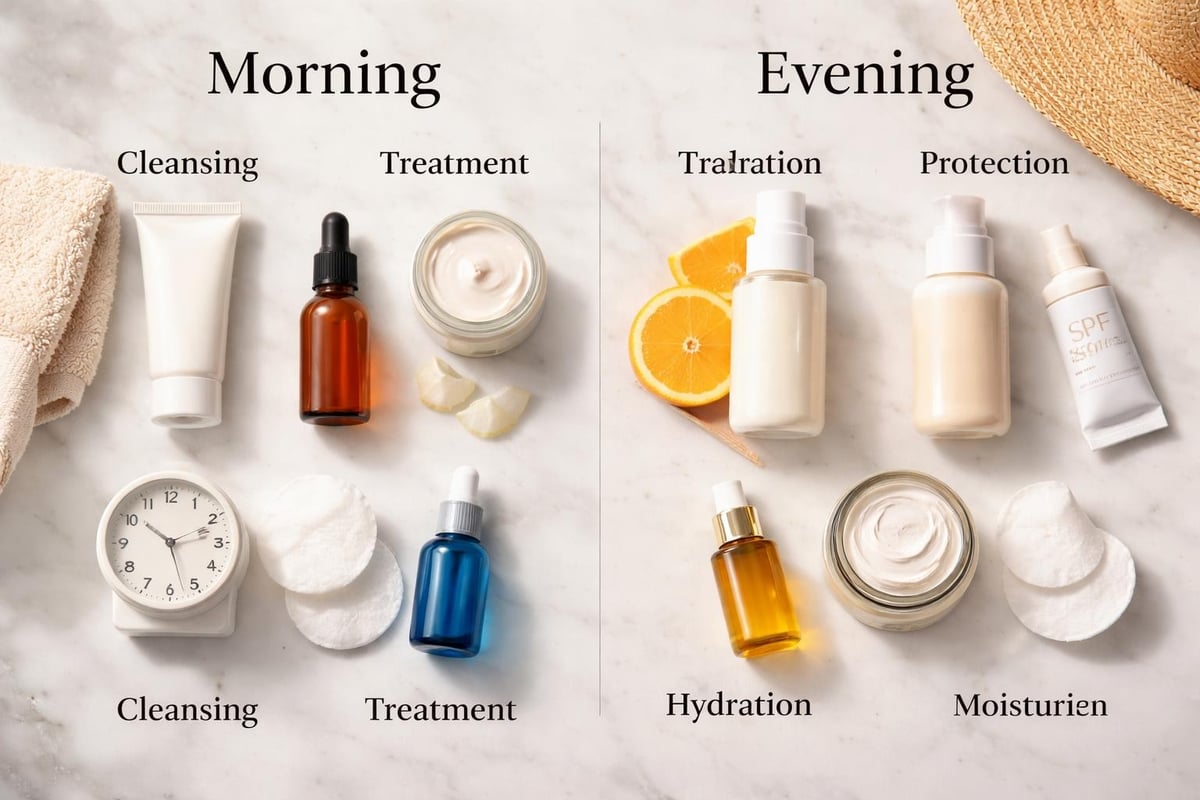
Morning Routine Structure
Start your day with products that protect and prepare your skin:
- Gentle cleanser to remove overnight oil buildup
- Hydrating toner with calming botanicals
- Lightweight serum containing niacinamide or vitamin C
- Oil-free moisturizer with SPF 30 or higher
Sun protection becomes non-negotiable during menopause. Hormonal changes make skin more susceptible to hyperpigmentation, and any post-acne marks darken significantly with sun exposure. Choose mineral sunscreens with zinc oxide, which also provides mild antibacterial benefits.
Evening Routine Essentials
Your nighttime routine supports skin repair and regeneration:
- Double cleanse to thoroughly remove makeup and sunscreen
- Exfoliating toner with gentle acids (2-3 times weekly)
- Treatment serum targeting breakouts and aging concerns
- Rich night cream or natural face cream with nourishing botanicals
- Spot treatment on active breakouts
Consistency matters more than complexity. A simple routine performed daily outperforms an elaborate regimen used sporadically.
When to Seek Professional Guidance
While natural approaches effectively manage most menopause skin breakouts, certain situations warrant professional consultation. Dermatologists specializing in menopausal skin can offer additional treatment options when home care isn't sufficient.
Consider professional help if you experience:
- Severe cystic acne that doesn't respond to natural treatments within three months
- Significant scarring or post-inflammatory hyperpigmentation
- Emotional distress affecting your quality of life
- Sudden, dramatic skin changes that seem disproportionate to typical menopausal shifts
Dermatologists can prescribe hormone therapy, prescription topicals, or oral medications that work alongside your natural skincare routine. Many professionals now embrace integrative approaches combining conventional and natural treatments for optimal results.
The Emotional Impact of Unexpected Breakouts
Dealing with menopause skin breakouts affects more than just your physical appearance. Many women report feeling frustrated, embarrassed, or self-conscious about experiencing acne during a life stage when they expected clearer skin.
Acknowledge these feelings while maintaining perspective. Your worth isn't determined by your skin's appearance, and this challenging phase is temporary. Most women find their skin stabilizes within 2-3 years after their final period as hormone levels reach a new equilibrium.
Connect with others experiencing similar challenges through menopause support groups or online communities. Sharing experiences, product recommendations, and encouragement helps normalize this common transition and reduces feelings of isolation.
Adapting Your Routine Through Different Menopause Stages
Your skin's needs evolve as you progress through perimenopause, menopause, and post-menopause. What works during early perimenopause may need adjustment as your hormone levels change.
During early perimenopause (ages 40-45), you might notice occasional breakouts coinciding with irregular periods. Focus on balancing oil production while maintaining hydration. Lightweight, water-based products work well during this stage.
In late perimenopause and menopause (ages 45-55), breakouts often intensify as estrogen levels drop more dramatically. Treatment approaches for menopausal acne during this stage should emphasize anti-inflammatory ingredients and barrier support while addressing active breakouts.
Post-menopause (after your final period), most women experience gradual improvement in breakouts as hormones stabilize. However, skin becomes progressively drier, requiring richer moisturizers and more intensive hydration strategies.
Prevention Strategies for Long-Term Skin Health
While you can't prevent hormonal fluctuations, you can minimize their impact on your skin through proactive strategies. Building healthy habits now supports clearer skin throughout your menopausal transition and beyond.
Keep your skincare tools clean by washing makeup brushes weekly and replacing sponges monthly. Bacteria buildup on applicators transfers directly to your skin, potentially triggering breakouts or infections in existing blemishes.
Avoid touching your face throughout the day. This unconscious habit transfers oils, bacteria, and environmental pollutants from your hands to your skin, clogging pores and causing inflammation.
Change pillowcases at least twice weekly. During sleep, oil, bacteria, and skincare residue accumulate on fabric, then transfer back to your skin night after night. Fresh pillowcases reduce this cycle of recontamination.
Stay hydrated by drinking adequate water throughout the day. While hydration alone won't clear acne, it supports overall skin function and helps flush toxins from your system. Aim for half your body weight in ounces daily.
Ingredient Combinations to Avoid
When managing menopause skin breakouts, certain ingredient combinations can irritate sensitive skin or reduce product effectiveness. Understanding these incompatibilities helps you build a safer, more effective routine.
Avoid combining retinol alternatives with vitamin C or AHAs in the same routine. These active ingredients can destabilize each other or cause excessive irritation. Use vitamin C in the morning and retinol alternatives at night.
Don't layer multiple exfoliating acids (glycolic, lactic, salicylic) in one session. Menopausal skin is already compromised, and over-exfoliation damages the barrier further, potentially worsening breakouts.
Skip benzoyl peroxide if using other drying acne treatments. This powerful antibacterial agent works well for teen acne but often proves too harsh for dry, sensitive menopausal skin. Natural antibacterial alternatives like tea tree oil offer gentler options.
If you're managing both combination skin and hormonal changes, pay attention to how different zones of your face respond to various products. What works on your oily T-zone might over-dry your cheeks.
Tracking Your Progress and Adjusting Your Approach
Managing menopause skin breakouts requires patience and careful observation. Keep a simple skin journal noting your cycle (if still menstruating), stress levels, diet changes, new products, and breakout patterns.
After introducing a new product, allow at least 6-8 weeks before evaluating its effectiveness. Skin cell turnover slows during menopause, meaning results take longer to appear than they did in your younger years.
Take monthly photos in consistent lighting to track subtle improvements you might not notice day-to-day. These visual records help you identify which products and practices truly benefit your skin versus those that simply promise results.
Be willing to adjust your routine seasonally. Skin that needs lightweight hydration in summer often requires richer formulations during winter months. Similarly, stress levels, dietary patterns, and exercise habits fluctuate throughout the year, influencing your skin's behavior.
Managing menopause skin breakouts requires patience, consistency, and a holistic approach that addresses both topical care and internal wellness. By choosing gentle, natural ingredients and supporting your skin through lifestyle modifications, you can navigate this transitional phase with greater confidence and comfort. At Sinusoothe Ltd, we specialize in natural skincare solutions designed specifically for the unique challenges of hormonal transitions, helping you achieve balanced, healthy skin at every life stage.