
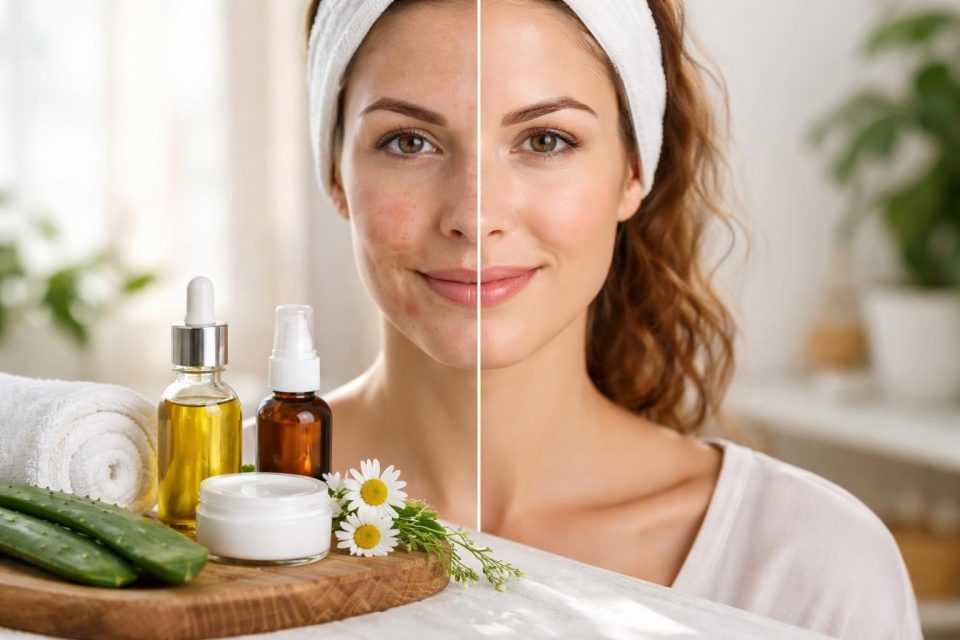
If you've noticed red, bumpy rashes forming around your mouth, nose, or eyes, you might be dealing with perioral dermatitis. This frustrating skin condition affects thousands of people every year, and the journey to clear skin can feel overwhelming. The good news? When you find out how perioral dermatitis can be cured, you'll discover that recovery is absolutely possible with the right approach, patience, and natural skincare solutions.
Understanding What Triggers Perioral Dermatitis
Perioral dermatitis doesn't just appear randomly. This inflammatory skin condition typically develops when your skin barrier becomes compromised, creating the perfect environment for irritation and inflammation.
Common Culprits Behind Breakouts
The triggers for perioral dermatitis are more common than you might think. Many people unknowingly sabotage their skin health through everyday products and habits.
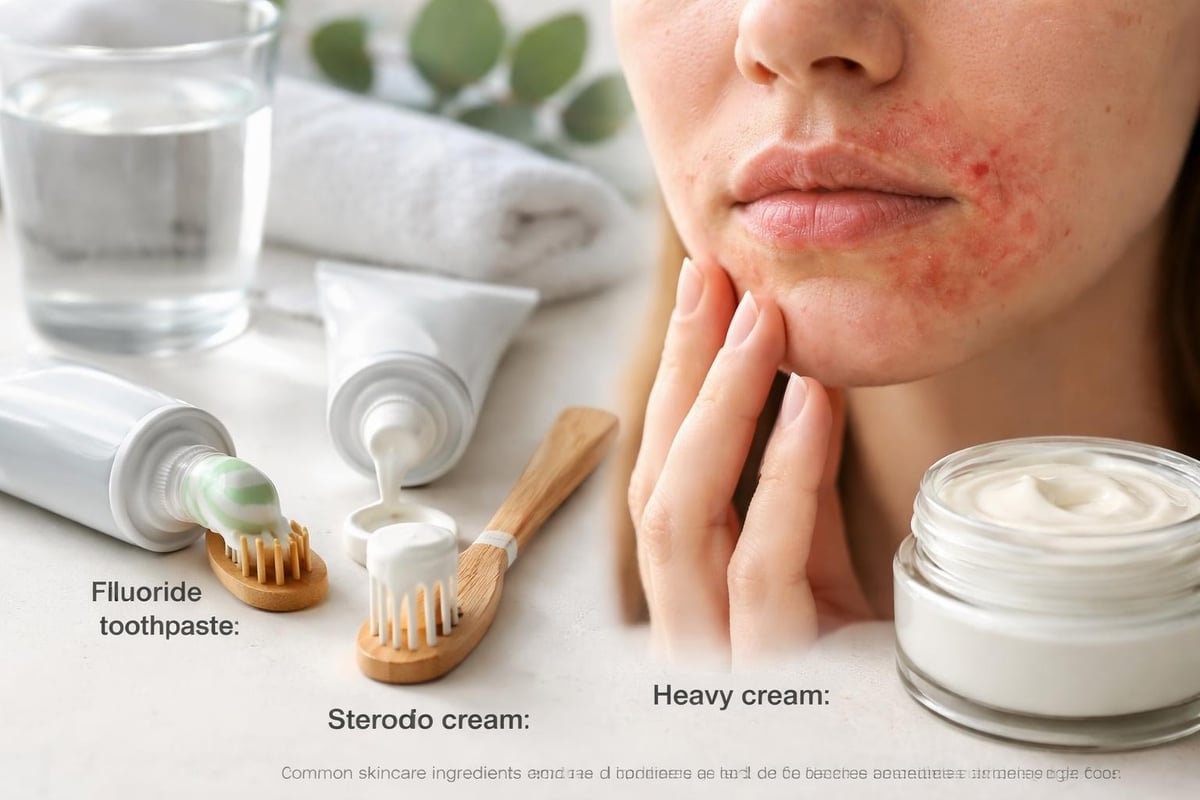
Major trigger categories include:
- Heavy moisturizers and occlusive creams that trap moisture
- Fluorinated toothpaste and dental products
- Topical corticosteroids (ironically, often used to treat the condition initially)
- Hormonal fluctuations during pregnancy or menstrual cycles
- Harsh chemical cleansers and exfoliants
According to Harvard Health’s comprehensive overview of perioral dermatitis, the condition often worsens when people try to self-treat with inappropriate products. Your skin becomes trapped in a cycle of irritation and attempted relief that only makes things worse.
The Role of Skincare Products
Not all skincare is created equal, especially when your skin is inflamed and reactive. Those seemingly innocent face creams might contain ingredients that perpetuate the problem rather than solve it.
Heavy facial creams, particularly those containing petroleum-based ingredients, can suffocate your skin. When you're trying to find out how perioral dermatitis can be cured, eliminating these barrier-disrupting products becomes your first critical step. Switching to natural face creams designed for delicate skin can make an immediate difference in your healing journey.
Medical Treatment Options That Actually Work
When you're ready to find out how perioral dermatitis can be cured through medical intervention, several proven treatments can accelerate your healing process.
Prescription Medications
Dermatologists typically prescribe specific medications that target the inflammatory response underlying perioral dermatitis.
| Treatment Type | Duration | Effectiveness | Side Effects |
|---|---|---|---|
| Topical metronidazole | 8-12 weeks | High | Minimal dryness |
| Oral tetracycline antibiotics | 6-12 weeks | Very high | GI upset possible |
| Topical pimecrolimus | 4-8 weeks | Moderate to high | Burning sensation initially |
| Azelaic acid cream | 8-16 weeks | Moderate | Mild irritation |
The MSD Manual’s professional perspective on perioral dermatitis emphasizes that oral antibiotics, particularly doxycycline and minocycline, show the fastest results for moderate to severe cases. These medications work by reducing inflammation rather than fighting bacteria.
The Zero Therapy Approach
Here's something counterintuitive: sometimes the best treatment involves doing less, not more. Zero therapy means completely stopping all topical products on the affected area.
This approach allows your skin barrier to reset and rebuild naturally. Yes, your skin might look worse for the first week or two. The initial flare-up is actually a positive sign that your skin is beginning to detoxify from the products that were causing problems.
Zero therapy protocol:
- Stop all facial products immediately
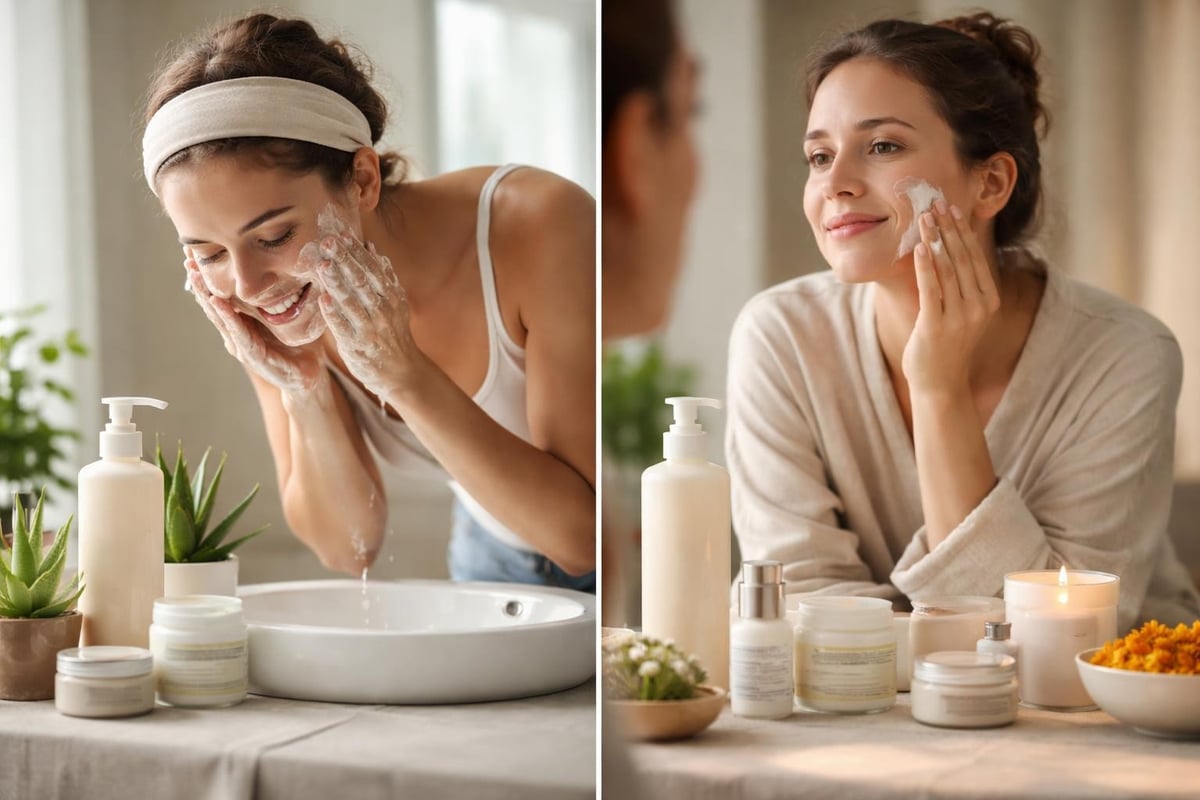
- Use only lukewarm water to cleanse
- Pat skin dry gently with a clean towel
- Resist the urge to apply anything for 2-4 weeks
- Gradually reintroduce minimal, natural products
Natural Remedies and Lifestyle Changes
Beyond medical treatments, when you find out how perioral dermatitis can be cured naturally, you unlock powerful healing methods that work with your body rather than against it.
Dietary Modifications That Support Healing
Your skin reflects your internal health. What you eat directly impacts inflammation levels throughout your body, including your facial skin.
Anti-inflammatory foods become your allies in this healing journey. Think colorful vegetables rich in antioxidants, omega-3 fatty acids from wild-caught fish, and probiotic-rich foods that support gut health.
Foods to emphasize:
- Leafy greens (spinach, kale, Swiss chard)
- Berries packed with antioxidants
- Fatty fish like salmon and sardines
- Fermented foods such as sauerkraut and kimchi
- Turmeric and ginger for anti-inflammatory properties
Conversely, certain foods can trigger inflammatory responses. Dairy products, refined sugars, and processed foods often worsen skin conditions. Healthline’s guide to over-the-counter treatments notes that dietary changes, while often overlooked, can significantly impact healing timelines.
Gentle Skincare Routines
When rebuilding your skincare routine, less is genuinely more. Your damaged skin barrier needs gentle, minimal intervention to heal properly.
Choose products with short ingredient lists featuring recognizable, natural components. Avoid anything with synthetic fragrances, sulfates, or harsh preservatives that could reignite inflammation.
The Mama Nature natural skincare collection offers formulations specifically designed for sensitive, reactive skin types that won't compromise your healing progress.
Managing Flare-Ups and Preventing Recurrence
Understanding how to handle setbacks is crucial when you find out how perioral dermatitis can be cured, because the path to clear skin isn't always linear.
Identifying Your Personal Triggers
Everyone's skin reacts differently. What causes a flare-up in one person might be perfectly fine for another.
Keep a detailed skin diary for at least 30 days. Track everything: products used, foods eaten, stress levels, hormonal cycle, weather conditions, and skin condition each day. Patterns will emerge that reveal your unique triggers.
Quick Intervention Strategies
When you feel a flare-up beginning, quick action can minimize severity and duration.
Immediate steps for emerging flare-ups:
- Strip back to absolute basics in your routine
- Apply cool (not ice-cold) compresses to reduce inflammation
- Increase water intake to support detoxification
- Get adequate sleep to support skin repair
- Avoid touching or picking at affected areas
According to Medical News Today’s comprehensive guide, stress management plays a surprisingly significant role in controlling perioral dermatitis. Chronic stress triggers inflammatory responses throughout your body, including your skin.
The Timeline: What to Expect During Treatment
Patience becomes your superpower when you find out how perioral dermatitis can be cured, because healing takes time. Understanding realistic timelines helps you stay committed to treatment.
Week-by-Week Healing Progression
| Week | What to Expect | Actions to Take |
|---|---|---|
| 1-2 | Possible initial worsening | Continue zero therapy, resist product temptation |
| 3-4 | Gradual improvement begins | Maintain consistency, document progress |
| 5-8 | Noticeable reduction in redness | Begin reintroducing minimal products carefully |
| 9-12 | Significant clearing | Continue gentle routine, identify safe products |
| 13-16 | Near or complete resolution | Establish long-term maintenance plan |
The healing process isn't perfectly linear. You'll experience good days and frustrating setbacks. Those setbacks don't mean you're failing; they're simply part of your skin's recovery journey.
Advanced Treatment Considerations
For stubborn cases that don't respond to initial treatments, more specialized approaches might be necessary when you find out how perioral dermatitis can be cured in complex situations.
When Standard Treatments Aren't Enough
Some perioral dermatitis cases resist first-line treatments. This doesn't mean cure is impossible; it simply means you need a more tailored approach.
Healthline’s article on fast perioral dermatitis treatment discusses combination therapies that dermatologists employ for resistant cases. These might include simultaneous use of oral antibiotics with topical anti-inflammatory agents.
The Importance of Professional Diagnosis
Self-diagnosis can lead you down the wrong treatment path. Conditions like rosacea, seborrheic dermatitis, and contact dermatitis can mimic perioral dermatitis but require different treatments.
A board-certified dermatologist can perform proper diagnostic evaluation and create a customized treatment plan based on your specific situation. The NCBI’s detailed medical overview emphasizes the importance of accurate diagnosis before beginning any treatment protocol.
Building Your Long-Term Maintenance Strategy
Once you've successfully treated perioral dermatitis, preventing recurrence becomes your new focus. True healing means not just clearing current symptoms but establishing habits that keep your skin healthy long-term.
Creating a Sustainable Skincare Routine
Your post-healing routine should maintain the gentle, minimal approach that facilitated your recovery.
Essential routine elements:
- pH-balanced, fragrance-free cleanser used once daily
- Lightweight, natural moisturizer for barrier support
- Mineral-based sunscreen for daytime protection
- Weekly assessment of skin condition
- Quarterly product review to ensure continued compatibility
Natural skincare products formulated without harsh chemicals provide the gentle care your skin needs without risking another flare-up. The special offers available through Mama Nature’s current promotions make stocking your medicine cabinet with safe products more affordable.
Stress Management and Holistic Health
Your skin doesn't exist in isolation from the rest of your body. Holistic health practices support lasting skin clarity.
Regular exercise improves circulation, delivering nutrients to your skin while removing toxins. Quality sleep allows cellular repair processes to function optimally. Mindfulness practices like meditation or yoga help regulate stress hormones that can trigger inflammatory responses.
The Merck Manual’s consumer version confirms that lifestyle factors significantly influence both perioral dermatitis development and recurrence rates.
Special Considerations for Different Demographics
Perioral dermatitis affects various populations differently, and when you find out how perioral dermatitis can be cured for your specific situation, personalized approaches yield better results.
Perioral Dermatitis in Children
Children develop perioral dermatitis less frequently than adults, but when they do, treatment requires extra caution. Many standard medications aren't appropriate for pediatric use.
Nationwide Children’s Hospital’s resource provides specific guidance for parents dealing with this condition in young children. Gentle, natural approaches often work best for kids since their skin is more sensitive and absorbs topical products more readily.
Pregnancy and Hormonal Considerations
Pregnant women face unique challenges because many oral antibiotics used to treat perioral dermatitis aren't safe during pregnancy.
Hormonal fluctuations during pregnancy can trigger perioral dermatitis or worsen existing cases. Treatment focuses heavily on topical options and natural approaches that won't harm the developing baby. Always consult with both your dermatologist and obstetrician before starting any treatment during pregnancy.
Men vs. Women: Different Patterns
While perioral dermatitis predominantly affects women, men who develop the condition often experience it differently. Men's cases frequently relate to shaving irritation or occupational exposures rather than cosmetic product use.
Treatment principles remain similar, but identifying the correct trigger requires looking at gender-specific habits and exposures.
Preventing Perioral Dermatitis Before It Starts
For those who've never experienced this condition, or those who've healed and want to ensure they never deal with it again, prevention strategies prove invaluable.
Smart Product Selection
Choose skincare products wisely from the beginning. Read ingredient labels carefully and avoid products containing known irritants.
Ingredients to avoid:
- Sodium lauryl sulfate (SLS)
- Synthetic fragrances and dyes
- Petroleum-based occlusives
- High concentrations of essential oils
- Harsh physical exfoliants
Natural alternatives provide effective skincare without compromising your skin barrier. Similar to how you might research effective approaches for other skin concerns, investigating gentle, natural ingredients for facial care pays dividends in long-term skin health.
Environmental Protection Strategies
External environmental factors contribute to perioral dermatitis development in susceptible individuals.
Extreme temperatures, both hot and cold, can stress your skin barrier. Wind exposure causes dehydration and irritation. Even indoor heating systems in winter can create conditions that promote perioral dermatitis.
Protect your skin by using appropriate barriers like scarves in cold weather, staying hydrated, and maintaining reasonable indoor humidity levels. These simple environmental modifications support healthy skin function and reduce perioral dermatitis risk.
Finding out how perioral dermatitis can be cured empowers you to take control of your skin health through informed choices, patience, and gentle care. By combining medical treatments when necessary with natural skincare approaches and lifestyle modifications, you create the optimal environment for lasting healing. At Sinusoothe Ltd, we understand the frustration of reactive, sensitive skin and offer natural skincare products formulated specifically for delicate skin types that need gentle, effective care without harsh chemicals that could trigger another flare-up.