
Finding the perfect beauty skin care cream can feel overwhelming in today's crowded marketplace. With thousands of products promising miraculous results, how do you separate genuinely effective formulations from marketing hype? The truth is, understanding what makes a quality beauty skin care cream requires knowledge of ingredients, skin science, and your unique needs. Whether you're battling dryness, seeking anti-aging benefits, or simply maintaining healthy skin, the right cream can transform your complexion. This comprehensive guide will walk you through everything you need to know about selecting, using, and maximizing the benefits of beauty skin care cream in 2026.
Understanding What Makes Beauty Skin Care Cream Effective
The foundation of any exceptional beauty skin care cream lies in its formulation. Unlike basic moisturizers, these creams combine hydration with targeted active ingredients designed to address specific skin concerns. Modern formulations have evolved significantly, incorporating cutting-edge research with time-tested natural ingredients.
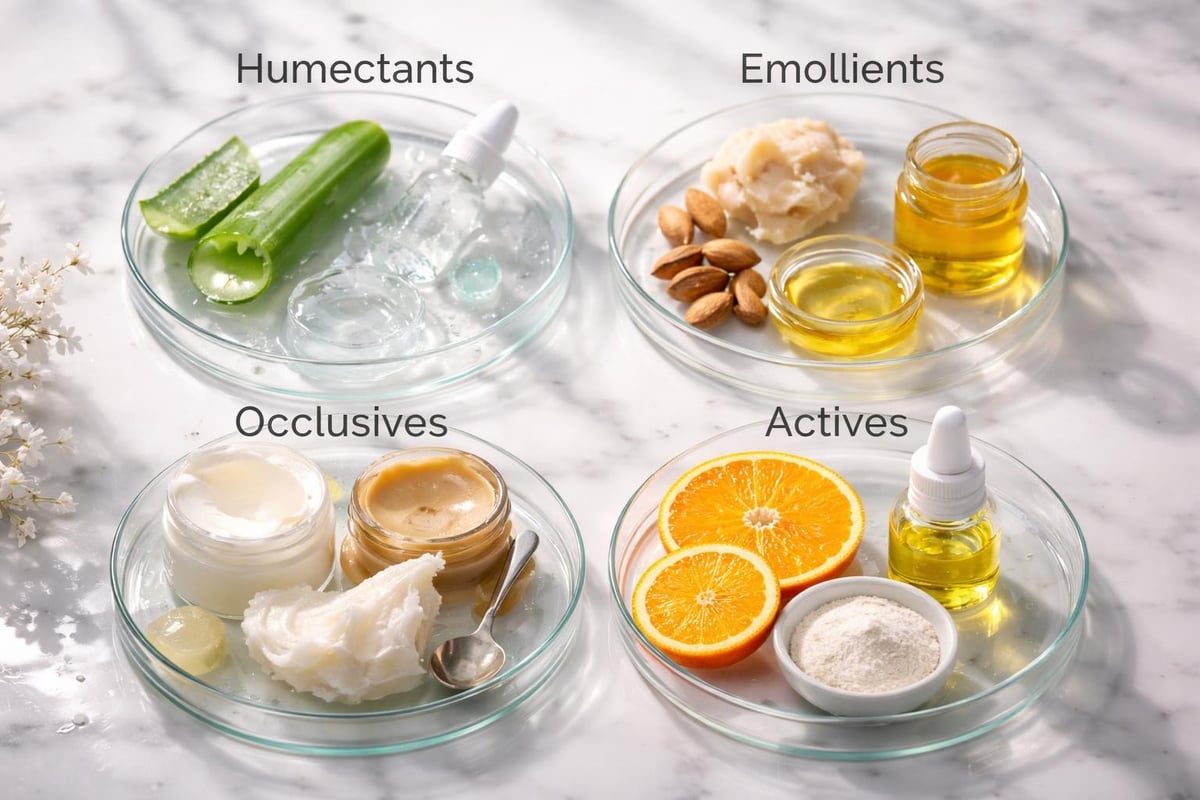
Key components that define quality creams include:
- Humectants like hyaluronic acid and glycerin that draw moisture into the skin
- Emollients such as shea butter and natural oils that soften and smooth
- Occlusives including ceramides that seal in moisture and protect the barrier
- Active ingredients targeting specific concerns like vitamin C, retinol, or peptides
- Natural extracts providing antioxidant and soothing benefits
What sets premium beauty skin care cream apart is the synergy between these components. Dermatologist-created formulations often demonstrate superior results because they're developed with clinical understanding of how ingredients interact with skin biology.
The Science Behind Absorption and Efficacy
Not all beauty skin care cream formulations penetrate skin equally. Molecular size, pH levels, and delivery systems dramatically impact how well active ingredients reach their target layers. Smaller molecules like vitamin C derivatives can penetrate deeper, while larger peptides benefit from encapsulation technology.
The skin's natural barrier exists to keep things out, which makes formulation science crucial. This is why understanding the science behind skin care ingredients helps consumers make informed choices rather than falling for impressive-sounding but ineffective ingredient lists.
Choosing the Right Beauty Skin Care Cream for Your Skin Type
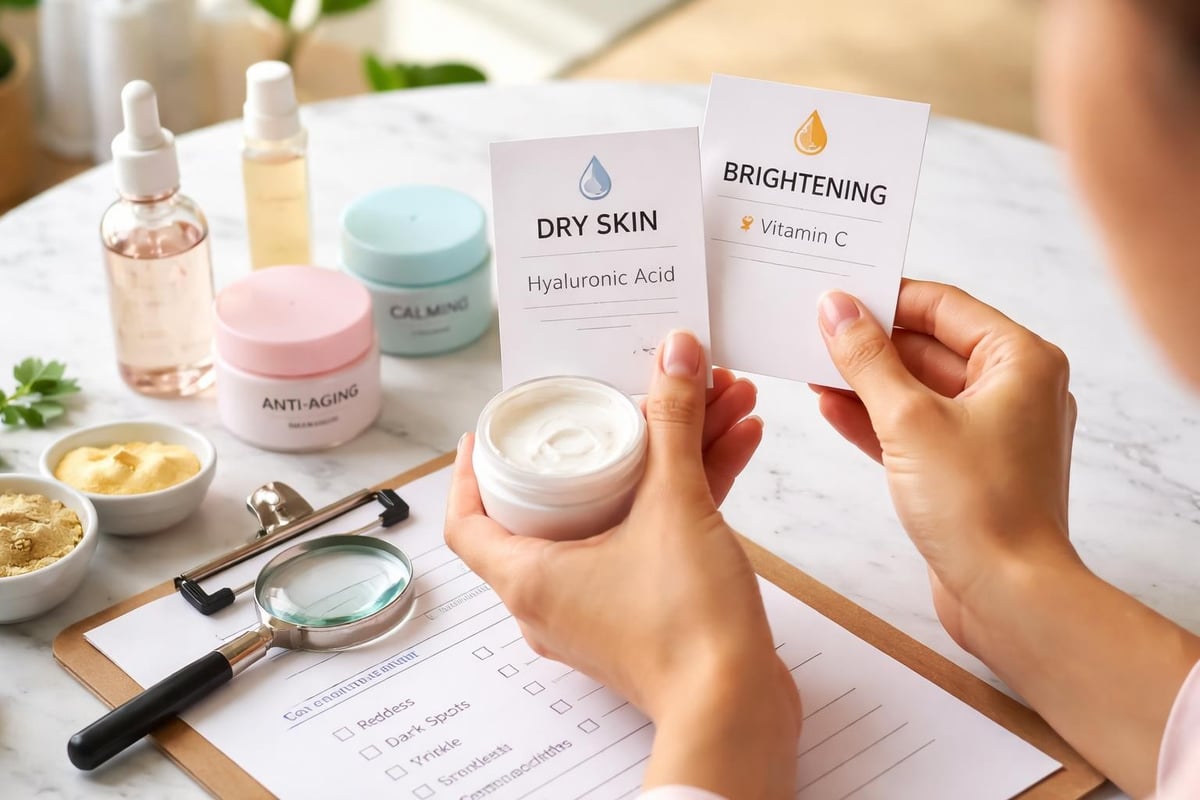
Your skin type dictates which beauty skin care cream will work best for your complexion. Using the wrong formulation can lead to breakouts, irritation, or simply wasted money on products that don't deliver results.
Dry Skin Needs Rich, Nourishing Formulations
If your skin feels tight, flaky, or rough, you need a beauty skin care cream with intensive moisturizing properties. Look for products containing:
- Ceramides to repair the moisture barrier
- Plant oils like argan, jojoba, or rosehip for deep nourishment
- Hyaluronic acid to attract and retain water molecules
- Shea butter or cocoa butter for long-lasting hydration
Natural creams for wrinkles often incorporate these ingredients because they address both dryness and aging concerns simultaneously.
Oily and Combination Skin Requirements
Contrary to popular belief, oily skin still needs moisturization. The key is selecting a beauty skin care cream with a lightweight texture that hydrates without adding excess oil.
| Skin Type | Best Cream Texture | Key Ingredients | Avoid |
|---|---|---|---|
| Oily | Gel-cream, water-based | Niacinamide, salicylic acid | Heavy oils, petrolatum |
| Combination | Lightweight lotion | Hyaluronic acid, squalane | Comedogenic ingredients |
| Dry | Rich cream | Ceramides, plant butters | Alcohol, harsh surfactants |
| Sensitive | Minimal formula | Colloidal oatmeal, calendula | Fragrances, essential oils |
Sensitive Skin Considerations
Those with reactive skin need face cream for delicate skin that prioritizes gentleness over aggressive actives. A quality beauty skin care cream for sensitive skin should be:
- Free from synthetic fragrances and dyes
- Formulated with soothing ingredients like chamomile or aloe
- pH-balanced to support the skin's natural acidity
- Clinically tested for irritation and allergies
The best skin care solutions recommended by dermatologists often emphasize simplicity for sensitive skin, avoiding unnecessary additives that increase reaction risk.
Natural Versus Synthetic: What Matters in Beauty Skin Care Cream
The debate between natural and synthetic ingredients continues to evolve as research advances. The reality? Both categories contain effective and ineffective options. What matters most is ingredient quality, concentration, and formulation stability.
Benefits of natural ingredients in beauty skin care cream:
- Often gentler and less likely to irritate sensitive skin
- Contain complex phytonutrients not easily replicated synthetically
- Appeal to consumers seeking sustainable, eco-conscious options
- May offer multiple benefits from a single ingredient
Natural face creams have gained tremendous popularity as consumers become more ingredient-conscious. However, "natural" doesn't automatically mean "better" or "safer." Poison ivy is natural, after all.
The Importance of Sourcing and Purity
When selecting a beauty skin care cream with natural ingredients, sourcing quality becomes paramount. Properly sourcing skin care products ensures you're getting pure, effective ingredients rather than diluted or contaminated versions.
Premium brands invest in:
- Organic or wildcrafted botanical sources
- Cold-pressing or gentle extraction methods
- Third-party testing for purity and potency
- Sustainable harvesting practices
- Transparent supply chain documentation
Active Ingredients That Transform Your Skin
Beyond basic hydration, the most effective beauty skin care cream includes active ingredients targeting specific concerns. Understanding these powerhouse components helps you select products that deliver real results.
Anti-Aging Actives
Retinol and retinoids remain gold-standard ingredients for reducing fine lines, improving texture, and boosting collagen production. However, they can irritate sensitive skin, making gentler alternatives like bakuchiol increasingly popular in natural beauty skin care cream formulations.
Peptides signal skin cells to produce more collagen and elastin, effectively communicating with your skin to repair and rejuvenate itself. Different peptide types address various concerns, from copper peptides for wound healing to matrixyl for wrinkle reduction.
Vitamin C brightens, protects against environmental damage, and supports collagen synthesis. Stable forms like ascorbic acid or newer derivatives provide antioxidant benefits when properly formulated.
Hydration and Barrier Support
The skin barrier is your first line of defense against environmental stressors, moisture loss, and irritants. A quality beauty skin care cream should support this crucial function.
- Niacinamide (Vitamin B3) strengthens the barrier, reduces inflammation, and regulates oil production
- Ceramides fill gaps between skin cells, preventing water loss
- Hyaluronic acid holds up to 1000 times its weight in water
- Squalane mimics skin's natural oils without clogging pores
Application Techniques That Maximize Results
Even the best beauty skin care cream won't deliver optimal results if applied incorrectly. Proper application technique enhances absorption, ensures even distribution, and maximizes the benefits of active ingredients.
The Right Order Matters
Your skincare routine should follow this general sequence:
- Cleanser to remove impurities and prepare skin
- Toner or essence to balance pH and add hydration
- Serums containing targeted actives
- Beauty skin care cream to seal in previous products and add moisture
- Sunscreen during daytime (always the final step)
Applying products from thinnest to thickest consistency ensures each layer can penetrate properly without being blocked by heavier formulations.
Application Method and Quantity
How much to use: A nickel-sized amount typically suffices for the entire face. More isn't always better, as excess product may sit on the surface rather than absorbing.
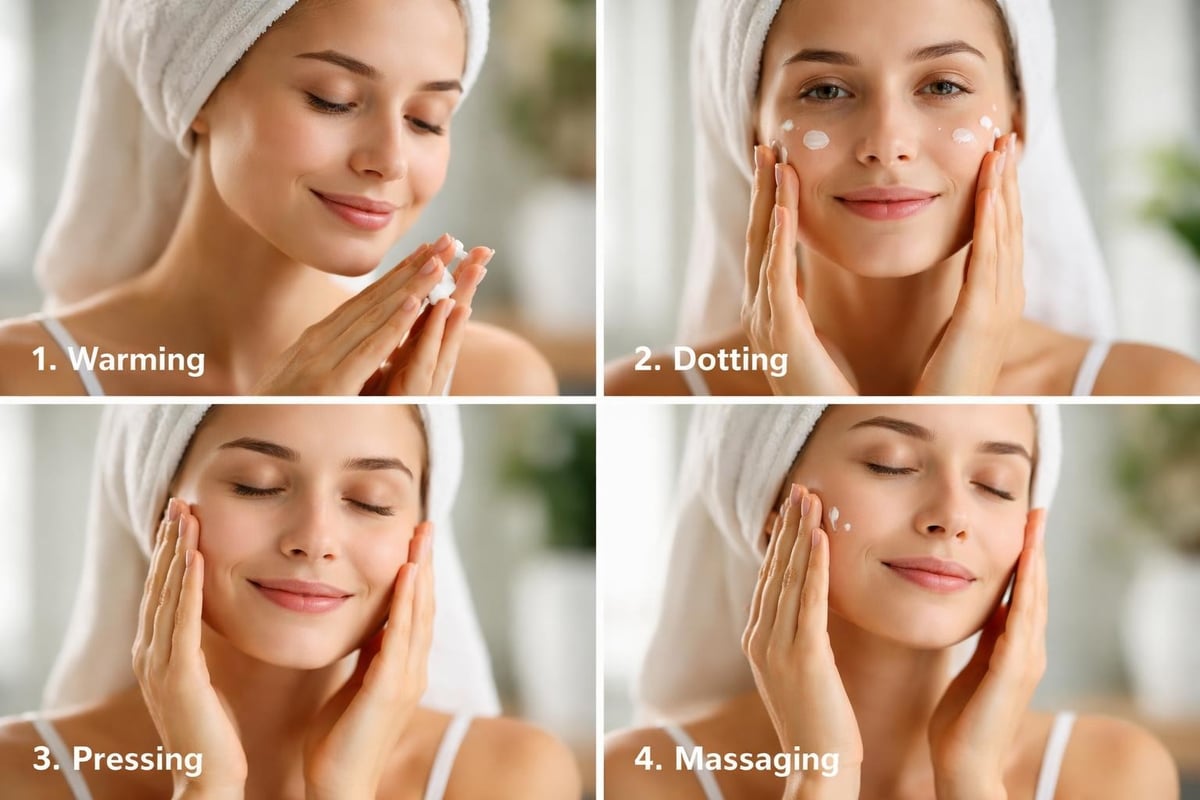
Application technique:
- Warm the beauty skin care cream between clean fingertips
- Dot onto forehead, cheeks, nose, and chin
- Gently press and pat into skin using upward motions
- Avoid pulling or tugging, which can stretch delicate facial skin
- Extend to neck and décolletage, areas often showing early aging signs
Reading Labels and Understanding Ingredient Lists
Becoming an informed consumer means developing label-reading skills. Ingredient lists on beauty skin care cream packaging follow specific regulations that, once understood, reveal valuable information about product quality and composition.
Decoding the Order
Ingredients appear in descending order by concentration until reaching components comprising less than 1% of the formula. This means the first five to seven ingredients typically make up the bulk of any beauty skin care cream.
Red flags to watch for:
- Water as the primary ingredient with expensive actives listed last
- Lengthy lists with multiple fillers and synthetic fragrances
- Marketing claims that don't align with ingredient concentrations
- Proprietary blends hiding individual component amounts
Concentration Matters More Than Presence
A beauty skin care cream listing hyaluronic acid or retinol doesn't guarantee effectiveness. The concentration must reach therapeutic levels, typically:
| Ingredient | Effective Concentration | Purpose |
|---|---|---|
| Retinol | 0.25% – 1% | Anti-aging, cell turnover |
| Vitamin C | 10% – 20% | Brightening, antioxidant |
| Niacinamide | 2% – 10% | Barrier support, pore refinement |
| Alpha Hydroxy Acids | 5% – 10% | Exfoliation, texture |
| Peptides | 3% – 5% | Collagen production |
Dermatologist-approved skin care products typically disclose active ingredient percentages, demonstrating transparency and clinical backing.
Seasonal Adjustments to Your Beauty Skin Care Cream Routine
Your skin's needs fluctuate with environmental changes, requiring adjustments to your beauty skin care cream selection throughout the year. What works perfectly in humid summer months may leave skin parched during dry winter conditions.
Winter Skincare Strategies
Cold air, indoor heating, and low humidity strip moisture from skin, demanding richer formulations. During colder months:
- Switch to heavier, more occlusive beauty skin care cream formulations
- Layer products to create a moisture barrier
- Consider adding facial oils beneath your cream
- Use a humidifier to add moisture to dry indoor air
- Increase application frequency if needed
Sensitive skin cream becomes especially important during winter when compromised barriers make skin more reactive.
Summer Modifications
Warmer weather and increased humidity allow for lighter textures:
- Transition to gel-cream or water-based formulations
- Focus on antioxidant protection against UV damage
- Choose non-comedogenic options that won't clog pores
- Never skip SPF, your most important daytime product
- Consider mattifying ingredients if oiliness increases
The Role of Beauty Skin Care Cream in Overall Skin Health
Healthy skin extends beyond cosmetic appearance to overall barrier function, protection, and comfort. The right beauty skin care cream supports your skin's biological functions while addressing aesthetic concerns.
Supporting the Microbiome
Recent research highlights the skin microbiome's crucial role in maintaining healthy, resilient skin. A quality beauty skin care cream should support this delicate ecosystem rather than disrupting it with harsh preservatives or antibacterial ingredients.
Microbiome-friendly formulations include:
- Prebiotics that feed beneficial bacteria
- Probiotics or postbiotics that support bacterial balance
- Gentle preservative systems that don't destroy good bacteria
- pH-balanced formulas matching skin's natural acidity
Long-Term Benefits Versus Quick Fixes
While some beauty skin care cream products promise overnight transformation, genuine skin improvement requires consistent use over weeks or months. Understanding realistic timelines prevents disappointment and product-hopping.
Typical timelines for visible results:
- Hydration improvements: 1-3 days
- Texture refinement: 2-4 weeks
- Brightness and tone: 4-8 weeks
- Fine line reduction: 8-12 weeks
- Significant anti-aging results: 3-6 months
Sustainability and Ethical Considerations
Modern consumers increasingly consider environmental and ethical factors when selecting beauty skin care cream. Sustainable practices benefit both the planet and often indicate higher quality standards throughout production.
Packaging and Environmental Impact
The beauty industry generates significant waste, making packaging choices important. Look for brands offering:
- Recyclable glass or aluminum containers
- Refillable systems reducing single-use packaging
- Minimal, plastic-free packaging designs
- Post-consumer recycled materials
- Biodegradable or compostable options
Eco-friendly skincare represents growing market demand for sustainable beauty solutions without compromising efficacy.
Ethical Sourcing and Production
Beyond environmental concerns, ethical considerations include:
- Cruelty-free certification ensuring no animal testing
- Fair trade ingredients supporting farming communities
- Transparent supply chains from source to shelf
- Sustainable harvesting protecting wild plant populations
- Living wages for all workers in the production chain
Combining Beauty Skin Care Cream with Other Treatments
While a quality beauty skin care cream forms the foundation of any routine, combining it with complementary treatments amplifies results. Understanding how different products work together prevents conflicts and maximizes benefits.
Layering Serums and Creams
Serums deliver concentrated actives in lightweight formulations, while beauty skin care cream provides hydration and seals in previous products. This combination offers both targeted treatment and protective moisture.
Effective serum and cream combinations:
| Concern | Serum Active | Complementary Cream |
|---|---|---|
| Aging | Vitamin C + Peptides | Rich, ceramide-based |
| Hydration | Hyaluronic acid | Lightweight, barrier-supporting |
| Brightness | Niacinamide | Gentle, non-irritating |
| Sensitivity | Centella asiatica | Minimal, fragrance-free |
Face serums for sensitive skin paired with appropriate creams create comprehensive care systems addressing multiple concerns simultaneously.
Professional Treatments and Home Care
Professional facials, chemical peels, or laser treatments require modified home care routines. Your beauty skin care cream selection may need temporary adjustment following in-office procedures.
Post-treatment considerations include:
- Avoiding active ingredients like retinol immediately after procedures
- Focusing on gentle, hydrating formulations
- Prioritizing barrier repair and sun protection
- Following professional aftercare recommendations
- Gradually reintroducing active ingredients
Common Mistakes to Avoid with Beauty Skin Care Cream
Even high-quality products fail to deliver results when used incorrectly. Avoiding these common pitfalls ensures you get maximum value from your beauty skin care cream investment.
Over-Exfoliation and Barrier Damage
Aggressive exfoliation compromises the skin barrier, making it crucial to balance active treatments with restorative beauty skin care cream. Signs of over-exfoliation include:
- Persistent redness or irritation
- Increased sensitivity to products that previously worked
- Dry, flaky patches despite moisturizing
- Breakouts or inflammatory reactions
- Burning sensation with gentle products
Recovery requires simplifying your routine, focusing on barrier repair, and avoiding all actives temporarily.
Product Incompatibilities
Certain ingredient combinations reduce efficacy or cause irritation. Understanding incompatibilities prevents wasted products and damaged skin.
Avoid combining:
- Retinol with AHAs/BHAs in the same routine
- Vitamin C with niacinamide (debated, but can reduce effectiveness)
- Multiple strong actives without adequate adjustment period
- Fragranced products with compromised skin barriers
Unrealistic Expectations and Product Hopping
Switching beauty skin care cream products every few weeks prevents your skin from showing true results. Most ingredients require consistent use for 6-8 weeks before delivering visible improvements.
Building realistic expectations:
- Research ingredient timelines before starting new products
- Document your skin with photos to track subtle changes
- Give products adequate trial periods (minimum 4 weeks)
- Change one product at a time to identify what works
- Understand that skincare is maintenance, not magic
Selecting and using the right beauty skin care cream transforms your complexion while supporting long-term skin health. By understanding ingredients, matching formulations to your skin type, and applying products correctly, you'll maximize the benefits of every cream you choose. If you're seeking natural, effective skincare solutions backed by quality ingredients and sustainable practices, Sinusoothe Ltd offers thoughtfully formulated products designed to nourish and protect your skin naturally.