

Are you struggling with stubborn skin flare-ups around your mouth every month, just as PMS symptoms hit? You’re not alone. Countless women notice these frustrating breakouts appear right in sync with hormonal shifts.
Understanding the link between perioral dermatitis and pms can feel overwhelming. This guide cuts through the confusion by exploring what really connects these two challenges, using the latest 2026 research.
You’ll discover science-backed explanations, new treatment protocols, and holistic self-care steps for lasting relief. Ready to reclaim your confidence and soothe your skin? Let’s dive in together.
Understanding Perioral Dermatitis: Causes, Symptoms, and Trends in 2026
If you’ve ever noticed persistent redness, tiny bumps, or a burning sensation around your mouth—especially during certain times of the month—you’re not imagining things. Perioral dermatitis and pms are increasingly linked, making it crucial to understand what sets this skin condition apart.
What is Perioral Dermatitis?
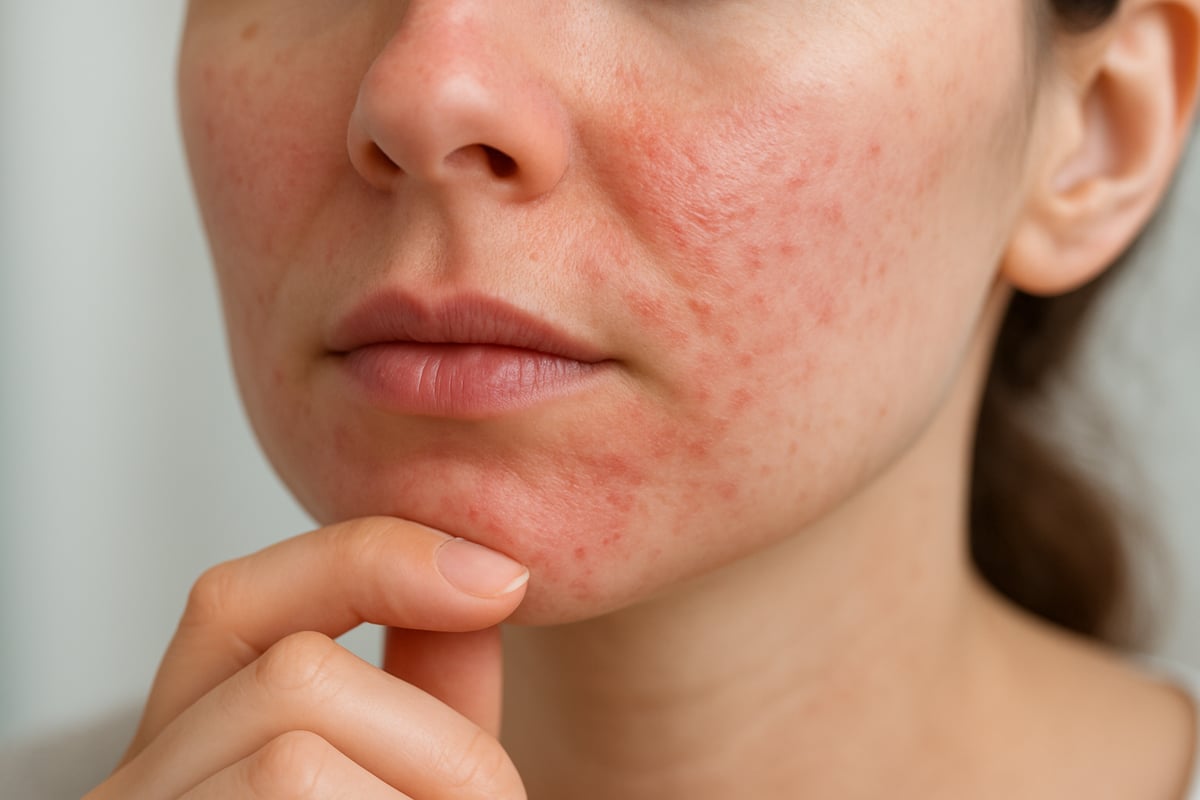
Perioral dermatitis is a facial skin disorder most commonly affecting the area around the mouth and sometimes the nose or eyes. Unlike acne, which often presents with blackheads or deep cysts, perioral dermatitis features clusters of red papules, mild scaling, and a burning or stinging sensation. Rosacea, another lookalike, tends to cause widespread flushing and visible blood vessels rather than the distinct border and pattern seen in perioral dermatitis.
| Condition | Typical Location | Main Symptoms | Key Differences |
|---|---|---|---|
| Perioral Dermatitis | Around mouth/nose/eyes | Red bumps, burning, scaling | No blackheads, distinct border |
| Acne | Face, back, chest | Pimples, blackheads, cysts | Deeper, more varied lesions |
| Rosacea | Cheeks, nose, forehead | Redness, flushing, vessels | Widespread redness, visible vessels |
Recent data shows perioral dermatitis and pms are more frequently reported together among women ages 15 to 45. Prevalence rates have climbed, with environmental changes, cosmetic trends, and stress playing a role. According to Perioral dermatitis symptoms and treatments, classic signs include persistent redness, fine scaling, and a burning sensation—often peaking in sync with hormonal shifts.
Causes and Aggravators
Why are perioral dermatitis and pms so often connected? Hormonal fluctuations during the menstrual cycle can weaken the skin barrier, making it more reactive to irritants. Common aggravators include:
- Toothpastes with fluoride or sodium lauryl sulfate (SLS)
- Heavy or occlusive makeup
- Overuse of topical corticosteroids
- Environmental triggers like pollution or mask-wearing
- Microbiome disruptions due to antibiotics or harsh cleansers
Stressful lifestyles and dietary choices can also influence flare-ups, especially when hormones are already in flux. Many women report that their perioral dermatitis and pms symptoms intensify simultaneously, suggesting a strong link between internal and external triggers. As awareness grows, more people are tracking these patterns to identify their personal aggravators.
Latest Diagnostic Criteria and Tools (2026)
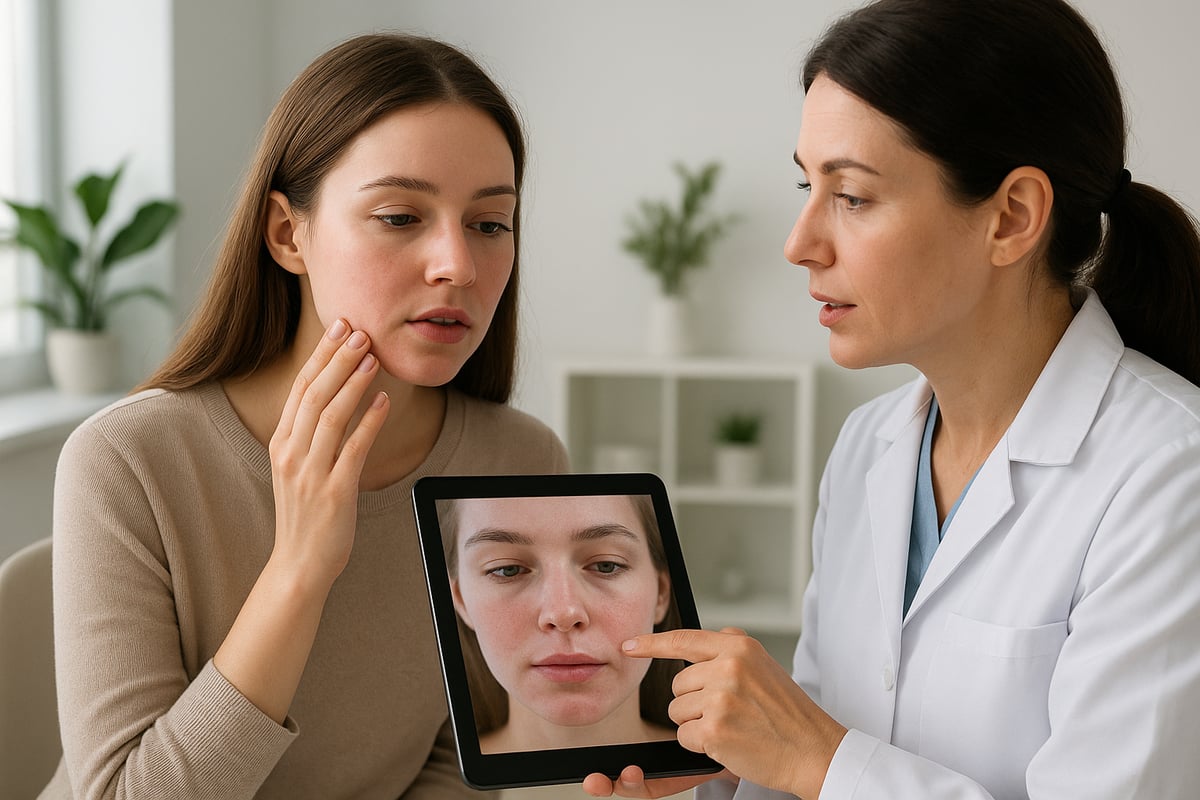
Diagnosing perioral dermatitis and pms-related flare-ups has become more precise in 2026, thanks to updated clinical guidelines and technology. Dermatologists now utilize AI-powered skin analysis to distinguish perioral dermatitis from similar conditions, even during virtual teledermatology appointments.
Early detection is critical. The sooner perioral dermatitis and pms are recognized as interconnected, the more effectively flare-ups can be managed. Patients are encouraged to document symptoms and triggers, making it easier for specialists to tailor treatment plans. With these advances, the path to clearer, calmer skin is more accessible than ever.
PMS and Skin: The Hormonal Connection Explained
Are you noticing a frustrating pattern of skin flare-ups every time PMS rolls around? If perioral dermatitis and pms seem to go hand in hand for you, you are far from alone. This section unpacks how hormonal changes during PMS can directly influence skin health, especially for those prone to perioral dermatitis and pms.
Overview of Premenstrual Syndrome (PMS)
Premenstrual Syndrome, or PMS, affects a vast majority of menstruating women worldwide. According to a 2025 meta-analysis, up to 80% of women experience some form of PMS each month. The symptoms can vary widely, including mood swings, bloating, headaches, fatigue, and—quite notably—changes in skin health.
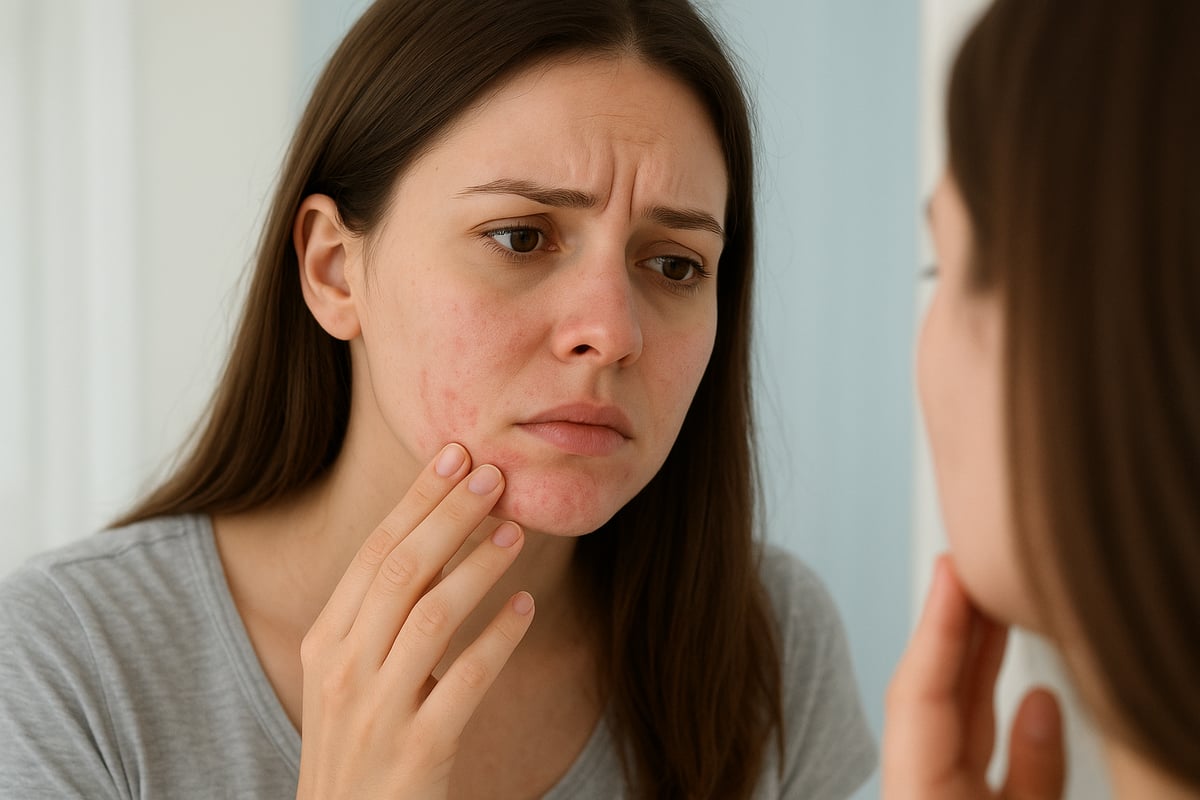
For many, skin issues become more pronounced in the days leading up to menstruation. Increased oiliness, breakouts, redness, and sensitivity are all common complaints. In particular, those who experience perioral dermatitis and pms together often notice that their skin eruptions cluster around this time.
This connection can make daily life more challenging. Self-esteem can take a hit, and routines may need to shift to accommodate fluctuating skin needs. Recognizing the patterns associated with perioral dermatitis and pms is the first step toward proactive management.
Hormones and Skin Flare-Ups
Why does the skin act up around PMS? The answer lies in the complex dance of hormones throughout the menstrual cycle. During the luteal phase, estrogen drops while progesterone and androgens rise. This shift can increase sebum production, weaken the skin barrier, and trigger inflammation.
Scientific studies have shown that these hormonal changes make skin more sensitive and reactive, especially for those already dealing with perioral dermatitis and pms. Skin issues tend to appear about a week before menstruation, peaking as hormone levels fluctuate most sharply.
If you are curious about the science behind these flare-ups, Adult acne causes and treatments offers a helpful breakdown of how hormonal imbalances can spark skin problems in adults. Understanding this timeline helps you anticipate and prepare for when perioral dermatitis and pms are likely to be at their worst.
Why Perioral Dermatitis Worsens with PMS
Recent research from 2024 to 2026 has shed new light on why perioral dermatitis and pms are so closely linked. Dermatologists and endocrinologists now recognize that hormonal triggers are a major factor in cyclic flare-ups. The body’s immune response shifts during PMS, increasing inflammation and making skin more vulnerable.
Patient case studies consistently report that redness, bumps, and irritation around the mouth worsen in the premenstrual phase. This cyclical pattern is now a well-documented phenomenon. Experts recommend tracking symptoms alongside your cycle to spot trends and tailor your skincare routine for perioral dermatitis and pms.
If you are struggling each month, know that you are not imagining things. The connection between perioral dermatitis and pms is real, and understanding it is key to finding lasting relief.
The Perioral Dermatitis and PMS Link: What Science Says in 2026
For years, patients and doctors have noticed a curious pattern: perioral dermatitis and pms seem to flare up together in a monthly dance. But what does the latest research reveal about this connection in 2026? Let’s dive into the science, real-world stories, and expert opinions that are shaping the way we understand and treat these intertwined conditions.

Research Findings on the Connection
Recent studies from 2022 to 2026 have confirmed what many suspected: there is a significant relationship between perioral dermatitis and pms. Researchers have found that up to 60 percent of women with perioral dermatitis experience noticeable flare-ups right before or during their menstrual cycle.
The science points to a surge in inflammatory mediators, such as cytokines, during the luteal phase of the cycle. This spike increases skin sensitivity and triggers immune responses that aggravate perioral dermatitis and pms symptoms. Additionally, experts are exploring genetic predispositions and epigenetic changes that could make some women more susceptible to these cyclical skin issues.
A growing body of research, including a pivotal 12-year retrospective study, is helping clinicians reassess triggering factors in periorificial dermatitis. These findings suggest that hormonal shifts are a major culprit, but environmental and lifestyle triggers also play a role.
Researchers are now using advanced diagnostic tools, like AI-powered skin analysis, to better predict and manage flare-ups. This evolving science is reshaping the way doctors approach perioral dermatitis and pms in 2026.
Patient Experiences and Patterns
What does living with perioral dermatitis and pms look like for real people? According to recent global surveys, over half of women with perioral dermatitis notice their symptoms intensify in the days leading up to menstruation. The most common complaints include redness, burning, and clusters of bumps around the mouth and nose.
Many patients report the following pattern:
- Flare-ups begin 3–7 days before menstruation
- Symptoms peak during the first two days of the period
- Skin gradually improves as hormone levels stabilize
Personal stories echo these findings. One patient shared, “Every month, my skin warns me my period is coming before my calendar does.” Others describe feeling frustrated by the unpredictability of perioral dermatitis and pms, especially when stress and dietary changes add more variables.
These shared experiences highlight the need for personalized care plans and greater awareness of how perioral dermatitis and pms interact.
Expert Insights and Controversies
Dermatologists and endocrinologists largely agree that perioral dermatitis and pms are deeply connected, but debates remain about the exact mechanisms. While hormonal fluctuations are a clear trigger, some experts argue that gut health, stress, and even climate factors may amplify the cycle.
Medical associations now recommend early intervention, especially for women who spot a monthly pattern in their skin flare-ups. However, research gaps persist. Larger studies are needed to clarify the role of genetics and to explore why some women are more affected than others.
Ultimately, the consensus is clear: recognizing the link between perioral dermatitis and pms is key to effective management. As more research emerges, the hope is that women will have access to even more targeted treatments and support.
2026 Treatment Protocols: Medical and Holistic Approaches
Navigating treatment for perioral dermatitis and pms in 2026 is a journey that blends innovation with holistic wisdom. From breakthrough medications to mindful lifestyle tweaks, options have never been broader or more tailored. Let’s explore what’s new and what really works for perioral dermatitis and pms.
Latest Medical Treatments
Medical science has transformed how we approach perioral dermatitis and pms flare-ups. In 2026, dermatologists recommend starting with new-generation topical treatments that are gentle yet effective. These include:
- Non-steroidal anti-inflammatory creams that reduce redness and bumps without thinning the skin
- Advanced topical antibiotics designed to target resistant bacteria while preserving the skin barrier
- Calcineurin inhibitors, which help calm inflammation for sensitive cases
For stubborn or widespread cases, oral medications have evolved as well. Updated protocols suggest:
- Short courses of oral antibiotics, focusing on minimizing resistance
- Low-dose anti-inflammatories that support both skin and hormonal balance
- Select hormonal therapies for those with clear cyclical patterns in perioral dermatitis and pms symptoms
Light-based therapies, such as LED and laser treatments, have become safer and more precise. Recent trials show these can speed up healing and reduce pigmentation when supervised by a professional.
The integration of AI-powered skin analysis helps doctors personalize treatment plans, ensuring earlier intervention and better outcomes for perioral dermatitis and pms.
Hormonal Management Strategies
Since hormones play a key role in perioral dermatitis and pms, managing these fluctuations is pivotal. Many women find relief with hormonal contraceptives or cycle-regulating medications, which can stabilize symptoms. However, it’s essential to weigh benefits and risks.
- Combined oral contraceptives may help decrease flare-ups by smoothing hormone swings
- Progestin-only options are sometimes preferred for those prone to estrogen-driven breakouts
- Medications that regulate cycles, like certain GnRH modulators, have shown promise in severe cases
Recent research, including findings on hormonal contraception and periorificial dermatitis, highlights the need for personalized approaches—what works for one person may not for another.
Genetic testing is rising in popularity, helping tailor hormonal treatments to individual needs. This approach minimizes trial and error, offering hope for those whose perioral dermatitis and pms are resistant to standard therapies.
Always consult a dermatologist or endocrinologist before starting new hormonal medications, especially if you notice changes in your skin during your cycle.
Holistic and Lifestyle Approaches
The mind-body connection is powerful for managing perioral dermatitis and pms. Holistic strategies focus on supporting the skin from the inside out. Consider these evidence-based approaches:
- Diet modifications: Incorporate anti-inflammatory foods like leafy greens, berries, and omega-3-rich fish. Limit processed foods, sugary snacks, and dairy if you notice they trigger symptoms.
- Probiotic-rich diets and elimination trials help restore gut-skin balance.
- Hydration is key—drink plenty of water throughout your cycle.
Stress management techniques are crucial. Mindfulness, yoga, and guided breathing exercises can reduce flare-ups by lowering cortisol levels.
A gentle skincare routine matters, too. Opt for fragrance-free cleansers and moisturizers that support the skin barrier. Avoid over-washing and harsh exfoliants, which can worsen perioral dermatitis and pms symptoms.
Natural Skincare Solutions
The demand for natural options in perioral dermatitis and pms management is soaring. Patients and professionals alike seek products that soothe without irritation. Look for these ingredients:
- Calendula and chamomile, known for calming redness and supporting healing
- Niacinamide, which strengthens the skin barrier and reduces inflammation
- Ceramides and hyaluronic acid for deep, non-greasy hydration
Avoid products with harsh chemicals, artificial fragrances, and sulfates. Instead, choose organic, eco-friendly options tailored for sensitive skin.
Many have found success with simple routines—fewer products, better ingredients. Patch-test new products before full use, especially during the days when perioral dermatitis and pms are most active.
Natural skincare, when combined with medical and lifestyle interventions, offers a comprehensive plan for lasting relief. Always remember to listen to your skin and adjust your regimen as needed.
Step-by-Step Self-Care Guide for Managing Perioral Dermatitis and PMS
Navigating perioral dermatitis and PMS can feel overwhelming, but the right self-care plan can make a world of difference. This step-by-step guide empowers you to take control of your skin and hormonal health, using practical strategies tailored for 2026. Let’s break down each step so you can build routines that last.
Step 1: Track Your Cycle and Symptoms
The first step in managing perioral dermatitis and PMS is gaining awareness of your patterns. Many women notice skin flare-ups coincide with certain phases of their menstrual cycle. By tracking your period and skin changes, you can predict when symptoms might spike.
Choose a digital app or wearable that lets you log both hormonal symptoms and skin reactions. Popular options in 2026 include apps with AI-powered insights that highlight trends between PMS and perioral dermatitis and PMS flare-ups.
- Log daily skin condition (redness, bumps, dryness)
- Record PMS symptoms (mood, energy, bloating)
- Set reminders for upcoming cycle phases
Over time, you’ll spot connections between hormonal shifts and your skin. This empowers you to anticipate and manage perioral dermatitis and PMS before symptoms peak.
Step 2: Create a Hormone-Friendly Skincare Routine
Your skin deserves extra care during hormonal changes. The best approach for perioral dermatitis and PMS is a gentle, barrier-supporting routine. Avoid harsh exfoliants or fragrances, as these can irritate sensitive skin.
Focus on:
- Gentle, soap-free cleansers
- Fragrance-free, non-comedogenic moisturizers
- Barrier creams with ceramides or niacinamide
Sample morning routine:
| Step | Product Type | Key Ingredients |
|---|---|---|
| Cleanser | Creamy, non-foaming | Glycerin, aloe vera |
| Moisturizer | Lightweight, soothing | Niacinamide, ceramides |
| SPF | Mineral sunscreen | Zinc oxide, titanium dioxide |
For more holistic skincare ideas, check out these natural skincare tips for spring, which are perfect for sensitive skin.
Adapt your routine as needed, especially in the days leading up to your period, when perioral dermatitis and PMS can be at their worst.
Step 3: Adjust Diet and Lifestyle
What you eat and how you live can influence perioral dermatitis and PMS. Prioritize foods that reduce inflammation and support hormonal balance.
- Include: leafy greens, berries, fatty fish, probiotic-rich yogurt
- Limit: processed foods, excess dairy, sugar, caffeine
- Stay hydrated with water or herbal teas
Incorporate regular exercise and prioritize sleep. Even small adjustments, like swapping a sugary snack for a handful of nuts, can make a difference. Remember, perioral dermatitis and PMS respond well to consistency over time.
Step 4: Manage Stress Proactively
Stress is a known trigger for both perioral dermatitis and PMS. Building a daily stress-reduction habit can lower your risk of flare-ups and improve your overall well-being.
Try these simple techniques:
- Guided meditation or deep breathing (5-10 minutes daily)
- Gentle yoga or stretching
- Journaling your thoughts and feelings
Chronic skin conditions can also impact mental health. Recent research highlights the increased long-term risks of mental health issues in perioral dermatitis, so it’s important to manage stress early and seek support if you notice anxiety or depression alongside perioral dermatitis and PMS.
Step 5: Consult with Professionals
Sometimes, managing perioral dermatitis and PMS requires expert help. If symptoms worsen, persist, or affect your daily life, reach out to a dermatologist or gynecologist.
Telehealth services in 2026 make it easier than ever to get guidance from home. Here’s what to expect:
- Virtual skin assessments and hormone consultations
- Personalized treatment plans based on your cycle and skin history
- Recommendations for lab tests or prescription therapies
Prepare questions in advance, such as:
- Are my symptoms typical for perioral dermatitis and PMS?
- What treatment options work best with my cycle?
- How can I safely adjust my skincare routine?
Partnering with professionals ensures you’re not facing perioral dermatitis and PMS alone.
Step 6: Monitor Progress and Adapt
The final step is ongoing: track your progress and adjust your approach as needed. Keep a journal or use your app to note which strategies help most during each phase of your cycle.
Look for these signs of improvement:
- Fewer or milder flare-ups
- Shorter duration of symptoms
- Better emotional resilience
If you notice changes, update your routines. If new symptoms arise, revisit earlier steps or consult with your healthcare provider. Remember, perioral dermatitis and PMS are dynamic, and your self-care should be, too.
Future Directions: Innovations and Prevention Strategies for 2026 and Beyond
What does the future hold for those navigating perioral dermatitis and pms? The landscape is evolving fast, and new innovations are making it easier to manage both conditions with confidence. Let’s explore the breakthroughs, prevention tactics, and big-picture changes shaping 2026 and beyond.
Advances in Dermatology and Hormonal Health
The intersection of technology and medicine is transforming how we approach perioral dermatitis and pms. Artificial intelligence is now part of daily dermatology, with smart algorithms analyzing skin images to spot early warning signs. These tools help tailor treatment plans and monitor progress in real time.
Next-generation probiotics and microbiome-targeted therapies are gaining momentum. By nurturing skin-friendly bacteria, these treatments aim to restore balance and reduce flare-ups tied to perioral dermatitis and pms. Hormone monitoring wearables are also emerging, offering women instant feedback on their cycle and predicting when skin changes might occur.
Here’s a quick comparison of innovations:
| Innovation | Purpose | Impact in 2026 |
|---|---|---|
| AI skin analysis | Early detection and tracking | Personalized care, quick action |
| Microbiome tech | Restore skin bacteria balance | Fewer flare-ups |
| Hormone wearables | Real-time cycle and skin monitoring | Anticipate and prevent symptoms |
Imagine how these advances will empower you to take control of perioral dermatitis and pms like never before.
Preventive Strategies
Prevention is becoming a top priority for both patients and healthcare providers. Early education programs now teach teens and women about recognizing signs of perioral dermatitis and pms, emphasizing the importance of gentle skincare and mindful product choices.
Workplaces and schools are also implementing accommodations for those affected by pms-related skin issues, helping reduce stigma and support well-being. Community networks, both online and offline, connect women for advice, encouragement, and shared resources.
Recent data, such as findings on the incidence and prevalence of perioral dermatitis in the United States, highlight the need for proactive prevention. These numbers reinforce the importance of awareness and early action.
Effective prevention steps include:
- Using fragrance-free, non-irritating skincare products
- Tracking hormonal cycles to anticipate flare-ups
- Joining support groups for shared learning and motivation
With these tools, the future of perioral dermatitis and pms management feels more hopeful.
Lifestyle and Environmental Shifts
Urban living, pollution, and climate changes are reshaping how we care for our skin. The rise of eco-friendly and sustainable skincare products reflects a growing awareness that what’s good for the planet can also be good for managing perioral dermatitis and pms.
People are choosing barrier-repair moisturizers made with natural ingredients. Hydration, restful sleep, and regular exercise remain the foundation for healthy skin and balanced hormones. Wellness trends like digital detoxes and forest bathing are gaining traction, helping reduce stress that can trigger flare-ups.
It’s clear that adapting to our environment is key to keeping perioral dermatitis and pms symptoms at bay.
Closing Thoughts from Experts
Dermatologists and endocrinologists agree: the future of perioral dermatitis and pms care lies in innovation, education, and self-advocacy. Patients are encouraged to stay informed, use digital tools to track progress, and collaborate with healthcare professionals.
Ongoing research will continue to unlock new strategies, while community support and patient advocacy fuel positive change. If you’re seeking more information or guidance, credible resources and expert networks are just a click away.
By staying proactive and open to new approaches, you can look forward to a brighter, clearer future with perioral dermatitis and pms under control.