
Are you ready to discover how to slow down ageing after menopause and reclaim your energy, confidence, and zest for life? You are not alone on this journey. This guide will show you science-backed ways to navigate hormonal changes and take charge of your wellbeing.
You will learn practical steps for nutrition, exercise, skincare, medical options, and holistic wellness. Each strategy is designed to help you look and feel your best in 2026 and beyond. Dive in and unlock your roadmap to thriving after menopause—your most vibrant years can start now.
Understanding Ageing After Menopause: Biological Changes and Challenges
Navigating how to slow down ageing after menopause begins with understanding the powerful biological shifts that occur during this phase. These changes affect not just how you look, but also how you feel, move, and think. By exploring the root causes and challenges, you can take meaningful steps toward a vibrant future.
The Role of Hormones in Ageing
Hormones are the hidden conductors of your body's orchestra. After menopause, levels of estrogen and progesterone drop sharply. This change is at the heart of how to slow down ageing after menopause, as it influences everything from skin to bones.
A rapid decline in estrogen can lead to a 30% decrease in skin collagen within five years, making skin thinner and less elastic. Bones lose density faster, raising osteoporosis and fracture risks. Muscle mass often declines, while fat shifts toward the abdomen. These shifts also impact metabolism, making weight management more challenging.
Beyond the physical, hormonal changes can disrupt sleep, energy, and mood. Many women experience more frequent awakenings, daytime fatigue, or mood swings. These symptoms are not only common, but also manageable with the right support. For expert guidance on managing these hormonal changes, consider reviewing the ESE Clinical Practice Guideline on Menopause Management, which provides valuable recommendations for both hormonal and non-hormonal strategies.
| Hormonal Change | Impact Area | Common Symptom |
|---|---|---|
| Estrogen Decline | Skin, Bones, Brain | Dry skin, bone loss |
| Progesterone Drop | Mood, Sleep | Insomnia, anxiety |
Understanding these hormonal shifts is key in your journey to discover how to slow down ageing after menopause.
Common Ageing Concerns Post-Menopause
Many women notice visible changes soon after menopause. Wrinkles deepen, skin feels drier, and elasticity fades. Hair may thin or change texture, adding to feelings of self-consciousness.
Joint stiffness and reduced mobility can make daily movement more difficult. Weight gain is common, especially around the abdomen, due to changing fat distribution. Bones become more fragile, raising the risk of fractures. Cognitive changes like forgetfulness or brain fog may also appear.
Here are some of the most common concerns:
- Accelerated skin ageing: wrinkles, dryness, loss of elasticity
- Thinning hair and changes in hair texture
- Joint stiffness and decreased mobility
- Weight gain, especially abdominal fat
- Reduced bone density and fracture risk
- Memory lapses and brain fog
Recognizing these concerns is the first step in learning how to slow down ageing after menopause and regain confidence in your body and mind.
Psychological and Social Aspects
Ageing after menopause is not just a physical journey. The emotional impact of visible changes can be profound. Many women find their self-image shifting, sometimes facing a loss of confidence or even increased anxiety.
Societal expectations and ageism can add pressure, making it harder to embrace this new chapter. Navigating how to slow down ageing after menopause means addressing both inner and outer changes. Support networks, whether friends, family, or online communities, play a vital role in maintaining mental health and resilience.
Consider these aspects:
- Emotional response to ageing, such as sadness or frustration
- Changes in self-esteem and body image
- Social isolation or feeling invisible
- The importance of supportive relationships and mental health resources
Embracing these psychological and social factors is just as crucial as managing physical symptoms when exploring how to slow down ageing after menopause.
Step 1: Nutrition and Hydration for Longevity
Taking charge of your nutrition and hydration is one of the most powerful ways to discover how to slow down ageing after menopause. These daily choices shape your energy, skin, bone strength, and even how you feel about yourself. Small changes can spark big results, helping you look and feel vibrant at any age.
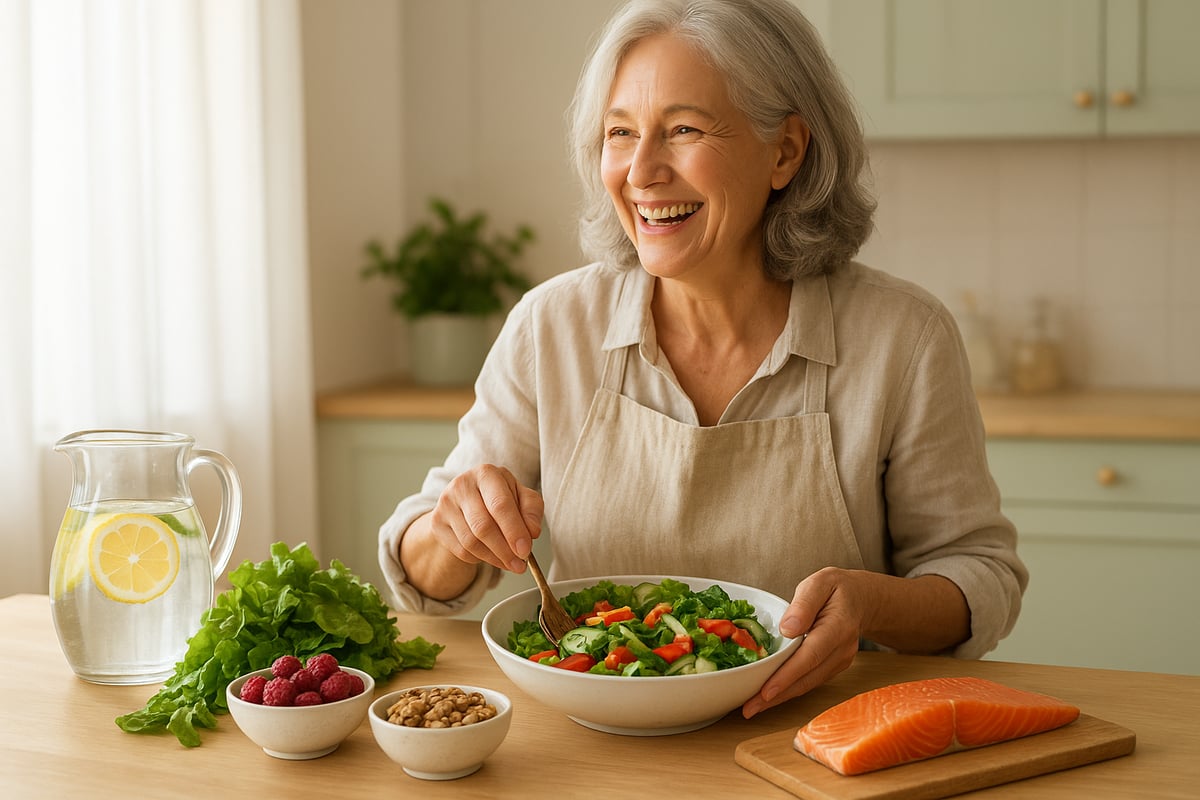
Essential Nutrients for Post-Menopausal Health
Wondering how to slow down ageing after menopause on a cellular level? Start with your plate. Protein is crucial for maintaining muscle, which naturally declines with age. Aim for lean meats, eggs, beans, and tofu at each meal.
Calcium and vitamin D are your bone’s best friends, reducing the risk of osteoporosis. Think dairy, fortified plant milks, and sunlight for vitamin D. Omega-3 fatty acids, found in oily fish and flaxseed, support heart and brain health.
Antioxidants like vitamin C, E, and polyphenols shield your cells from oxidative stress. Fill your diet with berries, nuts, and vibrant veggies. Phytoestrogens from soy and flaxseed may help balance hormones, offering gentle support as your body adjusts. Prioritizing these nutrients sets a solid foundation for how to slow down ageing after menopause.
Hydration and Its Anti-Ageing Effects
Did you know that water is one of your skin’s best allies in learning how to slow down ageing after menopause? Dehydration can make fine lines more visible and sap your energy. Drinking enough water each day keeps skin plump, supports organ function, and helps flush toxins.
Hydration also plays a key role in combating dryness, a common concern after menopause. For targeted advice, explore Menopause and dry skin solutions to keep your skin comfortable and resilient. Herbal teas, water-rich fruits, and avoiding excessive caffeine or alcohol can further boost your hydration.
Make it a habit to keep a water bottle nearby. Even mild dehydration can affect mood and memory, so staying hydrated is a simple but powerful way to support how to slow down ageing after menopause.
Foods to Embrace and Avoid
Choosing the right foods is essential when considering how to slow down ageing after menopause. Embrace nutrient-rich options that nourish your body from within:
| Foods to Embrace | Foods to Avoid |
|---|---|
| Leafy greens | Processed foods |
| Berries | Excess sugar |
| Nuts and seeds | Trans fats |
| Oily fish | High-sodium items |
| Whole grains |
The Mediterranean diet, centered around these foods, has been shown to reduce cardiovascular risk by 30 percent in post-menopausal women. Fill your plate with colorful, whole ingredients and minimize processed snacks. This approach not only supports longevity but also helps you manage weight and inflammation, key to how to slow down ageing after menopause.
Meal Timing and Intermittent Fasting
Beyond what you eat, when you eat also impacts how to slow down ageing after menopause. Time-restricted eating, such as an overnight fast of 12–14 hours, gives your body a chance to repair and reset. This can improve metabolism, support cellular renewal, and help stabilize blood sugar.
If you’re curious about intermittent fasting, start gently. Avoid skipping meals, and listen to your body’s signals. Pair fasting windows with balanced meals that include protein, fiber, and healthy fats. This rhythm can help maintain muscle, support heart health, and keep your energy steady, all important elements in the journey of how to slow down ageing after menopause.
Step 2: Exercise and Physical Activity to Slow Ageing
Staying active is a non-negotiable part of how to slow down ageing after menopause. Movement is more than just a tool for looking good; it’s a science-backed way to protect your heart, bones, and brain. Let’s explore the best exercise strategies to help you stay vibrant, strong, and sharp after menopause.
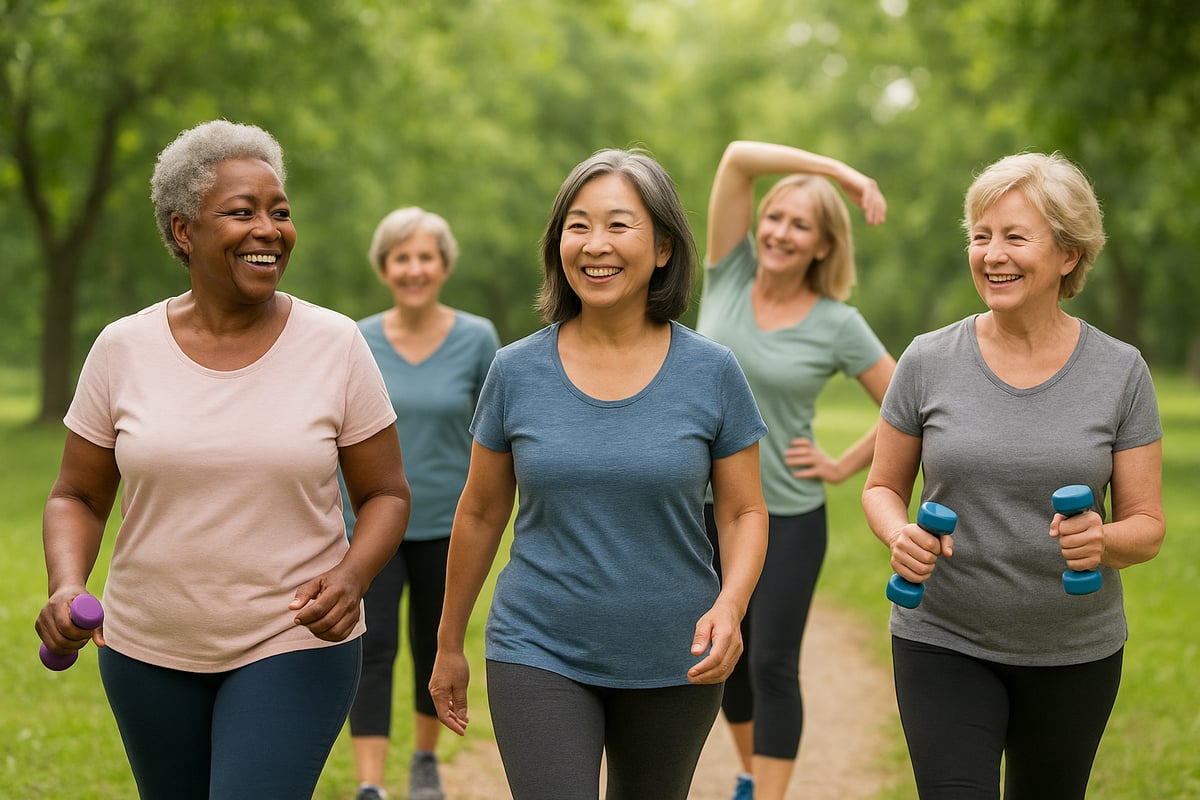
Types of Exercise Most Effective Post-Menopause
When considering how to slow down ageing after menopause, variety is essential. Each form of exercise brings unique benefits for your changing body.
- Resistance training: Builds and maintains muscle mass, which naturally declines after menopause. Think bodyweight exercises, resistance bands, or light weights.
- Weight-bearing cardio: Activities like walking, jogging, or dancing support heart health and help maintain bone density.
- Flexibility and balance routines: Yoga and Pilates improve mobility, stability, and reduce fall risk.
- High-Intensity Interval Training (HIIT): Short bursts of intense activity rev up metabolism and support cardiovascular health.
Mixing these exercises throughout your week helps protect against osteoporosis, boosts metabolism, and supports joint function. By targeting multiple systems, you’ll find that how to slow down ageing after menopause becomes more achievable—and even enjoyable.
Frequency and Duration Guidelines
Structure is your secret weapon for consistency. Aim for at least 150 minutes of moderate-intensity exercise each week, as recommended for women over 50.
| Exercise Type | Frequency per Week | Duration per Session |
|---|---|---|
| Resistance | 2-3 | 20-30 min |
| Cardio | 3-5 | 30-45 min |
| Flexibility | 2-3 | 15-20 min |
| HIIT | 1-2 | 10-20 min |
Start slowly and increase intensity as you build confidence. Alternate exercise types to give muscles time to recover and to keep things interesting. Remember, how to slow down ageing after menopause is not about perfection, but persistence and balance.
Overcoming Barriers and Staying Motivated
Let’s face it: staying motivated can be tough, especially if you’re dealing with joint pain or chronic conditions. Here are some practical ways to keep moving forward:
- Adapt your routine if you experience discomfort—swap high-impact moves for low-impact alternatives.
- Find a workout buddy or join a class for accountability.
- Set small, achievable goals and celebrate progress.
- Seek out supportive communities, both in person and online, for encouragement.
For more inspiration and holistic wellness tips that make it easier to stay on track, check out Brighten your day with healthy tips. Remember, women who exercise at least 150 minutes per week have a 40% lower risk of chronic disease, making how to slow down ageing after menopause a realistic goal.
Exercise and Cognitive Health
Physical activity does more than shape your body; it sharpens your mind. Regular movement is linked to a reduced risk of dementia and cognitive decline.
Choose activities that challenge coordination and learning, such as dance routines or new sports. Even brisk walking increases blood flow to the brain, helping you stay focused and alert.
Prioritizing exercise is a key part of how to slow down ageing after menopause, supporting both your body and your mind for years to come.
Step 3: Skincare and Self-Care Strategies for Ageing Gracefully
Menopause is a turning point for skin health. As hormones shift, your skin starts to show new changes. Understanding how to slow down ageing after menopause begins with knowing what to expect and how to adapt your routine. Every wrinkle or change in texture tells a story of transformation, but you have the power to age gracefully and confidently.
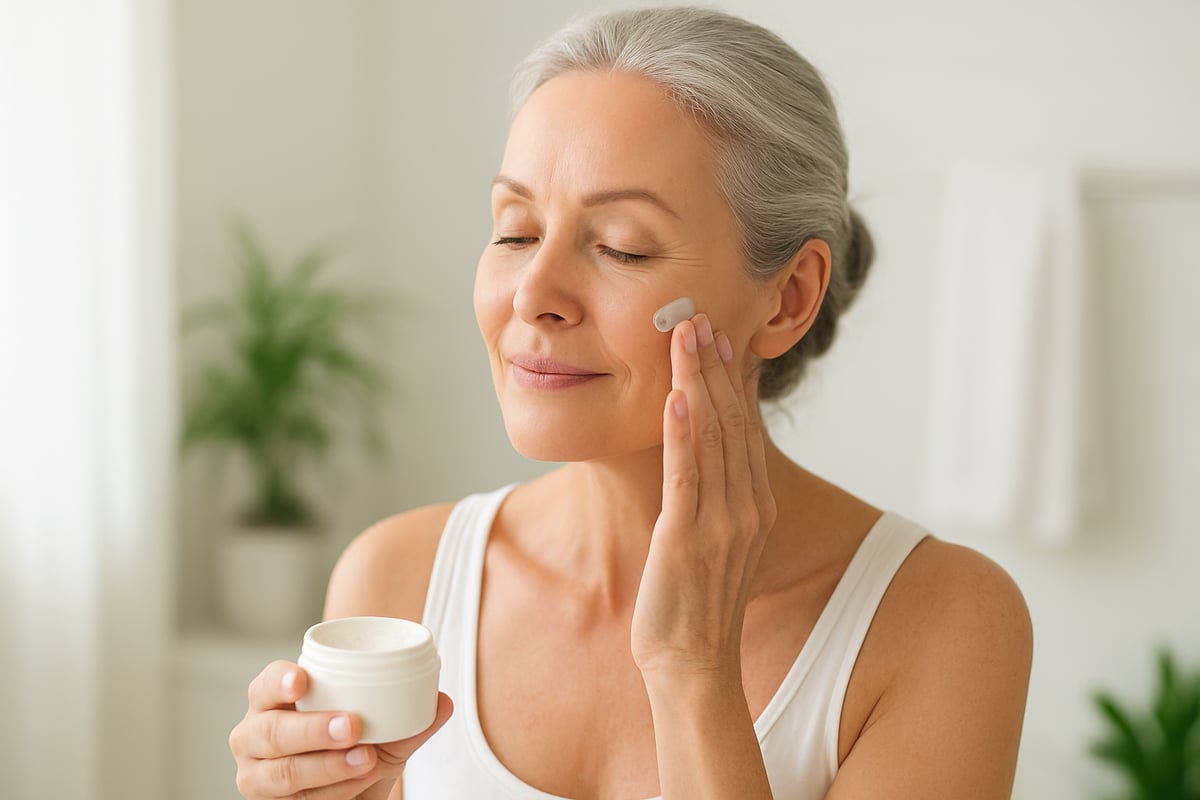
Understanding Skin Changes After Menopause
The years after menopause bring significant shifts in skin structure. Collagen and elastin levels drop, leading to more pronounced wrinkles and sagging. This loss of support makes the skin thinner and more fragile, while natural oil production decreases, causing dryness and sensitivity.
You might also notice slower skin cell turnover, which can dull your complexion. These changes are part of how to slow down ageing after menopause because they show where your efforts matter most. Knowing what drives these shifts empowers you to target them with science-backed strategies.
Building an Effective Skincare Routine
A gentle yet effective skincare routine is essential for post-menopausal skin. Start with a mild cleanser that respects your skin barrier, followed by a hydrating toner or essence. Daily moisturization is non-negotiable—choose creams with ceramides, hyaluronic acid, and peptides to lock in moisture and support repair.
Don't skip broad-spectrum SPF, even on cloudy days. Sun protection is the frontline defense in how to slow down ageing after menopause. For more actionable tips, explore these Magical skin care tips for spring which are perfect for women seeking radiant skin at any age.
Targeted Treatments and Ingredients
To boost your results, incorporate targeted treatments into your routine. Retinoids are proven to stimulate collagen and smooth fine lines, while vitamin C serums brighten and shield against environmental stressors. Look for moisturizers with peptides and growth factors to encourage renewal.
If you wonder how to slow down ageing after menopause, focusing on these ingredients can make a visible difference. Always patch-test new products to avoid irritation, and consider alternating active ingredients to balance results with comfort.
Non-Invasive Cosmetic Options
For those seeking more intensive results, non-invasive cosmetic treatments offer a next-level boost. Microneedling can improve texture and firmness by stimulating collagen. Laser treatments and chemical peels help even out tone and encourage fresh skin to surface.
Professional facials and at-home devices can complement your daily regimen. If you are curious about how to slow down ageing after menopause, these options provide extra support without surgery. Always consult a qualified practitioner for safety and tailored advice.
Lifestyle Self-Care Habits
Great skin starts with habits beyond your bathroom mirror. Prioritize quality sleep—aim for seven to eight hours each night to support skin repair. Stress management techniques like meditation, mindfulness, and gentle movement keep inflammation in check.
Balanced routines, laughter, and social connections are just as crucial as serums. When you focus on self-care as part of how to slow down ageing after menopause, you nurture not only your skin but your overall vitality. Small daily actions build up to a more youthful, confident you.
Step 4: Medical and Hormonal Interventions
Navigating medical and hormonal interventions is a major step in learning how to slow down ageing after menopause. With advances in science, there are now more options than ever for women seeking to maintain vitality and reduce the signs of ageing. Understanding these choices empowers you to make informed decisions alongside your healthcare team.
Hormone Replacement Therapy (HRT)
Hormone Replacement Therapy (HRT) remains a central strategy for women exploring how to slow down ageing after menopause. HRT replenishes declining estrogen and progesterone, which can help preserve bone density, improve skin quality, and support heart health. Some women also notice better sleep, mood, and energy with HRT.
However, HRT is not a one-size-fits-all solution. There are various types, including pills, patches, gels, and sprays. Risks may include blood clots or increased breast cancer risk, especially for certain women. Current guidelines encourage individualized approaches, weighing benefits and risks with your doctor. Notably, recent research suggests that hormone therapy may actually slow biological aging in postmenopausal women, as highlighted in a Hormone Therapy and Biological Aging Study. Always discuss your personal and family medical history before starting HRT.
Non-Hormonal Medical Options
For women who cannot or prefer not to use HRT, there are effective non-hormonal options that support how to slow down ageing after menopause. Selective Estrogen Receptor Modulators (SERMs) and bisphosphonates help protect bone health and reduce fracture risk. Certain medications may also improve heart health or address specific menopausal symptoms.
Prescription skincare, like tretinoin, can target advanced skin ageing and boost collagen. Non-hormonal treatments are especially important for women with a history of certain cancers or blood clotting disorders.
| Option | Main Benefit | Considerations |
|---|---|---|
| SERMs | Bone protection | May cause hot flashes |
| Bisphosphonates | Prevent fractures | GI side effects |
| Tretinoin | Skin renewal | Prescription required |
Ask your healthcare provider which options best fit your needs and health profile.
Regular Health Screenings and Preventive Care
Staying proactive with regular health screenings is crucial for anyone focusing on how to slow down ageing after menopause. Bone density scans, heart health checks, and cancer screenings help catch issues early, when they're most treatable. Preventive vaccines, like those for shingles or pneumonia, further support healthy ageing.
Routine checkups allow your medical team to monitor your progress and adjust your plan as needed. These appointments are also a great time to discuss any new symptoms or concerns.
Consulting Healthcare Professionals
Expert guidance is invaluable when deciding how to slow down ageing after menopause. Endocrinologists specialize in hormonal health, while dermatologists offer advanced skin care solutions. Geriatricians provide a holistic view on ageing, helping you balance multiple aspects of wellbeing.
Partnering with qualified professionals ensures your treatment plan is safe, effective, and tailored to your unique needs. Do not hesitate to seek second opinions or ask questions—your confidence in your care is key to thriving post-menopause.
Step 5: Holistic and Lifestyle Approaches to Ageing Well
Rediscovering how to slow down ageing after menopause means looking beyond just diet and exercise. A holistic approach weaves together stress management, social connection, restorative sleep, mindful choices about your environment, and a positive outlook. These lifestyle elements can be as transformative as any supplement or cream.
Stress Reduction and Mental Wellbeing
Chronic stress accelerates the ageing process, especially after menopause. Learning how to slow down ageing after menopause begins with prioritizing your mental health. Try mindfulness meditation, breathing exercises, or gentle yoga to help your body recover from daily stress.
- Practice gratitude journaling each morning
- Schedule short, calming breaks throughout the day
- Join mindfulness or meditation groups for accountability
Reducing stress supports hormonal balance and helps keep your mind sharp. If you notice persistent anxiety or low mood, consider speaking with a mental health professional for tailored strategies.
Social Engagement and Purpose
Staying socially connected is a secret weapon for how to slow down ageing after menopause. Meaningful relationships, whether with family, friends, or community groups, provide emotional support and cognitive stimulation.
- Volunteer for causes you care about
- Take classes or join clubs to meet new people
- Schedule regular catch-ups with loved ones
A sense of purpose boosts motivation and can even lower the risk of cognitive decline. Engaging conversations and laughter are true anti-ageing elixirs.
Sleep Hygiene and Circadian Rhythm
Quality sleep is essential for cellular repair and hormonal regulation. Many women struggle with sleep after menopause, but small changes can make a big difference in how to slow down ageing after menopause.
- Keep a consistent bedtime routine
- Limit caffeine and screen time in the evening
- Create a cool, dark, and quiet sleep environment
Aim for 7–8 hours of restful sleep each night. Good sleep supports your skin, mood, and mental clarity, helping you feel refreshed and resilient.
Avoiding Environmental Ageing Factors
External factors can speed up visible and biological ageing. Protecting yourself from pollution, excessive sun, and toxins is key for how to slow down ageing after menopause.
- Wear SPF daily, even on cloudy days
- Avoid smoking and limit alcohol
- Choose natural, non-toxic skincare products
For those interested in eco-conscious self-care, explore eco-friendly artisan skincare options that nurture your skin and the planet at the same time. Small changes in your environment can have a big impact on your overall wellbeing.
Embracing a Pro-Ageing Mindset
Perhaps the most empowering strategy is embracing a positive perspective on ageing. Reframe challenges as opportunities for growth. Celebrate your achievements and wisdom as you learn how to slow down ageing after menopause.
- Practice positive self-talk
- Surround yourself with uplifting, like-minded people
- Set new goals and pursue lifelong learning
Real-life stories show that a pro-ageing mindset leads to greater confidence and joy. Every day is a chance to thrive and redefine what it means to age well.
Resources and Support for Post-Menopausal Women
Navigating how to slow down ageing after menopause is not a solo journey. The right resources and supportive communities can make all the difference in your experience. Whether you are searching for motivation, expert advice, or a sense of belonging, there is a wealth of help available. Let us explore the top ways to stay empowered and informed.
Online Communities and Support Groups
One of the most uplifting ways to learn how to slow down ageing after menopause is by connecting with others who understand your journey. Online forums and dedicated social media groups offer a safe space to share stories, ask questions, and celebrate successes. Active communities like Menopause Matters Forum or Facebook’s menopause support groups provide both expert insights and peer encouragement.
Joining these groups gives you a sense of belonging and helps you stay accountable to your health goals. You will find tips on everything from skincare to emotional wellbeing, making your path to ageing well more enjoyable and less overwhelming.
Educational Tools and Health Trackers
Technology can be a powerful ally when learning how to slow down ageing after menopause. There are many apps designed to track your nutrition, monitor physical activity, and log symptoms. These digital tools help you spot patterns, set reminders, and make informed decisions about your health.
Some apps even offer personalized meal plans or guided workouts tailored for post-menopausal women. Podcasts and webinars hosted by medical professionals can further deepen your understanding, keeping you up to date with the latest science and trends in healthy ageing.
Finding Qualified Professionals
A trusted team of health professionals is essential when navigating how to slow down ageing after menopause. Look for menopause specialists, registered dietitians, and personal trainers experienced in working with women over 50. These experts can customize advice for your unique needs, from managing symptoms to building a safe fitness plan.
For bone health, consider consulting guidelines such as the Pharmacological Management of Osteoporosis Guidelines, which detail the latest evidence-based treatment options. Personalized care increases your chances of thriving during this stage of life.
Evidence-Based Information Sources
Sorting fact from fiction is key as you investigate how to slow down ageing after menopause. Rely on trusted websites, such as those of major medical organizations, for up-to-date research and recommendations. Peer-reviewed journals and clinical guidelines are invaluable for understanding new treatments and lifestyle interventions.
Recent studies, including those examining how weight-loss drugs like semaglutide may impact ageing, offer fresh perspectives for women considering medical options. Stay curious, ask questions, and never hesitate to verify health claims with credible sources.
Advocacy and Policy Developments
Being aware of advocacy efforts and policy changes can shape how to slow down ageing after menopause for everyone. Organizations are now working to improve menopause care and promote research into women’s health. You can participate by joining awareness campaigns, supporting research funding, or attending public health webinars.
Recent years have seen positive shifts in how society views menopause and ageing. By staying engaged, you not only benefit personally but also contribute to a brighter, healthier future for all women.
Case Studies and Personal Stories
Real-life examples are a powerful motivator when seeking how to slow down ageing after menopause. Many women have transformed their lives, overcoming challenges and discovering renewed purpose. Their stories highlight the importance of resilience, adaptability, and self-compassion.
Learning from these journeys can inspire your own. Whether it is a success story about reclaiming fitness or insights into emotional growth, these narratives prove that it is never too late to thrive and enjoy a vibrant, fulfilling life.