
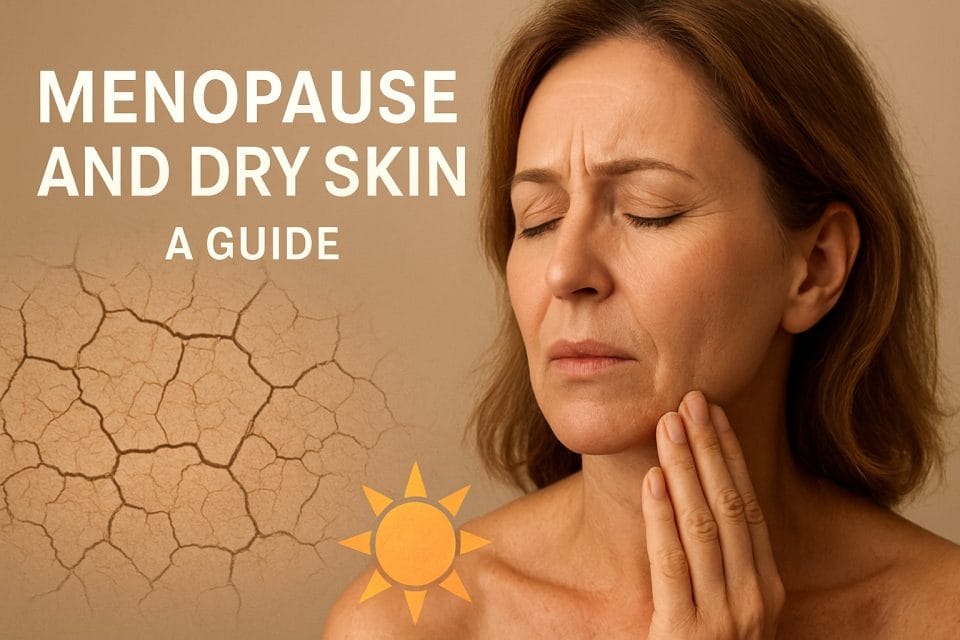
When you think about menopause, hot flashes and mood swings might be the first things that come to mind. Yet, many women are surprised when menopause and dry skin go hand in hand, leaving their skin itchy, flaky, and more sensitive than ever.
This guide is here to change that. Backed by leading experts, it delivers the latest science and practical steps for managing and preventing dry skin during menopause in 2026. You’ll discover how shifting hormones impact your skin, learn to spot the signs early, and pick up smart, proven skincare routines.
Ready to reclaim your skin’s comfort and glow? Dive in to explore the crucial hormonal connection, expert skincare tips, nutrition strategies, advanced treatments, and answers to your biggest questions—so you can face menopause with confidence and radiant skin.
Understanding the Link Between Menopause and Dry Skin
Menopause is often associated with hot flashes and mood swings, but a lesser-known reality is how dramatically it affects the skin. For many women, menopause and dry skin go hand in hand, changing the texture, comfort, and appearance of skin across the entire body. Understanding why this happens is the first step toward finding relief and regaining confidence.
Hormonal Changes and Their Impact on Skin
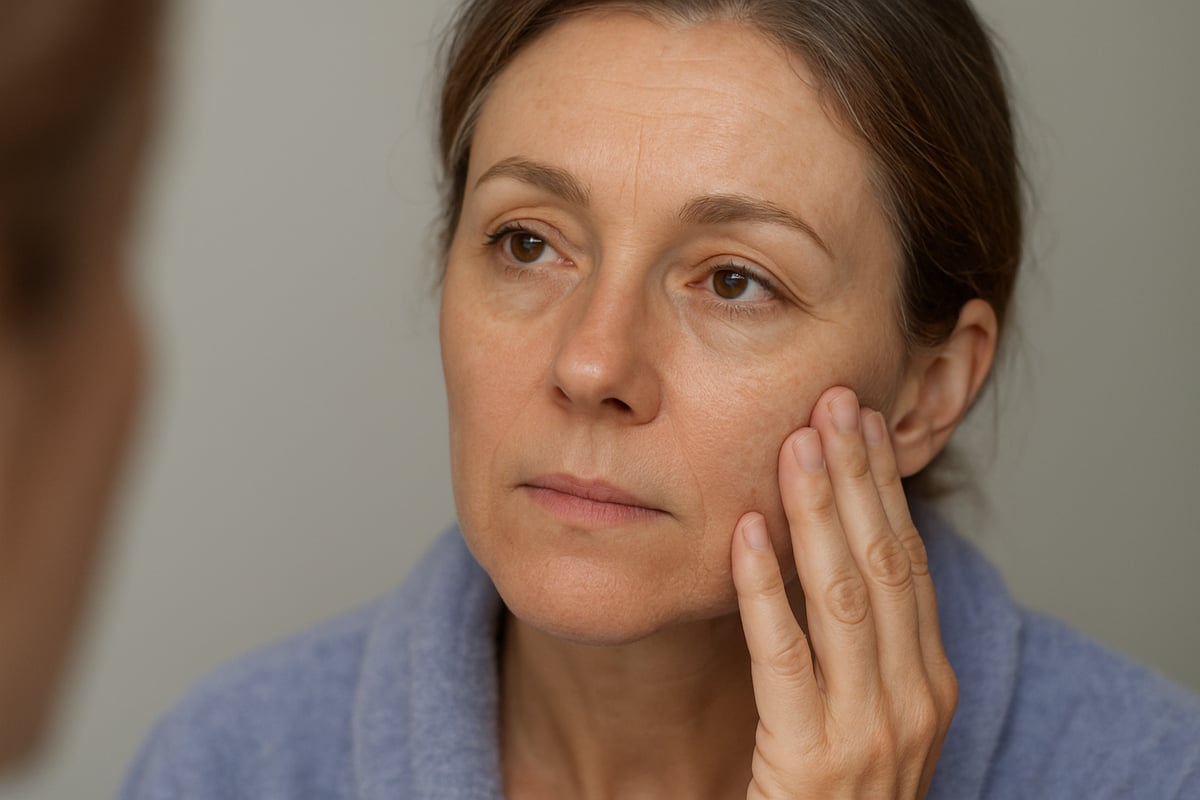
Estrogen plays a vital role in keeping skin plump, elastic, and hydrated. During menopause, estrogen levels drop, which leads to less collagen and oil production. This shift reduces the skin’s ability to hold moisture, making dryness and sensitivity more common. Hormonal fluctuations can start in perimenopause and continue well past the last period, permanently changing how the skin looks and feels.
It’s not just the face or hands that are affected. Many women experience dryness across their entire body, including the chest, legs, and even the scalp. The decline in estrogen also makes skin thinner and more prone to irritation. According to Caring for your skin in menopause, early intervention is essential to prevent further damage and discomfort. Recognizing the connection between menopause and dry skin helps women take proactive steps for healthier skin.
Common Symptoms and Signs of Menopausal Dry Skin
How do you know if menopause and dry skin are connected in your experience? The most common signs include tightness, flakiness, itchiness, and a dull appearance. These symptoms can show up anywhere, from your face and neck to your legs, elbows, and even your nails. Up to 70% of menopausal women report changes in their skin, making it one of the most widespread concerns.
Sometimes, these symptoms overlap with other conditions, such as hypothyroidism or eczema. It’s not unusual to see redness, increased sensitivity, or even rashes. Over time, untreated dryness can lead to dermatitis or frequent irritation. The skin may also become thinner and lose its natural bounce. If dry skin persists without care, it may worsen, highlighting the importance of addressing menopause and dry skin early.
Other Contributing Factors Beyond Hormones
While hormonal changes are the main driver, menopause and dry skin can be made worse by other factors. Environmental triggers like cold weather, low humidity, and sun exposure can all sap moisture from the skin. Lifestyle habits such as taking long, hot showers, using harsh soaps, or not drinking enough water also play a role. Smoking and alcohol further dehydrate the body.
Some women have underlying issues like hypothyroidism or vitamin deficiencies, which can mimic or worsen menopausal skin symptoms. Medications, genetics, or a history of eczema increase the risk as well. It’s important to work with a healthcare provider to rule out these additional causes. Thyroid problems, for example, are often missed because their symptoms overlap with menopause and dry skin.
The Psychological and Social Impact
Beyond the physical discomfort, menopause and dry skin can take a toll on emotional well-being. Women may feel self-conscious, frustrated, or less confident because of visible dryness or irritation. Itchiness can disrupt sleep, leading to fatigue and mood changes. Some women even avoid social activities when skin symptoms flare up.
There’s often anxiety about looking older or concern about long-term skin health. Support and education are crucial during this time. Sharing experiences with others going through menopause and dry skin can make a big difference. Experts recommend addressing both the mind and body, creating a holistic approach to care.
Step-by-Step Skincare Routine for Menopausal Dry Skin
Navigating the world of skincare can feel overwhelming, especially when menopause and dry skin transform your routine into a whole new challenge. With expert guidance, you can rebuild your regimen, soothe sensitivity, and restore that healthy glow. Ready to create a routine that actually works for your skin in 2026? Let’s break it down, step by step.
Gentle Cleansing and Exfoliation
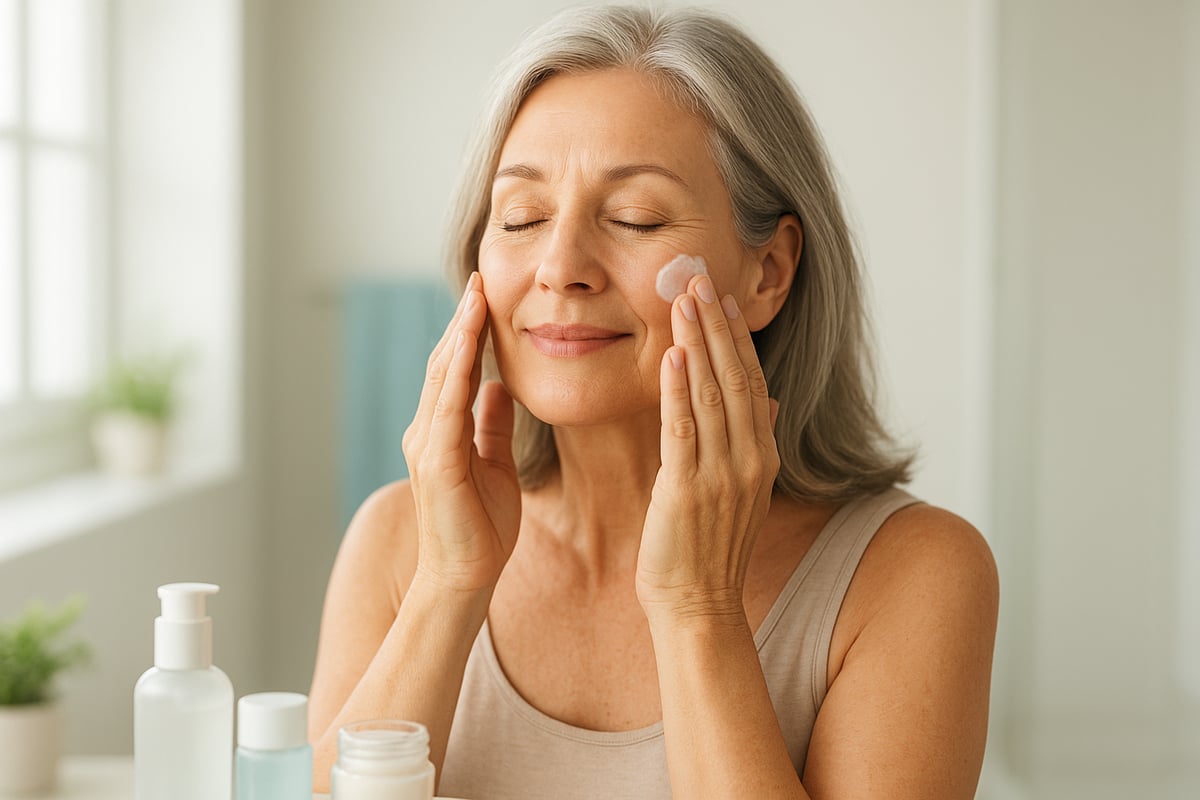
Cleansing is the foundation of any routine, but for menopause and dry skin, gentleness is key. Always use lukewarm water—hot showers can strip away precious natural oils, leaving your skin feeling even tighter.
Opt for fragrance-free, non-foaming cleansers. Ingredients like SLS and triclosan are harsh and can worsen dryness. Limit soap use to underarms, feet, and groin, and skip it elsewhere to avoid unnecessary irritation.
Exfoliation helps remove dead skin cells, but overdoing it leads to sensitivity. Choose products with alpha- or beta-hydroxy acids or a soft, creamy scrub. Aim to exfoliate just once or twice a week. Oatmeal baths are a soothing alternative that can calm itchy, irritated patches, making this step more comfortable for menopause and dry skin.
Moisturizing Strategies and Product Selection
Locking in moisture is crucial when dealing with menopause and dry skin. Apply your moisturizer within minutes after bathing to trap hydration before it evaporates.
Look for rich creams or lotions containing hyaluronic acid, shea butter, ceramides, glycerin, or lactic acid. These ingredients help rebuild your skin barrier and restore softness. Avoid products with synthetic dyes, preservatives, or strong fragrances—they can trigger flare-ups.
For very dry areas, consider using occlusive agents like petroleum jelly. At night, switch to a thicker cream for deeper hydration. Layer your products: start with a serum, add moisturizer, and finish with a nourishing oil if needed. Reapply as often as your skin demands, especially during changes in weather or humidity.
Sun Protection and Environmental Defense
Sun protection is non-negotiable, especially when menopause and dry skin leave your skin more vulnerable. Use a broad-spectrum sunscreen with SPF 30 or higher every single day, even if it’s cloudy or you’re indoors.
Physical blockers like zinc oxide and titanium dioxide are gentle on sensitive skin. Reapply sunscreen every two hours when outside. Pair this with protective clothing, wide-brimmed hats, and sunglasses to shield your skin from harmful rays.
Avoid direct sun during peak hours. UV exposure not only worsens dryness and accelerates aging but also raises the risk of skin cancer. Remember, sunlight penetrates clouds, fog, and even glass, so make sun defense a permanent part of your menopause and dry skin routine.
Avoiding Skin Irritants and Triggers
Managing menopause and dry skin means minimizing exposure to irritants. Steer clear of harsh soaps, alcohol-based toners, and abrasive scrubs. Long, hot baths and showers can be tempting but will dehydrate your skin further.
Limit time in chlorinated pools and avoid sitting too close to indoor heaters. Choose soft, breathable fabrics to reduce friction and irritation. Always patch-test new skincare products before applying them to your entire face or body.
Scented and antibacterial soaps are notorious for making dryness worse. Using a humidifier at home can help counteract dry indoor air. Regularly remove dust and allergens from your environment to keep your skin calm and comfortable.
Nighttime Repair and Special Treatments
Nighttime is when your skin does its best healing, so use this opportunity to target menopause and dry skin with intensive treatments. Overnight masks or rich creams can deeply hydrate and repair your skin barrier while you sleep.
Apply antioxidant serums with vitamin C or green tea to encourage skin repair. Facial oils rich in omega-3s or plant-based squalane are especially effective for sealing in moisture—see more about their benefits in Facial oils for dry skin.
For stubborn dry patches, try creams with lactic acid or urea. Gentle retinoids may help improve skin texture, but consult a dermatologist before starting. Milk compresses are an old-school remedy for itchy areas, and rotating your active treatments can help prevent irritation. Stick to a consistent nightly routine to see the best results.
Nutrition, Supplements, and Hydration for Healthy Skin
Caring for your body from the inside out is essential when navigating menopause and dry skin. The foods you eat, the supplements you choose, and your hydration habits all play a powerful role in restoring skin health. Ready to transform your approach? Let’s break down the science and practical tips you need.

The Role of Essential Fatty Acids
Healthy fats are the unsung heroes for women managing menopause and dry skin. Omega-3 fatty acids, found in salmon, walnuts, flaxseeds, and algae oils, help your skin stay supple by supporting oil production and calming inflammation.
Gamma-linolenic acid (GLA), present in borage and black currant seed oil, offers additional moisture support. Research shows that diets low in omega-3s can worsen dryness, making these fats a must-have in your daily routine.
- Top sources: wild-caught fish, walnuts, chia seeds, flaxseed oil
- Supplement options: fish oil, algae oil, GLA capsules
- Pro tip: Always talk to your healthcare provider before starting new supplements
Prioritizing these nutrients can make a visible difference in menopause and dry skin.
Collagen Support and Skin Structure
Collagen is the scaffolding that keeps skin plump and elastic. As estrogen levels drop during menopause, collagen production slows, leading to thinner, drier skin. To counteract this, load up on vitamin C-rich foods like citrus, red peppers, and kale, which help your body make collagen naturally.
Bone broth also supplies collagen directly, while supplements are an option for some. Curious about natural ways to boost skin regeneration and collagen? Explore natural botanicals for stimulating collagen for even more strategies.
Pairing antioxidants with collagen support gives your skin the best chance to thrive during menopause and dry skin.
Hydration and Water Intake
It’s no secret that hydration is a cornerstone of vibrant skin, especially when facing menopause and dry skin. Dehydration can make dryness and dullness worse, so aim for at least eight glasses of water daily.
Mix it up with herbal teas or fruit-infused water to keep things interesting. Add hydrating foods like cucumbers and watermelon to your meals for an extra boost.
- Signs you need more water: dry lips, fatigue, headaches
- Tips: Carry a water bottle, set phone reminders, sip throughout the day
Hydrating from the inside out helps reinforce your skin’s natural barrier and resilience during menopause and dry skin.
Vitamins, Minerals, and Antioxidants
Micronutrients are the silent defenders against dryness. Vitamin D supports skin hydration, while vitamin E, selenium, and zinc are crucial for skin repair and protection. Antioxidants from fruits and vegetables help neutralize free radicals, slowing visible aging.
- Best sources: eggs, nuts, seeds, leafy greens, berries
- Food vs. supplements: Whole foods are ideal, but supplements can help fill gaps
- Watch for: Risks of excessive supplementation, especially with fat-soluble vitamins
Balance is key for long-term skin health during menopause and dry skin. Consulting a nutritionist ensures your plan fits your unique needs.
Foods and Habits to Avoid
Some foods and lifestyle choices can sabotage your efforts to manage menopause and dry skin. Limit processed foods, sugary snacks, and unhealthy fats, which can trigger inflammation and worsen dryness.
Avoid excessive alcohol and smoking, as they accelerate skin aging. Watch for food sensitivities that may spark irritation. Moderation and mindful choices are your best allies in the journey to healthier skin.
Lifestyle Adjustments to Soothe and Prevent Dry Skin
Navigating menopause and dry skin can feel overwhelming, but small lifestyle changes can make a real difference. By tuning into your daily habits and environment, you empower your skin to stay comfortable and resilient. Ready to discover how simple adjustments can soothe your skin and boost your confidence?

Stress Management and Sleep
Stress and sleep play a huge role in the health of your skin, especially when facing menopause and dry skin. Chronic stress increases inflammation, making your skin more sensitive and prone to dryness. Poor sleep disrupts your skin’s repair cycle and can leave you with a dull, lackluster complexion.
To support your skin, try:
- Practicing relaxation techniques like meditation, deep breathing, or gentle yoga.
- Establishing a consistent bedtime routine and limiting screen time before bed.
- Seeking support for emotional ups and downs during menopause.
Remember, prioritizing rest and stress relief helps your skin recover and glow, making menopause and dry skin less of a daily struggle.
Physical Activity and Circulation
Regular movement is like a gentle wake-up call for your skin. Physical activity boosts circulation, ensuring that nutrients and oxygen reach your skin cells efficiently. This can help counteract the dryness that often comes with menopause and dry skin.
Great options include:
- Walking or swimming for low-impact cardio.
- Strength training to support overall wellness.
- Outdoor activities, always paired with sun protection.
Balance is key—avoid excessive sweating without proper cleansing, and let exercise lift your mood and your skin’s vitality.
Environmental Modifications
Your surroundings can dramatically affect how you experience menopause and dry skin. Dry indoor air, harsh detergents, and extreme temperatures can all sap moisture from your skin. Simple tweaks at home can make a big difference.
Try these strategies:
- Use a humidifier, especially during winter or in heated spaces.
- Shorten and cool down your showers.
- Choose gentle laundry products and avoid fabric softeners.
- Regularly clean bedding and clothing to reduce irritants.
For even more actionable tips on managing very dry skin at home, check out these Solutions for very dry skin.
Monitoring for Underlying Medical Conditions
Sometimes, menopause and dry skin can signal something more. Persistent dryness might point to thyroid issues or other health concerns. Watch for symptoms like fatigue, cold intolerance, brittle nails, or thinning hair.
Here’s what to do:
- Keep a symptom diary to track changes.
- Schedule regular checkups and share your skin concerns with your doctor.
- Seek medical advice if dryness is severe or comes with other symptoms.
Early detection and collaboration with healthcare providers ensure your skin gets the support it needs during menopause and dry skin changes.
Building a Support System
You don’t have to face menopause and dry skin alone. Connecting with others can make the journey feel lighter and more manageable. Support groups, online communities, and peer conversations offer encouragement and practical tips.
Consider:
- Sharing experiences with friends or in forums.
- Seeking guidance from dermatologists or menopause specialists.
- Educating yourself through reputable resources.
A strong support system not only boosts emotional wellness but also helps you stick to routines that keep menopause and dry skin in check.
Advanced Treatments and When to See a Dermatologist
Navigating menopause and dry skin can be overwhelming, especially when basic routines are not enough. Advanced treatments and professional guidance can make a world of difference. Let’s explore the most effective options and when it’s time to seek expert help.
Over-the-Counter and Prescription Options
For many, over-the-counter creams with ceramides, urea, or ammonium lactate provide initial relief for menopause and dry skin. Hydrocortisone can calm itching, while richer ointments soothe persistent irritation. When these aren’t enough, prescription steroid creams or topical calcineurin inhibitors may be needed for stubborn patches.
It’s important to choose products designed for sensitive, menopausal skin and to limit long-term steroid use, given possible side effects like thinning. If you’re unsure where to start, a dermatologist can recommend a tailored regimen. For more clinical insights and effective strategies, see Managing Menopausal Skin: A Clinician’s Review.
In-Office Dermatological Procedures
When home care falls short, in-office treatments offer powerful solutions for menopause and dry skin. Procedures like microdermabrasion and chemical peels gently exfoliate and renew the skin’s surface. Laser therapies can boost collagen and restore elasticity, while hydrating facials deliver deep moisture.
Light therapy may help with redness and inflammation, especially for sensitive skin. Each treatment is customized to your skin’s needs, and a dermatologist will discuss expected results, costs, and downtime. Professional procedures often provide faster, more visible improvements than at-home care.
Hormone Replacement Therapy and Skin Health
Hormone replacement therapy (HRT) has been shown to improve skin hydration, thickness, and elasticity in women facing menopause and dry skin. HRT comes in various forms, including patches, gels, and oral medications, and works by restoring estrogen levels that support the skin’s structure.
However, HRT is not for everyone. It’s vital to weigh the benefits and risks with your healthcare provider. For a deeper dive into the science behind HRT and skin rejuvenation, check out Skin Rejuvenation in Women using Menopausal Hormone Therapy: A Systematic Review and Meta-Analysis. Always consider alternatives if HRT isn’t recommended for you.
Natural and Alternative Therapies
If you prefer a holistic approach, several natural therapies can complement your menopause and dry skin routine. Plant oils like evening primrose and borage provide essential fatty acids. Oatmeal or milk baths can calm itching and nourish the skin barrier.
Mind-body practices, such as mindfulness and acupuncture, may ease discomfort and reduce stress-related flare-ups. Always consult with a professional before starting new herbal remedies to avoid unwanted reactions. Integrating natural therapies with conventional treatments can offer well-rounded support for your skin.
When to Seek Professional Help
Sometimes, menopause and dry skin symptoms become persistent or severe, signaling a need for expert intervention. Signs like worsening dryness, unexplained rashes, or possible infection require prompt attention. If home remedies and OTC products don’t help, or if symptoms affect your daily life, a dermatologist can provide advanced diagnostics and treatments.
Early intervention is key to preventing complications and restoring confidence in your skin. Trust your instincts and seek personalized advice when needed. Your skin’s health, comfort, and radiance are worth it.
Frequently Asked Questions About Menopause and Dry Skin
Menopause and dry skin often go hand in hand, leaving many women with more questions than answers. If you’re wondering what’s normal, what’s not, and how to care for your changing skin, you’re in the right place. Let’s address some of the most common concerns with expert-backed insights and practical advice.
Can dry skin be the first sign of menopause?
Absolutely. For some women, dry skin is among the earliest changes they notice as menopause approaches. This can even happen before classic symptoms like hot flashes appear. Tracking shifts in your skin’s texture, hydration, and sensitivity can help you spot patterns and timeframes. If you notice persistent dryness along with menstrual changes or mood shifts, consider discussing your concerns with your healthcare provider to rule out other causes and confirm if menopause and dry skin are connected.
How long does menopausal dry skin last?
The duration of menopause and dry skin symptoms varies. Many women experience changes starting in perimenopause, which can last several years before periods stop. For others, dry skin can persist well into post-menopause. Factors like genetics, skincare habits, and overall health influence how long symptoms last. The good news? Adopting consistent routines and lifestyle changes can help minimize both the severity and duration of dry skin during this transition.
Are there specific ingredients to avoid in skincare during menopause?
Yes, menopausal skin is more sensitive, so it’s wise to avoid harsh ingredients. Steer clear of SLS (sodium lauryl sulfate), parabens, synthetic fragrances, and triclosan, as these can worsen dryness and irritation. Always read product labels carefully. Choose gentle, fragrance-free products designed for sensitive skin. When in doubt, patch test new products before full use to protect your skin barrier during menopause and dry skin management.
Can diet alone fix menopausal dry skin?
While nutrition is a powerful tool, diet alone usually isn’t enough to completely resolve menopause and dry skin. Eating more omega-3s, antioxidants, and staying hydrated will definitely help. However, skin needs topical support too—think moisturizers and gentle cleansers. Experts recommend a holistic approach: combine good nutrition, a tailored skincare routine, and healthy lifestyle habits for optimal results.
Is it safe to use retinoids or acids on menopausal skin?
Retinoids and gentle chemical exfoliants can benefit menopause and dry skin by improving texture and promoting cell turnover. However, menopausal skin is often more delicate, so start slowly with lower concentrations. Use these products just once or twice a week at first. Always patch test and consult a dermatologist if you have concerns. Protect your skin with sunscreen, as these ingredients can increase sensitivity to sunlight.
How can I tell if my dry skin is due to menopause or another condition?
Some symptoms of menopause and dry skin overlap with issues like hypothyroidism, eczema, or allergies. Key clues include the timing (around midlife), presence of other menopausal symptoms, and gradual changes. If you notice sudden dryness, rashes, or other systemic symptoms, consult your doctor. For a deeper dive into how menopause affects skin health and overlaps with other conditions, see this systematic review on menopause’s impact on common skin conditions.
Will my skin ever return to its pre-menopause state?
While menopause and dry skin can lead to lasting changes, many women see significant improvement with the right care. Your skin may not return exactly to its pre-menopause texture, but regular moisturizing, sun protection, and healthy habits can restore much of its softness and resilience. Focus on maintenance and prevention—consistency is key. Remember, you’re not alone on this journey, and positive changes are absolutely achievable.
What are the best resources for ongoing support?
Support is essential when navigating menopause and dry skin. Look for online communities, local support groups, and organizations focused on women’s health. Sharing experiences, advice, and encouragement can make a world of difference. For practical tips on managing environmental triggers, check out this guide to combating dry skin during winter. Don’t hesitate to reach out to dermatologists or menopause specialists for guidance tailored to your unique needs.