
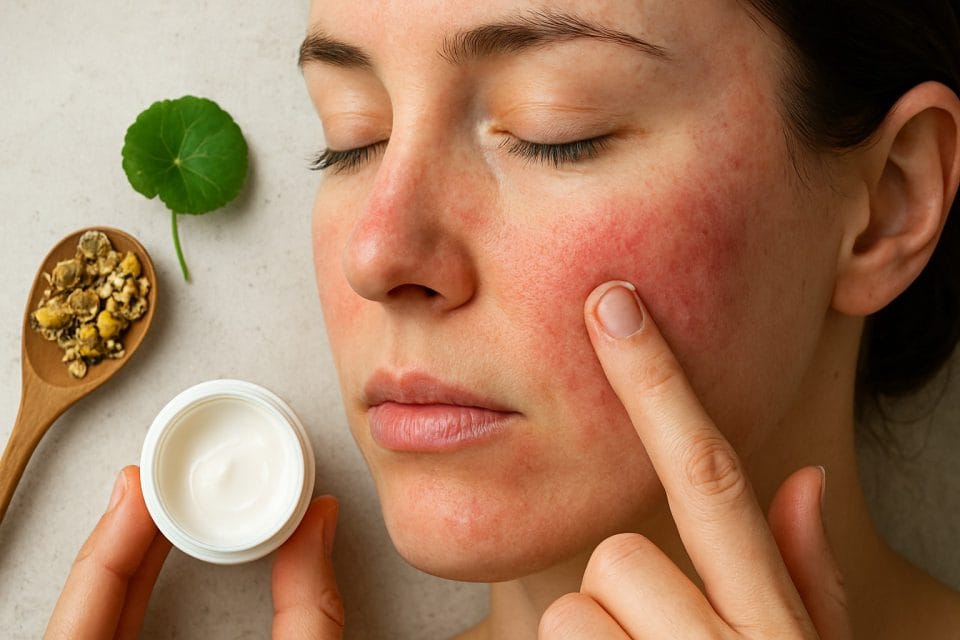
Struggling with redness, irritation, or sudden flare-ups? You’re not alone—sensitive skin can feel like a daily challenge. The good news is, sensitive skin remedies in 2026 have evolved, making it easier than ever to soothe and protect your skin naturally.
This article uncovers eight sensitive skin remedies that are truly backed by science. You’ll discover the latest ingredients, expert routines, and practical tips that really work. Ready for comfort and confidence? Let’s dive into solutions that calm sensitive skin for every type.
Understanding Sensitive Skin in 2026
Struggling to pin down why your skin acts out? Sensitive skin can be a mystery, but understanding it is the crucial first step toward finding effective sensitive skin remedies. Let’s break down what makes skin sensitive in 2026, explore new research, and learn how to avoid and identify your personal triggers.

What Defines Sensitive Skin?
Sensitive skin is more common than ever, showing up as redness, stinging, burning, or dryness after even the simplest routine. According to the 2025 Global Skin Health Survey, up to 70% of women and 60% of men report these symptoms.
What causes this? Genetics play a role, but environmental factors, harsh products, and stress are major contributors. Conditions like eczema or rosacea can also heighten sensitivity.
If you feel like your skin overreacts to nearly everything, you’re not alone. Recognizing these signs is the first step in choosing the right sensitive skin remedies for your unique needs.
Latest Research & Trends
Science is transforming how we approach sensitive skin in 2026. One major breakthrough is a deeper understanding of the skin barrier and the importance of microbiome-friendly care. Researchers now know that a healthy barrier keeps irritants out and moisture in, making sensitive skin remedies more targeted.
Trends like “skinimalism” encourage using fewer, better products to minimize irritation. There’s also a rising demand for fragrance-free, hypoallergenic, and natural formulas that soothe rather than stress the skin.
If you’re searching for sensitive skin remedies, look for products that support the barrier and microbiome, and embrace simplicity in your daily routine.
Common Triggers to Avoid
Many people with sensitive skin react to the same culprits. Synthetic fragrances, alcohol-based products, and harsh exfoliants are high on the list. Environmental aggressors like pollution and UV rays can also spark flare-ups.
Did you know that 82% of sensitive skin sufferers say fragrance is their top irritant? This makes sense, given how often it sneaks into products. Being ingredient-aware is crucial, and patch testing new products can help avoid surprises. For a detailed look at what to watch out for and more practical tips, check out Sensitive skin: Treatments and causes.
Avoiding these triggers is key to finding sensitive skin remedies that actually work for you.
How to Identify Your Triggers
Pinpointing your personal triggers takes a bit of detective work. Start a skin diary to log products, foods, and environmental conditions each day, noting any reactions. This helps reveal patterns over time.
Consulting a dermatologist can help, especially for patch testing or allergy screening. For example, if you notice flare-ups after a new cleanser or during seasonal changes, share these details with your doctor.
By identifying what sets off your skin, you’re better equipped to choose sensitive skin remedies that bring real relief and lasting comfort.
8 Sensitive Skin Remedies That Actually Work in 2026
Sensitive skin remedies are evolving rapidly, and 2026 is brimming with new breakthroughs. If you’re tired of redness, itching, or unpredictable flare-ups, you’re not alone. Let’s dive into eight sensitive skin remedies that experts and research swear by, each tailored to help you reclaim comfort and confidence.
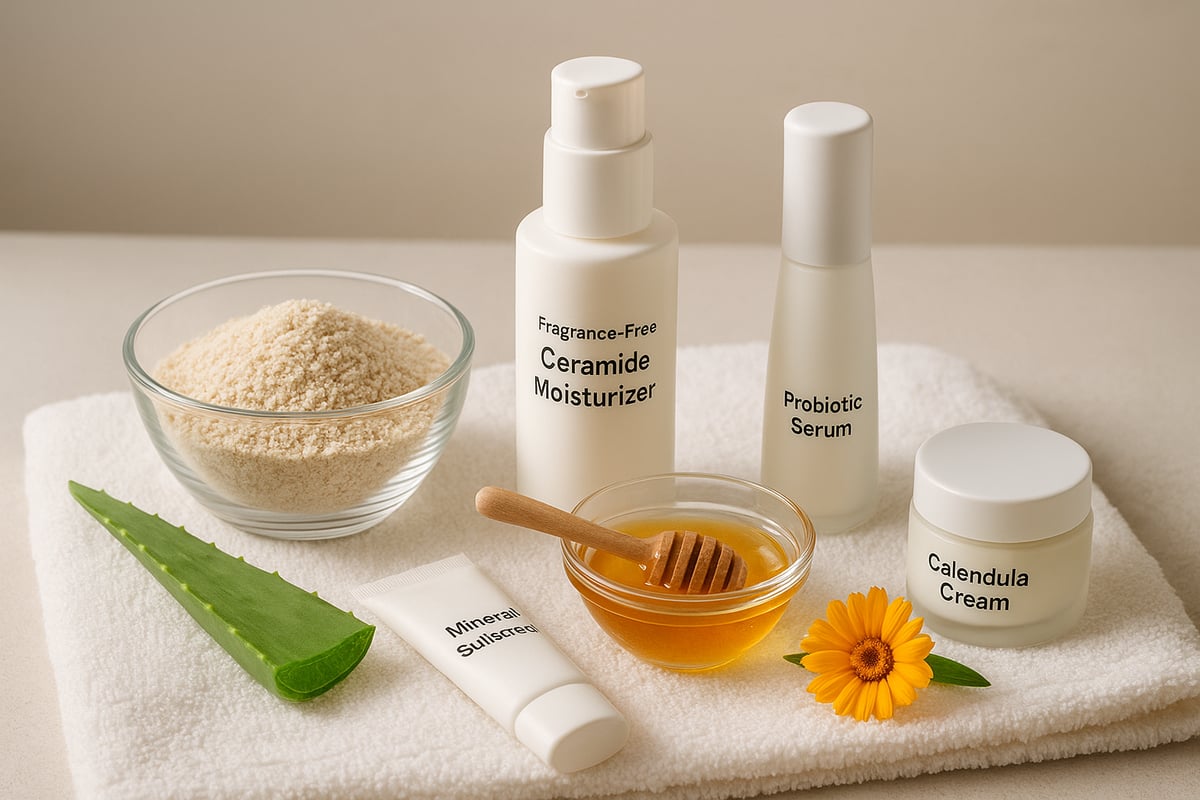
1. Colloidal Oatmeal Baths
Colloidal oatmeal is a powerhouse among sensitive skin remedies. Its natural beta-glucans and avenanthramides relieve itching, redness, and inflammation. Dermatologists have long recommended oatmeal baths for eczema and sensitive skin, but recent research has strengthened its reputation.
In a 2024 clinical study, 85 percent of participants with mild-to-moderate sensitivity experienced significant symptom relief after regular oatmeal baths. The secret is in how oatmeal forms a protective film over the skin, locking in moisture and blocking irritants.
To use this remedy, add finely ground colloidal oatmeal to lukewarm bathwater. Soak for 15 to 20 minutes, but never use hot water, as it can trigger more irritation. After getting out, pat your skin dry and apply a gentle moisturizer immediately.
Colloidal oatmeal is perfect for eczema, dry patches, or calming post-shaving irritation. The American Academy of Dermatology even highlights oatmeal baths as a top choice for sensitive skin remedies. For best results, skip scented bath products and focus on pure oatmeal.
2. Barrier-Repair Moisturizers with Ceramides
Ceramides are essential lipids that make up your skin’s natural barrier. When that barrier is damaged, skin becomes prone to flare-ups, dryness, and discomfort. Barrier-repair moisturizers rich in ceramides are among the most trusted sensitive skin remedies.
In 2025, plant-based ceramides hit the market, offering vegan and allergy-friendly options. Clinical trials showed a 78 percent improvement in hydration and fewer flare-ups when using ceramide creams twice daily. This makes them a must-have for anyone seeking effective sensitive skin remedies.
Apply ceramide moisturizer after cleansing, morning and night. Look for formulas free from fragrance and dyes, as these can trigger sensitivity. The “skinimalist” movement, which favors simple routines, often centers around a single ceramide cream as the one-step solution.
If your skin feels perpetually dry or irritated, or if you’re overwhelmed by multi-step routines, ceramide moisturizers could be your sensitive skin remedies hero. Remember, consistency is key to rebuilding your barrier.
3. Fragrance-Free Aloe Vera Gel
Aloe vera is a classic soother, and fragrance-free gels are now a staple in sensitive skin remedies. These gels are loaded with polysaccharides and phytosterols, which reduce redness, calm inflammation, and speed up healing. The trend in 2026 is toward cold-pressed, organic aloe gels without any added scents or preservatives.
Studies report that 90 percent of users notice immediate soothing after applying aloe vera gel to irritated skin. It’s ideal for sunburns, post-procedure recovery, or daily hydration for sensitive skin.
To use, apply a thin layer to the affected area as needed. For those with highly reactive skin, always patch-test before full use. Dermatologists recommend aloe for post-laser or chemical peel care, making it a go-to among sensitive skin remedies.
Choose gels without alcohol or artificial colorants. Pure, organic aloe is your best bet for gentle, non-irritating relief.
4. Gentle Cleansing Oils
Washing your face shouldn’t mean stripping it of natural oils. Gentle cleansing oils are rising stars in the world of sensitive skin remedies because they dissolve makeup and impurities without upsetting your barrier. The latest in 2026 includes microbiome-balancing formulas with prebiotics.
Double cleansing with oil, followed by a mild cleanser, has been shown to reduce irritation by 65 percent compared to foaming cleansers. For sensitive skin, this is a game changer.
Massage the cleansing oil onto dry skin, then rinse with lukewarm water. Avoid mineral oil, which can clog pores, and opt for plant-based oils like jojoba or camellia. Dermatologists often recommend these for rosacea and dermatitis, reinforcing their status among sensitive skin remedies.
If your skin feels tight or stings after traditional cleansers, a switch to gentle oils could make a world of difference.
5. Overnight Honey Masks
Raw honey, especially manuka, is a goldmine for sensitive skin remedies. It’s naturally antibacterial, anti-inflammatory, and incredibly hydrating. In a 2025 study, 72 percent of sensitive skin sufferers saw reduced redness and faster healing after using honey masks overnight.
Apply a thin layer of raw honey before bed, and rinse it off in the morning. This remedy is fantastic for flare-ups, dry patches, or when your complexion looks dull and stressed.
Both home remedies and professional skincare lines use honey for its healing properties. However, choose unprocessed honey and avoid if you’re allergic to bee products. Sensitive skin remedies that harness honey’s natural power are gentle yet effective.
If you’re looking for a simple, natural way to wake up with calmer, more comfortable skin, overnight honey masks are worth a try.
6. Probiotic Serums for Skin Microbiome Balance
Your skin’s microbiome—the ecosystem of good bacteria living on its surface—plays a huge role in sensitivity. Probiotic serums are now at the forefront of sensitive skin remedies, helping restore healthy flora and reduce inflammation.
The 2026 wave of serums features encapsulated live cultures for better delivery. Clinical trials reveal a 60 percent reduction in redness and stinging after four weeks of use. Apply the serum after cleansing and before moisturizing for best results.
Probiotic serums are especially helpful for those with persistent redness or acne-prone sensitive skin. Dermatologists recommend them to repair the barrier and support overall skin health, making them an essential part of modern sensitive skin remedies.
Store these serums as directed to preserve probiotic activity. Consistency is key to seeing improvements in sensitivity.
7. Mineral-Based Sunscreens (Zinc Oxide & Titanium Dioxide)
Sun protection is non-negotiable, especially for sensitive skin. Mineral-based sunscreens with zinc oxide or titanium dioxide are the top sensitive skin remedies for shielding against UV damage without chemical irritants.
In 2026, ultra-sheer and non-nano mineral formulas have become mainstream, making daily use easier than ever. According to the Skin Health Journal, 95 percent of dermatologists recommend mineral sunscreens for sensitive skin remedies.
Apply a generous layer before sun exposure and reapply every two hours. These sunscreens are safe for post-procedure skin and children, and they reduce the risk of photoallergic reactions.
For added comfort, look for formulas with soothing extras like niacinamide or squalane. Mineral sunscreens are gentle, effective, and a daily essential for sensitive skin remedies.
8. Calendula Creams and Balms
Calendula extract is a time-tested ingredient in sensitive skin remedies, known for reducing inflammation and promoting healing. The 2025 update saw a surge in organic, preservative-free calendula balms, especially for babies and those with very reactive skin.
Studies show a 70 percent improvement in comfort and reduced redness after two weeks of calendula use. Apply to irritated or dry areas as needed. Calendula is recommended for eczema, contact dermatitis, and chapped skin.
For a real-world example, see Find Out How Our Natural Calendula Cream Transformed Isabella’s Life, which highlights calendula’s impact on sensitive skin remedies. When choosing a cream, opt for minimal ingredients and avoid synthetic additives.
Calendula’s gentle, soothing power makes it a cornerstone of sensitive skin remedies for all ages.
Building a Sensitive Skin Routine: Step-by-Step Guide
Building a daily routine is the secret to unlocking the full power of sensitive skin remedies. The right steps not only calm irritation but also reinforce your skin’s natural defenses. Let’s break down each part of your day into simple, science-backed actions that make a real difference.
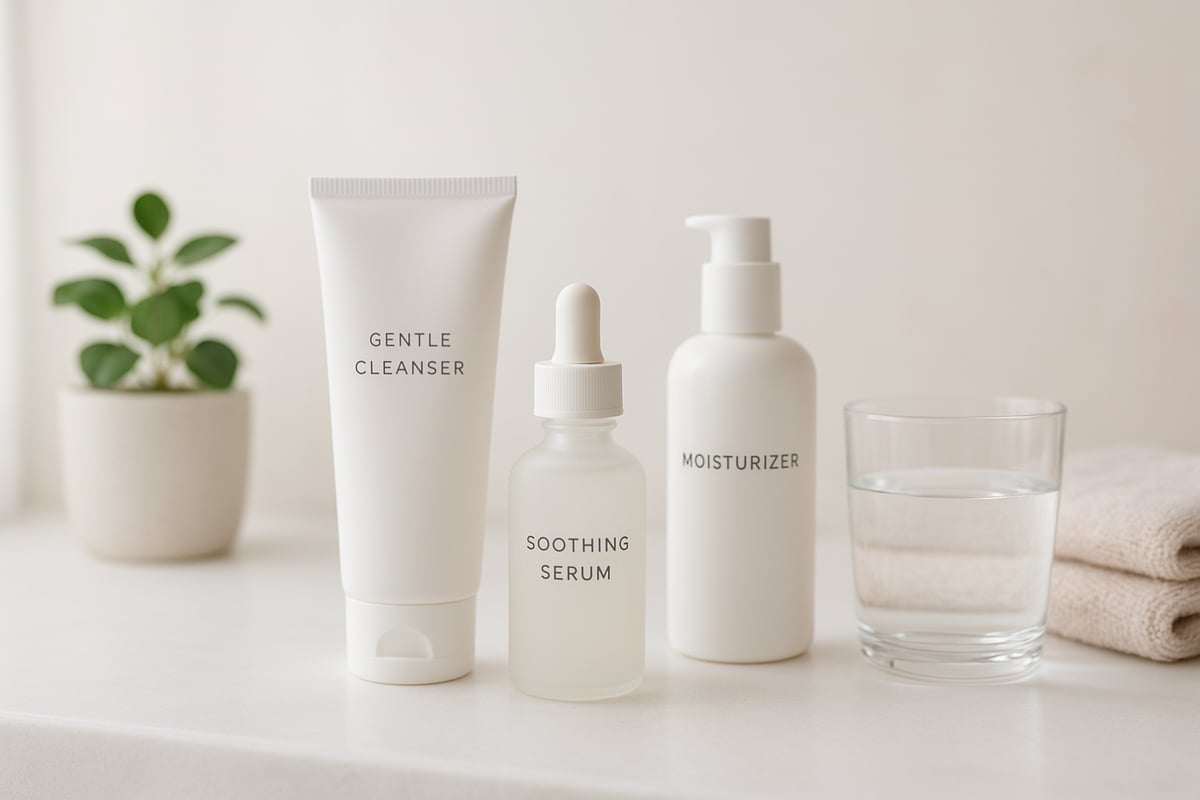
Morning Routine Essentials
Start your day with gentle care. Use lukewarm water or a mild, fragrance-free cleanser to remove overnight oils without stressing your skin. A thin layer of barrier-repair moisturizer, ideally one rich in ceramides, helps lock in hydration and primes your face for the day ahead.
Don’t skip mineral-based sunscreen. Choose zinc oxide or titanium dioxide formulas for broad protection without irritation. For makeup, look for products labeled “suitable for sensitive skin” and free of harsh chemicals or perfumes. This simple approach ensures your morning routine delivers effective sensitive skin remedies from the start.
Nighttime Recovery Rituals
Evenings are all about healing and repair. Begin with a gentle double cleanse: first, a plant-based cleansing oil to dissolve makeup, followed by a mild cleanser to sweep away residue. This method is less abrasive and helps maintain your skin’s natural balance.
After cleansing, layer on a soothing serum, like aloe vera or a probiotic blend, targeting redness and inflammation. For extra nourishment, try an overnight honey mask or a rich, unscented cream. These sensitive skin remedies work overnight, so you wake up to calmer, more comfortable skin.
Weekly Treatments and Extras
Treat your skin to a little extra TLC each week. Oatmeal baths are perfect for relieving itchiness and redness. Calendula balms and hydrating sheet masks can also provide a boost, especially during flare-ups or after exposure to harsh weather.
Limit exfoliation to once a week, and always use a gentle, enzyme-based product. This helps remove dead skin without causing micro-damage. Incorporating these sensitive skin remedies keeps your skin resilient and less reactive over time.
Customizing for Your Skin Type
Every person’s skin is unique, so tailor your routine to fit your specific needs. If your skin is dry, focus on deep hydration and rich creams. For oily or combination skin, lightweight, non-comedogenic products are best. If you’re unsure which sensitive skin remedies to try, consult a dermatologist or explore Skincare for Sensitive Skin Products for safe options.
Always patch test new products before full use to avoid surprise reactions. This personalized approach ensures that sensitive skin remedies deliver the best results for you.
Lifestyle Tips to Prevent Sensitive Skin Flare-Ups
Sensitive skin remedies are not just about what you put on your face. Your daily habits, environment, and even wardrobe can impact how your skin feels. Curious how small changes can lead to big improvements? Let’s dive into four essential lifestyle strategies that help keep sensitivity at bay.
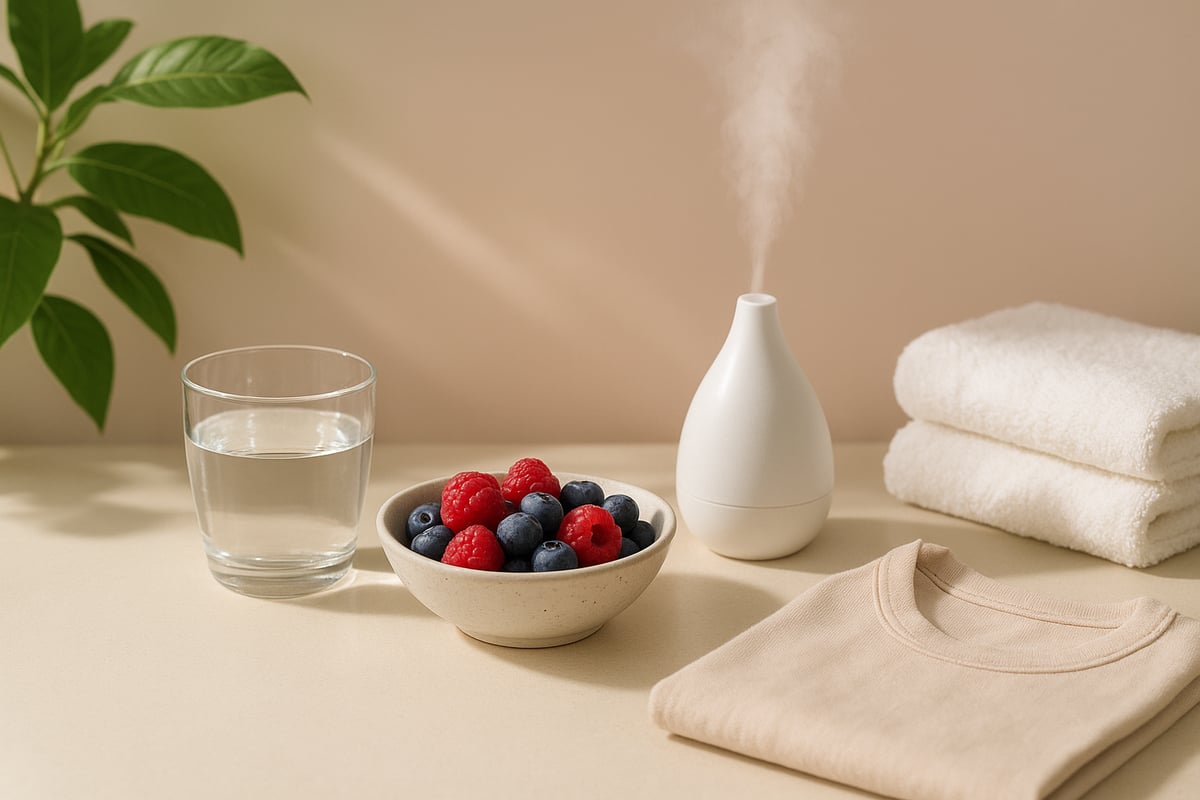
Diet and Hydration
What you eat and drink can make a world of difference for sensitive skin remedies. Focus on anti-inflammatory foods like wild-caught salmon, berries, and leafy greens. Foods rich in omega-3 fatty acids and antioxidants help reinforce your skin’s natural barrier.
Don’t forget probiotics, which support your skin from the inside out. Fermented foods like yogurt and kimchi are great choices. Staying hydrated is vital—aim for at least eight glasses of water a day to help your skin stay resilient.
Avoid spicy foods, alcohol, and dairy if you notice they trigger flare-ups. Learning about the best active ingredients for sensitive skin can help you choose foods and supplements that support your skin’s health.
Environmental Protection
Protecting your skin from harsh elements is a cornerstone of effective sensitive skin remedies. Use a humidifier during dry months to maintain moisture in your home. This simple step can prevent your skin from becoming parched and irritated.
When heading outdoors, wear wide-brimmed hats and lightweight, long-sleeved clothing to shield your skin from sun and pollution. Avoid spending time outside during peak heat or cold, as extreme temperatures can trigger redness and discomfort.
Urban dwellers may benefit from air purifiers, which help reduce airborne irritants. By making your environment skin-friendly, you can help minimize flare-ups before they start.
Stress Management Techniques
Stress is a sneaky trigger for sensitive skin remedies. When your stress hormones spike, your skin often follows with redness or itching. Make mindfulness a daily habit through meditation, deep breathing, or gentle yoga.
Prioritize sleep—your skin repairs itself overnight, so aim for 7 to 8 hours. Consider keeping a gratitude journal or practicing visualization to calm your mind before bed.
Regular exercise, even a brisk walk, helps regulate stress hormones. These routines are not just good for your mind—they’re essential for maintaining a calm, comfortable complexion.
Choosing the Right Fabrics and Laundry Care
Your clothes and laundry products can make or break your sensitive skin remedies. Opt for soft, breathable fabrics like cotton or bamboo. These materials allow your skin to breathe and reduce friction that can cause irritation.
Switch to fragrance-free, hypoallergenic detergents to avoid residue that may trigger reactions. Wash new clothes before wearing them to remove potential irritants.
For a deeper dive into safe ingredients and best practices, check out this guide on suitable options for sensitive skin. Small changes in your wardrobe and laundry routine can lead to noticeably calmer, happier skin.
When to See a Dermatologist for Sensitive Skin
Not sure when your sensitive skin remedies just aren't enough? Sometimes, despite your best efforts, symptoms become persistent or even get worse. That’s when it’s time to consider professional help. Dermatologists can help you pinpoint exactly what’s happening with your skin, ensuring you get the right care and relief.
Recognizing Persistent or Severe Symptoms
How do you know when sensitive skin remedies at home are no longer working? Persistent redness, swelling, intense itching, or even blistering are warning signs. If your skin pain keeps you up at night, or if you notice sudden changes like oozing or severe dryness, it’s time to act.
Symptoms that don’t improve after two to four weeks of gentle care shouldn’t be ignored. Chronic eczema, unrelenting flare-ups, or allergic reactions that don’t respond to your usual sensitive skin remedies are red flags. Trust your instincts—if your skin feels out of control, a dermatologist can help you find answers and relief.
Professional Diagnosis and Patch Testing
When you visit a dermatologist, they’ll start by reviewing your symptoms and skincare history. Patch testing is a common tool for identifying which ingredients or products might be causing irritation. This process involves applying small amounts of potential irritants to your skin and monitoring for reactions.
A professional may also suggest allergy screening or examine your skin under magnification. If you’re struggling with symptoms like burning, stinging, or unexplained redness, a dermatologist can diagnose underlying conditions such as rosacea or contact dermatitis. For a deeper understanding, you can explore this Sensitive skin syndrome: An update that details diagnosis and treatment options. Expert evaluation ensures your sensitive skin remedies are tailored to your unique needs.
Prescription Treatments and Advanced Therapies
Sometimes, over-the-counter sensitive skin remedies aren’t strong enough for stubborn symptoms. Dermatologists may prescribe topical steroids, immunomodulators, or even recommend phototherapy for severe cases. In 2026, advanced treatments like targeted biologics are available for chronic sensitivity and complex conditions.
If you have persistent redness from rosacea, your dermatologist might suggest medicated creams or refer you to resources like this Soothing Cream for Rosacea Redness for additional support. Prescription therapies are closely monitored to minimize side effects and maximize comfort, giving you new hope when standard sensitive skin remedies have failed.
Long-Term Management and Prevention
Once your symptoms are under control, your dermatologist will help you develop a long-term plan. This may include regular check-ups, ongoing use of gentle skincare products, and lifestyle adjustments to prevent future flare-ups. Personalized routines, created with your triggers and skin type in mind, offer the best chance for lasting comfort.
Remember, sensitive skin remedies are most effective when paired with expert advice and ongoing support. Consistent follow-up ensures you stay ahead of new triggers and keep your skin healthy. With the right guidance, you can build confidence and enjoy smoother, calmer skin every day.