
Do you ever feel like your skin is always shiny, no matter what you do? If so, you’re not alone. In 2026, naturally oily skin is affecting more people than ever, leaving many searching for real, lasting solutions.
But don’t worry—help is here. This guide brings together the latest science, dermatologist insights, and holistic strategies designed specifically for naturally oily skin in today’s world.
Inside, you’ll learn what causes oily skin, discover new routines and ingredient breakthroughs, and get tips for healthy lifestyle changes. Let’s dive in and find the expert solutions that will help you take control, starting today.
Understanding Naturally Oily Skin: Causes and Myths
Managing naturally oily skin can feel like a never-ending battle. To get real results, it helps to understand the science, bust common myths, and stay current with new triggers and trends.

The Science Behind Oily Skin
Sebaceous glands beneath your skin’s surface work tirelessly, producing sebum to keep skin supple. However, in those with naturally oily skin, these glands are often overactive due to genetic factors, hormonal fluctuations, and environmental stressors.
Genetics can set the baseline for your skin’s oil production, but modern life adds fuel. Climate shifts, rising pollution, and daily exposure to irritants all play a role. Hormones—from teenage years through adulthood—can dramatically influence oiliness, and new research in 2026 links urban pollution and increased blue light exposure to higher sebum output.
Despite what you might hear, oily skin is not a sign of poor hygiene. In fact, studies show that oily skin is now more common globally than ever before, with growing numbers seen in urban populations. For a deeper dive into the science, check out this Causes of Oily Skin resource.
Debunking Common Myths
Think scrubbing your face more often will stop shine? Or that skipping moisturizer is the answer? These are two of the biggest myths about naturally oily skin. Overwashing actually signals your skin to produce even more oil, while avoiding moisturizer can leave your skin dehydrated, triggering a rebound effect.
Another myth is that diet makes no difference. Recent dermatologist research highlights that high-glycemic foods and dairy can worsen oiliness for some people. The truth is, naturally oily skin needs gentle, consistent care and a balanced approach—something that’s now well supported by science.
Key Triggers in 2026
What’s behind the surge in naturally oily skin today? Blue light from hours spent on digital devices is now linked to increased sebum production. Microdust and urban pollution clog pores and stress skin barriers, especially in city dwellers.
Modern stress levels are also at an all-time high, and chronic tension is proven to spike oil output. Plus, trending diets rich in processed carbs can trigger more shine and breakouts. Staying aware of these 2026 triggers can help you make smarter choices for your skin.
Differentiating Oily Skin from Combination Skin
It’s easy to confuse naturally oily skin with combination skin, but there are key differences. If your whole face feels slick by midday, especially on the cheeks and jawline, you likely have naturally oily skin. Combination skin usually means the T-zone is oily, while other areas are normal or dry.
Dermatologists suggest gently blotting your skin midday and noting where oil appears. Persistent, all-over shine and frequent breakouts are classic signs of naturally oily skin. Recognizing your skin type makes it easier to choose targeted solutions that actually work.
Statistics and Trends
Oily skin is on the rise, with 2026 data showing that nearly 45% of adults aged 18-35 report struggling with excess oil. Men are slightly more prone, but rates in women have climbed as hormonal changes and environmental factors intensify.
| Group | Prevalence (%) | Notable Trend |
|---|---|---|
| Teens (13-19) | 52 | Early onset, rising |
| Adults (20-35) | 45 | Urban spike |
| Men | 48 | Consistent high rates |
| Women | 42 | Increase post-2020 |
The skincare market is responding with a surge of new products designed specifically for naturally oily skin, reflecting the demand for innovative, effective solutions.
Step-by-Step Skincare Routine for Naturally Oily Skin
Building the right skincare routine for naturally oily skin can feel overwhelming, but with a tailored approach, you can achieve a balanced, healthy complexion. This step-by-step guide breaks down the latest expert-approved strategies to help you manage shine, prevent breakouts, and keep your skin feeling fresh all day.
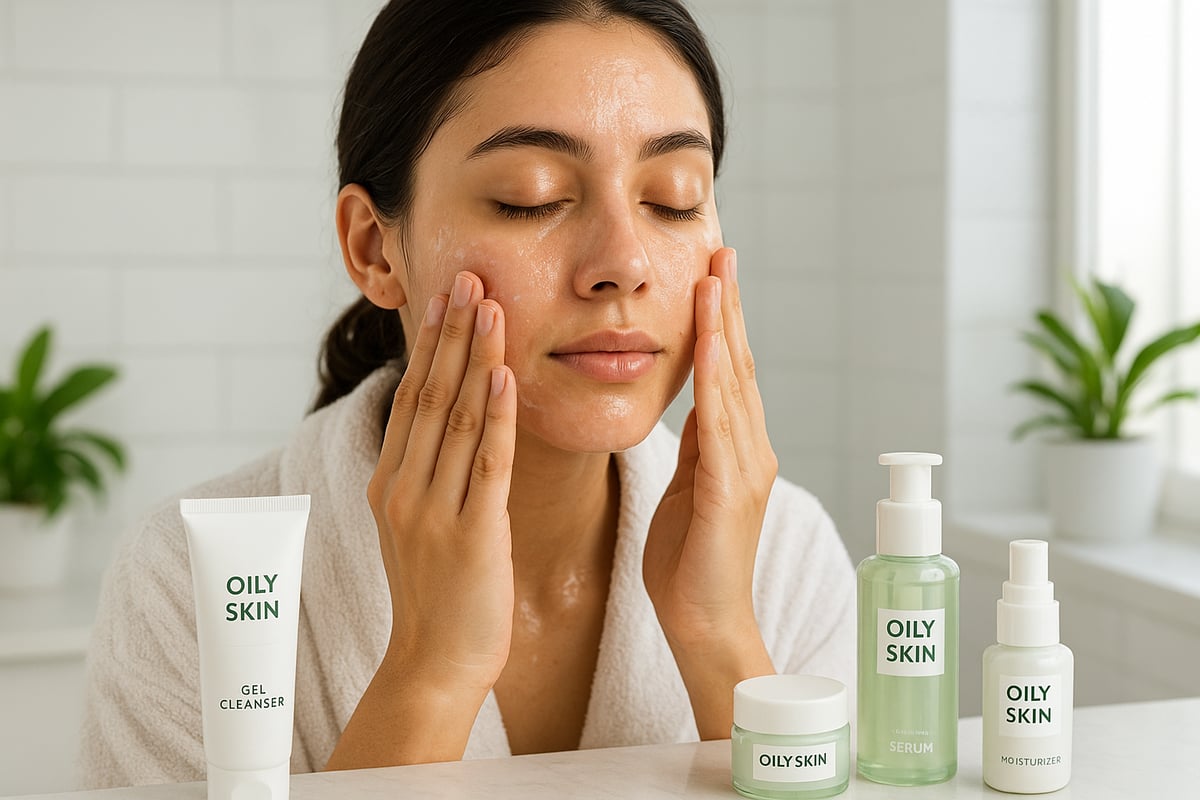
Step 1: Gentle Cleansing
Cleansing is the foundation of every routine for naturally oily skin. You want to remove excess oil, dirt, and pollution without stripping your skin. Choose a pH-balanced, sulfate-free cleanser to keep your skin barrier healthy. Over-cleansing can actually trigger more oil production, so stick to washing twice daily—once in the morning and once at night.
Gel-based and micellar cleansers are excellent options. For a curated selection of gentle cleansers, check out Cleansers for Oily and Combination Skin. Remember, lukewarm water is best to avoid irritation. Consistency is key for managing naturally oily skin.
Step 2: Exfoliation—How Much is Too Much?
Exfoliating helps keep pores clear and reduces buildup, but moderation matters for naturally oily skin. Experts recommend exfoliating two to three times per week. Overdoing it can compromise your skin barrier, leading to more oil and breakouts.
Chemical exfoliants like salicylic acid and lactic acid are generally safer and more effective than harsh scrubs. These ingredients penetrate pores and dissolve debris without abrasion. Always follow up with moisturizer after exfoliating, and listen to your skin—if you notice redness or stinging, scale back.
Step 3: Toning and Balancing
Toners play a crucial role in prepping naturally oily skin for the next steps. Look for alcohol-free formulas with ingredients like witch hazel, niacinamide, or green tea to help control oil and soothe inflammation. In 2026, probiotic toners are gaining popularity for their ability to balance the skin’s microbiome.
Apply toner after cleansing to remove any remaining impurities and refine pores. Pour a small amount onto a cotton pad or your hands and gently press it into your skin. This step helps your skin absorb serums and moisturizers more effectively, making it a must for those with naturally oily skin.
Step 4: Moisturizing Without the Shine
Even naturally oily skin needs hydration. Skipping moisturizer can backfire, causing your skin to produce even more oil. The secret is choosing lightweight, non-comedogenic products that hydrate without clogging pores.
Gel creams and water-based moisturizers are top picks. Look for formulas with humectants like hyaluronic acid, which draw moisture into the skin without adding grease. Apply moisturizer while your skin is still slightly damp from toner for best results. Keeping naturally oily skin hydrated helps maintain a healthy, balanced glow.
Step 5: Sun Protection for Oily Skin
Sun protection is a daily must, even for naturally oily skin. The challenge is finding a sunscreen that won’t leave you feeling greasy or cause breakouts. Opt for non-greasy, broad-spectrum SPFs labeled “oil-free” or “matte finish.”
Mineral sunscreens with zinc oxide or titanium dioxide are often less pore-clogging than some chemical options. In 2026, many brands offer tinted and mattifying formulas specifically for oily skin types. Remember, SPF should be the last step in your morning routine, and reapply every two hours when outdoors to keep naturally oily skin safe and shine-free.
Step 6: Targeted Treatments and Serums
The final step in your routine for naturally oily skin is applying targeted treatments. This might include spot treatments for breakouts or serums that help regulate oil production. Look for ingredients like niacinamide, zinc, and retinoids for oil control and skin clarity.
Apply treatments after toner but before moisturizer. If you’re layering more than one serum, start with the thinnest consistency first. In 2026, serums with advanced delivery systems and multi-tasking formulas are making it easier than ever to keep naturally oily skin in check. Consistent use of targeted products can make a noticeable difference in your skin’s texture and shine.
Ingredient Innovations and Product Recommendations for 2026
The world of skincare is evolving fast, and if you have naturally oily skin, 2026 brings exciting breakthroughs. From new actives to cleaner, smarter products, the focus is on balance, not just oil control. Let’s explore what’s new, what works, and what to avoid for those with naturally oily skin looking for real, lasting results.
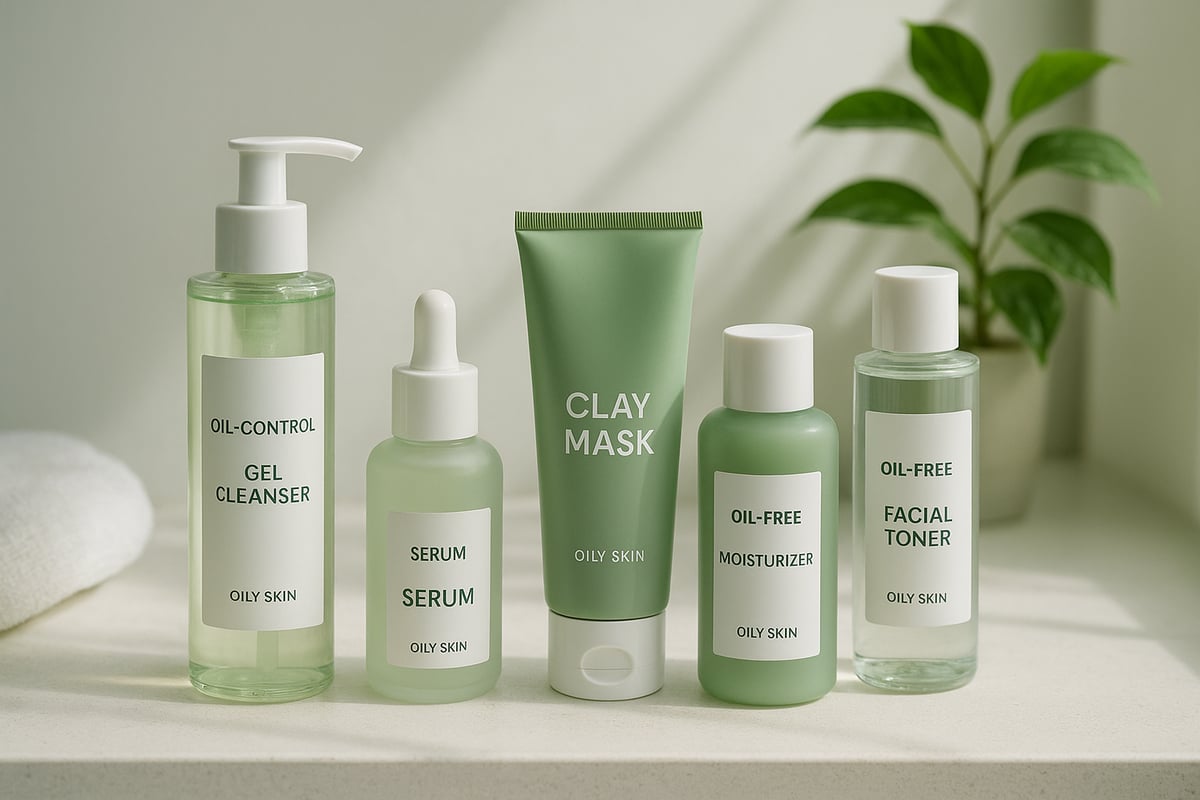
Breakthrough Ingredients for Oil Control
In 2026, ingredient innovation is changing the game for naturally oily skin. Scientists have harnessed bioflavonoids, adaptogens, and probiotics to regulate sebum without stripping the skin. Azelaic acid and bakuchiol are now stars, offering gentle yet effective oil control. Clinical studies highlight these ingredients for their ability to reduce shine and minimize breakouts.
A quick comparison:
| Ingredient | Oil Control | Calming | Trending in 2026 |
|---|---|---|---|
| Azelaic Acid | High | Yes | Yes |
| Bakuchiol | Moderate | Yes | Yes |
| Probiotics | Moderate | Yes | Yes |
If you want naturally oily skin that feels balanced, look for these actives in your next serum or moisturizer.
Clean Beauty for Oily Skin
Clean beauty is more than a buzzword for those with naturally oily skin—it’s a movement. In 2026, plant-based, non-toxic formulas are in high demand. Brands are prioritizing cruelty-free testing and eco-friendly packaging, making it easier to find products that respect both your skin and the planet.
Popular options include gel cleansers with green tea, lightweight moisturizers made with aloe vera, and serums that skip synthetic fragrances. Choosing clean beauty for naturally oily skin means fewer irritants and more peace of mind.
Must-Have Products in 2026
If you have naturally oily skin, it’s never been easier to find products that work. This year’s bestsellers include pH-balanced cleansers, alcohol-free toners, and gel-based moisturizers designed specifically for shine-prone faces.
Dermatologists recommend products with niacinamide, zinc, and lactic acid for daily routines. According to user reviews, the latest launches offer visible results in as little as two weeks. For a curated list of expert-approved solutions, check out Oily Skin Solutions and Advice, which spotlights top picks for naturally oily skin in 2026.
Choosing the Right Mask and Exfoliant
Masks and exfoliants can be game-changers for naturally oily skin. Clay and charcoal masks remain favorites for deep cleansing, while enzyme masks offer gentle exfoliation. Multi-masking—using different masks on separate areas—allows for targeted care.
Tips for best results:
- Use clay or charcoal masks 1–2 times weekly
- Apply enzyme masks for mild exfoliation
- Multi-mask if you have combination concerns
Remember, naturally oily skin benefits from regular, but not excessive, exfoliation.
Avoiding Common Irritants
Navigating ingredient lists can be tricky for those with naturally oily skin. Avoid heavy oils, alcohols, and synthetic fragrances, as these often clog pores or cause irritation. Reading labels for 2026 formulations is easier thanks to transparency laws, but patch testing remains crucial.
Expert advice:
- Look for “non-comedogenic” on labels
- Replace products regularly to avoid buildup
- Always patch test new items
Choosing wisely ensures your naturally oily skin stays clear, comfortable, and balanced.
Lifestyle Factors That Influence Oily Skin
Managing naturally oily skin goes beyond just picking the right cleanser or moisturizer. Your daily habits, nutrition, stress levels, and even where you live can all play a big part in how your skin behaves. Let’s break down the lifestyle factors that matter most in 2026 and how you can use them to your advantage.
Diet and Nutrition
What you eat shows up on your skin. Diets high in processed sugars or dairy can spike insulin, which in turn may boost sebum production, making naturally oily skin even shinier. Many people notice a difference when switching to an anti-inflammatory diet rich in leafy greens, berries, and omega-3s.
Staying hydrated is just as important. Drinking enough water helps regulate your skin’s oil balance, supporting a clearer complexion. Consider tracking your meals for a week to spot any food triggers. Tiny changes in your daily diet can lead to big improvements for naturally oily skin.
Stress, Sleep, and Hormonal Balance
Ever noticed how your skin gets oilier during stressful times? Stress hormones like cortisol can send oil glands into overdrive, especially for those with naturally oily skin. Prioritizing quality sleep and stress management techniques—like meditation or deep breathing—can help restore balance.
Hormonal shifts, whether from puberty, menstrual cycles, or menopause, are often behind sudden changes in oiliness. According to recent research on skin sensitivity and sebum secretion, stress and skin sensitivity can work together to amplify oil production, so managing both is key for naturally oily skin. Aim for a consistent sleep routine and consider talking to a healthcare professional about persistent hormonal issues.
Environmental Factors in 2026
City life brings its own set of challenges for naturally oily skin. Pollution, humidity, and increased microdust exposure can clog pores and disrupt your skin’s barrier. In 2026, more people are turning to air purifiers at home and barrier-protecting creams to shield their skin from environmental stressors.
Comparing city dwellers to those in rural areas, studies show urban residents face more frequent breakouts and oiliness. If you live in a high-pollution area, cleansing thoroughly at night and using antioxidant-rich skincare can help protect naturally oily skin from daily damage.
Exercise and Sweat Management
Regular exercise is great for your health and your complexion, but sweat can sometimes make naturally oily skin feel worse. The key is to cleanse your face promptly after workouts to prevent sweat and oil from sitting on your skin.
Choose breathable, moisture-wicking fabrics to keep your skin comfortable during exercise. If you’re an athlete or just love fitness, consider carrying gentle cleansing wipes in your gym bag. Preventing sweat-induced breakouts is all about quick, gentle cleansing and not letting bacteria linger on naturally oily skin.
Skincare Habits and Hygiene
Simple everyday habits can make a huge difference for naturally oily skin. Change your pillowcases and towels frequently to reduce oil and bacteria buildup. Clean your phone screen and makeup brushes weekly—these are often overlooked sources of grime that can worsen oiliness.
Don’t forget to check expiration dates on your products and replace them regularly. Sticking to a consistent skincare routine morning and night helps reinforce good habits and keeps naturally oily skin in check. A little attention to hygiene goes a long way toward a balanced, healthy-looking complexion.
Expert Solutions and Dermatologist-Approved Treatments
Managing naturally oily skin in 2026 is easier than ever, thanks to expert-backed treatments and technological advances. If you have ever felt overwhelmed by options or unsure where to start, you are in the right place. From in-clinic procedures to the latest research breakthroughs, let us break down what really works for naturally oily skin.
In-Clinic Procedures for Oily Skin
When at-home care does not deliver, professional in-clinic treatments can be a game changer for naturally oily skin. Dermatologists now offer chemical peels that gently exfoliate, reduce sebum, and minimize pore appearance. Microdermabrasion remains popular, buffing away dead skin and revealing a smoother complexion.
Laser therapies, especially fractional and pulsed-dye lasers, target oil glands to reduce shine and breakouts. These procedures are safer and more precise in 2026, with minimal downtime. Most clients notice visible improvements after just a few sessions. If you are looking for a fast-track solution for naturally oily skin, ask your dermatologist about these advanced options.
Prescription Treatments and Medications
Sometimes, naturally oily skin needs more than just topical solutions. Prescription retinoids help regulate cell turnover, unclog pores, and decrease oil production. For more severe cases, oral medications like isotretinoin or hormonal therapies (such as oral contraceptives or anti-androgens) may be suggested.
Dermatologists assess individual cases to determine the best approach, balancing effectiveness with potential side effects. Regular check-ins and monitoring are crucial when using these medications. If your naturally oily skin is resistant to over-the-counter options, a personalized prescription plan could make all the difference.
Over-the-Counter Solutions
Not every case of naturally oily skin requires a prescription. Many find relief with over-the-counter (OTC) products containing proven ingredients like benzoyl peroxide, salicylic acid, and sulfur. These target excess oil, clear pores, and fight bacteria.
Combining the right OTC products can boost results without irritating the skin. Dermatologists often recommend starting with a gentle cleanser, a targeted treatment, and a lightweight moisturizer. Look for brands that are non-comedogenic and specifically designed for naturally oily skin. Consistency is key for long-term improvement.
Professional Advice: When to See a Dermatologist
How do you know when to seek professional help for naturally oily skin? If you experience frequent, stubborn breakouts, severe shine, or scarring, it is time to consult a dermatologist. Persistent symptoms may point to underlying hormonal or medical issues that require expert evaluation.
A dermatologist can create a tailored treatment plan, combining in-office procedures, prescriptions, and lifestyle advice. They may also use specialized diagnostic tools to assess your skin’s needs. Remember, early intervention prevents complications and helps you achieve the best results for naturally oily skin.
Latest Research and Breakthroughs
2026 brings exciting new tools for managing naturally oily skin. AI-powered analysis now helps dermatologists assess hydration and oil levels using just a selfie. These systems provide personalized recommendations and track progress over time. For more details on this technology, see the AI-Driven Skin Hydration Assessment.
Microbiome-balancing therapies are another breakthrough, focusing on supporting the skin’s natural barrier. Insights from recent dermatology conferences reveal that maintaining a healthy skin microbiome reduces oiliness and inflammation. Staying updated on these innovations ensures you benefit from the most effective treatments for naturally oily skin.
Natural Skincare Solutions for Oily Skin
For those seeking gentle, holistic options, natural skincare is transforming how we care for naturally oily skin. Plant-based products with minimal ingredients help regulate oil without harsh chemicals, making them ideal for sensitive skin types.

Brands like Mama Nature focus on non-toxic, cruelty-free formulations that support oil control while being eco-friendly. Their targeted blends harness the power of botanicals, delivering results backed by real customer feedback. Choosing natural solutions aligns with the growing trend for sustainable, conscious beauty in 2026, helping you manage naturally oily skin with confidence.
Daily and Weekly Maintenance: Building Long-Term Habits
Maintaining healthy, balanced skin is all about consistency and smart choices. When it comes to naturally oily skin, building the right daily and weekly habits can make all the difference. Let's break down what it takes to keep shine at bay and your complexion clear for the long haul.
Creating a Personalized Routine
Every person’s naturally oily skin has its own story. Start by observing how your skin behaves throughout the day and in different seasons. Is your T-zone always shiny, or does oiliness spike during stressful weeks or humid months?
Adjust your routine as your skin’s needs shift. For example, you might need a lighter moisturizer in summer and a richer one in winter. Track changes in your skin’s texture or breakouts in a simple journal or app.
- Assess skin after cleansing and midday for oil levels.
- Note any reactions to new products.
- Revisit your routine monthly to spot patterns.
Personalization is key. Tuning in to your naturally oily skin’s signals helps you avoid guesswork and keeps your regimen effective.
Common Mistakes to Avoid
It’s easy to fall into traps when caring for naturally oily skin. Over-cleansing can strip the barrier, causing more oil production. Skipping moisturizer is another frequent misstep, which can leave skin dehydrated and even oilier.
Always use a lightweight, non-comedogenic moisturizer. Need help choosing? Check out Face Moisturisers for Oily Skin for options that hydrate without adding shine.
- Avoid harsh scrubs or alcohol-based toners.
- Never skip SPF, even on cloudy days.
- Be careful with product layering to prevent irritation.
Learning from these common mistakes keeps your naturally oily skin balanced and healthy.
Staying Consistent for Lasting Results
Consistency is the secret weapon for managing naturally oily skin. Set reminders on your phone or create a visible checklist to stick with your morning and night routines.
Building habits can feel tough at first, but small wins fuel motivation. Track improvements in oiliness, breakout frequency, or skin texture to celebrate progress.
- Place products within easy reach to make routines easier.
- Pair skincare steps with daily rituals, like brushing teeth.
- Take weekly photos to see subtle changes over time.
With steady effort, your naturally oily skin will thank you—clearer, calmer, and more radiant every day.