

Struggling to manage both dry patches and oily shine on your face? You’re in good company. Skin care for combination skin can feel like a daily puzzle, but it’s far more common than most people realize.
This expert guide is here to help you finally decode what your skin needs. In 2026, the world of skin care for combination skin is full of science-backed solutions and smart routines that actually work.
You’ll discover why your skin behaves this way, how to spot the signs, and what steps to follow for balanced results. Ready to transform your routine? Dive in and unlock the secrets to healthy, glowing skin.
Understanding Combination Skin: Causes, Signs, and Myths
Navigating skin care for combination skin can feel like a puzzle, especially when your forehead seems to shine while your cheeks stay dry. This section will help you understand what makes combination skin unique, why it occurs, how to recognize it, and which myths might be holding you back from your best routine.
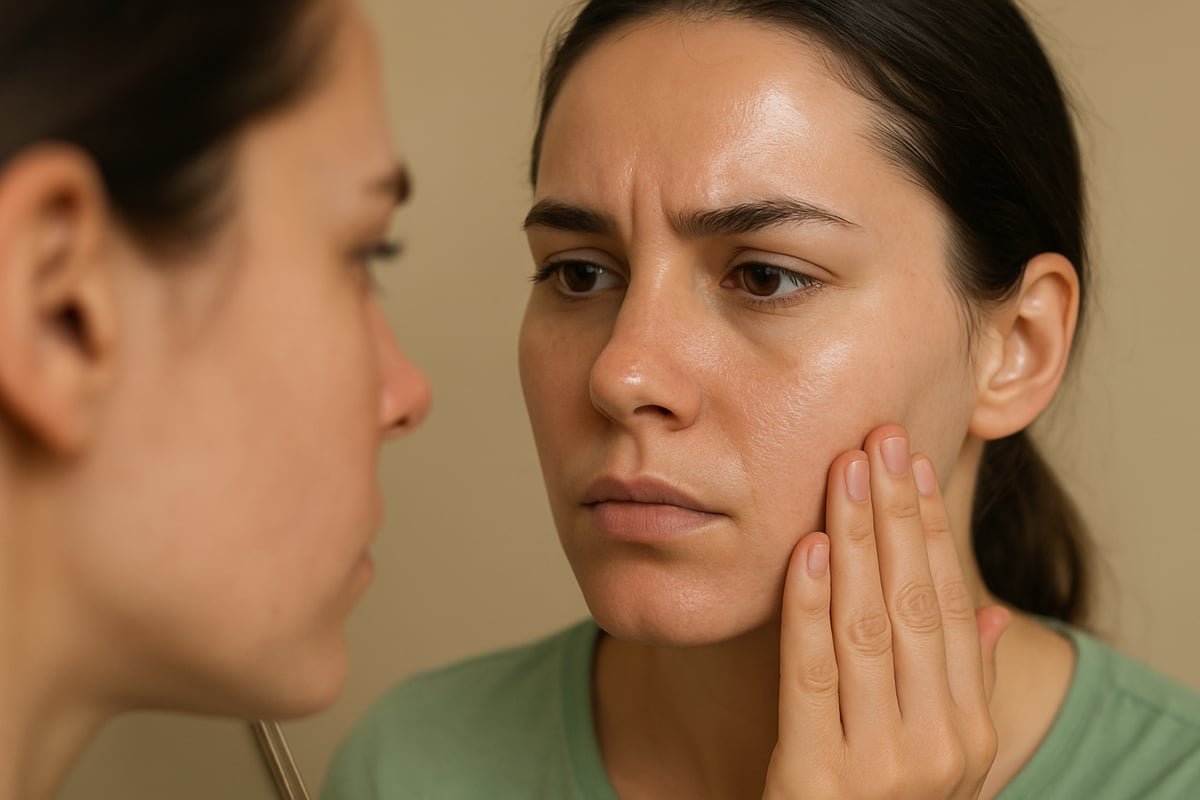
What Is Combination Skin?
Combination skin describes a complexion that has both oily and dry or normal areas at the same time. Typically, the T-zone, which covers the forehead, nose, and chin, is oilier, while the cheeks and jawline are drier or normal.
This skin type is the most common around the globe, affecting people of all ages, backgrounds, and genders. Genetics play a major role in determining whether you’ll experience combination skin, but environmental factors and hormones can also shift your skin’s behavior.
If you find yourself constantly switching products or struggling to balance your skin, you’re not alone—skin care for combination skin is a common challenge, but it’s absolutely manageable.
Causes of Combination Skin
The primary cause of combination skin comes down to genetics. If your parents or close relatives have this skin type, you’re much more likely to inherit it. Hormonal changes, such as puberty, menstrual cycles, or menopause, can further influence your skin’s oil and moisture levels.
Environmental factors like humidity, seasonal weather changes, and pollution contribute to how much oil your T-zone produces and how dry your cheeks might feel. Lifestyle choices—like your diet, stress levels, and even the skincare products you use—can tip the balance as well. Dermatologists agree there’s no single cause, and multiple factors often interact to create the need for specialized skin care for combination skin. For a deeper dive into causes and care, check out this comprehensive guide to combination skin care.
Recognizing Combination Skin: Signs and Self-Test
Wondering if you have combination skin? The most telling sign is an oily T-zone paired with drier or normal cheeks. You might notice breakouts or enlarged pores in the forehead, nose, and chin, but experience flakiness or tightness on the sides of your face.
Makeup can slide off the oily areas while clinging to dry patches. To self-test, wash your face with a gentle cleanser, pat dry, and wait 30 minutes. If your T-zone looks shiny but your cheeks feel tight or flaky, you likely need skin care for combination skin.
List of signs:
- Oily forehead, nose, and chin
- Dry or normal cheeks and jawline
- Breakouts in some areas, dry patches in others
- Makeup behaves differently on various parts of the face
Common Myths Debunked
Let’s clear up some confusion around skin care for combination skin. First, combination skin isn’t rare or just a phase—it’s the most widespread skin type. You don’t have to use entirely separate products for every zone; adaptive formulas can work across your face.
Another myth is that only teenagers or young adults have combination skin. In reality, it can affect anyone, regardless of age. Believing these myths can hold you back from finding a routine that truly works for you.
Key Insights
Effective skin care for combination skin is all about flexibility and adaptation. Pay attention to your skin’s patterns and how it changes with the seasons, your hormones, or your environment.
Recognizing your skin’s unique map—oily here, dry there—is the first step to building a regimen that brings everything into balance. With the right approach, you can keep both shine and dryness in check, moving closer to healthy, radiant skin.
Step-by-Step Expert Skin Care Routine for Combination Skin (2026 Edition)
Struggling to find the right routine for your unpredictable skin? You are not alone. Building an effective skin care for combination skin regimen means understanding how to treat both oily and dry areas at once. The secret is balance—using targeted steps and smart ingredients so every part of your face gets what it needs.
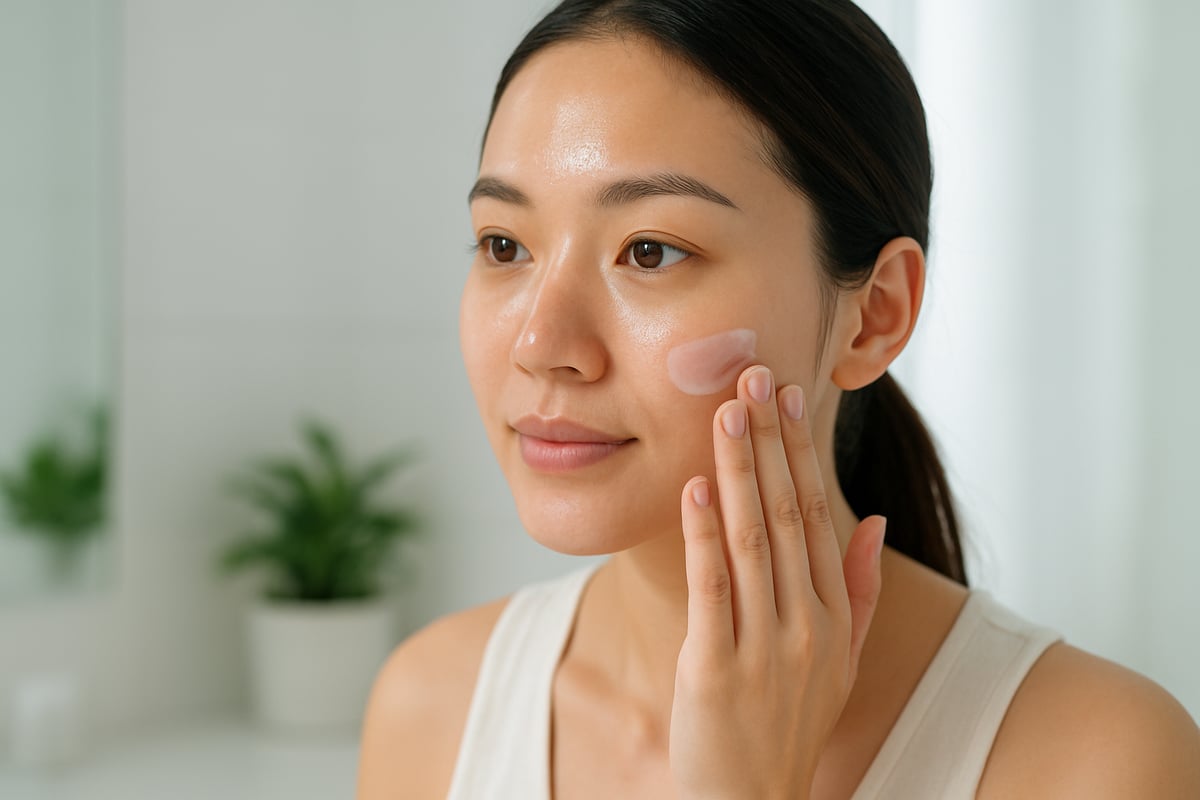
Morning Routine: Chronological Steps
Your morning skin care for combination skin should set the tone for a balanced day. Start with a gentle cleanser that removes excess oil from the T-zone but does not leave your cheeks feeling tight or flaky. Micellar waters and foaming gels like CeraVe Foaming Facial Cleanser or Bioderma Sensibio H2O work well for this step.
Next, reach for a balancing toner. This step hydrates dry spots while keeping oil in check. Always go for alcohol-free formulas such as Clinique Clarifying Face Lotion 2 or Pixi Glow Tonic. These help prep your skin for the next layers.
After toning, apply a lightweight serum. Look for hyaluronic acid if you want hydration without heaviness, or niacinamide to minimize oil in the T-zone. Vichy Mineral 89 and BYOMA Hydrating Serum are great choices, while Glow Recipe Avocado Ceramide Serum soothes sensitive areas.
Moisturizer comes next. Gel or water-based formulas like Neutrogena Hydro Boost Gel-Cream deliver hydration all over, without clogging pores or adding shine. If your cheeks are extra dry, dab a little more on those areas.
Finish with sunscreen—never skip this step, even on cloudy days. Choose oil-free, broad-spectrum SPF 30+ products such as Supergoop! Glowscreen SPF 40 or cocokind Daily SPF. These protect against UV damage without making your skin greasy.
Here is a quick visual breakdown:
| Step | Product Example | Target Area | Benefit |
|---|---|---|---|
| Cleanser | CeraVe Foaming Facial Cleanser | All | Removes oil, gentle |
| Toner | Pixi Glow Tonic | All | Balances, hydrates |
| Serum | Vichy Mineral 89 | All | Hydrates, controls oil |
| Moisturizer | Neutrogena Hydro Boost Gel-Cream | All/dry | Lightweight hydration |
| Sunscreen | Supergoop! Glowscreen SPF 40 | All | UV protection |
Consistency is key. Each step in this skin care for combination skin routine is designed to prevent midday shine and keep dry patches at bay.
Evening Routine: Chronological Steps
At night, your skin care for combination skin routine should focus on deep cleansing and repair. Begin with a double cleanse if you have worn makeup or SPF. First, use an oil-based cleanser to dissolve makeup and sunscreen. Follow with a gentle foaming cleanser to remove any residue.
Two to three times a week, add a chemical exfoliant after cleansing. Products with AHAs or BHAs, like Dermalogica Daily Microfoliant or Tata Harper Resurfacing AHA + BHA Serum, help unclog pores and smooth dry patches. Do not over-exfoliate, as this can trigger more oil or irritation.
Next, apply a targeted serum based on your current skin needs. If you see redness, try a calming formula. For dullness, look for vitamin C. For aging, pick peptides or ceramides. Always apply serums to clean, slightly damp skin for best absorption.
Moisturizing at night is all about balance. Use a slightly richer formula on dry areas, like CeraVe Moisturizing Cream, and a lighter one for your T-zone. You can even use two different moisturizers if needed.
Optional treatments bring extra benefits. Spot treat breakouts with salicylic acid or benzoyl peroxide. For dry patches, apply a nourishing mask once or twice a week.
Here is a sample evening routine for skin care for combination skin:
- Oil-based cleanser (if needed)
- Gentle foaming cleanser
- Exfoliant (2-3x per week)
- Targeted serum
- Night moisturizer (richer for dry, lighter for oily)
- Optional: Spot treatment or hydrating mask
Making these steps a nightly ritual helps your skin recover and renew, leaving you with a more even complexion in the morning.
Key Arguments & Insights
Why does a tailored skin care for combination skin routine matter so much? The answer comes down to adaptability. Layering lightweight products prevents clogged pores in oily zones and dryness in others. Seasonal shifts also play a role—richer creams in winter, lighter gels in summer—so your products should flex with the weather.
Dermatologists recommend patch testing new products. This simple habit can save you from irritation and setbacks. Apply a small amount to your jawline or behind your ear, then wait 24 hours before using it all over.
Research shows over 70% of people with combination skin report better balance and fewer problems when using a routine designed for their unique needs. Customizing your approach—using richer products on dry cheeks, lighter ones on the T-zone—lets you respond to your skin’s daily signals. If you want more professional advice, check out these expert skincare tips for combination skin, which offer even more guidance on routines and product selection.
Remember: there is no universal fix. The best results come from listening to your skin, making small adjustments, and being consistent. With the right steps, you will enjoy balanced, healthy skin every day.
Choosing the Best Ingredients for Combination Skin
Finding the right ingredients is the heart of effective skin care for combination skin. You want products that hydrate dry areas while controlling oil where needed. Let’s break down the science-backed components that help you build a routine that truly works.
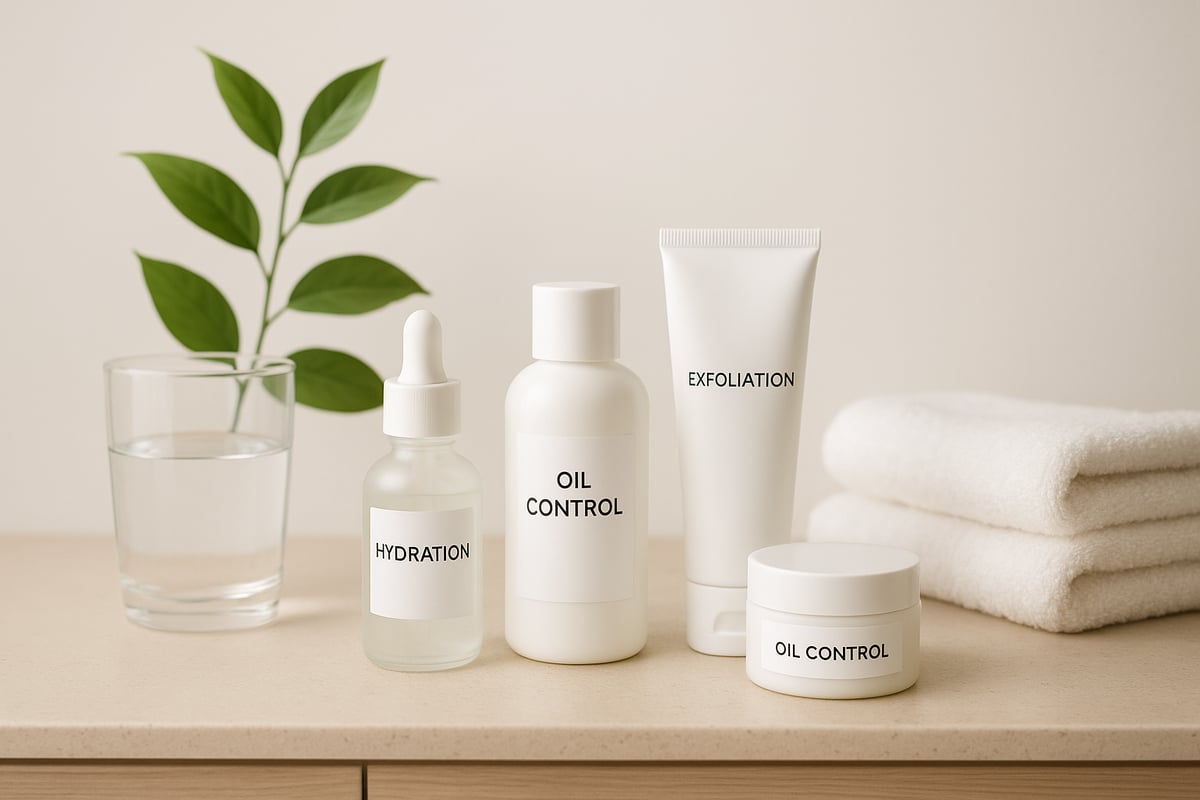
Hydrating Ingredients
Hydration matters for every skin type, but it is crucial in skin care for combination skin. Look for humectants like hyaluronic acid and glycerin, which draw moisture into the skin without feeling greasy. Squalane, a plant-derived oil, adds lightweight nourishment that supports both dry and oily zones.
Ceramides are another must-have. They help repair and strengthen your skin barrier, locking in moisture and preventing irritation. When your skin barrier is healthy, both your T-zone and cheeks feel more balanced. This means fewer dry patches and less oiliness over time.
Oil and Shine Control
Managing shine is a big part of skin care for combination skin, especially across the T-zone. Niacinamide is a star ingredient, as it helps regulate sebum production and visibly reduces the look of pores. Zinc is another powerhouse, calming redness and controlling oil without over-drying.
Green tea extract is excellent for soothing inflamed or reactive areas. It’s packed with antioxidants that protect against environmental stressors and keep oil in check. By combining these ingredients, you can target shine while still respecting your skin’s natural balance.
Gentle Exfoliants
Exfoliation is key for smooth, clear skin care for combination skin, but it must be gentle. Lactic acid and salicylic acid are top choices. Lactic acid (an AHA) hydrates as it exfoliates, making it great for dry patches. Salicylic acid (a BHA) penetrates pores to clear oil and prevent breakouts in oily areas.
Limit exfoliation to one to three times per week. Overdoing it can disrupt your skin barrier, leading to more flakiness or excess oil. Always follow with a moisturizer to maintain hydration.
Avoid These Ingredients
Some ingredients can sabotage your skin care for combination skin goals. High alcohol content in toners or astringents strips away moisture, causing the skin to overcompensate with oil or develop dry, irritated patches.
Heavy oils and butters, like coconut oil or shea butter, can clog pores in the T-zone and worsen breakouts. Stick with lightweight, non-comedogenic formulas to keep your skin happy and balanced.
Natural and Clean Beauty Options
If you prefer a natural approach to skin care for combination skin, look for ingredients like aloe vera, chamomile, and calendula. These botanicals soothe sensitive areas and provide gentle hydration. Brands such as The Ordinary, La Roche-Posay, and Paula’s Choice offer clean options that work well for mixed skin types.
For even more inspiration on eco-conscious choices, explore eco-friendly artisan skincare to find products that are gentle on both your skin and the environment.
Key Insights
The secret to successful skin care for combination skin is balance. Mix hydrating and oil-regulating ingredients to meet the needs of different zones on your face. Listen to your skin and adjust your routine as the seasons, hormones, or stress levels change.
Personalization is key, so don’t be afraid to experiment and tweak your regimen. With the right ingredients, you can achieve a healthy, radiant complexion that feels comfortable all year round.
Top Product Recommendations for Combination Skin in 2026
Finding the best skin care for combination skin can feel overwhelming, but it all starts with the right product picks. When you balance hydration and oil control, you set your skin up for its healthiest glow. Let’s break down the top recommendations for every step, so you can build a routine that keeps both your T-zone and dry areas happy.
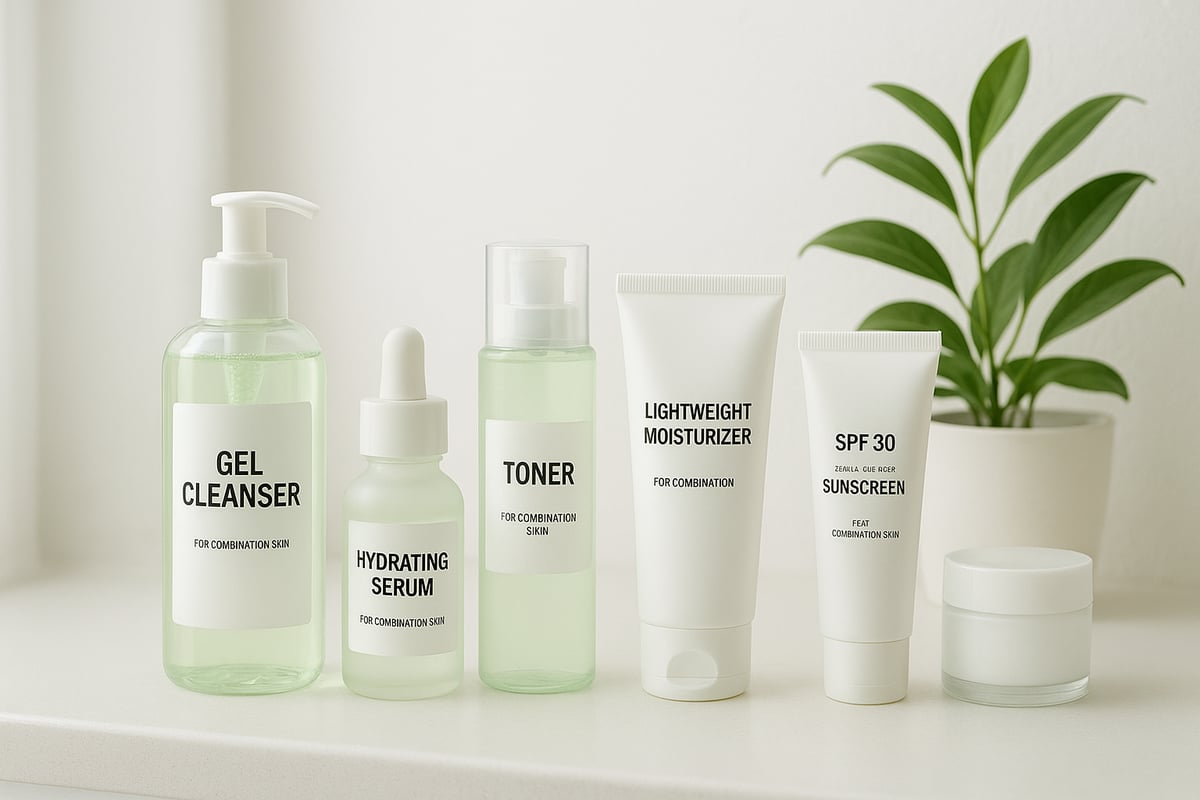
Best Cleansers
A gentle yet effective cleanser is the foundation of skin care for combination skin. You want something that removes excess oil from the T-zone while preserving moisture on your cheeks.
- Bioderma Sensibio H2O Micellar Water: Removes makeup and impurities without stripping.
- CeraVe Foaming Facial Cleanser: Dermatologist-approved for balancing oil and hydration.
- La Roche-Posay Toleriane Hydrating Gentle Cleanser: Perfect for sensitive, dry-prone areas.
Look for cleansers labeled “non-comedogenic” to avoid clogging pores. Use lukewarm water, and avoid harsh scrubbing to keep your skin barrier strong.
Recommended Toners
Toners help reset your skin’s pH and prep it for hydration. For skin care for combination skin, choose formulas that hydrate without adding shine.
- Clinique Clarifying Lotion 2/3: Targeted for both drier and oilier areas.
- Pixi Glow Tonic: Gently exfoliates, leaving the T-zone smooth and bright.
- Fenty Skin Fat Water Pore-Refining Toner Serum: Refines pores and balances texture.
Apply toner with a cotton pad or your hands, focusing on the T-zone. Look for alcohol-free options to prevent over-drying.
Best Serums
Serums deliver a concentrated boost of actives and are essential in skin care for combination skin. Hydration and oil control can go hand in hand.
- Vichy Mineral 89 Hyaluronic Acid Serum: Lightweight, deeply hydrates without heaviness.
- Glow Recipe Avocado Ceramide Redness Relief Serum: Calms and soothes irritation.
- Paula’s Choice Omega+ Complex Serum: Strengthens the skin barrier, ideal for dry patches.
Layer serums after toner, and allow each layer to absorb fully before moving on. This helps maintain an even, balanced complexion.
Moisturizers for Balance
The right moisturizer keeps dry patches soft and the T-zone comfortable. In skin care for combination skin, opt for gel or water-based creams.
- Neutrogena Hydro Boost Gel-Cream: Lightweight, absorbs quickly, hydrates all over.
- CeraVe Moisturizing Cream: Use on dry spots for rich, lasting moisture.
- Youth to the People Superfood Air-Whip Moisture Cream: Oil-free, packed with antioxidants.
Mix and match: apply richer creams only where you need them, and keep the rest of your face fresh and light.
Sunscreen Must-Haves
No skin care for combination skin routine is complete without sunscreen. Choose oil-free, broad-spectrum SPF that won’t clog pores or add shine.
- Supergoop! Glowscreen SPF 40: Lightweight with a subtle glow.
- cocokind Daily SPF 32: Non-comedogenic and gentle on sensitive skin.
Reapply every two hours if you’re outdoors, and remember, daily protection is a must for all skin types.
Optional: Masks & Spot Treatments
Targeted treatments are the secret weapon in skin care for combination skin. Multi-masking lets you address oily and dry zones at once.
- Cetaphil Derma Control Purifying Clay Mask: Absorbs oil and clears pores in the T-zone.
- La Mer Treatment Lotion Hydrating Mask: Delivers deep hydration to dry patches.
Spot treat breakouts with a gentle salicylic acid gel, and use hydrating masks as a weekly treat for thirsty skin.
Key Arguments & Examples
Why invest in a tailored skin care for combination skin routine? Products labeled “non-comedogenic” and “fragrance-free” help reduce irritation and congestion. Mixing lighter and richer products lets you customize your care.
Studies show that people who use comprehensive, step-by-step routines see better hydration and smoother texture than those with a one-size-fits-all approach. In fact, research on the clinical benefits of advanced skincare routines supports the idea that a personalized regimen delivers real results for combination skin.
Remember, listen to your skin and adjust as needed. The right products, applied thoughtfully, will help you achieve that elusive balance—no matter the season.
Seasonal and Lifestyle Adjustments for Combination Skin
Adapting your skin care for combination skin routine as the seasons and your lifestyle change is essential for maintaining a healthy, balanced complexion. Skin never stays the same year-round, so tuning in to its signals and being flexible with your products helps keep both oily and dry areas in harmony.
Adapting Your Routine by Season
Weather changes can dramatically alter how your skin behaves. In winter, cold air and indoor heating often leave cheeks and jawline feeling tight or flaky. During these months, switch to richer creams on dry patches and layer hydrating serums underneath. For your T-zone, keep using lightweight, non-comedogenic products to avoid congestion.
In the summer, humidity and heat can turn the T-zone slick while cheeks may still crave moisture. Gel-based moisturizers and mattifying serums are your best friends. If you live in a humid area, consider blotting papers or a mattifying primer for midday touch-ups. In dry climates, amp up the hydration with a barrier cream or a hydrating mist throughout the day.
Not sure how to tweak your skin care for combination skin routine as autumn arrives? Check out these magical skincare tips for the autumn season to keep your skin radiant and balanced as temperatures shift.
Flexibility is key. Even if your skin feels oily in summer and dry in winter, small adjustments make a big difference. Dermatologists recommend regular seasonal product swaps for the healthiest results.
Lifestyle Factors
Your daily habits have a huge impact on skin care for combination skin. Diet plays a vital role—balancing your omega-3 intake and minimizing excess sugar can help reduce breakouts and flakiness. Stress is another culprit, raising cortisol levels that may trigger more oil production or sudden dryness.
Sleep is often overlooked but is crucial for skin repair and barrier strength. Poor sleep can make oily areas more prone to breakouts and dry zones more irritated. Creating a consistent nighttime routine, including a gentle cleanser and a moisturizer tailored for both oily and dry zones, supports overall skin health.
Lifestyle changes don’t need to be dramatic. Small steps, like drinking more water, taking short walks to lower stress, and eating more skin-friendly foods, can improve the effectiveness of your skin care for combination skin routine. Remember, your skin is always reflecting what’s happening inside your body—listen to its signals and adapt as needed.
Travel and Environmental Changes
Skin care for combination skin faces extra challenges when you’re on the go or exposed to environmental stressors. Air travel quickly dehydrates the skin, so pack a hydrating mist and apply a richer cream to dry areas before takeoff. In polluted cities, antioxidants like vitamin C serums help fight free radicals and keep both oily and dry zones protected.
Moving between climates or spending time outdoors? Bring travel-sized versions of your favorite products so you can layer hydration or mattify as needed. Flexibility is crucial—never be afraid to swap products or routines if your skin starts to feel tight, greasy, or irritated.
Dermatologists agree: 60% of people with combination skin report seasonal changes force them to tweak their routines for the best results. The key is to stay observant and proactive, so your skin care for combination skin always meets your current needs.
Expert Tips, Mistakes to Avoid, and Advanced Solutions
Struggling to perfect your skin care for combination skin? You are not alone. Even seasoned beauty lovers face the unique challenge of balancing oil and dryness. This expert section combines practical know-how, dermatologist insights, and the latest innovations to help you achieve your healthiest skin yet.
Pro Tips for Managing Combination Skin
Want to make your skin care for combination skin truly effective? Start by customizing each step. Multi-masking is a game changer: use a clay or charcoal mask on your T-zone for oil control, while applying a hydrating mask to drier cheeks.
Spot treating is another smart move. Apply targeted treatments only where needed, such as salicylic acid on breakouts or soothing creams on flaky areas. Layer your products thoughtfully: begin with lightweight serums, then finish with richer creams only on dry patches.
For extra help with oily zones, check out these oily face care tips for expert advice. Remember, the best skin care for combination skin is flexible and adapts to your changing needs.
Common Mistakes
Even the most dedicated routines can fall short if you make these common mistakes. Over-cleansing may seem like a solution for oily shine, but it often strips your skin, causing even more oil production.
Ignoring dry areas is just as risky. Skipping moisturizer or using harsh astringents can lead to flakiness and irritation, making skin care for combination skin more frustrating. Avoid products with high alcohol content or heavy fragrances, as these disrupt your skin barrier and increase sensitivity.
Instead, treat each area of your face according to its needs. Hydrate the dry spots and mattify the oily ones. This targeted approach is key to successful skin care for combination skin.
Advanced Solutions
Ready to take your skin care for combination skin to the next level? Professional treatments like gentle chemical peels or microdermabrasion can help balance texture and tone. Skin tools, such as sonic cleansing brushes or dermaplaning devices, encourage smoother product absorption and a radiant finish.
For tech-savvy beauty lovers, an AI-driven skin hydration assessment can remotely analyze your skin's hydration and water loss using just a selfie. This futuristic method offers a personalized way to monitor your combination skin health and adapt your routine in real time.
Dermatologists also recommend switching up your products seasonally and consulting a pro for stubborn concerns. Personalization is the heart of modern skin care for combination skin.
Safety and Patch Testing
No matter what products or tools you try, safety comes first in skin care for combination skin. Always patch test new products, especially active ingredients like acids or retinoids, to prevent irritation.
Apply a small amount behind your ear or on your wrist and wait 24 hours. If you notice redness, itching, or discomfort, reconsider using the product on your face. Adjust frequency or formula as needed, and do not hesitate to consult a dermatologist for expert guidance.
With these strategies, you can confidently navigate skin care for combination skin and enjoy a complexion that feels balanced and healthy.