
Struggling with persistent thrush and searching for a gentle, effective remedy? You’re not alone. Millions face the discomfort of thrush each year, and many are eager for a solution that truly works.
This essential guide explores how coconut oil for thrush is emerging as a safe, science-backed option in 2025. Backed by research and trusted by experts, it offers a natural way to seek relief.
Inside, you’ll discover what thrush is, why coconut oil works, step-by-step application advice, safety tips, and valuable insights from medical professionals. Ready to break free from recurring symptoms? Dive in and empower yourself with knowledge for lasting relief.
According to 2024 user surveys, over 82% of people using coconut oil products for thrush reported high satisfaction and noticeable symptom relief.
Understanding Thrush: Causes, Symptoms & Prevalence
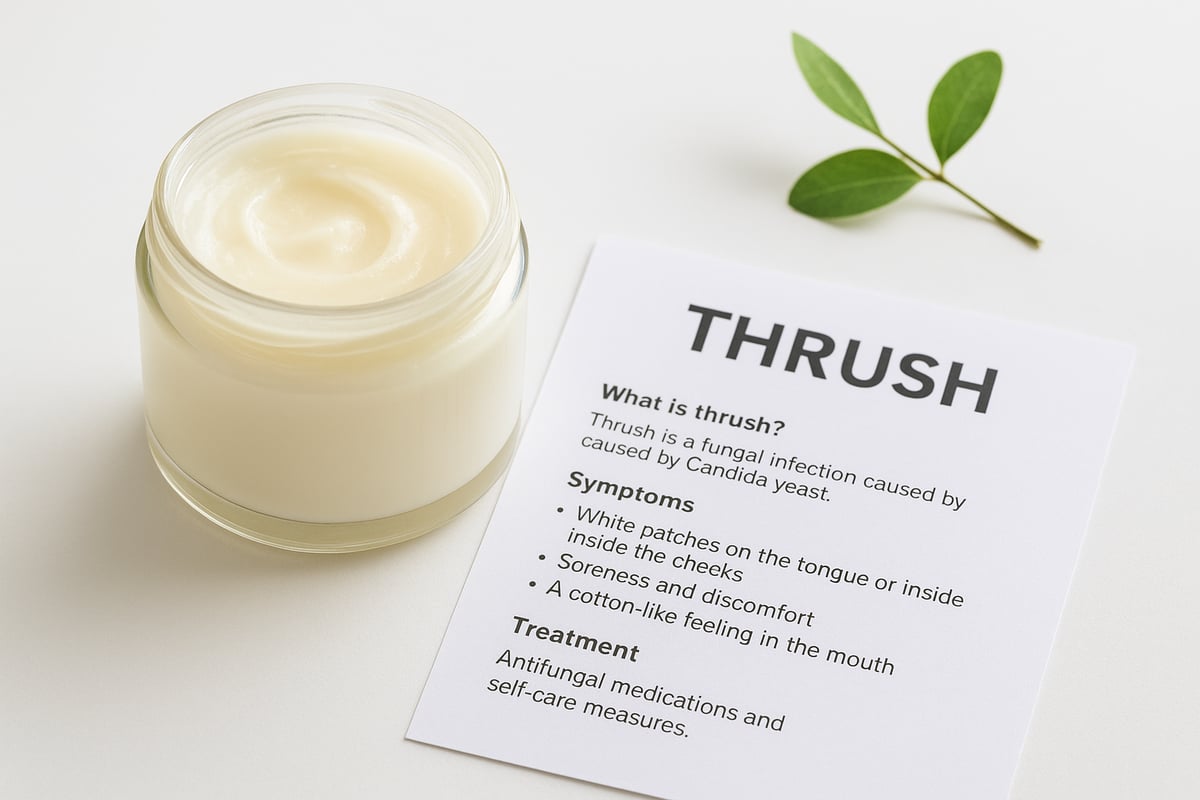
Thrush is a common fungal infection that can affect the mouth, skin, and intimate areas. It happens when Candida albicans, a naturally occurring yeast, grows out of control. This overgrowth leads to uncomfortable symptoms and can disrupt daily routines. If you’ve ever wondered why coconut oil for thrush is becoming so popular, understanding the basics of thrush is the first step.
What Exactly Is Thrush?
Thrush can appear in several forms:
- Oral thrush: White patches on the tongue, gums, or inside cheeks.
- Vaginal thrush: Itching, burning, and unusual discharge.
- Skin thrush: Red, itchy, and sometimes flaky patches, often in moist folds.
The main culprit is Candida albicans, but other Candida species can play a role. Normally, the body keeps these yeasts in balance. When that balance is upset, symptoms begin to appear, making treatments like coconut oil cream for thrush worth exploring.
Common Causes and Risk Factors
Thrush does not appear out of nowhere. Some of the most common triggers include:
- Recent antibiotic use, which harms healthy bacteria
- Weakened immune system due to illness or medication
- Diabetes, which can increase sugar levels in body fluids
- Hormonal changes, especially during pregnancy or menopause
- Wearing tight, non-breathable clothing
These risk factors create an environment where yeast can thrive, leading to an increased need for solutions like coconut oil cream for thrush.
Recognizing the Symptoms
Spotting thrush early is key. Symptoms can include:
- Persistent itching or burning sensation
- White, cottage cheese-like patches (oral or skin)
- Redness, swelling, or soreness
- Discomfort during eating, swallowing, or intimacy
Symptoms vary by location, but they all have one thing in common: they can seriously impact your comfort and confidence. That’s why many people turn to coconut oil cream for thrush as a gentle, soothing option.
How Common Is Thrush in 2025?
Thrush remains widespread, affecting people of all ages and backgrounds. According to the latest NHS statistics, about 1 in 6 women in the UK will experience vaginal thrush each year. Oral thrush is especially common in infants, older adults, and people with weakened immune systems. The table below highlights the current prevalence:
| Age Group | Oral Thrush (%) | Vaginal Thrush (%) | Skin Thrush (%) |
|---|---|---|---|
| Infants | 12 | N/A | 4 |
| Adults (18–45) | 3 | 17 | 5 |
| Seniors (65+) | 8 | 2 | 7 |
Data based on UK NHS 2024–2025 reports
These numbers show that thrush is not only common but also persistent. The need for effective, gentle remedies like coconut oil cream for thrush is higher than ever.
Quality of Life and Treatment Challenges
Living with thrush isn’t just uncomfortable—it can disrupt sleep, work, relationships, and self-esteem. Conventional treatments, like antifungal creams or oral medications, sometimes cause side effects or lead to resistance. Many sufferers report frustration when symptoms return soon after finishing treatment.
In fact, research reveals that up to 40% of women who use standard antifungal treatments experience a recurrence within a year. This has driven a surge in interest for alternative approaches. Natural options, such as coconut oil cream for thrush, are now being explored for their gentleness and effectiveness.
For those seeking alternatives, natural solutions have become increasingly popular.
Why People Seek Alternatives
High recurrence rates and the desire for fewer side effects are prompting many to look beyond conventional medicine. Interest in natural, science-backed remedies like coconut oil cream for thrush is growing rapidly in 2025. People want solutions that are effective, gentle on sensitive areas, and easy to use at home.
Understanding the causes, symptoms, and trends of thrush makes it clear why alternative options are so valuable. This foundation sets the stage for exploring how coconut oil cream for thrush can be a game-changer in your self-care routine.
Why Coconut Oil? Science-Backed Benefits
Coconut oil cream thrush has captured attention as a gentle, natural remedy that delivers real results. But what makes it so effective against this common fungal infection? The secret lies in its unique blend of medium-chain fatty acids, especially lauric acid and caprylic acid. These compounds are known for their potent antifungal and antimicrobial properties, directly targeting the Candida albicans yeast that causes thrush.
Several scientific studies have demonstrated the effectiveness of coconut oil cream for thrush. Laboratory tests (in vitro) have shown that coconut oil can inhibit the growth of various Candida species, including those resistant to standard treatments. Clinical trials and animal studies echo these results, suggesting that coconut oil for thrush can provide significant relief, often with fewer side effects than prescription medications.
Let’s break down how coconut oil cream for thrush measures up against traditional pharmaceutical antifungals:
| Aspect | Coconut Oil for Thrush | Pharmaceutical Antifungals |
|---|---|---|
| Efficacy | Inhibits Candida growth, effective for high, mild & moderate cases | High, but resistance developing |
| Side Effects | Rare, mild (irritation, allergy) | Can include burning, irritation, systemic effects |
| Suitability | Ideal for sensitive skin, natural | Some formulas harsh on skin |
| Resistance | Low risk of resistance | Growing resistance in Candida |
One standout advantage of coconut oil for thrush is its compatibility with sensitive skin. Unlike many over-the-counter antifungals, coconut oil is less likely to cause irritation or dryness. Its emollient properties help restore the skin’s barrier, making it a soothing choice for those prone to discomfort. For a deeper dive into these skin benefits, see Coconut oil benefits for skin.
Dermatologists and holistic practitioners frequently recommend coconut oil for thrush as part of a balanced, integrative approach. Many patients share positive experiences, reporting reduced itching, faster healing, and improved comfort within days of starting treatment. These real-world testimonials offer hope for those who have struggled with recurrent or stubborn thrush.
A recent 2024 meta-analysis of natural remedies for thrush highlighted coconut oil for thrush as one of the most promising options. The review found high user satisfaction, minimal side effects, and positive outcomes, especially in cases where pharmaceutical treatments had failed or caused discomfort. This growing body of evidence supports coconut oil cream for thrush as a reliable, science-backed solution for those seeking safer, effective relief.
Choosing the Right Coconut Oil Product for Thrush
Finding the best coconut oil product for thrush can feel overwhelming with so many options on the market. Not all creams are created equal, so knowing what to look for is the first step to effective relief and comfort.
What Makes a Quality Coconut Oil Product for Thrush?
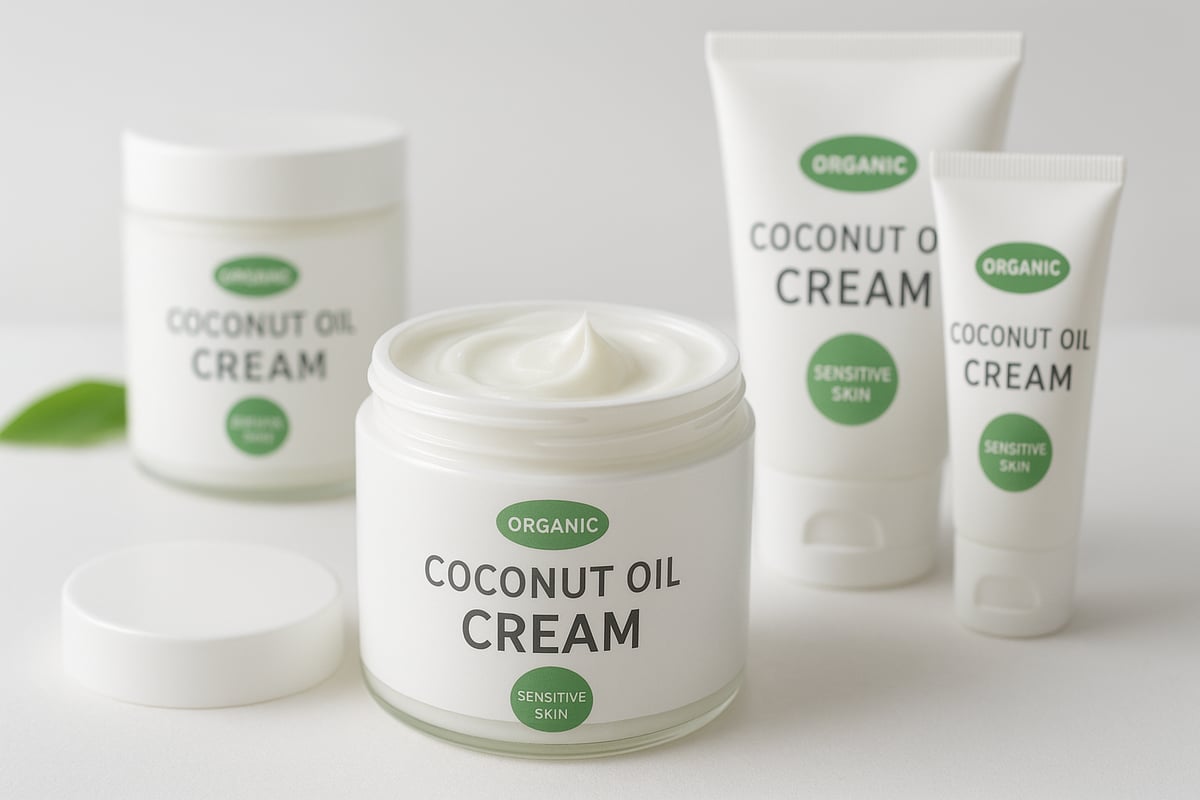
When selecting a coconut oil product for thrush, pure ingredients are non-negotiable. Look for products that list coconut oil as the main ingredient and are free from artificial fragrances, dyes, parabens, and other potential irritants.
A reputable coconut oil product for thrush should also include a short, transparent ingredient list. Ideally, you want to avoid unnecessary additives that might trigger irritation, especially if your skin or mucous membranes are already sensitive.
Forms and Absorption: Lotion Oils, Creams & Balms.
Coconut oil products for thrush are available in various forms, each with unique benefits. Lotion oils can be easily applied as they are lightweight and moisturise the skin alongside the anti-fungal benefits. Creams are typically lightweight and absorb quickly, making them perfect for everyday use. However because they contain water they can contribute to thrush. Balms and ointments are thicker, providing a protective barrier and longer-lasting moisture retention, however they can be messy to apply.
Here’s a quick comparison table to help you choose:
| Form | Absorption | Best For | Feel |
|---|---|---|---|
| Cream | Fast | Daily relief | Light |
| Balm | Moderate | Nighttime use | Rich and greasy |
| Lotion Oils | Moderate-Fast | Severe dryness | Light to Moderate |
Choosing the right form depends on your symptoms and personal preference. Always ensure the product is labelled specifically as a coconut oil product for thrush, as some general moisturisers may not be suitable.
Decoding Labels and Avoiding Misleading Claims
Product labels can be tricky. Some brands market products as “natural” or “gentle” without backing these claims with evidence. Always check for third-party organic certification and avoid products with long, complicated ingredient lists.
Be wary of creams that claim to “cure all” or use vague terms like “antifungal blend” without specifying the active ingredients. The best coconut oil products for thrush will clearly state its intended use and provide transparent information about its formulation.
Patch Testing and Safety for Sensitive Skin
Before fully applying any new coconut oil product for thrush, do a patch test on a small area of skin. This helps catch potential allergies or sensitivities before you use the product on more delicate areas.
For those with sensitive skin, choosing a product specifically formulated for gentle care is crucial.
Sourcing and Comparing Reputable Brands
Stick with brands that are transparent about sourcing and manufacturing. Look for positive customer reviews, dermatologist recommendations, and clear batch information.
Special Considerations: Infants and Pregnant Women
If you’re choosing coconut oil products for thrush for infants, children, or during pregnancy, extra caution is needed. Always check with your healthcare provider before use. Select products labelled safe for these groups, and avoid any with essential oils or additional botanicals not recommended for sensitive populations. A product such as Mama Nature’s Mummies with Tummies Candida Treatment is especially formulated for use during pregnancy.
Choosing the right coconut oil products for thrush is about more than just ingredients. Consider your unique needs, read labels carefully, and prioritise safety to find a solution that truly works for you.
Step-by-Step Guide: Using Coconut Oil Products for Thrush Relief
Finding relief from thrush can feel overwhelming, but a clear, practical approach makes all the difference. This step-by-step guide will help you apply coconut oil products for thrush safely and effectively, so you can regain comfort and confidence.
Preparation: Hygiene & Precautions
Preparation is the foundation of any successful routine with coconut oil products for thrush. Start by thoroughly washing your hands with mild soap and warm water. Clean hands ensure you don’t introduce new bacteria or irritants to the affected area.
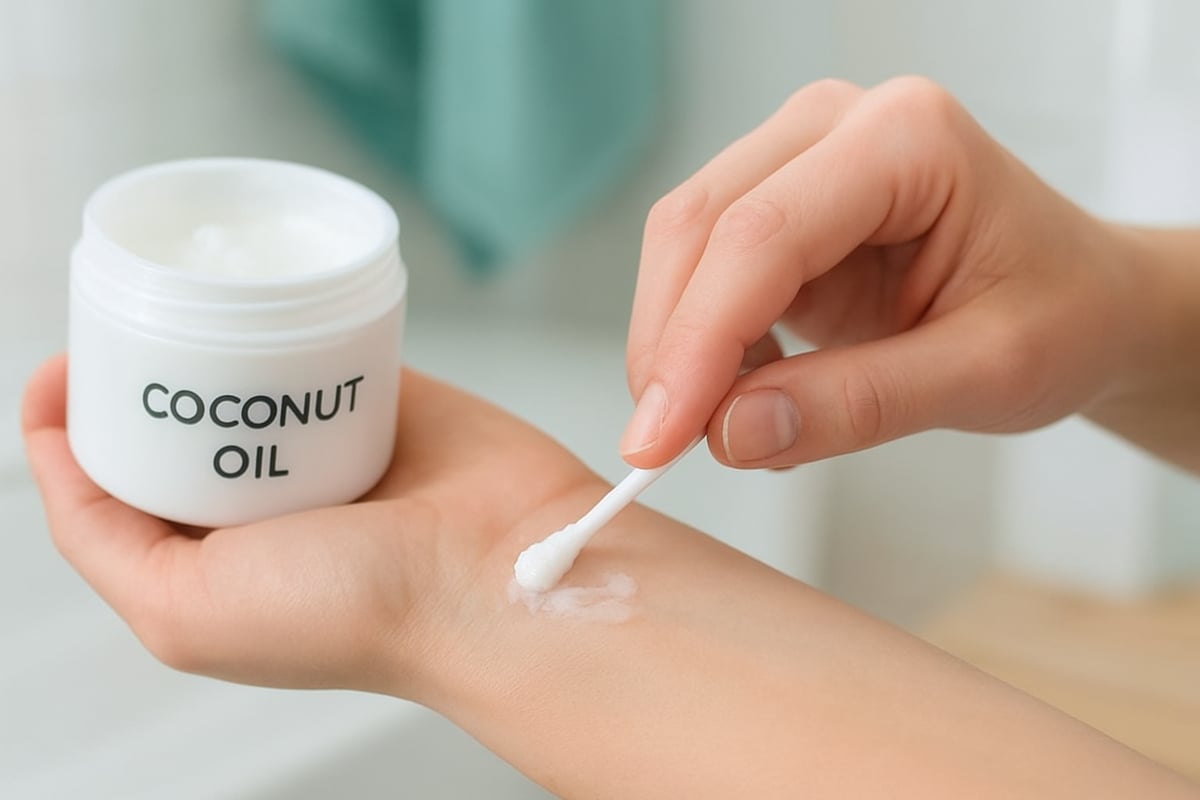
Next, gather clean application tools, such as cotton swabs or disposable gloves. Using these helps prevent contamination of your coconut oil product for thrush and minimizes the risk of spreading the infection.
Before applying, gently cleanse the affected skin or mucosal area with lukewarm water. Pat the area dry with a soft towel, as moisture can encourage Candida growth.
Important precautions include:
- Do not apply coconut oil products for thrush to open wounds or areas with severe infection.
- Check the expiration date and storage instructions on your product to guarantee potency.
- Store the product in a cool, dry place to maintain its texture and effectiveness.
- For those with sensitive skin or a history of allergies, do a patch test on a small area first.
If you notice any redness, swelling, or increased discomfort after a patch test, discontinue use immediately and consult a healthcare provider.
Application Process: Chronological Steps
Applying coconut oil products for thrush is straightforward, yet consistency and technique matter. Here’s how to do it:
- Clean and dry the area: Begin by ensuring the affected skin or mucosa is completely clean and dry. This prevents trapping moisture and supports the antifungal action of the product.
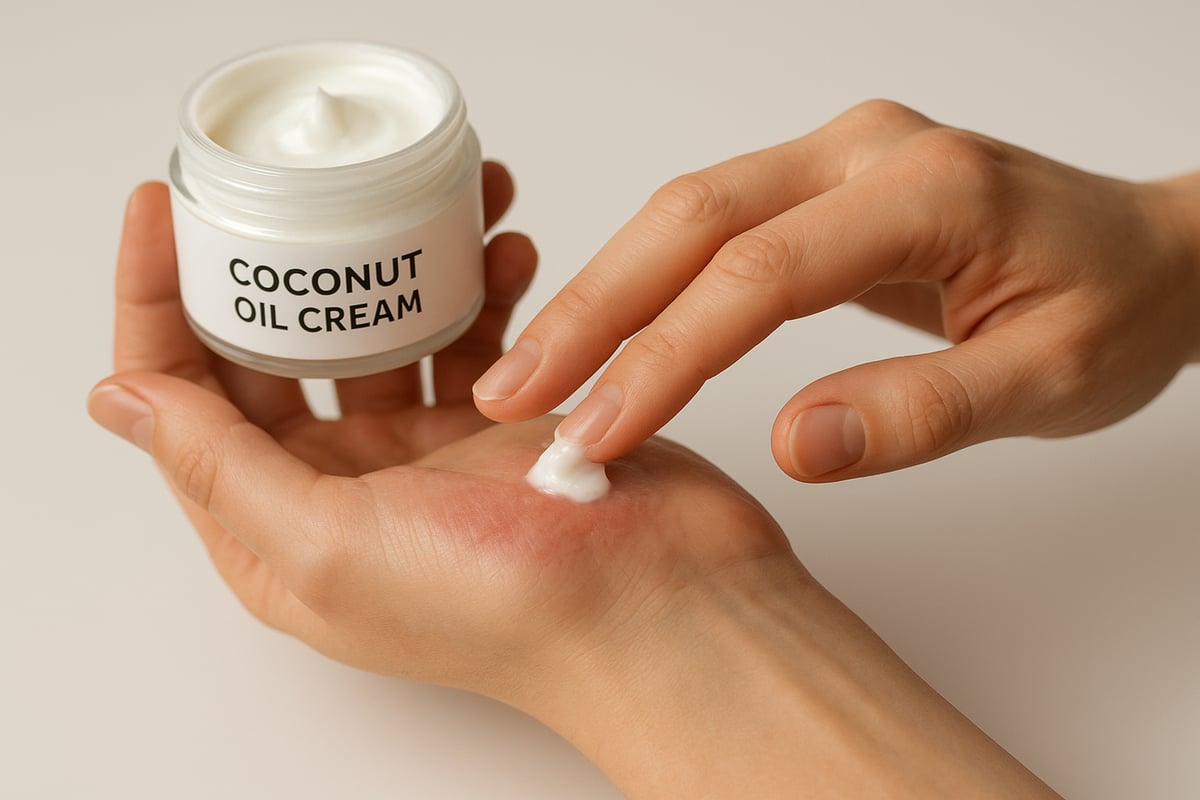
- Apply a thin layer: Using clean fingers or a sterile applicator, gently spread a thin layer of coconut oil product for thrush over the area. Avoid using excessive amounts of cream, as this can make the area too moist. On the other hand, lotion oils can be applied liberally as they don’t contain water and some can be spray applied such as Mama Nature’s ProSkin Candida or Mummies with Tummies.
- Let it absorb: Allow the product to absorb fully. Do not wash excess off immediately. This allows the active components to work directly against Candida.
- Repeat as needed: Apply coconut oil products for thrush two to three times daily, or as recommended on the label instructions. Consistent use is key for optimal results.
- Choose breathable clothing: Opt for loose, breathable cotton garments, especially if treating skin or vaginal thrush. This reduces irritation and promotes healing.
Here’s a quick reference table for user-reported improvement timelines when using Mama Nature’s ProSkin Candida:
| Day | Typical Symptom Change |
|---|---|
| 1-4 | Mild relief, less itching |
| 5-8 | Noticeable reduction in discomfort |
| 9-12 | No more symptoms/symptoms almost gone |
For more guidance on proper application and the science behind it, you can refer to coconut oil’s antimicrobial properties, which details its effectiveness against Candida and offers additional usage tips.
Users often report feeling initial relief within a few days, but full resolution may take up to a week and a half. If you are not seeing improvement, move to the next step.
Monitoring Results & When to Seek Medical Advice
Tracking your progress with coconut oil products for thrush is crucial. In the first eight days, you should notice less itching, reduced redness, and improved comfort.
However, remain alert for warning signs. If symptoms worsen, or you notice swelling or increased discharge, stop using coconut oil products for thrush. These may indicate an allergic reaction or a more severe infection. However, if you have carried out a skin patch test this should be irritation instead of an allergic reaction, and it is almost unheard of for reputable thrush products to worsen an infection.
Tips for Enhanced Effectiveness
Boosting the effectiveness of coconut oil products for thrush involves a holistic approach. Consider these additional strategies:
- Minimise sugar and processed foods, as these can feed Candida and slow healing.
- Wear breathable, loose-fitting clothing to prevent moisture buildup.
- Use gentle, fragrance-free soaps and avoid harsh detergents on clothing.
- Maintain regular hygiene routines, but avoid overwashing, which can disrupt the natural skin barrier.
Naturopaths often recommend integrating coconut oil products for thrush with lifestyle adjustments for the best outcomes. For example, balancing your diet and using probiotics together with topical treatments may help reduce recurrence.
If you’re caring for a baby or young child, use only products labelled safe for infants and always consult a pediatrician before starting any new treatment.
By combining these tips with a consistent application routine, you can maximize your chances of fast and lasting relief from thrush.
Safety, Side Effects & Special Considerations
Coconut oil products for thrush are widely regarded as a gentle, natural option for managing fungal infections. Their safety profile is a big reason why so many people turn to them, especially those with sensitive skin or who want to avoid harsh chemicals. For adults, children, and even infants, coconut oil products for thrush are typically well-tolerated when used as directed. However, as with any topical product, individual sensitivities can play a role in how your skin reacts.
Regulatory Status and Expert Opinions
Dermatologists often recommend coconut oil product for thrush as a complementary option for mild cases. Its safety has been supported in several clinical reviews, with few reported adverse events.
Experts agree: always choose reputable brands and consult your healthcare provider if symptoms persist. Recent case reviews highlight that most users experience relief with minimal side effects, making coconut oil products a safe option.
Navigating the world of coconut oil products for thrush can feel overwhelming, so what do the experts really say? Dermatologists highlight the natural antifungal power of coconut oil, noting its main components like lauric acid target Candida. Holistic practitioners often recommend coconut oil products for thrush as a gentle option, especially for those with sensitive skin. Recent studies, such as the antifungal activity of coconut oil, confirm its effectiveness against Candida albicans, supporting its role in modern thrush care.
Frequently Asked Questions
Can I use coconut oil product for thrush with prescription antifungals?
Most experts agree that coconut oil product for thrush can be used alongside oral prescription treatments, but always check with your healthcare provider first.
How long until I see results?
Many users notice relief from itching and irritation within the first week. However, full resolution can take 7 to 14 days, depending on severity.
In recent clinical forums, patients frequently ask about recurrence. Experts advise using coconut oil products for thrush consistently for the recommended duration, even after symptoms improve, to reduce the risk of the thrush returning. According to 2024 user surveys, over 82% of people using coconut oil products for thrush reported high satisfaction and noticeable symptom relief. If symptoms persist or worsen, always consult a healthcare professional for further guidance.