
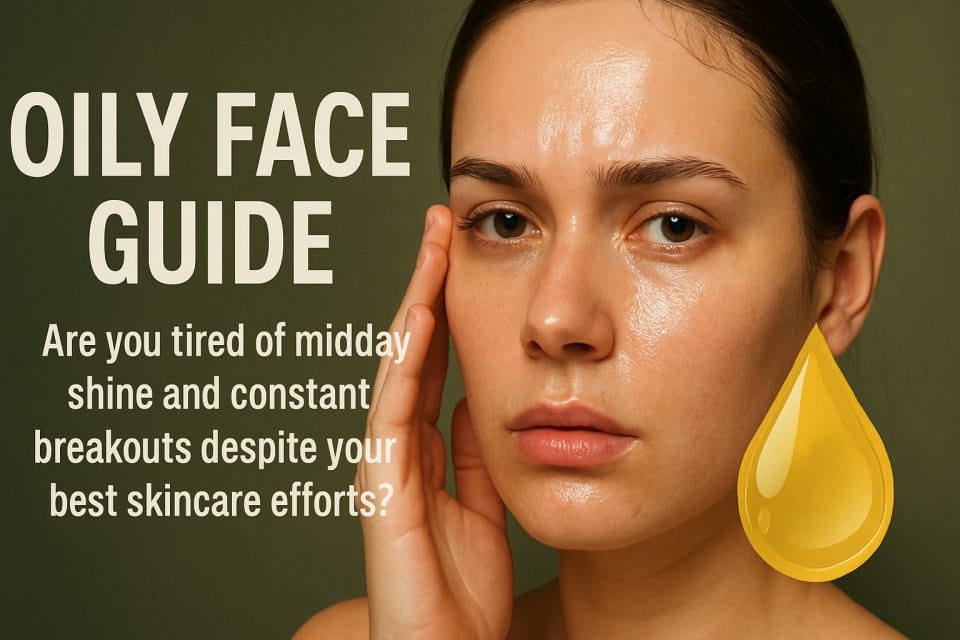
Are you constantly battling an oily face, watching the shine return by midday no matter what you try? You are not alone—managing oily skin can be confusing and frustrating.
This 2025 guide delivers expert-backed solutions designed to help you finally master your oily face. Here, you will discover the latest science, easy-to-follow routines, and actionable tips for balanced, healthy skin.
We will cover what causes oily skin, how to identify your skin type, daily routines, smart ingredient choices, lifestyle tweaks, and top product picks. Get answers to your most common oily face questions, too.
Ready to leave the guesswork and shine behind? Dive in and let this guide lead you to a fresh, confident complexion.
Understanding Oily Skin: Causes and Myths
Ever wonder why your oily face seems unstoppable, no matter how many products you try? Understanding the real causes behind excess shine is the first step to taming it. Oily skin happens when sebaceous glands work overtime, producing too much sebum. This extra oil can leave your skin looking shiny, feeling greasy, and prone to clogged pores or breakouts. According to the Oily skin overview, factors like genetics, hormones, and environment all play a role in how much oil your skin makes.
What Is Oily Skin?
An oily face is more than just a little shine. It means your skin consistently produces excess oil all over, not just in the T-zone. You might notice enlarged pores, a slick forehead by midday, or makeup that slides off before lunch. Genetics are often the main culprit. If your parents dealt with oily skin, chances are you will too. The National Institutes of Health confirms that sebum production is strongly hereditary. This means, for many, having an oily face is just in your DNA.
Genetics and Hormonal Drivers
But genetics are only part of the story. Hormones have a huge influence on your oily face. During puberty, oil glands ramp up activity, which is why teens often struggle with breakouts. Hormonal changes from menstruation, pregnancy, menopause, or even stress can trigger oil surges. Ever notice your skin gets oilier right before your period or during finals week? That’s your hormones talking. These shifts can make managing an oily face feel like a moving target.
Environmental Factors That Matter
Your oily face can also be affected by where you live and the seasons. High humidity and hot weather push your skin to produce more oil, while cold, dry air can disrupt your skin barrier and actually cause a rebound effect, making oiliness worse. Pollution and urban grime settle on oily skin, clogging pores and leading to more breakouts. Even switching to a new cleanser or spending more time outdoors can shift your skin’s oil balance.
Are You Making It Worse?
Sometimes, your own habits can sabotage your efforts to control an oily face. Overwashing or using harsh, alcohol-based products strips away natural oils, sending your skin into overdrive to replace them. The American Academy of Dermatology warns that excessive cleansing can actually make your skin oilier in the long run. Instead, gentle routines help restore balance. Using the wrong skincare can temporarily create combination or sensitive symptoms, confusing your routine and making things worse.
Oily Face Myths Busted
Let’s clear up some common myths about oily face care:
- Myth: You should skip moisturizer if you have an oily face.
- Fact: Lack of hydration can trigger even more oil production.
- Myth: All oils are bad for oily skin.
- Fact: Some lightweight oils, like hazelnut or squalane, can actually balance oil.
- Myth: Oily skin means you’ll always have acne.
- Fact: While oily face types are more prone to breakouts, not everyone with oily skin gets acne.
For example, many people find their oily face gets worse in summer or after switching to a new product. Understanding the true causes—genetic, hormonal, environmental, and lifestyle—helps you make smarter choices and debunk the myths that keep you stuck in a cycle of shine.

How to Identify If You Truly Have Oily Skin
Struggling to tell if your midday shine is just normal or if you have an oily face? Correctly identifying your skin type is the first step to building a routine that actually works. Many people misjudge their skin, leading to product choices that worsen oiliness or even cause breakouts.
The Blotting Sheet Test: Quick At-Home Check
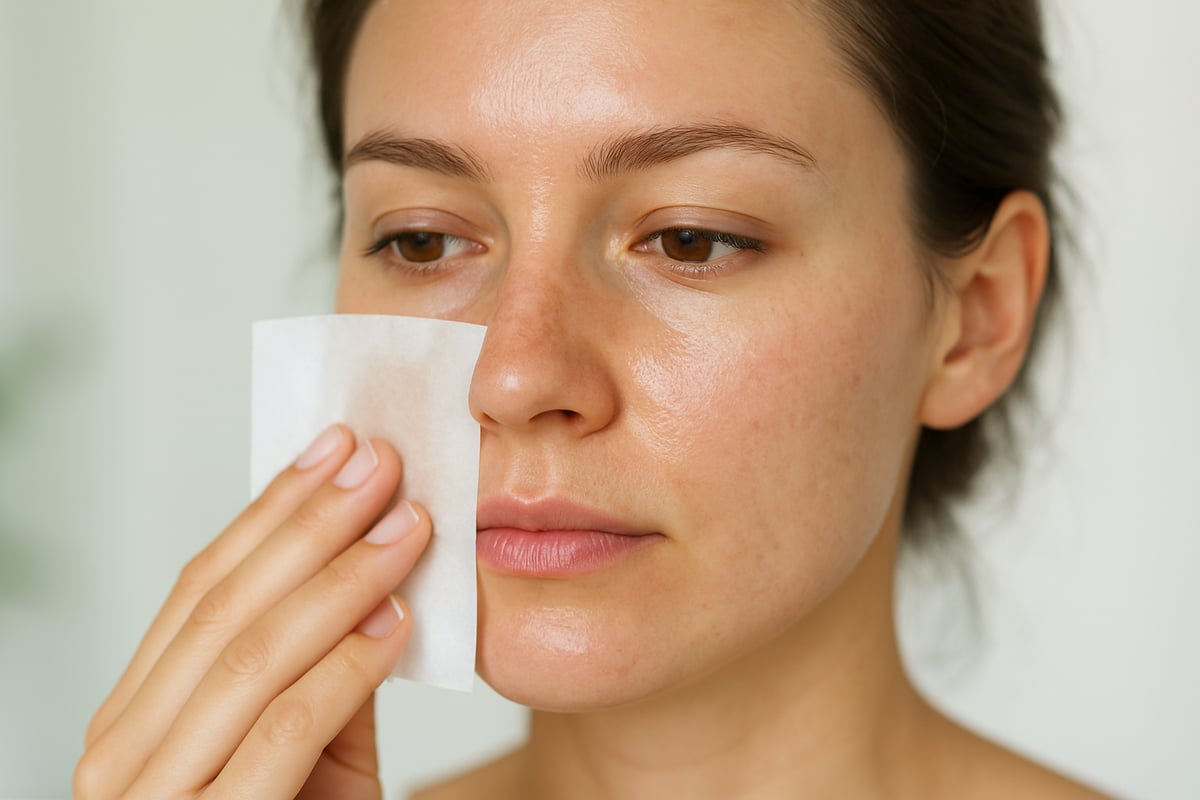
One of the easiest ways to determine if you have an oily face is the blotting sheet test. Here’s how to do it:
- Start with a clean face, free of makeup.
- Wait at least two hours after washing.
- Press a blotting sheet gently onto your forehead, nose, cheeks, and chin.
- Hold the sheet up to the light. If it looks saturated, especially from the cheeks and T-zone, you likely have an oily face.
This simple test can reveal oil production levels you might miss by touch alone.
Key Signs of an Oily Face
Still unsure? Look for these classic symptoms:
| Sign | Oily Face | Combination Skin |
|---|---|---|
| Shine | All over by midday | Mostly T-zone |
| Pore size | Enlarged, visible | Enlarged in T-zone |
| Breakouts | Frequent, widespread | T-zone focused |
| Makeup wear | Slides off easily | Lasts on cheeks |
If you notice persistent shine, visible pores, and makeup that just won’t stay put, these are all telltale indicators of an oily face.
Oily Face vs. Combination Skin
It’s easy to confuse oily face with combination skin. Combination skin usually means your T-zone is oily, but your cheeks stay normal or even dry. If your cheeks get shiny and oily throughout the day, you’re likely dealing with an oily face, not just a combination type.
Risks of Misdiagnosis
Misreading your skin can lead to over-cleansing or using harsh products that strip away natural oils. Ironically, this can trigger even more oil production as your skin tries to compensate. According to the American Academy of Dermatology, these mistakes are common and can contribute to more breakouts and irritation. For a deeper dive into common misconceptions, check out Acne myths and facts.
Self-Assessment Checklist
Ask yourself:
- Does my skin look shiny everywhere by midday?
- Are my pores large and easy to see?
- Do I experience frequent blackheads or whiteheads?
- Does my makeup often slide off or fade quickly?
- Are my cheeks as oily as my forehead?
If you answered yes to most, you almost certainly have an oily face.
Real-World Example
Imagine your cheeks feel slick and look shiny even hours after cleansing, not just your nose and forehead. This is a classic sign of an oily face, not just seasonal changes.
When to Consult a Dermatologist
If you’re still unsure whether you have an oily face, or if you’re dealing with severe breakouts, it’s smart to book a visit with a dermatologist. They can help you identify your skin type and recommend a routine that brings out your healthiest skin.
The Ultimate Oily Face Routine for 2025: Step-by-Step Guide
Struggling with an oily face that just will not quit? You are not alone. Tackling shine and breakouts is not about harsh products or endless trial and error. It is about a smart, science-backed routine. This step-by-step guide will help you build a daily and weekly regimen for your oily face, so you can enjoy clear, balanced, and confident skin every day.
Step 1: Gentle Cleansing
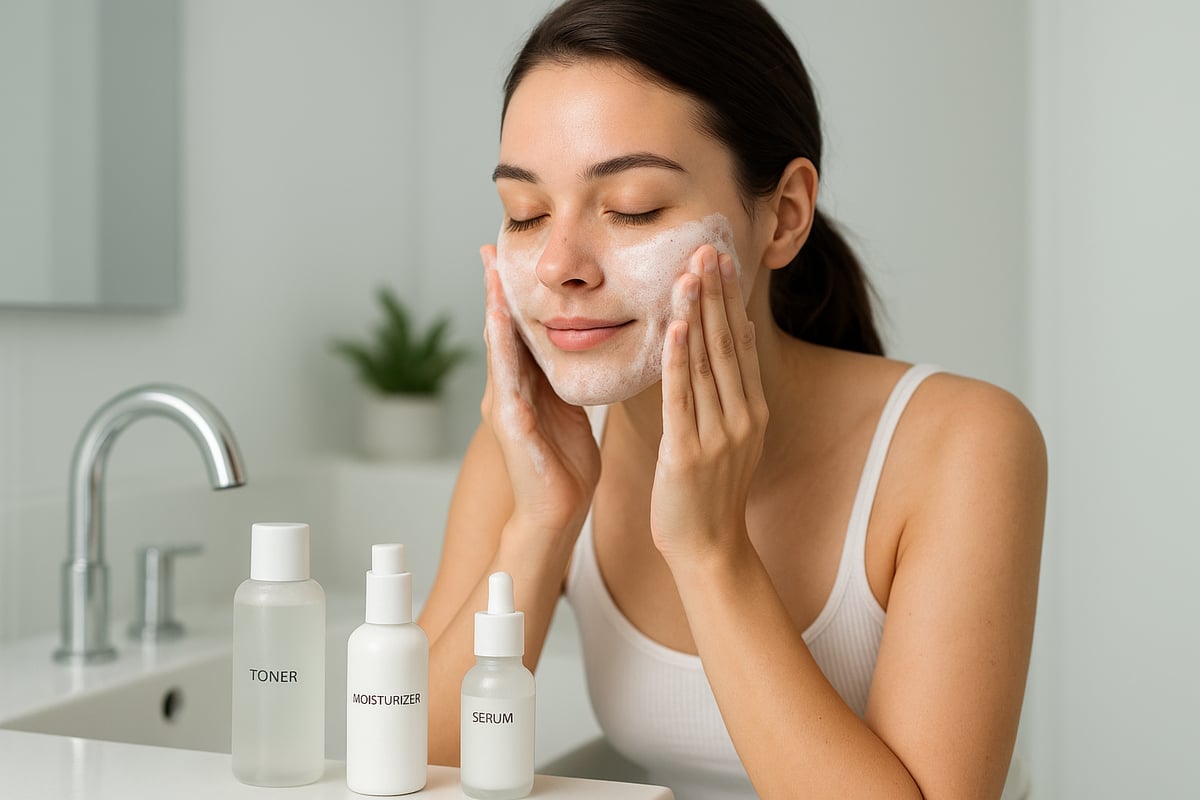
A healthy oily face routine always starts with cleansing, but not just any cleanser will do. Choose a gentle, non-stripping formula that targets excess oil without damaging your skin barrier.
Foaming or gel cleansers with ingredients like niacinamide or salicylic acid are ideal. These help purify pores and control oil, leaving your oily face feeling refreshed, not tight. Overwashing, however, can backfire. Cleansing more than twice daily can cause your skin to produce even more oil as it tries to compensate for lost moisture.
How to do it right:
- Cleanse morning and night, no more, no less.
- Use lukewarm water, and avoid scrubbing.
- Pat your face dry with a clean towel.
Remember, the goal is to remove excess oil from your oily face, not strip it bare.
Step 2: Alcohol-Free Toning
Toners are often misunderstood, especially for an oily face. The right toner balances skin pH, removes any leftover impurities, and preps your skin for hydration.
Look for alcohol-free formulas with soothing ingredients like witch hazel or meadowsweet. These calm your oily face and help tighten pores without irritation. Avoid high-alcohol or astringent toners, as they can dry your skin and trigger rebound oiliness.
Why use a toner?
- Minimizes the appearance of pores.
- Adds a refreshing layer of hydration.
- Creates a smooth canvas for the next steps.
A gentle toner keeps your oily face balanced and shine-free through the day.
Step 3: Lightweight Hydration
Think oily face means skipping moisturizer? Think again. Hydration is essential for all skin types, including an oily face. Dehydrated skin tries to protect itself by pumping out more oil, making matters worse.
Opt for oil-free, non-comedogenic gel or fluid moisturizers. Key ingredients like hyaluronic acid, glycerin, and aloe vera deliver weightless moisture. A mattifying moisturizer keeps your oily face comfortable and shine under control.
Want more guidance on picking the perfect moisturizer? Check out this resource on Choosing the right moisturiser for tailored advice.
Quick tips:
- Apply moisturizer after toner, while skin is still damp.
- Use a pea-sized amount for your entire oily face.
- Avoid heavy creams, especially at night.
Step 4: Targeted Treatments (Serums, Spot Care)
For an oily face prone to breakouts, targeted treatments are a game-changer. Serums loaded with niacinamide, zinc, or salicylic acid help refine pores and control oil. Use spot treatments with benzoyl peroxide or tea tree oil on active blemishes.
Some advanced formulas include vine flower cells or strawberry tree fruit extract, which help minimize the look of pores while soothing your oily face.
How to use treatments:
- Apply serum after moisturizer, focusing on oily areas.
- Dab spot treatments only where needed.
- Do not layer too many actives at once.
Treatments should address both shine and breakouts, but never leave your oily face feeling parched.
Step 5: Sun Protection
Sun protection is non-negotiable for every oily face routine. Daily SPF prevents sun damage, which can worsen oiliness and lead to lasting skin concerns.
Choose lightweight, non-comedogenic sunscreens in gel or fluid form. Look for SPF 30 or higher, and make sure your formula is designed for an oily face.
Why SPF matters:
- Shields skin from UV-induced oiliness.
- Prevents premature aging and dark spots.
- Keeps your oily face looking fresh and healthy.
Apply sunscreen every morning, rain or shine, and reapply if you are outdoors for extended periods.
Weekly Add-Ons: Masks and Exfoliation
Boost your oily face routine with weekly treatments. Clay or charcoal masks absorb excess oil and unclog pores, making them perfect for an oily face. Use these 1-2 times per week for best results.
Gentle chemical exfoliants (like AHA or BHA) help clear buildup and keep your oily face smooth. Avoid rough scrubs, which can damage your skin barrier.
Weekly routine:
- Mask after cleansing for a deep clean.
- Exfoliate once or twice weekly.
- Monitor your skin for signs of over-exfoliation.
Regular masking and gentle exfoliation help reduce visible shine and breakouts, giving your oily face a balanced glow.
Ingredients That Work: What to Seek and What to Avoid
Finding the right products for an oily face can feel like searching for a magic formula. With so many options on the market, how do you know which ingredients will actually help control shine without causing more breakouts or irritation? The secret is understanding what works, what to skip, and how certain combinations can deliver real results for oily face concerns.
Effective Ingredients for Oily Face
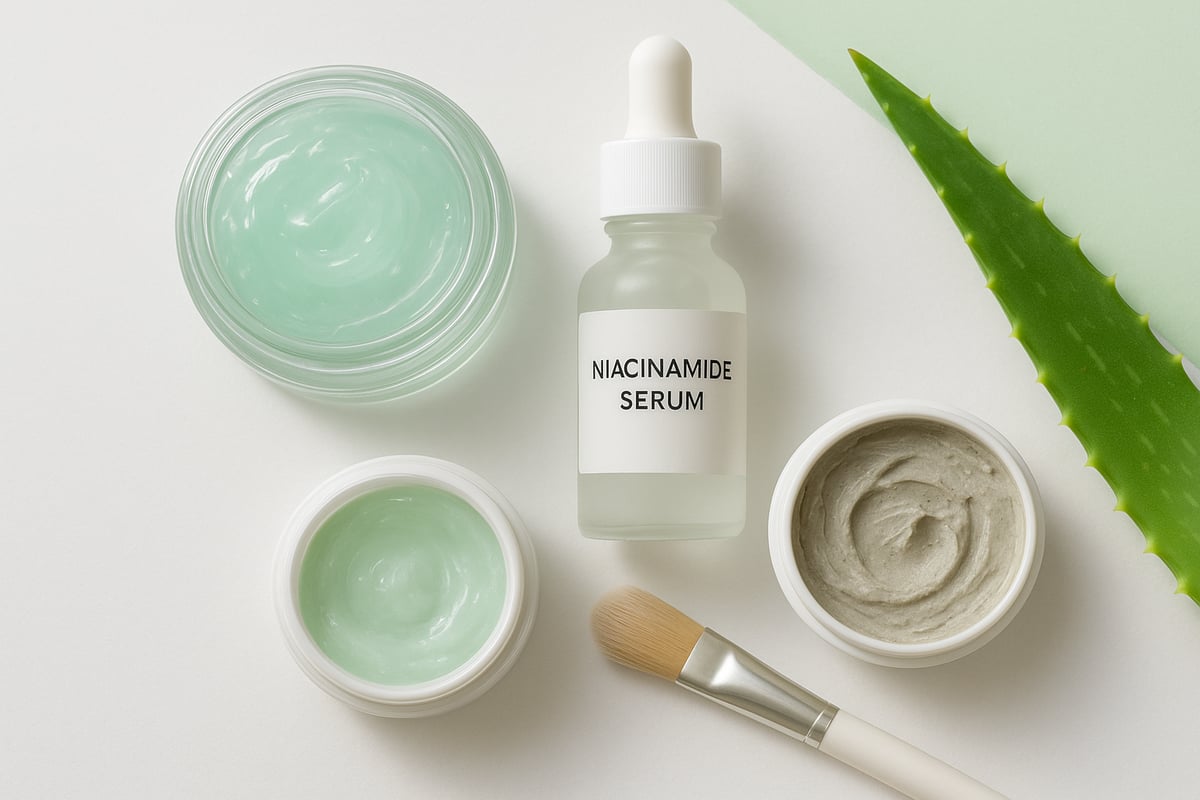
Some ingredients are proven powerhouses for oily face management. Niacinamide is a standout, known for reducing sebum, calming redness, and refining pores. Salicylic acid penetrates deep to unclog pores and fight acne, making it a staple for those with persistent breakouts.
Clay, especially kaolin or bentonite, absorbs excess oil and provides a mattifying effect. Zinc is another top pick, helping regulate oil production and soothe irritation. If you need lightweight hydration, aloe vera is a gentle favorite. It hydrates without heaviness and is perfect for an oily face—plus, you can discover more about aloe vera benefits for skin in detail.
Here’s a quick reference:
| Best Ingredients | Why Use Them? |
|---|---|
| Niacinamide | Reduces oil, calms skin, minimizes pores |
| Salicylic Acid | Clears pores, targets breakouts |
| Clay (Kaolin/Bentonite) | Absorbs oil, mattifies skin |
| Zinc | Controls oil, soothes irritation |
| Aloe Vera | Hydrates, soothes without clogging pores |
What to Avoid for Oily Face
Not all ingredients are created equal, especially for an oily face. High concentrations of alcohol may seem to dry up oil fast, but they actually strip your skin and trigger even more oil production. Heavy oils, like coconut oil, can clog pores and lead to more breakouts.
Harsh physical exfoliants—think scrubs with large grains—can cause microtears and damage your skin barrier. Stick to chemical exfoliants and avoid ingredients that leave your skin feeling tight or irritated.
| Ingredients to Avoid | Why Avoid Them? |
|---|---|
| High Alcohol Content | Over-dries, leads to rebound oiliness |
| Heavy Oils (Coconut) | Clogs pores, causes breakouts |
| Harsh Exfoliants | Damages skin barrier, increases sensitivity |
Natural and Botanical Alternatives
If you prefer a more natural routine for your oily face, look for plant-based extracts that work gently but effectively. Witch hazel, meadowsweet, and willowherb deliver oil control and calm inflammation. Aloe vera and hazelnut oil hydrate without feeling greasy, making them safe choices for sensitive, oily face types.
Botanicals can provide a soothing experience and support your skin’s natural balance. These ingredients are less likely to irritate and often come with added antioxidant benefits.
Ingredient Synergy for Oily Face Balance
The true secret to a healthier oily face is not just picking one “miracle” ingredient, but combining several that complement each other. Dermatologists often recommend products with both niacinamide and salicylic acid for oily face routines—this pairing helps manage oil, fight breakouts, and keep skin calm.
Always read labels, patch test new products, and remember that consistency is key. With the right choices, your oily face can look refreshed, balanced, and breakout-free.
Lifestyle Tweaks for Balanced, Less Oily Skin
Ever feel like your oily face just won’t cooperate, no matter what you put on it? The truth is, what happens outside your skincare routine can be just as important as what’s in your bathroom cabinet. Daily habits, diet, and even your stress levels all play a part in how shiny or balanced your skin appears.
Diet & Hydration: Feed Your Skin Right
What you eat shows up on your oily face. Diets packed with sugary, high-glycemic foods or lots of dairy can ramp up oil production and trigger breakouts. Research even links these foods directly to acne and excess oil. Curious about the science? This Acne and nutrition study explores the connection between what you eat and your skin’s oiliness.
Aim for more whole grains, veggies, and lean proteins. Keep your skin hydrated by drinking plenty of water every day. Dehydration can make your skin overcompensate, leaving your oily face shinier than ever.
Stress & Sleep: Calm Mind, Calm Skin
Notice your oily face acting up during stressful weeks? That’s no coincidence. Stress hormones like cortisol tell your skin to produce more oil, which can lead to clogged pores and more shine.
Prioritize restful sleep each night. Lack of sleep slows skin repair and can worsen oily face issues. Try setting a regular bedtime and unwinding with calming routines, like reading or gentle stretching.
Environmental Habits: Small Changes, Big Impact
Your daily environment plays a big role in managing an oily face. High humidity, heat, and pollution all push your skin to make more oil. Combat this by using blotting papers to soak up shine on the go, and steer clear of thick, heavy makeup that can trap oil and bacteria.
Keep things clean: swap your pillowcase every few days, and disinfect your phone screen regularly. These simple steps can help keep your oily face clearer and less reactive.
Exercise & Everyday Tweaks: Keep It Fresh
Movement is great for your body and mind, but sweat mixed with oil can spell trouble for your oily face. Always cleanse your skin after workouts to prevent clogged pores.
Opt for oil-free makeup and lightweight skincare products. Many people find that these swaps, along with frequent pillowcase changes, lead to fewer breakouts and a more balanced complexion. Remember, even small tweaks can make a noticeable difference for your oily face.
Taking a holistic approach means looking beyond products. By combining smart lifestyle choices with your skincare routine, you’ll be on your way to a less oily face, healthier skin, and more confidence every day.
Expert Answers to Common Oily Skin Questions
Struggling with an oily face can leave you with more questions than answers. Let’s clear up the confusion by tackling the most common dilemmas, so you can feel confident about your oily face care routine.
Should I moisturize if my skin is already oily?
Absolutely. Many people with an oily face skip moisturizer, thinking it will make things worse. But the truth is, proper hydration signals your skin to slow down oil production. Choose an oil-free, lightweight gel or lotion to keep your oily face balanced. If you skip this step, your skin may overcompensate, leading to even more shine.
Can oily skin change over time?
Yes. Your oily face will not always stay the same. Factors like age, hormones, climate, and even your daily habits can shift your skin’s oil levels. Teens and young adults often notice the most oil, but it may decrease as you age. Seasonal changes also play a role. For example, your oily face might become shinier in summer and less oily in winter.
How often should I exfoliate my oily face?
Exfoliation helps remove dead skin and unclog pores, but moderation is key. For an oily face, 1–2 times per week with a gentle chemical exfoliant is ideal. Overdoing it can damage your barrier and make your oily face more sensitive. Always follow up with moisturizer. For more on best practices and common myths, check out this Acne management myths review.
Are natural products effective for oily face care?
Definitely. Ingredients like witch hazel, willowherb, and niacinamide are botanicals proven to benefit an oily face. Look for gentle formulas that avoid heavy oils or fragrances. Many people see fewer breakouts and less shine with plant-powered skincare, especially when paired with a consistent routine.
What if my skin is oily and sensitive?
Choose fragrance-free and non-irritating products. Sensitive, oily face types should avoid harsh scrubs, alcohol, and strong actives. Instead, use mild cleansers, calming serums, and always patch test new products. If breakouts or irritation persist, consult a dermatologist for tailored advice.
Fast Facts Table
| Oily Face FAQ | Quick Answer |
|---|---|
| Moisturizer needed? | Yes, choose oil-free formula |
| Can skin type change? | Yes, with age/hormones/climate |
| Exfoliation frequency | 1–2 times per week |
| Are botanicals effective? | Yes, niacinamide, witch hazel, etc. |
| Sensitive + oily face tips | Use gentle, fragrance-free skincare |
Consistency is your best friend when it comes to an oily face. Remember, results build over time. Oily skin tends to be less prone to wrinkles but more prone to acne, according to the AAD. Stick with your routine, stay patient, and your oily face will thank you.
Product Recommendations: Best Skincare for Oily Faces in 2025
Struggling to curate the perfect routine for an oily face? The right products can make all the difference in balancing shine, clearing pores, and keeping skin fresh all day. Below, you’ll discover expert-approved picks for every step and need.
Cleansers and Toners
Daily cleansing is your first line of defense against excess oil and clogged pores. For an oily face, reach for gentle foaming cleansers featuring niacinamide or salicylic acid. These ingredients purify without stripping your skin. Pair with an alcohol-free toner—look for soothing botanicals like witch hazel, aloe vera, or meadowsweet to refine pores and prep your skin for hydration.
Quick Comparison Table:
| Product Type | Key Ingredient | Example Product |
|---|---|---|
| Cleanser | Niacinamide | Clarins Hydrating Gentle Foaming Cleanser |
| Toner | Witch Hazel | Clarins Purifying Toning Lotion |
Need tips for managing oil and breakouts as an adult? Check out these tips for adult acne and oiliness for more insights.
Moisturizers and Sunscreens
Even an oily face benefits from hydration. Choose oil-free, non-comedogenic moisturizers packed with hyaluronic acid or aloe. These hydrate without heaviness or shine. For sun protection, lightweight, mattifying facial SPFs (30 or 50) are ideal. They guard against UV damage and help prevent excess oil triggered by sun exposure.
- Oil-free gel moisturizers
- Mattifying SPF lotions for daily use
Consistent use keeps your skin protected and balanced, without feeling greasy.
Masks, Serums, and Spot Treatments
Weekly treatments are a game changer for managing an oily face. Clay or charcoal masks absorb excess oil and refine pores. Serums with niacinamide, zinc, or willowherb target oil production and breakouts. For stubborn spots, look for benzoyl peroxide, tea tree oil, or tamarind pulp acid.
Explore the best face masks for oily skin for targeted solutions that fit seamlessly into your routine.
- Clay masks: SOS Pure Rebalancing Clay Mask
- Pore-refining serums: Pore Control Serum
- Spot treatments: Benzoyl peroxide, tea tree oil
Natural and Botanical Solutions
Prefer a plant-powered approach for your oily face? Products featuring willowherb, lotus, rosemary, or hazelnut oil offer gentle, effective care. These ingredients soothe, hydrate, and balance without clogging pores or causing irritation.
For lightweight hydration, try Lotus Face Treatment Oil or formulas with organic plant extracts. Botanical solutions are especially kind to sensitive, oily skin types.
How to Build Your Personalized Routine
Every oily face is unique. Start simple: Cleanser, toner, moisturizer, and SPF. Observe how your skin responds, then add masks or serums as needed. Always patch test new products and adjust seasonally.
- Assess full-face vs. T-zone oiliness
- Track your skin’s reactions
- Stay consistent for lasting results
Personalization and patience are the secret weapons for achieving balanced, healthy skin.