
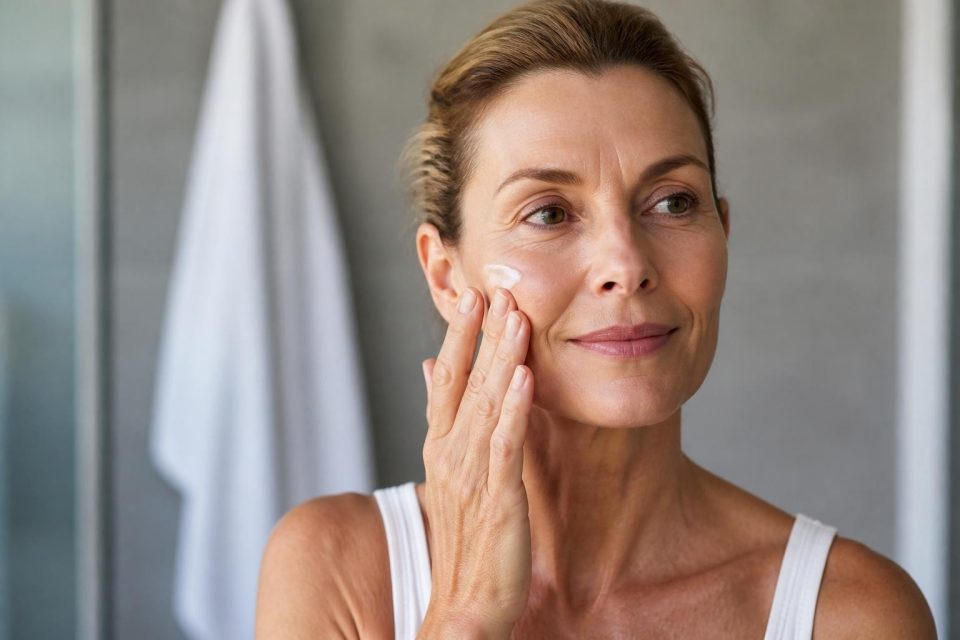
Choosing the right day cream becomes increasingly important as our skin matures. Our complexion tells a story of every smile, every sunny day, and every late night we've experienced. After age 40, our skin produces less collagen, retains less moisture, and becomes more vulnerable to environmental stressors. The good news? A well-formulated day cream for mature skin can dramatically improve texture, firmness, and radiance when you understand what to look for and how to use it properly.
Understanding What Mature Skin Really Needs
Mature skin faces unique challenges that younger complexions simply don't encounter. The natural aging process reduces sebum production, which means your skin barrier becomes compromised and struggles to retain moisture.
Think of your skin like a brick wall. When we're younger, the "mortar" between our skin cells stays plump and intact. As we age, that mortar weakens, creating gaps where moisture escapes and irritants sneak in. This structural change explains why the same moisturizer that worked beautifully in your 30s suddenly feels inadequate.
The Science Behind Aging Skin
Your skin's dermal layer thins by approximately 6% each decade after age 40. This thinning affects:
- Collagen production drops by 1-2% annually after age 20
- Elastin fibers become fragmented and less functional
- Hyaluronic acid levels decrease, reducing moisture retention
- Cell turnover slows from 28 days to 45-60 days
- Natural oil production diminishes, creating dryness
Understanding these biological shifts helps explain why dermatologist-recommended moisturizers for mature skin focus so heavily on barrier repair and hydration support.
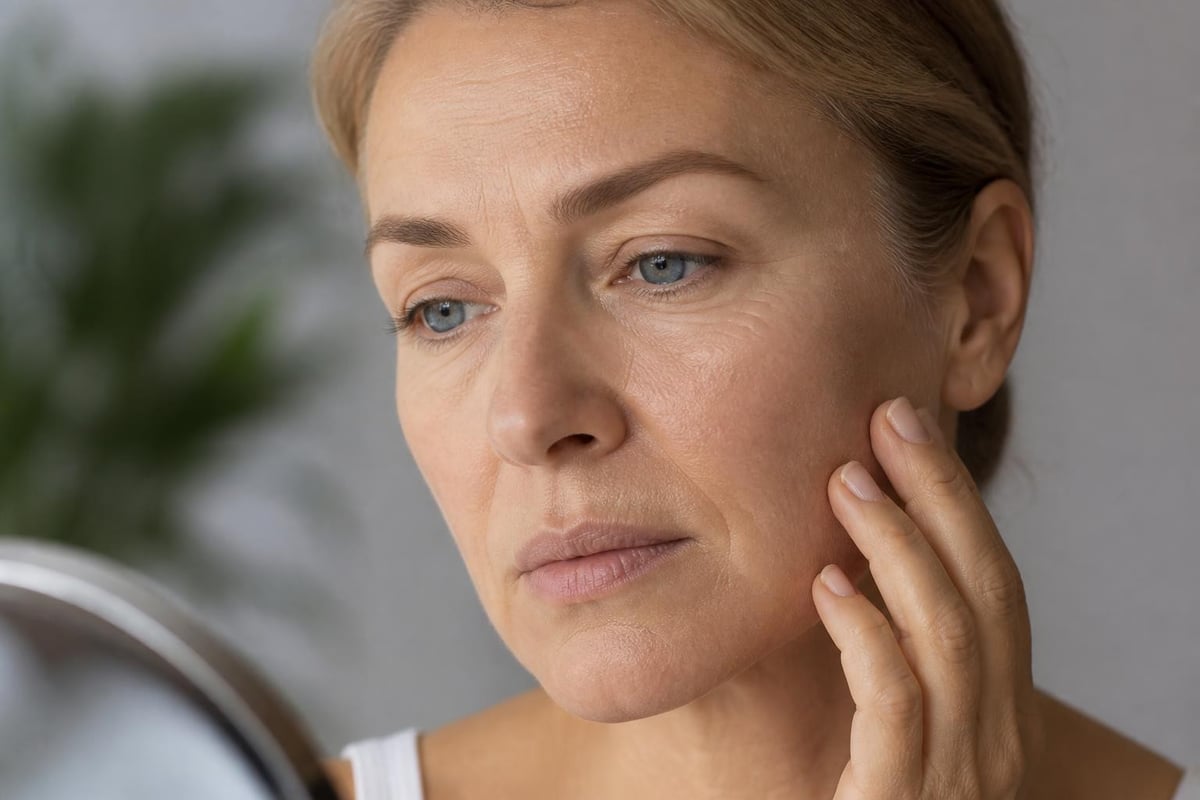
Key Ingredients That Transform Mature Skin
Not all day creams deliver equal results. When shopping for day cream for mature skin, prioritize formulations that address multiple aging concerns simultaneously.
Powerhouse Actives Worth Seeking
Retinol and Retinoids remain the gold standard for stimulating collagen production and accelerating cell turnover. Start with lower concentrations (0.25-0.5%) if you're new to retinoids, gradually building tolerance.
Peptides act like messengers, signaling your skin to produce more collagen and elastin. Look for palmitoyl pentapeptide-4 (Matrixyl) or copper peptides in your day cream formulation.
Hyaluronic Acid pulls moisture from the environment into your skin, holding up to 1,000 times its weight in water. Multiple molecular weights work best, penetrating different skin depths.
| Ingredient | Primary Benefit | Best For |
|---|---|---|
| Niacinamide | Strengthens barrier, reduces hyperpigmentation | All mature skin types |
| Ceramides | Repairs and maintains skin barrier | Dry, sensitive mature skin |
| Vitamin C | Brightens, protects against free radicals | Sun damage, dullness |
| Bakuchiol | Natural retinol alternative | Sensitive skin |
Natural ingredients deserve equal attention. Argan oil contains high concentrations of vitamin E and fatty acids, making it particularly valuable for mature complexions seeking both hydration and antioxidant protection.
Texture Matters: Finding Your Perfect Formula
The consistency of your day cream for mature skin influences both how it feels and how effectively it performs throughout your day.
Cream vs. Lotion vs. Balm
Rich creams work beautifully for truly dry mature skin, especially during winter months. They create an occlusive layer that seals in moisture and protects against harsh environmental conditions.
Lightweight lotions suit combination or oily mature skin better. Yes, mature skin can still produce excess oil in the T-zone while feeling parched on the cheeks! Understanding different facial cream formulations helps you select products that balance hydration without overwhelming your skin.
Gel-creams offer a hybrid solution:
- Absorb quickly without residue
- Layer well under makeup
- Provide hydration without heaviness
- Work year-round for most skin types
For those dealing with rosacea symptoms or sensitivity issues common in mature skin, fragrance-free formulations with soothing ingredients like colloidal oatmeal or centella asiatica prove gentler.
The Non-Negotiable: SPF Protection
Here's a truth many skincare enthusiasts overlook: even the most expensive, ingredient-rich day cream for mature skin fails if it doesn't include broad-spectrum sun protection.
UV radiation accelerates every visible sign of aging. It breaks down existing collagen, creates hyperpigmentation, and damages DNA within skin cells. Dermatologist-approved sunscreens tailored to age-related concerns should be part of every morning routine.
SPF Integration Strategies
You have two viable approaches:
- All-in-One Formulas: Day creams with SPF 30-50 streamline your routine
- Layered Protection: Apply moisturizer, then separate sunscreen on top
Neither approach is inherently superior. What matters is consistent daily application of at least SPF 30, regardless of weather or season.
Some mature skin types experience white cast from mineral sunscreens. Tinted formulas or chemical filters may work better, though truly sensitive skin often tolerates zinc oxide and titanium dioxide better than chemical alternatives.
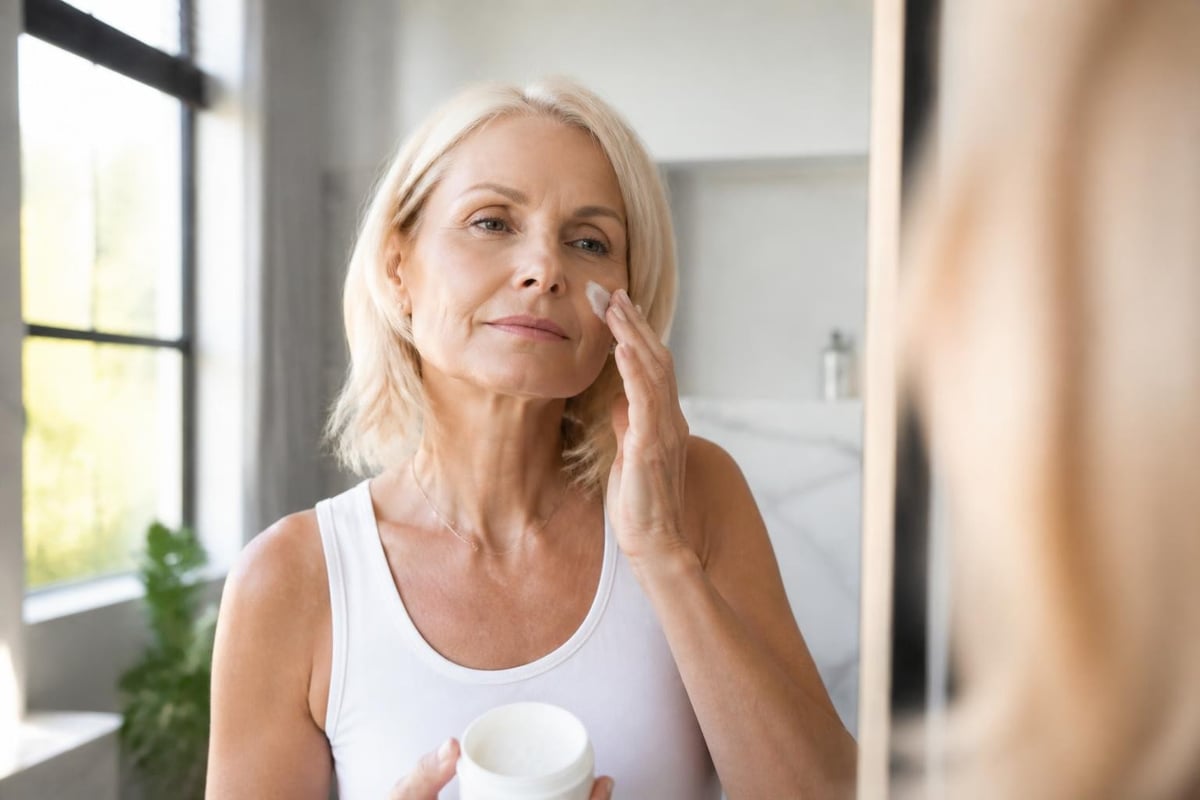
Application Techniques That Maximize Results
Even premium products underperform when applied incorrectly. Your day cream for mature skin deserves proper technique to deliver its full potential.
The Right Order Matters
- Cleanse with a gentle, non-stripping formula
- Apply toner or essence if part of your routine
- Use treatment serums (vitamin C, retinol, etc.)
- Apply eye cream to the delicate orbital area
- Massage in day cream using upward, outward motions
- Finish with SPF if using separate sunscreen
Wait 60 seconds between each step. This allows products to absorb properly rather than mixing on your skin's surface, which can dilute effectiveness.
Massage Techniques for Better Absorption
Gentle massage increases circulation and helps ingredients penetrate more effectively:
- Start at your neck, moving upward toward your jawline
- Use three fingers to sweep from nose to temples
- Tap gently around eyes to stimulate lymphatic drainage
- Press into nasolabial folds with slight upward pressure
Never drag or pull mature skin downward. Gravity works against us enough already! Those dealing with winter dryness may need to layer their day cream over a hydrating serum for extra moisture support.
Natural Versus Synthetic: What Really Works
The skincare industry creates false dichotomies between "natural" and "scientific" formulations. The truth? Effective day cream for mature skin often combines both approaches.
Benefits of Natural Ingredients
Plant-derived ingredients offer legitimate benefits backed by research. Coconut oil provides medium-chain fatty acids that support the skin barrier, while botanical extracts deliver antioxidants that protect against environmental damage.
Natural Powerhouses for Mature Skin:
- Rosehip oil (vitamin A and essential fatty acids)
- Sea buckthorn (omega-7 fatty acids, rare in plant sources)
- Green tea extract (polyphenols and EGCG)
- Calendula (anti-inflammatory properties)
- Shea butter (vitamins A and E, intense moisture)
When Synthetic Makes Sense
Some skin-transforming ingredients simply cannot be sourced from nature. Stabilized vitamin C (L-ascorbic acid), synthetic peptides, and hyaluronic acid created in labs often prove more effective and consistent than their natural counterparts.
The best formulations combine thoughtfully sourced natural ingredients with proven synthetic actives, creating synergistic effects that outperform either category alone.
Common Mistakes That Sabotage Results
Even skincare enthusiasts make errors that prevent their day cream for mature skin from performing optimally.
Using Too Little Product
Most people apply only 25-50% of the recommended amount. You need approximately 1/4 teaspoon for your face and neck combined. Skimping means insufficient coverage and reduced benefits.
Expecting Overnight Miracles
Skincare requires patience. Most ingredients need 6-12 weeks of consistent use before delivering visible improvements. That peptide cream won't erase your laugh lines by Thursday.
Ignoring Your Neck and Chest
These areas show aging as dramatically as your face but receive far less attention. Always extend your day cream down to your décolletage.
| Mistake | Consequence | Fix |
|---|---|---|
| Applying to dry skin | Poor absorption | Dampen skin slightly first |
| Rubbing too aggressively | Increased irritation | Use gentle patting motions |
| Mixing incompatible actives | Reduced efficacy, irritation | Research ingredient interactions |
| Skipping moisturizer with retinol | Excessive dryness | Always moisturize after retinoids |
Adapting Your Routine Through Seasons
Your mature skin's needs fluctuate throughout the year. The day cream that feels perfect in February might seem too heavy by July.
Winter Adjustments
Cold air outside and heated environments inside create a moisture-depleting combination. Switch to richer formulations with occlusives like squalane or plant-based waxes. Winter skincare tips often emphasize layering hydrating products under your day cream.
Summer Modifications
Humidity and heat call for lighter textures that won't feel greasy or clog pores. Gel-based formulas with hyaluronic acid provide hydration without weight. Don't abandon beneficial ingredients like retinol, just use lighter vehicles.
Spring and Fall Transitions:
- Gradually introduce new formulas over 1-2 weeks
- Pay attention to how your skin responds daily
- Keep both seasonal formulations on hand for fluctuating weather
- Consider having two products to alternate based on conditions
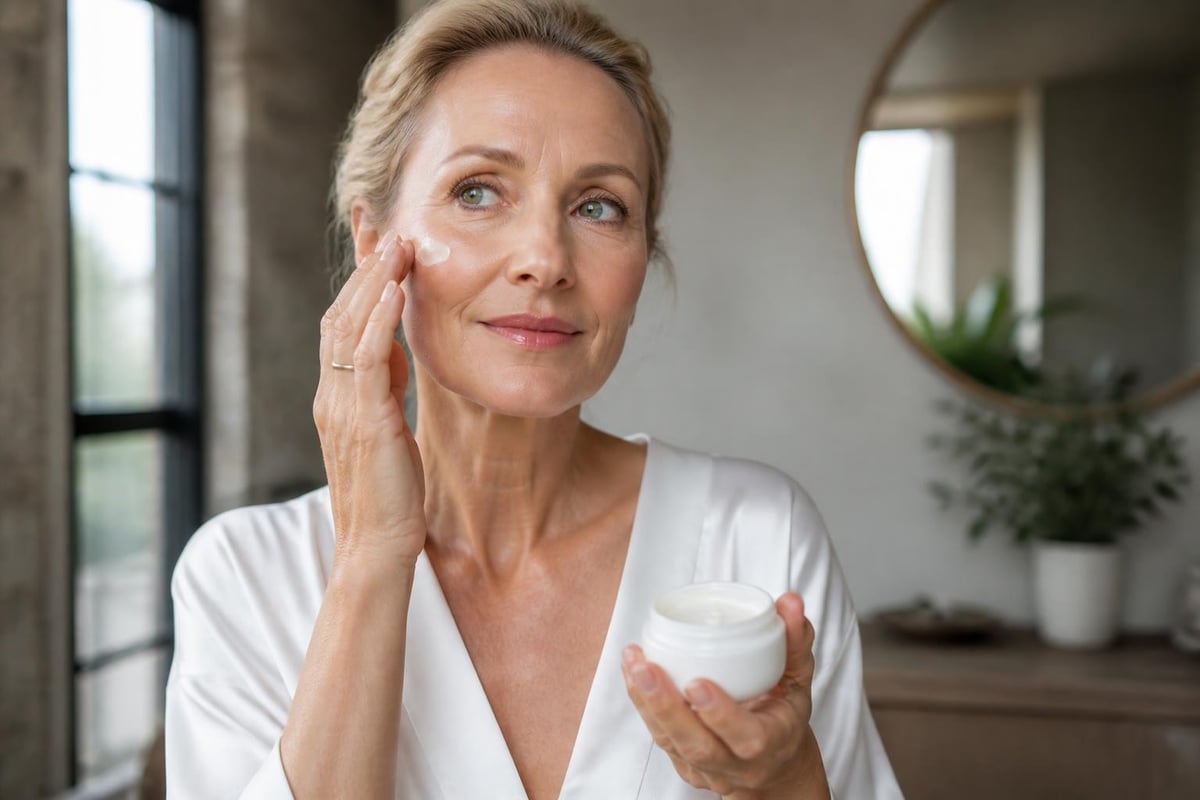
Special Considerations for Sensitive Mature Skin
Aging skin often becomes more reactive, developing sensitivities to ingredients previously tolerated without issue.
Understanding contact dermatitis triggers becomes increasingly important as skin barrier function declines. Fragrances, essential oils, and certain preservatives frequently cause reactions in mature complexions.
Building a Gentle Routine
Start with fragrance-free, hypoallergenic formulations. Introduce one new product every two weeks, monitoring for any signs of irritation:
- Redness or flushing
- Burning or stinging sensations
- Increased dryness or flaking
- Small bumps or texture changes
If you notice reactions, immediately discontinue the new product and return to your previous routine. Wait until skin normalizes before attempting another introduction.
Reading Labels Like a Pro
Understanding ingredient lists empowers better purchasing decisions for day cream for mature skin.
Ingredients appear in descending order by concentration. The first five ingredients typically comprise 70-80% of the formula, making them most critical to evaluate.
Red Flags to Avoid
Denatured Alcohol (alcohol denat) in the first five ingredients indicates a drying formula inappropriate for most mature skin types.
Heavy Fragrance listed early suggests high concentrations that may irritate sensitive mature skin unnecessarily.
Mineral Oil as a Primary Ingredient creates a barrier but provides no nutritional benefits and may feel too occlusive for some users.
Green Lights Worth Seeking
When you spot these ingredients prominently listed, you're likely holding an effective formula:
- Ceramide 1, 3, or 6 (barrier repair)
- Niacinamide (multi-functional powerhouse)
- Sodium hyaluronate (smaller molecular weight than hyaluronic acid)
- Adenosine (wrinkle-smoothing properties)
- Antioxidants like resveratrol or CoQ10
Top moisturizers for mature skin consistently feature combinations of these proven ingredients rather than relying on single "miracle" actives.
Budget Considerations and Value Assessment
Premium prices don't always correlate with superior results. Some drugstore formulations rival luxury brands in effectiveness.
What Justifies Higher Prices?
Certain factors legitimately increase costs:
Stabilized Active Ingredients: Encapsulated retinol or stable vitamin C formulations require sophisticated technology that increases manufacturing costs.
Higher Concentrations: A serum with 20% vitamin C costs more to produce than one with 5%, though you'll see better results from the higher concentration.
Sustainable Sourcing: Ethically harvested botanical ingredients and eco-friendly artisan production often command premium pricing but support better practices.
Clinical Testing: Brands that invest in third-party testing and clinical trials to verify claims incur significant expenses that budget brands skip.
When to Splurge vs. Save
| Splurge | Save |
|---|---|
| Products with actives (retinol, peptides, vitamin C) | Basic hydrators with simple ingredient lists |
| Eye creams (delicate area needs specialized formulas) | Body moisturizers (larger format = better value) |
| SPF products (consistent quality matters for protection) | Cleansers (rinse-off means less contact time) |
Many find success mixing high-end treatment products with affordable hydrators. A premium peptide serum layered under a simple, budget-friendly moisturizer often outperforms an expensive cream used alone.
Addressing Specific Mature Skin Concerns
Your day cream for mature skin might need to target particular issues beyond general aging.
Hyperpigmentation and Age Spots
Look for ingredients like:
- Vitamin C (multiple forms work differently)
- Kojic acid (natural skin brightener)
- Alpha arbutin (gentle alternative to hydroquinone)
- Licorice root extract (anti-inflammatory and brightening)
Consistent SPF use remains absolutely essential. The best brightening ingredients can't overcome ongoing UV damage.
Loss of Firmness and Elasticity
Peptide-rich formulas combined with ingredients that support collagen synthesis deliver the most noticeable improvements:
- TGF-beta peptides
- Vitamin C (necessary cofactor for collagen production)
- Copper peptides
- Growth factors (expensive but effective)
Expert-recommended moisturizers for barrier restoration often include multiple peptides working synergistically rather than relying on a single peptide type.
Rough Texture and Large Pores
Gentle exfoliation through chemical exfoliants helps mature skin maintain smoothness:
- Lactic acid (hydrating AHA, good for sensitive skin)
- Mandelic acid (larger molecule, gentler penetration)
- Polyhydroxy acids (PHAs, extremely gentle option)
- Enzymes (papain, bromelain for natural exfoliation)
Avoid harsh physical scrubs that can create micro-tears in delicate mature skin.
The Role of Professional Treatments
While excellent day cream for mature skin provides daily maintenance, professional treatments can accelerate and enhance results.
Complementary In-Office Procedures
Microneedling creates controlled micro-injuries that trigger collagen production, helping your topical products penetrate more effectively.
Chemical Peels remove damaged outer layers, revealing fresher skin beneath while improving product absorption.
LED Light Therapy stimulates cellular activity, particularly beneficial when combined with peptide-rich day creams.
Timing Professional Treatments
Schedule intensive treatments during cooler months when sun exposure naturally decreases. Always inform your aesthetician about your current skincare routine, especially if using retinoids or acids that may increase sensitivity.
Recovery periods require gentler products. Keep a simple, fragrance-free day cream for mature skin on hand for post-treatment care when your regular formulation might prove too active.
Testing and Transitioning Products Safely
Introducing new skincare requires patience and systematic testing, especially with mature skin's increased sensitivity potential.
The Patch Test Protocol
- Apply a small amount behind your ear or on your inner forearm
- Wait 24 hours, checking for reactions
- If clear, apply to a small facial area (like your jawline)
- Wait another 24-48 hours before full-face application
- Introduce only one new product every two weeks
This careful approach might feel frustratingly slow, but it prevents the nightmare of a full-face reaction that sets your skincare progress back by weeks.
Transitioning Between Formulas
When changing your day cream for mature skin, consider this gradual approach:
- Week 1: Use new cream every other day, alternating with current formula
- Week 2: Use new cream five days weekly
- Week 3: Switch to daily use of new cream
- Week 4: Evaluate results and adjust as needed
Sudden changes can shock mature skin into producing excess oil or increased dryness as it struggles to adapt.
Finding the perfect day cream for mature skin transforms not just your complexion but your confidence in facing each day. The combination of scientifically proven ingredients, proper application techniques, and consistent sun protection creates the foundation for healthy, radiant mature skin. At Sinusoothe Ltd, we understand that effective skincare doesn't require choosing between natural ingredients and scientific innovation. Our thoughtfully formulated products combine the best of both approaches, supporting your skin's changing needs with gentle, effective solutions that honor both your skin and the environment.