
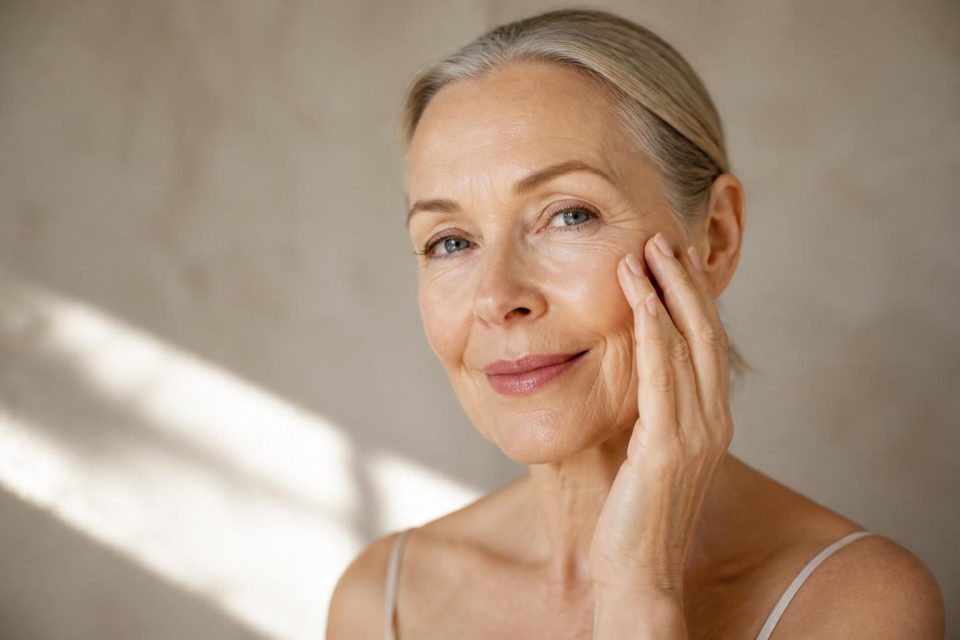
Your skin tells the story of every laugh, every sunny afternoon, every late night spent chasing dreams. As we move through our 40s, 50s, and beyond, our skin's needs transform in remarkable ways. The moisturizer that served you well in your 20s simply won't cut it anymore. Understanding what makes a truly effective mature skin moisturiser isn't about fighting age, it's about embracing your skin's evolution and giving it exactly what it needs to thrive. Let's explore how to find formulations that work with your skin, not against it.
Why Your Skin Demands Different Care After 40
Time changes everything, including the fundamental structure of your skin. Around age 40, our bodies produce significantly less collagen and elastin, the proteins responsible for keeping skin firm and bouncy. Natural oil production drops by nearly 40% in women after menopause, creating that persistent dry, tight feeling many experience.
Your skin barrier, once robust and resilient, becomes more permeable. This means moisture escapes more easily while environmental irritants slip through defenses that used to keep them out. Research shows that xerosis affects a significant portion of individuals over 50, impacting quality of life and comfort.
The epidermis thins with each passing year. Cell turnover slows from approximately 28 days in your 20s to 45-60 days by your 50s. Dead skin cells accumulate on the surface, creating a dull, lackluster appearance that no amount of makeup can fully conceal.
Blood circulation decreases too, delivering fewer nutrients to skin cells. Combined with reduced sebum production, mature skin often feels papery, rough, and perpetually thirsty no matter how much water you drink.
The Non-Negotiable Ingredients in Every Mature Skin Moisturiser
Not all moisturizers are created equal, especially when addressing mature skin concerns. Certain ingredients deliver transformative results while others merely sit on the surface, offering temporary relief without lasting benefits.
Ceramides: Your Barrier's Best Friend
Think of ceramides as the mortar between your skin's brick-like cells. They compose about 50% of your skin barrier and naturally decline with age. A mature skin moisturiser rich in ceramides helps:
- Restore barrier function and prevent transepidermal water loss
- Reduce sensitivity and inflammation
- Create a protective seal that locks in hydration
- Improve overall skin texture and smoothness
Dermatologists emphasize ceramides as essential for maintaining the skin’s protective barrier, particularly as we age and natural production diminishes.
Hyaluronic Acid: The Hydration Hero
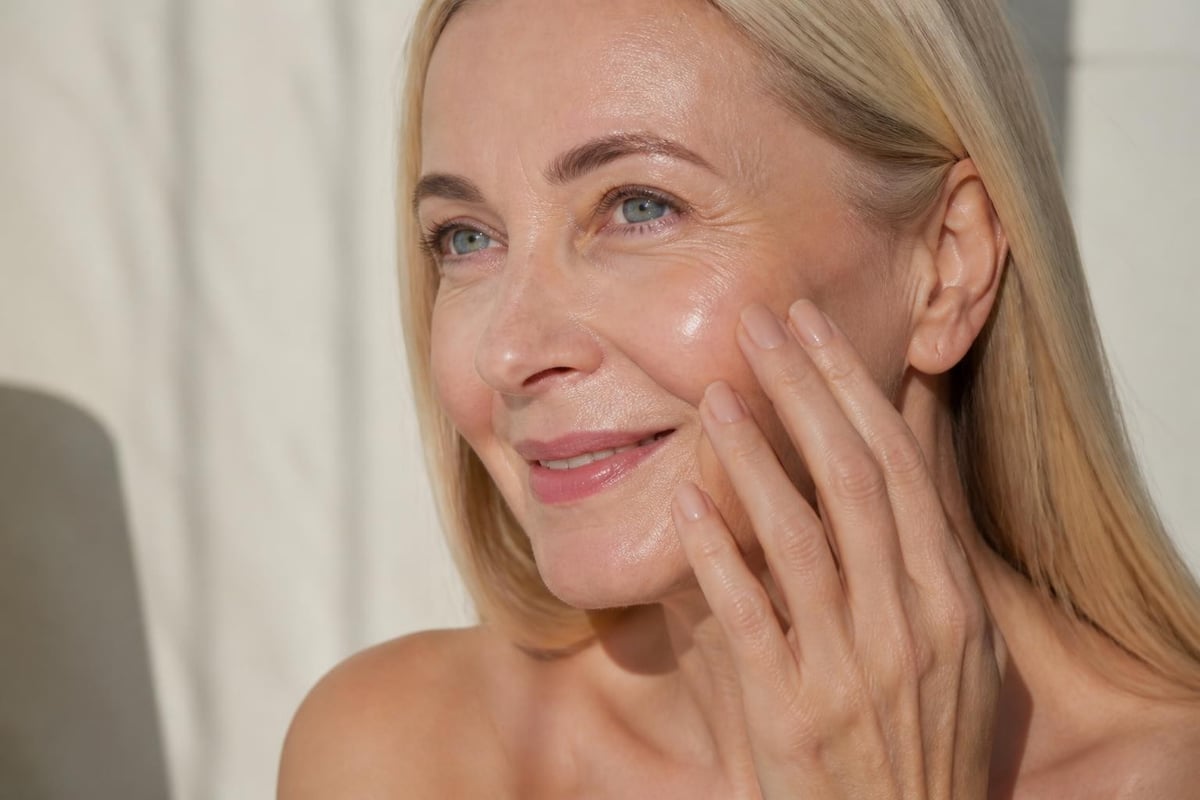
This moisture magnet holds up to 1,000 times its weight in water. Multi-molecular weight hyaluronic acid works across different skin layers, plumping fine lines from within while creating surface hydration. Look for formulations containing both low and high molecular weight versions for maximum benefit.
Peptides and Growth Factors
These signaling molecules communicate with your skin cells, encouraging collagen production and cellular renewal. Copper peptides, matrixyl, and argireline offer scientifically-backed benefits for mature skin:
- Stimulate fibroblast activity for increased collagen synthesis
- Reduce the appearance of expression lines
- Improve skin density and firmness
- Support wound healing and cellular repair
Natural Oils That Nourish
Plant-based oils provide essential fatty acids that synthetic ingredients cannot replicate. Rosehip seed oil, argan oil, and sea buckthorn berry oil deliver omega fatty acids, vitamins, and antioxidants. These natural skincare products work in harmony with your skin's biology rather than against it.
Texture Matters: Finding Your Perfect Formula
The best mature skin moisturiser in the world won't help if you hate applying it. Texture preferences are deeply personal, but understanding different formulation types helps you make informed choices.
| Texture Type | Best For | Key Benefits | Potential Drawbacks |
|---|---|---|---|
| Cream | Very dry, dehydrated skin | Rich hydration, occlusive properties | May feel heavy in humid climates |
| Lotion | Normal to dry skin | Lightweight, absorbs quickly | May need reapplication during winter |
| Balm | Extremely dry, flaky areas | Intense nourishment, healing | Can feel greasy, not ideal under makeup |
| Gel-Cream | Combination mature skin | Hydrating without heaviness | May not suffice for very dry skin |
Your climate, lifestyle, and personal preferences all play crucial roles. Someone living in Arizona's dry heat needs different formulations than someone in Seattle's damp environment. Listen to your skin's feedback and adjust seasonally.
Morning vs. Night: Strategic Application Timing
Your skin operates on a circadian rhythm, with different needs throughout the day. A sophisticated skincare routine recognizes these variations and responds accordingly.
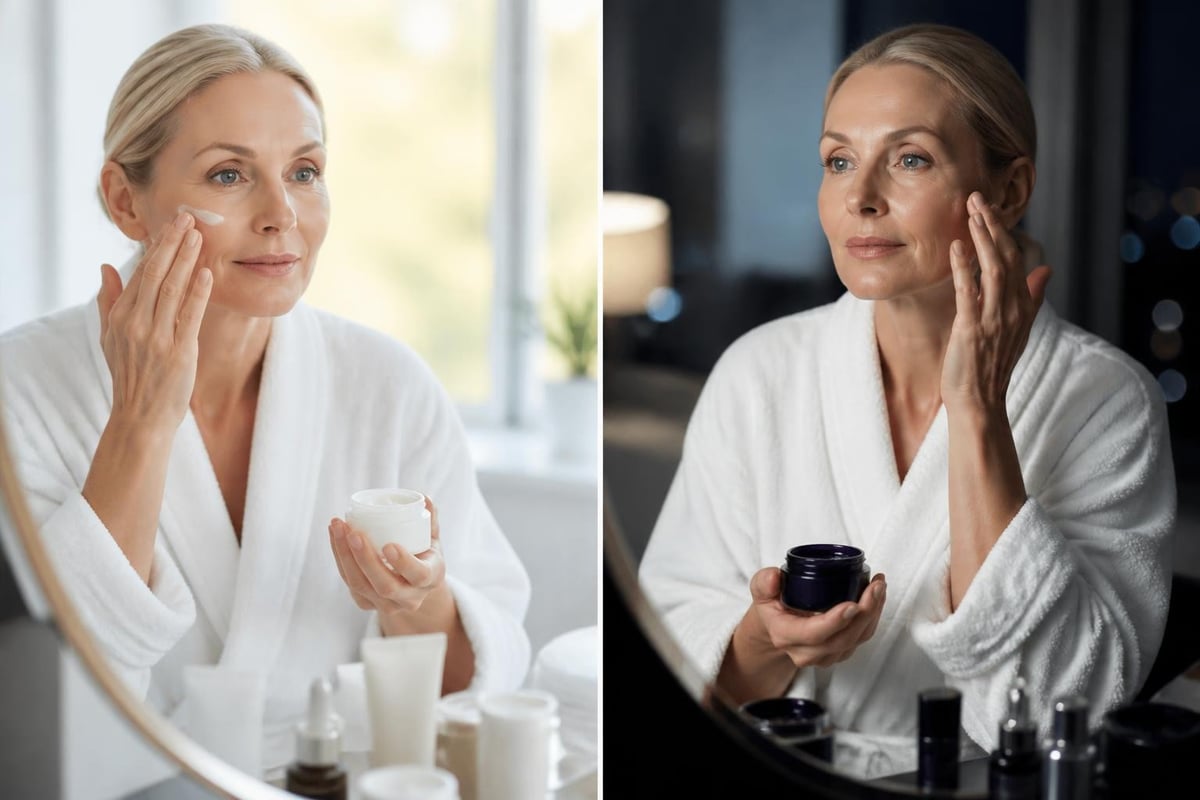
Daytime Protection Protocol
Morning moisturizers should prioritize:
- Antioxidant protection against free radical damage
- SPF 30 or higher (applied separately for adequate coverage)
- Lightweight textures that wear well under makeup
- Ingredients like vitamin C, niacinamide, and green tea extract
Apply your mature skin moisturiser within three minutes of cleansing, when skin is still slightly damp. This traps water molecules and maximizes hydration.
Nighttime Repair Ritual
Evening formulations can be richer and more treatment-focused since you won't need makeup compatibility:
- Cleanse thoroughly to remove the day's accumulated debris
- Apply treatment serums with retinoids, peptides, or acids
- Wait 2-3 minutes for serums to absorb
- Layer your moisturizer to seal in treatments and provide overnight nourishment
- Add facial oil if your skin feels particularly dry
Understanding how aging affects the skin barrier helps you choose appropriate nighttime ingredients like retinol derivatives and alpha hydroxy acids.
Natural vs. Synthetic: Navigating the Ingredient Debate
The natural skincare movement has gained tremendous momentum, but does "natural" automatically mean better for mature skin? The answer requires nuance and scientific understanding.
Natural ingredients offer several compelling advantages:
- Biocompatibility: Plant-based compounds often work harmoniously with human skin biology
- Antioxidant density: Botanical extracts provide powerful free radical protection
- Sustainable sourcing: Many natural ingredients have lower environmental impact
- Fewer synthetic preservatives: Reduced exposure to potentially irritating chemicals
However, synthetic ingredients aren't villains. Hyaluronic acid, though naturally occurring in the body, is typically lab-created for skincare. Peptides are synthesized to ensure purity and efficacy. The key lies in choosing formulations that combine the best of both worlds.
When selecting a mature skin moisturiser, prioritize:
- Clean formulations free from parabens, sulfates, and phthalates
- Transparent ingredient sourcing and manufacturing
- Clinical evidence supporting key active ingredients
- Brands committed to sustainable and ethical practices
Explore natural skincare options that align with your values while delivering measurable results.
Common Mistakes That Sabotage Your Results
Even the finest mature skin moisturiser fails when applied incorrectly or combined with incompatible products. Avoid these surprisingly common pitfalls.
Over-Exfoliating Your Delicate Barrier
Aggressive exfoliation strips away protective oils and damages the already-compromised barrier. Limit physical scrubs to once weekly, and choose gentle chemical exfoliants like lactic acid or mandelic acid 2-3 times weekly maximum.
Skipping SPF
UV damage accelerates every visible sign of aging. Without daily broad-spectrum protection, your expensive moisturizer fights a losing battle against photoaging. Apply SPF 30+ every single day, even when clouds obscure the sun.
Using Products in Wrong Order
Skincare layering follows a simple rule: thinnest to thickest consistency. Apply water-based serums before oil-based products. Your mature skin moisturiser should come after treatment products but before facial oils or occlusives.
Ignoring Your Neck and Décolletage
These areas show age as quickly as your face but often receive minimal attention. Extend every product, including your moisturizer, down to your chest. These delicate areas deserve equal care and protection.
Addressing Specific Mature Skin Concerns
Mature skin isn't monolithic. Different concerns require targeted approaches within your moisturizing routine.
Combating Hyperpigmentation
Dark spots and uneven tone plague many people over 40. Dermatologist-recommended approaches suggest combining your moisturizer with ingredients like:
- Vitamin C (L-ascorbic acid or stable derivatives)
- Kojic acid for gentle brightening
- Tranexamic acid to interrupt melanin production
- Niacinamide for overall tone evening
Targeting Deep Lines and Wrinkles
Expression lines around eyes, mouth, and forehead deepen with time. Layer your mature skin moisturiser over targeted treatments containing:
- Retinoids to accelerate cell turnover
- Peptides for collagen stimulation
- Bakuchiol as a gentler retinol alternative
- Adenosine for wrinkle reduction
Managing Rosacea and Sensitivity
Mature skin often becomes reactive, with rosacea frequently emerging or worsening during perimenopause. Choose fragrance-free formulations with soothing ingredients like:
- Centella asiatica (cica) for calming inflammation
- Azelaic acid to reduce redness and bumps
- Colloidal oatmeal for barrier support
- Bisabolol for gentle anti-inflammatory action
The Role of Internal Health in Skin Hydration
Your mature skin moisturiser works harder when supported by internal wellness practices. External products can only accomplish so much without foundational health.
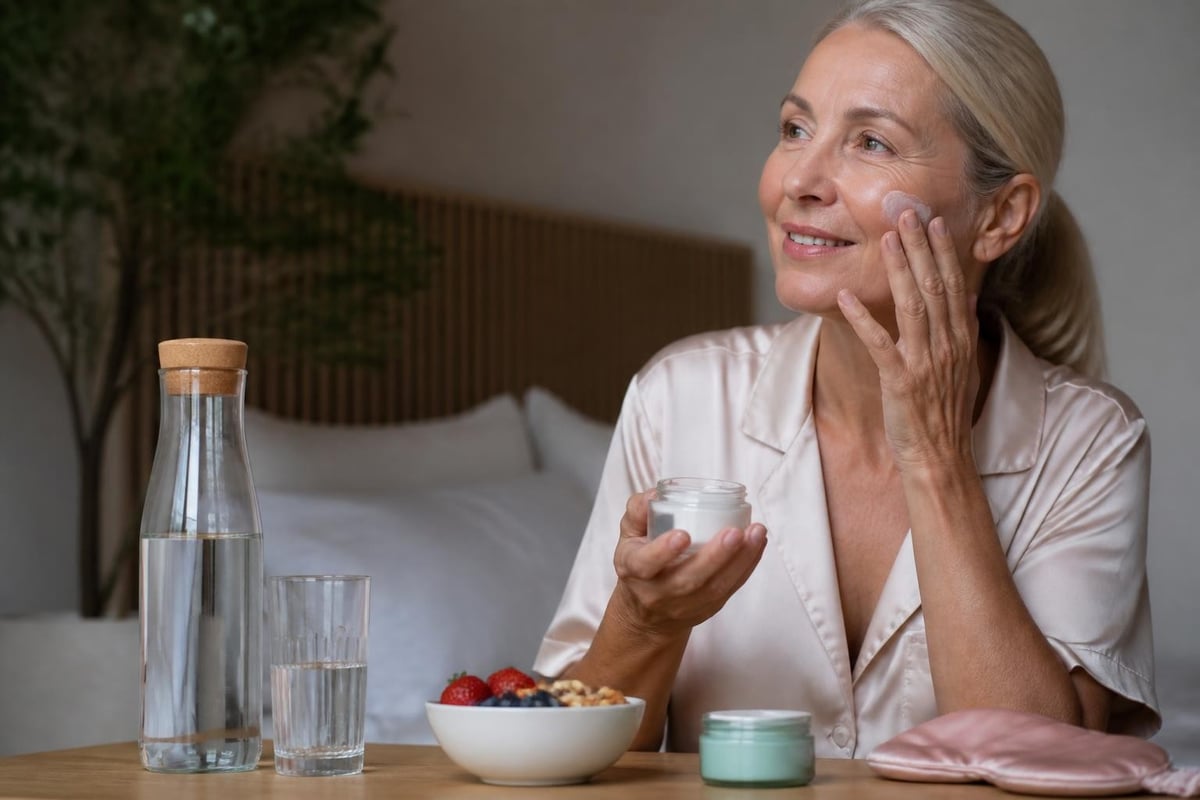
Hydration from within remains crucial. Aim for half your body weight in ounces of water daily. Herbal teas, bone broth, and water-rich foods contribute to overall hydration status.
Omega-3 fatty acids support skin barrier function and reduce inflammation. Wild-caught fatty fish, walnuts, flaxseeds, and chia seeds provide these essential nutrients. Consider supplementation if dietary intake falls short.
Collagen peptides consumed orally show promising results in clinical studies, improving skin hydration, elasticity, and density when taken consistently for 8-12 weeks.
Sleep quality directly impacts skin repair processes. During deep sleep, growth hormone peaks, driving cellular renewal and collagen production. Prioritize 7-9 hours nightly for optimal skin health.
Reading Labels Like a Skincare Scientist
Ingredient lists intimidate many consumers, but understanding basic label-reading skills empowers better purchasing decisions. Ingredients appear in descending order by concentration, with the highest percentages listed first.
Identifying Effective Concentrations
Active ingredients need adequate concentrations to work:
| Ingredient | Effective Percentage | Look For On Label |
|---|---|---|
| Niacinamide | 2-10% | Listed in first 5-7 ingredients |
| Vitamin C | 10-20% | Specified percentage on packaging |
| Retinol | 0.25-1% | Clear concentration disclosure |
| Hyaluronic Acid | 0.5-2% | Multiple molecular weights listed |
| Peptides | 3-10% | Complex names ending in "peptide" |
Red Flag Ingredients to Avoid
Certain ingredients offer minimal benefits while increasing irritation risk:
- Denatured alcohol high on ingredient lists
- Synthetic fragrances (listed as "parfum" or "fragrance")
- Essential oils in high concentrations (potential sensitizers)
- Harsh sulfates like SLS or SLES in cleansers
Expert guidance on what really works emphasizes the importance of active ingredients over marketing claims.
Seasonal Adjustments for Year-Round Comfort
Your skin's needs fluctuate with changing weather conditions. A static skincare routine rarely serves mature skin optimally throughout the year.
Winter Survival Strategies
Cold air and indoor heating create moisture-stripping conditions. Upgrade your mature skin moisturiser during winter months:
- Switch from lotion to cream formulations
- Add facial oil as the final layer
- Use a humidifier in your bedroom
- Apply moisturizer more frequently
- Consider overnight masks weekly
Summer Modifications
Heat and humidity change hydration requirements. Lighten your approach:
- Opt for gel-cream textures
- Focus on hyaluronic acid and lightweight humectants
- Never skip SPF despite reduced dryness
- Mist throughout the day with thermal water
- Use antioxidant serums to combat increased UV exposure
Transitional Season Balance
Spring and fall demand flexibility. Watch for your skin's signals and adjust accordingly. Some days warrant richer formulations, others call for lighter textures. Listen to what your skin communicates rather than following rigid rules.
Building Your Customized Routine
Cookie-cutter approaches rarely address individual skin needs effectively. Create a personalized regimen that evolves with your changing requirements.
Start with these foundational steps:
- Identify your primary concerns: Dryness, lines, spots, sensitivity, or combination issues
- Choose your hero moisturizer: Select based on texture preference and key ingredients
- Add targeted treatments: Serums addressing specific concerns
- Layer strategically: Thinnest to thickest consistency
- Protect religiously: Never compromise on SPF
Test new products individually, introducing only one every 2-3 weeks. This allows you to identify any reactions and pinpoint which products deliver results versus which simply occupy shelf space.
Your perfect mature skin moisturiser might take experimentation to discover. What works brilliantly for your best friend might irritate your skin or feel too heavy. Reviews and recommendations provide starting points, but personal experience determines your ideal match.
The Psychology of Aging Gracefully
Skincare transcends physical care, touching deep emotional territory. Society bombards us with anti-aging messages, but true beauty comes from embracing your journey while caring for yourself lovingly.
Your daily moisturizing ritual can become a meditative practice, a moment of self-compassion in busy days. As you smooth that mature skin moisturiser across your face, you're not erasing evidence of your life, you're honoring the skin that's carried you through every experience.
This mindset shift transforms skincare from anxious maintenance into joyful self-care. You deserve products that feel luxurious, smell beautiful, and make you excited about your routine. When skincare feels like a gift you give yourself rather than a chore you must complete, consistency becomes effortless.
Connect with your skin's story. Those laugh lines around your eyes? They map decades of joy. The vertical line between your brows? Perhaps it signals deep thinking and concentration. Care for your skin with products that support its health and vitality without trying to turn back time impossibly.
Making Sustainable Choices
Environmental consciousness and effective skincare aren't mutually exclusive. As consumers become increasingly aware of their ecological footprint, sustainable product choices matter more than ever.
Consider these factors when selecting your mature skin moisturiser:
- Packaging materials: Glass containers, recyclable plastics, or refillable systems
- Ingredient sourcing: Sustainably harvested botanicals and ethical supply chains
- Manufacturing processes: Brands committed to reducing carbon emissions
- Cruelty-free certification: No animal testing at any production stage
- Minimal waste: Concentrated formulas requiring smaller amounts per application
Supporting companies that prioritize both skin health and planetary health creates positive ripple effects. Your purchasing power influences industry practices and encourages more brands to adopt responsible approaches.
Many natural skincare brands combine ecological responsibility with effective formulations, proving that you don't have to compromise results for values alignment.
Budget-Friendly Alternatives and Splurge-Worthy Investments
Effective mature skin care doesn't require emptying your bank account, though some premium products justify their price tags. Understanding where to save and where to invest makes skincare accessible at any budget level.
Where to Save
- Basic cleansers: Gentle, effective options exist at all price points
- Sunscreen: Drugstore formulations often match luxury versions in efficacy
- Body moisturizers: Large-format lotions provide excellent value
- Facial mists: DIY rose water or thermal spring water work beautifully
Worth the Investment
- Targeted serums: High-quality actives in effective concentrations
- Your primary facial moisturizer: Used daily, quality matters tremendously
- Eye treatments: Delicate area benefits from specialized formulations
- Professional treatments: Periodic facials or dermatology appointments
Remember that expensive doesn't automatically equal effective. Research ingredients, read reviews, and trust your skin's response over marketing promises. The best mature skin moisturiser for you balances quality, efficacy, and affordability within your personal budget.
Finding the right mature skin moisturiser represents a journey of self-discovery, combining scientific understanding with personal preference and values alignment. Your skin deserves formulations that honor its history while supporting its future health and radiance. At Sinusoothe Ltd, we believe that natural skincare products should work in harmony with your skin's biology, providing the nourishment and protection mature skin truly needs. Discover thoughtfully crafted natural skincare solutions designed to help your skin thrive at every age.