
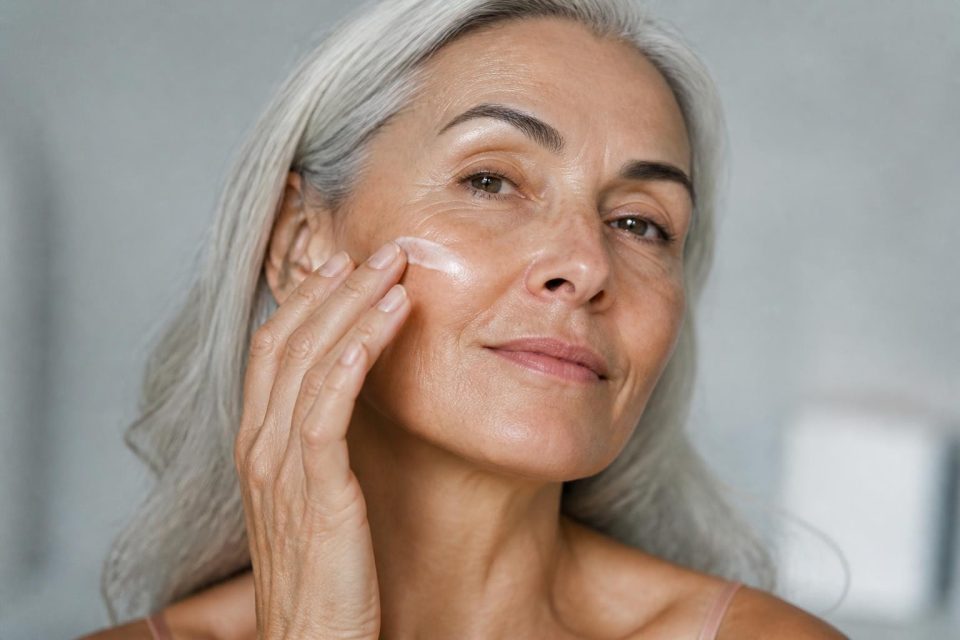
Finding the right moisturiser for ageing skin can feel overwhelming when faced with countless products promising miraculous results. As our skin matures, its needs change dramatically, requiring formulations that address specific concerns like moisture loss, decreased elasticity, and thinning texture. The good news? Understanding what your skin truly needs makes selecting the perfect moisturiser straightforward and empowering.
Understanding Your Ageing Skin's Changing Needs
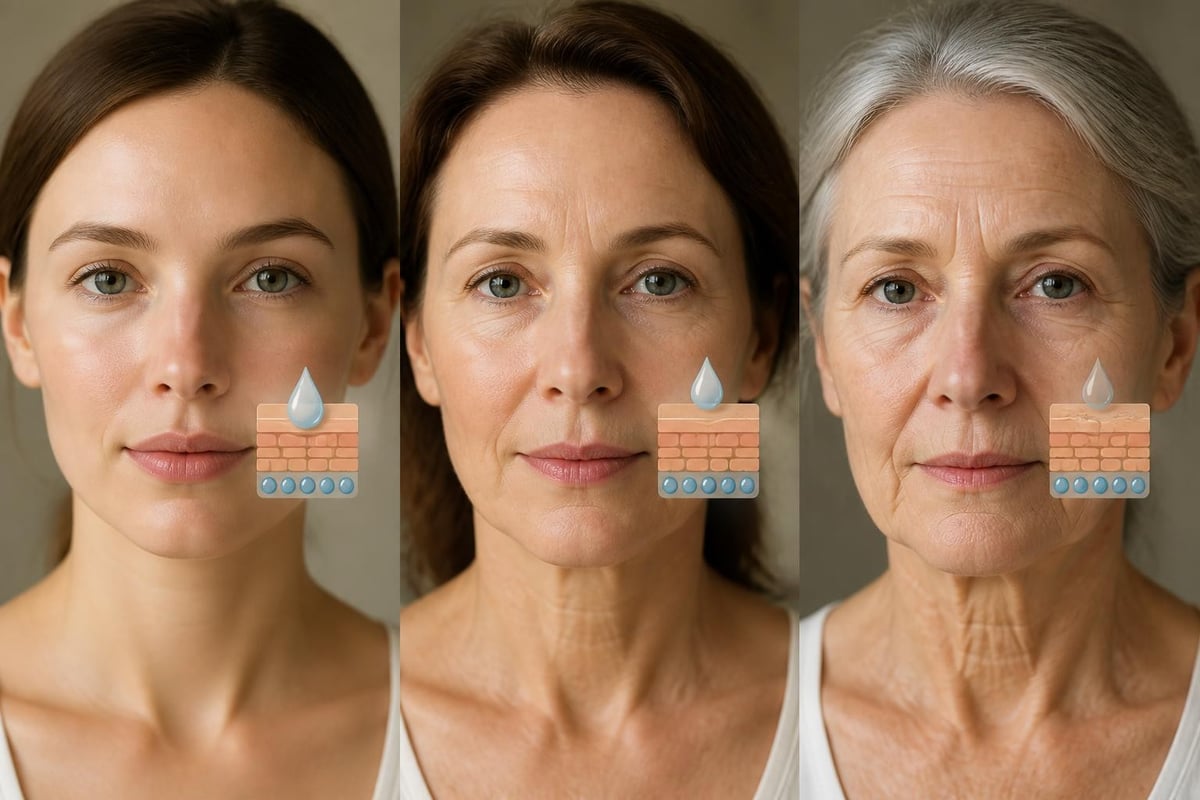
Your skin's structure transforms significantly after age 40, and these changes directly impact how it retains moisture. As aging affects the skin’s barrier and sensitivity, your complexion becomes more vulnerable to environmental stressors and dehydration. The epidermis thins, oil production decreases, and cell turnover slows considerably.
Key changes that affect moisture retention:
- Natural oil production drops by approximately 10% every decade after age 30
- Collagen and elastin fibers break down, reducing skin's ability to hold water
- The lipid barrier weakens, allowing moisture to evaporate more quickly
- Cell regeneration slows from 28 days to 45-60 days
These physiological shifts mean your trusty moisturiser from your twenties simply won't cut it anymore. Your skin craves richer, more targeted formulations that work harder to lock in hydration and support structural integrity.
The Science Behind Effective Hydration
When selecting a moisturiser for ageing skin, understanding the difference between humectants, emollients, and occlusives transforms your skincare routine. These three categories work synergistically to deliver comprehensive hydration that addresses mature skin's complex needs.
Humectants draw water from the environment and deeper skin layers to the surface. Hyaluronic acid, glycerin, and honey exemplify this category, binding up to 1000 times their weight in water.
Emollients fill the spaces between skin cells, smoothing rough texture and improving softness. Natural options like shea butter, jojoba oil, and squalane excel here.
Occlusives create a protective seal over your skin, preventing transepidermal water loss. Think beeswax, plant-based oils, and ceramides that reinforce your skin's natural barrier.
Essential Ingredients Your Moisturiser Should Contain
Dermatologists emphasize specific ingredients when recommending formulations for mature complexions. Not all ingredients deliver equal results, and some combinations work synergistically to amplify benefits.
| Ingredient | Primary Benefit | Best For |
|---|---|---|
| Hyaluronic Acid | Intense hydration | All skin types |
| Ceramides | Barrier repair | Dry, sensitive skin |
| Peptides | Collagen support | Fine lines, sagging |
| Niacinamide | Texture improvement | Uneven tone, enlarged pores |
| Squalane | Deep moisturization | Very dry skin |
| Vitamin C | Brightening | Dark spots, dullness |
Natural vs. Synthetic Formulations
The debate between natural and synthetic ingredients continues, but research shows both can deliver exceptional results. Natural skincare products often provide gentler alternatives for sensitive skin while offering biocompatible compounds your skin recognizes and absorbs efficiently.
Plant-derived ingredients like rosehip oil, sea buckthorn, and green tea extract pack powerful antioxidants that neutralize free radicals responsible for accelerated aging. These botanical powerhouses often contain multiple beneficial compounds working together, unlike isolated synthetic ingredients.
However, stability matters. Natural formulations require careful preservation to maintain potency, while synthetic ingredients often offer longer shelf lives and consistent concentrations. The ideal moisturiser for ageing skin balances both worlds, combining nature's wisdom with scientific innovation.
Benefits of choosing natural skincare solutions:
- Reduced risk of irritation from harsh chemicals
- Environmental sustainability through biodegradable ingredients
- Multi-dimensional benefits from whole-plant extracts
- Better compatibility with sensitive, reactive skin
Exploring natural skincare options can reveal formulations that honor both effectiveness and skin health without compromise.
Morning vs. Night: Timing Your Moisture Application
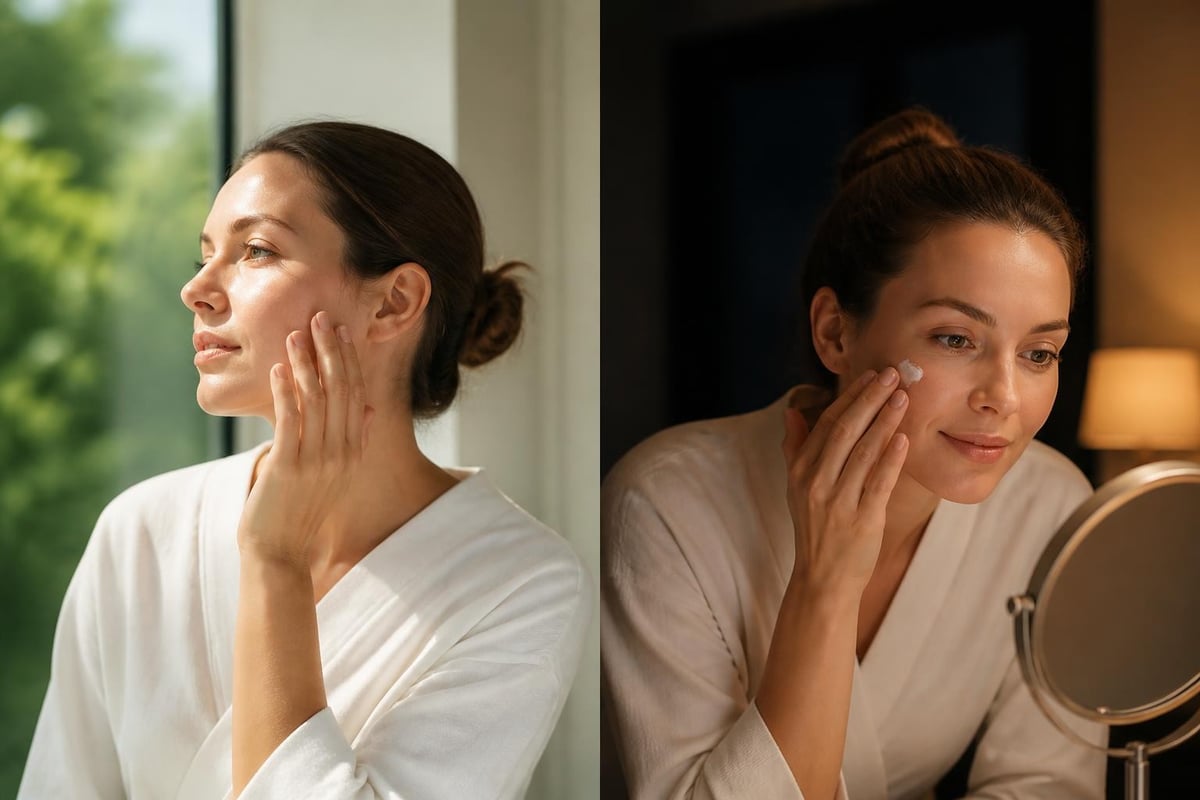
Your skin operates on a circadian rhythm, making application timing crucial for maximizing your moisturiser's effectiveness. Morning routines prioritize protection, while evening regimens focus on repair and regeneration.
Daytime Protection Strategy
Morning moisturisers should prepare your skin to face environmental aggressors. Look for lightweight formulations containing antioxidants that defend against pollution, blue light, and UV damage. Your daytime moisturiser for ageing skin works best when layered under broad-spectrum SPF 30 or higher.
Apply your morning moisturiser to damp skin within 60 seconds of cleansing. This locks in surface moisture and helps active ingredients penetrate more effectively. Pat, don't rub, using upward motions that support rather than stretch delicate facial tissues.
Nighttime Repair Ritual
Evening brings opportunity for intensive treatment. Your skin enters repair mode between 11 PM and 4 AM, with cell regeneration peaking around midnight. Richer, more concentrated formulations work beautifully during these hours without interference from makeup or environmental exposure.
According to skincare experts, night creams for mature skin benefit from including retinol, peptides, and reparative oils that support collagen synthesis and cellular turnover. These ingredients can increase photosensitivity, making nighttime application ideal.
Nighttime application technique:
- Cleanse thoroughly but gently, removing all traces of makeup and sunscreen
- Apply treatment serums to slightly damp skin
- Wait 2-3 minutes for serums to absorb
- Warm moisturiser between palms before pressing into skin
- Use gentle upward strokes, spending extra time on neck and décolletage
Addressing Specific Ageing Concerns
Not all ageing skin presents identical concerns. Your moisturiser selection should target your specific challenges while providing comprehensive hydration.
Fine Lines and Wrinkles
These telltale signs appear when collagen and elastin production decline. A moisturiser for ageing skin targeting wrinkles should contain peptides that signal collagen production, retinol that accelerates cell turnover, and hyaluronic acid that plumps from within.
Deep wrinkles benefit from occlusives that fill creases overnight, softening their appearance by morning. Consistent use over 8-12 weeks shows the most dramatic improvements, as skin requires time to rebuild structural proteins.
Loss of Firmness and Elasticity
Sagging results from gravitational pull combined with weakened support structures. While no topical product fully reverses significant sagging, the right moisturiser can improve skin density and resilience.
Look for formulations containing:
- Vitamin C (promotes collagen synthesis)
- Coenzyme Q10 (energizes cellular metabolism)
- Bakuchiol (plant-based retinol alternative)
- DMAE (supports muscle tone beneath skin)
Uneven Texture and Dullness
Accumulation of dead cells creates rough, lackluster surfaces. Moisturisers with gentle chemical exfoliants like lactic acid or fruit enzymes smooth texture while delivering hydration. Niacinamide brightens and refines simultaneously, addressing multiple concerns in one step.
The Role of Climate and Environment
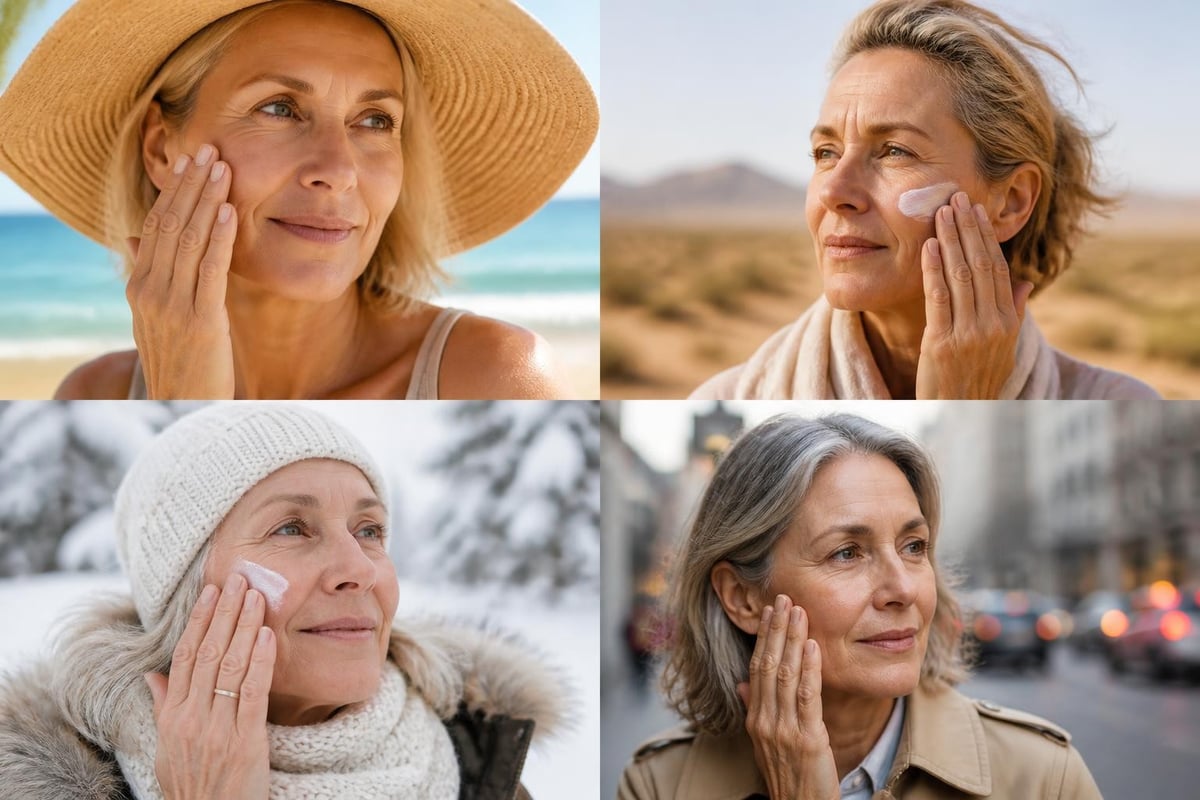
Your environment dramatically influences how your skin responds to moisturiser. Understanding these factors helps you adjust your routine seasonally and situationally.
| Climate Type | Skin Impact | Moisturiser Adjustment |
|---|---|---|
| Hot & Humid | Increased oil, potential breakouts | Lighter gels, oil-free formulas |
| Cold & Dry | Extreme dehydration, flaking | Rich creams, occlusive layers |
| High Altitude | Rapid moisture loss, sensitivity | Barrier-repair focus, extra hydration |
| Polluted Urban | Free radical damage, inflammation | Antioxidant-rich protective formulas |
Winter months demand significantly richer formulations than summer, when lightweight lotions suffice. Choosing the best moisturizer for dry skin varies considerably based on environmental factors alongside your intrinsic skin type.
Traveling between climates? Bring both light and rich options, adjusting based on how your skin feels rather than rigid schedules. Flexibility serves mature skin better than strict adherence to single products.
Application Techniques That Amplify Results
How you apply your moisturiser matters nearly as much as what you apply. Mature skin benefits from gentle, intentional techniques that maximize absorption without causing trauma.
The Press-and-Pat Method
Forget rubbing moisturiser into your skin. This tugging motion stretches already delicate tissues and hampers absorption. Instead, warm product between your palms for 5-10 seconds, then press it onto your face using firm but gentle pressure.
Pat remaining product around orbital bones, where skin is thinnest and most prone to showing age. This pressing motion drives ingredients deeper while promoting lymphatic drainage that reduces puffiness.
Layering for Maximum Benefit
Think of your skincare routine as a carefully orchestrated symphony. Each layer builds upon the previous one, creating exponential results impossible through single-product application.
Optimal layering sequence:
- Essence or hydrating toner (thinnest consistency)
- Treatment serums (targeted active ingredients)
- Eye cream (before or after serum, depending on thickness)
- Face moisturiser (sealing in previous layers)
- Facial oil or balm (optional night-time occlusive layer)
Wait 30-60 seconds between layers, allowing each to partially absorb before adding the next. This prevents pilling and ensures maximum ingredient penetration.
Common Mistakes to Avoid
Even the best moisturiser for ageing skin underperforms when applied incorrectly or paired with counterproductive habits. Awareness of these pitfalls helps you course-correct before visible damage occurs.
Top errors that sabotage your results:
- Using too little product (most people apply half the necessary amount)
- Neglecting neck and chest (these areas age faster than faces)
- Skipping morning moisturiser when wearing makeup (foundation alone doesn't hydrate)
- Applying to bone-dry skin (slightly damp skin absorbs better)
- Changing products too frequently (skin needs 4-6 weeks to show improvement)
Over-exfoliation deserves special mention. While removing dead cells seems logical, excessive exfoliation strips your skin's protective barrier, causing inflammation that accelerates aging. Limit physical and chemical exfoliation to 2-3 times weekly, allowing your moisturiser to rebuild what exfoliation temporarily disrupts.
Budget-Friendly Strategies for Premium Results
Effective skincare needn't drain your bank account. The American Academy of Dermatology confirms that strategic product selection and consistent application trump expensive luxury brands.
Prioritize ingredients over marketing. A well-formulated drugstore moisturiser for ageing skin containing proven ingredients like ceramides, niacinamide, and hyaluronic acid outperforms luxury products relying on exotic but unproven botanicals.
Where to Splurge vs. Save
| Splurge Category | Save Category | Reasoning |
|---|---|---|
| Treatment serums | Basic moisturiser | Actives need higher concentrations |
| Eye cream | Body lotion | Delicate area needs specialized care |
| Sunscreen | Cleanser | Protection prevents future damage |
| Retinol products | Toners/essences | Stability matters for effectiveness |
Consider subscribing to natural skincare brands offering loyalty programs or multi-product bundles. These often provide 15-30% savings compared to single-item purchases while ensuring you never run out of essentials.
Multi-use products also stretch budgets. A high-quality facial oil can prime skin before moisturiser, boost moisturiser effectiveness when mixed together, treat dry patches, and nourish cuticles and hair ends.
Reading Labels Like a Professional
Ingredient lists reveal more than marketing claims ever could. Understanding how to decode these labels empowers smarter purchasing decisions for your moisturiser for ageing skin.
Ingredients appear in descending order by concentration, with the first five comprising the bulk of the formula. Active ingredients should appear early, though potent compounds like retinol remain effective at lower concentrations appearing mid-list.
Red flags to avoid:
- Alcohol (denat., SD alcohol) in the first five ingredients
- Artificial fragrances (especially for sensitive skin)
- Parabens (though research on harm remains inconclusive)
- Mineral oil (comedogenic for some skin types)
"Fragrance-free" differs from "unscented." The former contains no fragrancing ingredients, while the latter may include masking fragrances to cover unpleasant natural scents. For reactive, ageing skin, truly fragrance-free formulations minimize irritation risks.
Building Your Complete Routine
Your moisturiser doesn't work in isolation. It functions as one critical component within a comprehensive skincare ecosystem designed to address mature skin holistically.
Anti-aging skin care routines succeed through consistency and compatibility between products. Your cleanser should respect your skin's pH without stripping natural oils. Your serum should target specific concerns. Your moisturiser should seal in all previous steps while providing its own hydration.
Consider these routine foundations:
Morning basics:
- Gentle, pH-balanced cleanser
- Vitamin C or antioxidant serum
- Moisturiser for ageing skin with SPF or separate sunscreen
- Eye cream
Evening essentials:
- Oil-based or creamy cleanser (double cleanse if wearing makeup)
- Exfoliating toner (2-3x weekly only)
- Retinol or peptide serum
- Richer night moisturiser
- Facial oil or sleeping mask (optional)
Introduce new products one at a time, waiting two weeks before adding another. This allows you to identify any irritants and gives your skin time to adjust to active ingredients without overwhelming its delicate balance.
The Natural Skincare Advantage
Natural formulations offer unique benefits for mature complexions seeking gentle yet effective solutions. After age 50, skin becomes increasingly sensitive to synthetic additives, making plant-based alternatives increasingly attractive.
Botanical ingredients contain complex phytochemical profiles working synergistically. For example, rosehip oil provides vitamin A (retinol precursor), vitamin C (brightening), essential fatty acids (barrier support), and antioxidants (protection) simultaneously. No single synthetic ingredient delivers this comprehensive support.
Natural preservatives like rosemary extract and vitamin E protect formulations without the potential hormone disruption associated with some synthetic preservatives. This matters particularly for ageing skin, where compromised barriers allow greater ingredient penetration into bloodstream.
Natural ingredients especially beneficial for mature skin:
- Sea buckthorn oil (promotes cellular regeneration)
- Frankincense (reduces inflammation, tightens skin)
- Pomegranate extract (powerful antioxidant protection)
- Calendula (soothes sensitivity, supports healing)
- Argan oil (rich in vitamin E and fatty acids)
Exploring customer testimonials from others with mature skin helps identify which natural formulations deliver real-world results beyond marketing promises.
Tracking Your Progress and Adjusting
Skincare requires patience and observation. Your moisturiser for ageing skin needs consistent use over weeks or months before dramatic improvements emerge. Tracking progress helps maintain motivation and identifies what's working.
Take unfiltered photos in identical lighting every two weeks. Morning natural light provides the most honest assessment. Focus on specific concerns like crow's feet depth, forehead lines, or cheek firmness rather than overall appearance.
Keep a simple journal noting:
- Product used and application frequency
- Any irritation or sensitivity
- Positive changes observed
- Environmental factors (weather, stress, diet changes)
After six weeks, review your notes and photos objectively. Have fine lines softened? Does your skin feel more supple? Is your complexion brighter? These concrete markers guide whether to continue current products or explore alternatives.
Remember that skin improvement rarely follows linear progression. Some weeks show dramatic changes, while others plateau. Consistent application matters more than perfect products, and patience ultimately rewards those willing to commit to their skincare journey.
Choosing the right moisturiser for ageing skin involves understanding your skin's changing needs, selecting proven ingredients, and applying products consistently with proper technique. Natural formulations offer gentle, effective alternatives that respect your skin's delicate balance while delivering powerful anti-ageing benefits. If you're ready to explore natural skincare solutions formulated specifically for mature complexions, discover how Mama Nature’s carefully crafted products can transform your skin's health and radiance.