

Dry skin feels tight, looks dull, and can crack or flake when left untreated. While lotions and creams get most of the attention in skincare aisles, natural oils offer a powerful yet often overlooked solution for restoring deep hydration. The right skin oils for dry skin work differently than traditional moisturizers, penetrating deeper into the epidermis to nourish from within while sealing in precious moisture that keeps your complexion supple and glowing.
Understanding Why Your Skin Craves Oil
Your skin produces natural oils called sebum, but various factors can disrupt this delicate balance. Cold weather strips moisture from your face and body, while indoor heating creates a double assault on hydration levels. Age also plays a role, as sebum production naturally decreases over time.
When your skin barrier becomes compromised, water evaporates more rapidly from the surface. This is where botanical oils become essential allies in your skincare routine.
The Science Behind Oil-Based Hydration
Unlike water-based moisturizers that sit on the surface, lipid-rich oils contain fatty acids that mirror your skin's natural composition. These molecules slip between skin cells, filling gaps in the moisture barrier while preventing transepidermal water loss.
Research published in nursing studies demonstrates how bath oils significantly reduce signs of dryness, validating what natural skincare enthusiasts have known for generations.
Key benefits of using skin oils for dry skin include:
- Deeper penetration than conventional creams
- Long-lasting moisture retention
- Improved skin elasticity and smoothness
- Natural anti-inflammatory properties
- Rich antioxidant protection

Top Performing Oils That Transform Dry Skin
Not all oils work equally well for every skin type. The molecular weight, fatty acid profile, and absorption rate determine how effectively an oil addresses dryness.
Argan Oil: Liquid Gold from Morocco
Extracted from argan tree kernels, this luxurious oil contains high concentrations of vitamin E and essential fatty acids. Its lightweight texture absorbs quickly without leaving greasy residue, making it ideal for both facial and body application.
Argan oil excels at balancing sebum production while delivering intense hydration. For those struggling with seasonal dryness, this versatile oil works beautifully under makeup or as an overnight treatment.
Jojoba Oil: Nature's Skin Mimic
Technically a wax ester rather than an oil, jojoba closely resembles human sebum. This unique composition allows it to regulate oil production while moisturizing effectively, even for combination skin types that experience dry patches.
| Oil Type | Absorption Rate | Best For | Key Nutrients |
|---|---|---|---|
| Argan | Medium-Fast | Face & Body | Vitamin E, Omega-6 |
| Jojoba | Fast | All Skin Types | Vitamin B, Zinc |
| Rosehip | Medium | Mature Skin | Vitamin A, C |
| Marula | Very Fast | Sensitive Skin | Omega-9, Antioxidants |
Rosehip Seed Oil: The Regeneration Specialist
Packed with vitamins A and C, rosehip seed oil promotes cellular turnover while deeply hydrating. This makes it particularly valuable for mature skin experiencing both dryness and visible signs of aging.
The essential fatty acids in rosehip oil help combat dry skin during winter months when environmental stressors peak, supporting your skin's natural repair processes.
Strategic Application Methods for Maximum Benefits
How you apply skin oils for dry skin matters as much as which oils you choose. Proper technique ensures optimal absorption and lasting results.
The Dampened Skin Technique
Always apply facial oils to slightly damp skin, never completely dry. Water molecules help carry oil deeper into the epidermis, maximizing hydration benefits.
Step-by-step application process:
- Cleanse your face with a gentle, non-stripping cleanser
- Pat skin until slightly damp, not dripping wet
- Warm 3-4 drops of oil between your palms
- Press gently into skin using upward motions
- Allow 2-3 minutes for complete absorption
This method creates an emulsion on your skin's surface, combining water and oil for superior moisture retention compared to applying oil alone.
Layering Oils with Other Products
Skin oils for dry skin work synergistically with water-based serums and treatments. The general rule: apply products from thinnest to thickest consistency.
Start with hydrating serums containing hyaluronic acid or glycerin, which draw moisture into skin cells. Follow with your chosen oil to seal in that hydration and prevent evaporation. Time Magazine’s comprehensive dry skin guide supports this layering approach for optimal results.
Face-Specific Oil Solutions
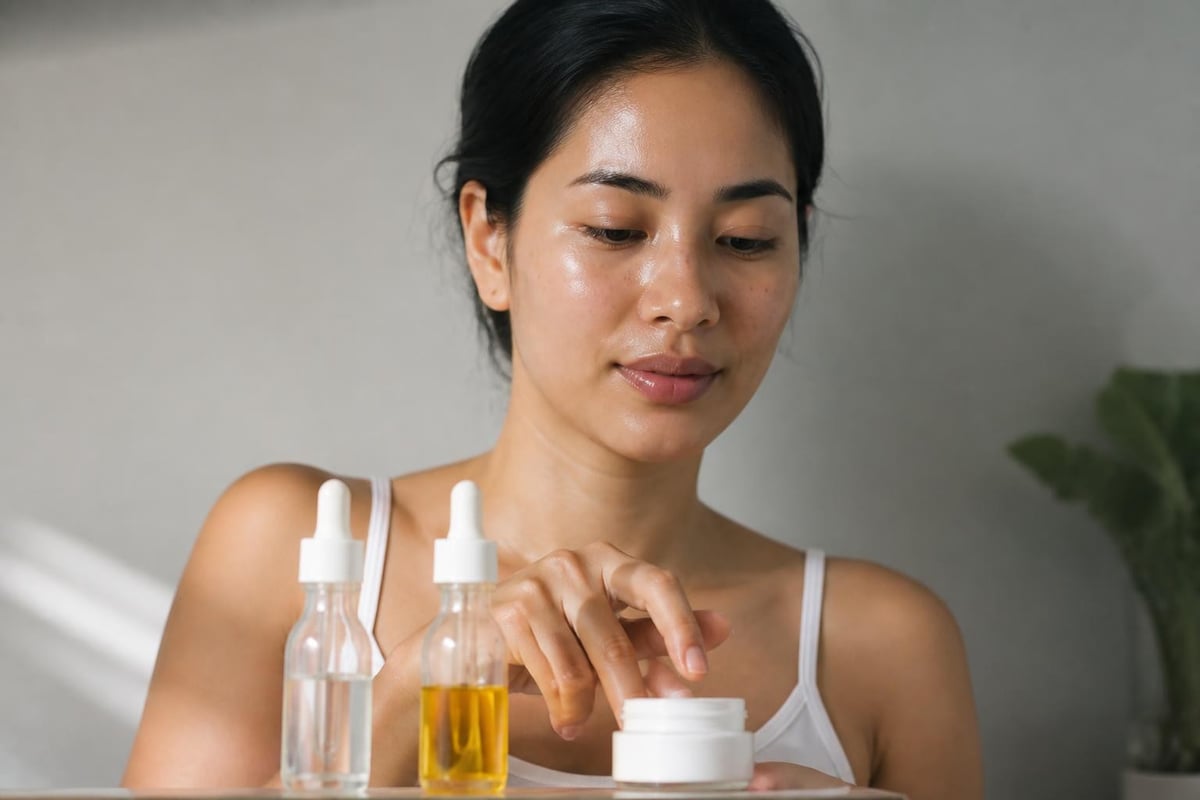
Facial skin requires different consideration than body skin due to increased sensitivity and exposure to environmental factors. The best facial oils for dry skin in 2026 feature specific fatty acid profiles optimized for delicate facial tissue.
Lightweight Options for Daytime Use
Morning routines benefit from faster-absorbing oils that won't interfere with makeup application. Squalane, derived from olives or sugarcane, provides exceptional hydration without heaviness.
Marula oil offers another excellent daytime choice, absorbing rapidly while delivering potent antioxidant protection against free radical damage from UV exposure and pollution.
Intensive Overnight Treatments
Nighttime presents the perfect opportunity for richer, more emollient skin oils for dry skin. Your body's repair mechanisms work most actively during sleep, making evening the ideal time for intensive moisture therapy.
Consider these overnight oil treatments:
- Avocado oil: Dense in omega-3 fatty acids for deep nourishment
- Sea buckthorn oil: Regenerative properties support barrier repair
- Baobab oil: High vitamin content promotes cellular renewal
- Tamanu oil: Anti-inflammatory benefits calm irritation
Mix one or two drops into your night cream, or apply a thin layer directly after your serum for maximum overnight hydration.
Body Oil Applications Beyond the Face
While facial care gets considerable attention, body skin deserves equal consideration, especially areas prone to extreme dryness like elbows, knees, and shins.
Full-Body Hydration Strategies
Editor-approved body oils transform rough, scaly skin into smooth, supple tissue when applied consistently. The key lies in application timing and technique.
Apply body oils immediately after showering while your skin remains damp. This locks in the moisture absorbed during bathing and creates a protective seal that lasts throughout the day.
| Application Time | Skin Condition | Recommended Amount |
|---|---|---|
| Post-Shower | Slightly Damp | 1-2 teaspoons |
| Before Bed | Dry | 2-3 teaspoons |
| After Swimming | Towel-Dried | 1 teaspoon |
Targeted Treatment for Problem Areas
Extremely dry patches on elbows, heels, and knees benefit from concentrated oil application. These areas have fewer sebaceous glands and thicker skin, requiring more intensive treatment.
Create a deeply penetrating treatment by warming coconut or sweet almond oil between your palms and massaging thoroughly into problem zones. Cover with cotton gloves or socks overnight for accelerated results.
Seasonal Adjustments to Your Oil Routine
Your skin's needs fluctuate throughout the year, requiring thoughtful adjustments to your oil selection and application frequency. Winter skincare tips emphasize increased oil usage during cold months when indoor heating depletes moisture levels.
Winter: Maximum Protection Mode
Cold, dry air combined with indoor heating creates a perfect storm for dehydrated skin. Increase both the richness and frequency of your oil applications during winter months.
Switch to heavier oils like avocado or evening primrose, and don't hesitate to apply multiple times daily. Your skin requires more support to maintain its protective barrier against harsh environmental conditions.
Summer: Lighter Touch Approach
Warmer weather and higher humidity levels mean your skin retains moisture more easily. Transition to lighter skin oils for dry skin such as grapeseed or apricot kernel oil during summer.
You might reduce application frequency or use oils primarily at night, allowing your skin's natural sebum production to provide daytime protection.

Combining Multiple Oils for Enhanced Results
Blending different oils creates customized solutions that address multiple skin concerns simultaneously. This approach, sometimes called oil cocktailing, allows you to leverage the unique benefits of various botanical extracts.
Creating Your Perfect Blend
Start with a base oil that suits your skin type, then add smaller amounts of specialized oils targeting specific concerns. For dry, mature skin, you might combine:
- 60% jojoba oil (base moisture and balance)
- 25% rosehip seed oil (regeneration and vitamin C)
- 15% frankincense oil (anti-aging and inflammation)
Experiment with ratios until you discover the combination that makes your skin feel its best. Store blends in dark glass bottles away from direct sunlight to preserve potency.
Single Oil Versus Multi-Oil Formulations
While blending offers customization, single oils provide simplicity and allow you to identify exactly which ingredients benefit your skin most. Dermatologist-backed recommendations often suggest starting with one oil and gradually introducing others.
This methodical approach helps you understand how your skin responds to different fatty acid profiles without overwhelming your moisture barrier with too many new ingredients simultaneously.
Common Mistakes That Reduce Oil Effectiveness
Even the highest-quality skin oils for dry skin won't deliver optimal results if applied incorrectly. Avoid these frequent errors that compromise your oil's performance.
Application errors to avoid:
- Using too much product, which prevents absorption
- Applying to completely dry skin instead of damp
- Expecting instant results instead of allowing 2-3 weeks
- Storing oils in warm, bright locations that degrade quality
- Skipping oils due to fear of breakouts (proper oils won't clog pores)
Quality and Sourcing Considerations
Not all oils are created equal. Cold-pressed, organic oils retain more beneficial compounds than heat-processed or chemically extracted versions. Invest in quality products from reputable suppliers who provide transparency about sourcing and processing methods.
Check expiration dates carefully, as oils oxidize over time and lose effectiveness. Most facial oils remain potent for 6-12 months after opening when stored properly in cool, dark conditions.
Addressing Special Skin Conditions with Oils
Certain skin conditions that cause dryness require specific oil selections and application methods. Eczema, psoriasis, and dermatitis all benefit from carefully chosen skin oils for dry skin that soothe inflammation while restoring moisture.
Oils for Sensitive, Reactive Skin
Calendula and chamomile-infused oils provide anti-inflammatory benefits alongside hydration. These gentle options calm redness and irritation while supporting barrier repair in compromised skin.
For those dealing with contact dermatitis or allergic reactions, patch test new oils on a small area before full application to ensure compatibility.
Managing Eczema-Prone Dryness
Sunflower seed oil shows particular promise for eczema management due to its high linoleic acid content. This essential fatty acid supports skin barrier function and reduces inflammation associated with eczema flares.
Apply sunflower or borage oil immediately after bathing while skin remains damp, then seal with a thin layer of protective balm over the most affected areas for enhanced relief.
Integrating Oils into Complete Skincare Systems
Skin oils for dry skin work best as part of a comprehensive routine that addresses hydration from multiple angles. Combine oil application with proper cleansing, exfoliation, and sun protection for complete skin health.
Building Your Routine Foundation
Start with a gentle, oil-based cleanser that removes impurities without stripping natural moisture. Follow with a hydrating toner or essence to prep skin for better oil absorption.
Skin essences add a watery hydration layer that enhances oil penetration when applied before your facial oil. This layering creates a moisture sandwich that keeps skin plump and comfortable throughout the day.
The Role of Exfoliation
Regular gentle exfoliation removes dead skin cells that block oil absorption. Use a mild enzyme or lactic acid treatment 1-2 times weekly to maintain smooth skin texture that readily accepts nourishing oils.
Avoid harsh scrubs that damage your moisture barrier and exacerbate dryness. After exfoliating, apply your oil treatment while skin remains slightly damp for maximum penetration and healing support.
Sustainable and Ethical Oil Selection
As awareness grows about environmental impact and ethical sourcing, choosing sustainable skin oils for dry skin becomes increasingly important. Many botanical oils support small farming communities while protecting endangered ecosystems.
Supporting Regenerative Agriculture
Look for oils certified organic, fair trade, or sourced through regenerative agriculture practices. These designations ensure farming methods that rebuild soil health and support biodiversity rather than depleting resources.
Baobab and marula oils from African women's cooperatives provide economic opportunities for communities while preserving traditional harvesting methods that maintain ecosystem balance. Exploring eco-friendly artisan skincare reveals how thoughtful product selection creates positive ripple effects beyond your bathroom cabinet.
Packaging and Waste Reduction
Choose oils packaged in recyclable glass bottles with minimal plastic components. Some brands offer refill programs that significantly reduce packaging waste while providing cost savings for regular users.
Consider purchasing larger quantities if you've found an oil that works perfectly for your skin. This reduces packaging waste per ounce while ensuring you never run out of your essential moisture treatment.
Measuring Success and Adjusting Your Approach
Track your skin's response to different oils by noting changes in texture, comfort, and appearance over several weeks. Dry skin improvements often appear gradually rather than overnight.
Progress indicators to monitor:
- Reduced flaking and scaling
- Improved skin texture and smoothness
- Decreased tightness after cleansing
- Enhanced radiance and healthy glow
- Fewer fine lines from dehydration
Take weekly photos in consistent lighting to observe subtle improvements you might miss during daily mirror checks. This documentation helps identify which skin oils for dry skin deliver the most dramatic results for your unique needs.
When to Switch or Supplement
If you notice minimal improvement after 3-4 weeks of consistent oil use, consider adjusting your approach. You might need a richer oil, increased application frequency, or additional support from moisturizers designed for extremely dry skin.
Sometimes the issue lies not with the oil itself but with underlying factors like dehydration, nutritional deficiencies, or medication side effects. Consult a dermatologist if persistent dryness doesn't respond to topical treatments.
Finding the perfect skin oils for dry skin transforms not just your complexion but your confidence and comfort in your own skin. By selecting high-quality botanical oils matched to your specific needs and applying them strategically as part of a complete routine, you can achieve the soft, supple, radiant skin you deserve. Sinusoothe Ltd specializes in natural skincare products formulated with carefully sourced oils and botanical extracts designed to nourish dry skin back to health. Discover how our thoughtfully crafted collection can support your journey to lasting hydration and skin wellness.