
Every parent wants their baby to feel comfortable and happy, but nappy rash can quickly turn peaceful days into challenging ones. This common skin condition affects nearly every baby at some point, causing redness, discomfort, and tears. The good news? Understanding the ways yo prevent nappy rash empowers you to protect your little one's delicate skin before problems start. With the right knowledge and natural skincare approach, you can keep your baby's bottom healthy, smooth, and irritation-free throughout those precious early years.
Understanding Why Nappy Rash Develops
Before we explore prevention strategies, let's understand what triggers this uncomfortable condition. Nappy rash occurs when a baby's sensitive skin becomes irritated by prolonged contact with moisture, friction, or irritating substances.
The primary culprits include:
- Prolonged wetness from urine or stool
- Friction between nappy materials and skin
- Chemical irritants in wipes, detergents, or fragranced products
- Yeast or bacterial infections that thrive in warm, moist environments
- Dietary changes that alter stool composition
- Antibiotic use that disrupts healthy skin bacteria
According to comprehensive NHS guidance on nappy rash, most cases are mild and respond quickly to simple care adjustments. Your baby's skin is thinner and more permeable than adult skin, making it particularly vulnerable during those first months and years.
The Foundation: Frequent Nappy Changes
The single most effective strategy among ways yo prevent nappy rash is changing your baby's nappy frequently. Simple? Yes. Boring? Maybe. Effective? Absolutely.
How Often Should You Change?
Newborns need changing approximately 8-12 times daily, while older babies typically require 6-8 changes. Don't wait until the nappy feels heavy.
Key timing guidelines:
- Immediately after bowel movements to prevent irritant contact
- Every 2-3 hours during the day regardless of wetness
- At least once during night for young babies
- Before and after sleep periods to maximize dry time
Think about it this way: would you want to sit in wet clothes for hours? Neither does your baby. Modern disposable nappies are incredibly absorbent, which sometimes creates a false sense of security. Just because the nappy doesn't feel soaked doesn't mean your baby's skin isn't sitting in moisture.
Mastering the Cleaning Routine
How you clean your baby's bottom matters just as much as how often. Harsh scrubbing or unsuitable products can strip natural oils and damage the skin barrier.
Gentle Cleaning Techniques
Water is your best friend. For many babies, especially newborns, plain warm water on soft cotton wool provides the gentlest clean. When you do use wipes, choose unscented, alcohol-free options with minimal ingredients.
The proper cleaning method:
- Wipe from front to back to prevent bacterial spread
- Pat dry gently rather than rubbing vigorously
- Allow air-dry time when possible before applying the new nappy
- Use separate materials for urine versus stool cleanup
Healthcare professionals emphasize that avoiding excessive wiping prevents micro-tears in delicate skin. If you're dealing with dried-on stool, hold a warm, damp cloth against the area for a few seconds to soften it before gentle wiping.
Creating an Effective Barrier
Among the most reliable ways yo prevent nappy rash is establishing a protective barrier between your baby's skin and moisture. This doesn't mean slathering on thick layers constantly, but rather strategic application of the right products.
Choosing Barrier Products Wisely
| Product Type | Best For | Application Frequency |
|---|---|---|
| Zinc oxide creams | Daily prevention | Every nappy change |
| Natural balms | Sensitive skin | As needed |
| Petroleum jelly | Overnight protection | Bedtime changes |
| Plant-based oils | Mild protection | Daily maintenance |
Natural ingredients work beautifully for barrier protection. Look for products containing calendula, chamomile, or coconut oil. These gentle formulations for sensitive skin provide protection without harsh chemicals that might further irritate delicate skin.
Application tips:
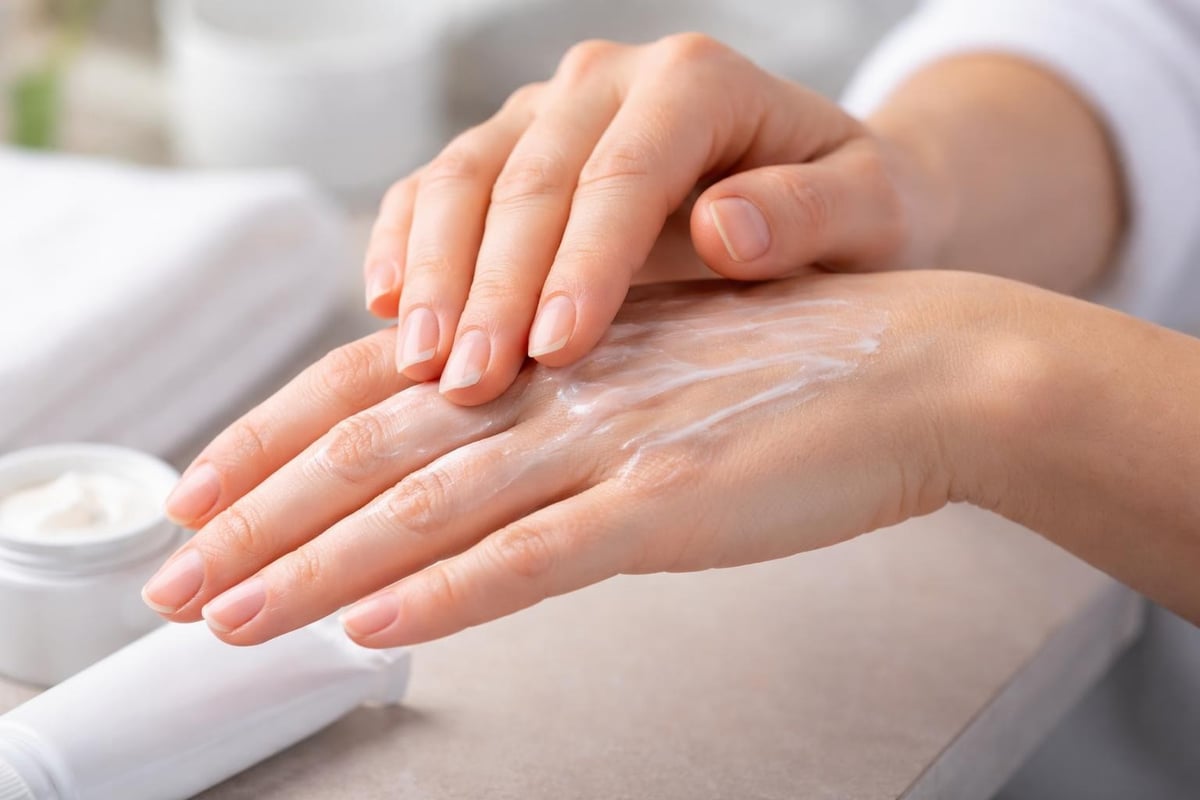
Apply barrier cream to completely dry skin in a thin, even layer. You're creating a waterproof shield, not frosting a cake. The product should disappear into the skin rather than sitting on top in thick globs.
The Power of Air Time
Here's one of the most enjoyable ways yo prevent nappy rash: let your baby go nappy-free regularly. Air exposure helps skin breathe, dry completely, and heal from minor irritation.
Making Air Time Work
Lay your baby on waterproof mats or towels during playtime. Even 10-15 minutes several times daily makes a significant difference. Warm summer months provide perfect opportunities for extended outdoor nappy-free time in private gardens.
Safety considerations:
- Keep the room comfortably warm (68-72°F)
- Stay nearby to manage accidents
- Choose times when baby isn't due for bowel movements
- Use washable protection underneath
Many parents find that incorporating air time into their daily routine becomes a cherished bonding opportunity. Your baby will likely enjoy the freedom of movement, and you'll appreciate watching their personality emerge during these relaxed moments.
Selecting the Right Nappy
Not all nappies are created equal when it comes to preventing rash. The guidance from nidirect highlights how nappy choice significantly impacts skin health.
Disposable vs. Cloth Considerations
Disposable nappies offer:
- Superior absorbency with moisture-wicking technology
- Convenience for busy parents
- Consistent sizing and fit
Cloth nappies provide:
- Chemical-free materials against skin
- Environmental benefits
- Cost savings long-term
Regardless of your choice, proper fit prevents friction and leaks. The nappy should be snug but not tight, with no red marks on thighs or waist.
When to Switch Brands
If your baby develops persistent rash despite good care practices, the nappy itself might be the culprit. Some babies react to fragrances, lotions, or specific materials in certain brands.
Try switching if you notice:
- Rash appears only where nappy touches skin
- Symptoms improve during nappy-free time
- Rash persists despite treatment
- New patterns or textures appear
Identifying Triggering Foods
As babies transition to solids, dietary changes can affect stool composition and frequency, making prevention strategies even more important among the ways yo prevent nappy rash.
Common trigger foods include:
- Citrus fruits and juices
- Tomatoes and tomato-based products
- Strawberries and other acidic fruits
- Spicy or heavily seasoned foods
Keep a simple food diary when introducing new items. If rash appears within 24-48 hours of a new food, consider that item a potential trigger and reintroduce it later when the digestive system matures.
Managing During Illness or Antibiotics
When your baby feels unwell or takes antibiotics, rash risk increases dramatically. Diarrhea means more frequent nappy changes and greater skin exposure to irritants. Antibiotics disrupt beneficial bacteria that help protect skin.
Enhanced Prevention Protocol
During these challenging times:
- Double your vigilance with nappy checking
- Apply barrier cream more generously
- Increase air-dry time between changes
- Consider products specifically formulated for babies with sensitive conditions
- Monitor for yeast infection signs (bright red rash with satellite spots)
Probiotics may help restore bacterial balance, though always consult your pediatrician before adding supplements to your baby's routine.
Washing Cloth Nappies Properly
For families using cloth nappies, washing technique directly impacts prevention effectiveness. Residual detergent, insufficient rinsing, or bacterial buildup can all trigger irritation.
Optimal washing routine:
| Step | Process | Purpose |
|---|---|---|
| Pre-rinse | Cold water, no detergent | Removes waste |
| Main wash | Hot water, minimal detergent | Sanitizes thoroughly |
| Extra rinse | Warm then cold | Eliminates residue |
| Drying | Sunlight when possible | Natural sanitizing |
Avoid fabric softeners entirely, as they coat fibers and reduce absorbency while potentially irritating skin. White vinegar in the rinse cycle helps neutralize odors and detergent residue naturally.
Recognizing When Professional Help Is Needed
While most prevention strategies work beautifully, some situations require medical attention. Professional resources like Bounty emphasize knowing when to consult healthcare providers.
Contact your doctor if rash:
- Persists beyond 3 days despite treatment
- Spreads beyond the nappy area
- Contains blisters, pus, or weeping sores
- Appears with fever
- Shows signs of infection (warmth, swelling)
- Causes obvious pain during nappy changes
Some rashes indicate yeast infections requiring antifungal treatment, while others might signal allergic reactions or more serious skin conditions. Trust your parental instincts when something seems wrong.
Building Your Prevention Toolkit
Successful prevention requires having the right supplies easily accessible. Stock your changing station thoughtfully to make each change efficient and effective.
Essential items:
- Fragrance-free, alcohol-free wipes or cotton wool
- Warm water in a spray bottle or bowl
- High-quality barrier cream with natural ingredients
- Soft, absorbent towels or muslin cloths
- Properly sized nappies with good fit
- Waterproof mats for air time
Organization matters too. Keep everything within arm's reach so you never leave baby unattended on the changing table while searching for supplies.
Preventing Friction and Chafing
Beyond moisture, friction causes significant irritation. The constant rubbing between nappy materials and skin creates micro-abrasions that allow irritants to penetrate deeper.
Minimizing Friction Points
Focus on these areas:
- Inner thighs where legs meet nappy edges
- Waistband contact points
- Areas around leg elastics
- Between buttocks where cheeks rub together
Ensure nappies fit properly without being too tight. You should fit two fingers comfortably under the waistband. Pay extra attention to creases and folds, ensuring barrier protection reaches these vulnerable spots.
For particularly sensitive babies, consider sizing up earlier than weight guidelines suggest. A slightly larger nappy with proper positioning often causes less friction than a technically correct size that fits tightly.
Seasonal Considerations in Prevention
Environmental factors influence which ways yo prevent nappy rash work best. Summer heat and winter dryness present different challenges requiring adapted strategies.
Summer adjustments:
- Increase air-dry time with outdoor opportunities
- Watch for heat rash in nappy area
- Change more frequently due to sweating
- Use lighter barrier products that won't trap heat
Winter modifications:
- Combat indoor heating dryness with gentle moisturizing
- Ensure thorough drying before nappy application
- Protect against cold air during nappy-free time
- Monitor for skin cracking from low humidity
Creating Consistency Across Caregivers
When multiple people care for your baby (partners, grandparents, childcare providers), consistent prevention practices become crucial. Mixed approaches create confusion and gaps in protection.
Share your protocol clearly:
- Document your changing routine in writing
- Demonstrate techniques in person
- Specify preferred products and brands
- Explain your baby's particular sensitivities
- Provide backup supplies at all care locations
Most caregivers appreciate clear guidance rather than being left to guess your preferences. When everyone follows the same gentle, thorough approach, your baby's skin stays healthier.
Understanding Product Ingredients
Reading labels becomes essential when choosing products for preventing nappy rash. Natural ingredients typically prove gentler and more effective than synthetic alternatives filled with unnecessary additives.
Ingredients to seek:
- Zinc oxide for barrier protection
- Calendula for soothing inflammation
- Chamomile for calming irritation
- Coconut oil for moisturizing
- Shea butter for protective coating
Ingredients to avoid:
- Synthetic fragrances
- Parabens and preservatives
- Alcohol-based compounds
- Harsh surfactants
- Unnecessary dyes
Many parents find success with natural skincare specifically designed for delicate baby skin conditions, which prioritize gentle, effective ingredients over harsh chemicals.
The Role of Hydration and Nutrition
Your baby's overall health significantly impacts skin resilience. Well-hydrated babies with balanced nutrition develop stronger skin barriers naturally resistant to irritation.
Supporting skin health from within:
- Ensure adequate breast milk or formula intake
- Introduce water appropriately as solids begin
- Focus on nutrient-dense first foods
- Monitor for food sensitivities
- Consider vitamin D supplementation as recommended
Healthy skin starts from the inside out. While topical prevention remains crucial, supporting your baby's overall wellness creates the foundation for naturally resilient skin.
Protecting your baby's delicate skin from nappy rash combines consistent care routines, quality products, and attentive monitoring. By implementing these ways yo prevent nappy rash, you're giving your little one the gift of comfort during those crucial early months and years. At Sinusoothe Ltd, we understand that parents want safe, effective, natural solutions for their babies' skincare needs. Explore our range of gentle, natural skincare products formulated specifically to support healthy baby skin without harsh chemicals or unnecessary additives.