

Living with rosacea means navigating a world where your skin can react to seemingly anything-from temperature changes to stress to that new moisturizer everyone raves about. If you've experienced the burning sensation, persistent redness, or visible blood vessels that characterize this chronic condition, you know how frustrating it can be to find products that genuinely help rather than aggravate. Understanding the relationship between rosacea and calming creams has become essential for the millions of people seeking relief in 2026, as more natural and scientifically-backed formulations emerge to address this sensitive skin concern.
What Makes Rosacea Different from Other Skin Conditions
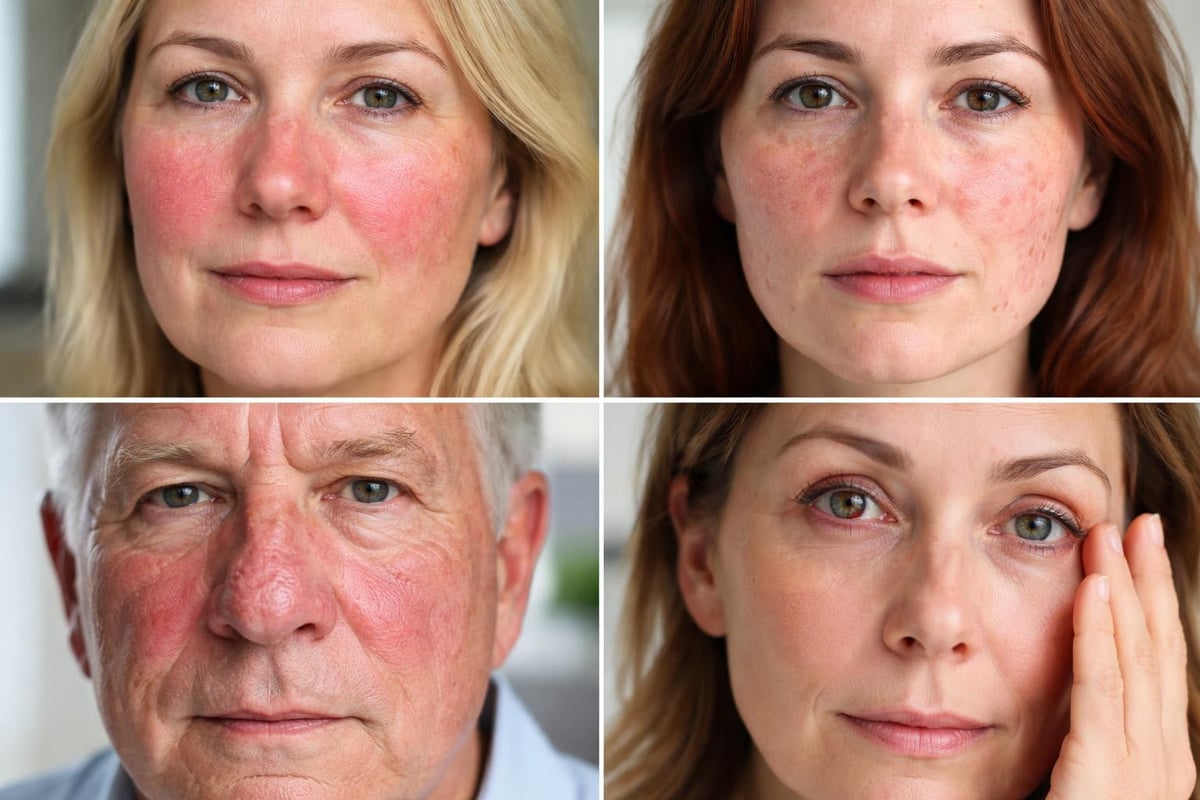
Rosacea isn't simply sensitive skin or occasional redness. It's a chronic inflammatory condition that affects approximately 16 million Americans, though many cases remain undiagnosed. The condition typically appears as persistent facial redness, primarily across the cheeks, nose, forehead, and chin.
The Four Subtypes You Should Know
Understanding which type of rosacea you have determines the most effective treatment approach:
- Erythematotelangiectatic rosacea features persistent facial redness and visible blood vessels
- Papulopustular rosacea includes redness plus acne-like breakouts and swelling
- Phymatous rosacea causes skin thickening and irregular surface texture
- Ocular rosacea affects the eyes, causing irritation, dryness, and swollen eyelids
Most people experience overlapping symptoms from multiple subtypes. Your skin barrier function becomes compromised with rosacea, making it hypersensitive to triggers that wouldn't affect normal skin. This damaged barrier allows moisture to escape while letting irritants penetrate more easily.
The National Rosacea Society maintains a comprehensive database of products tested for rosacea-prone skin, offering valuable guidance when selecting skincare.
How Calming Creams Address Rosacea Symptoms
The science behind rosacea and calming creams centers on restoring barrier function while reducing inflammation. Unlike typical moisturizers, these specialized formulations target the specific pathways that trigger rosacea flare-ups.
Calming creams work through multiple mechanisms. They strengthen the lipid barrier that protects your skin from environmental stressors. They deliver anti-inflammatory compounds that quiet overactive immune responses. They provide immediate comfort through cooling or soothing sensations that interrupt the itch-scratch cycle.
Key Ingredients That Actually Work
Not all calming ingredients deliver equal results for rosacea. Here's what dermatologists consistently recommend:
| Ingredient | Primary Benefit | How It Helps Rosacea |
|---|---|---|
| Niacinamide | Barrier repair | Reduces inflammation and strengthens skin barrier |
| Ceramides | Moisture retention | Rebuilds protective lipid layer |
| Azelaic acid | Anti-inflammatory | Decreases bumps and redness |
| Centella asiatica | Soothing | Calms irritation and promotes healing |
| Green tea extract | Antioxidant | Neutralizes inflammatory triggers |
| Colloidal oatmeal | Barrier protection | Creates protective film while soothing |
When searching for soothing cream for rosacea redness, prioritize products featuring multiple barrier-supportive ingredients rather than single-ingredient solutions.
Natural Approaches to Managing Rosacea
The shift toward natural skincare has opened new possibilities for rosacea sufferers who previously relied solely on prescription medications. Plant-based ingredients often provide anti-inflammatory benefits without the side effects associated with synthetic alternatives.
Natural calming agents include chamomile, which contains bisabolol and chamazulene-compounds that reduce redness and calm irritated skin. Licorice root extract offers anti-inflammatory properties through glycyrrhizin, which also helps fade post-inflammatory hyperpigmentation left by previous flare-ups.
Consider exploring options from companies like White Rabbit Skin Care, which specializes in natural formulations designed for sensitive skin types.
Building Your Natural Rosacea Routine
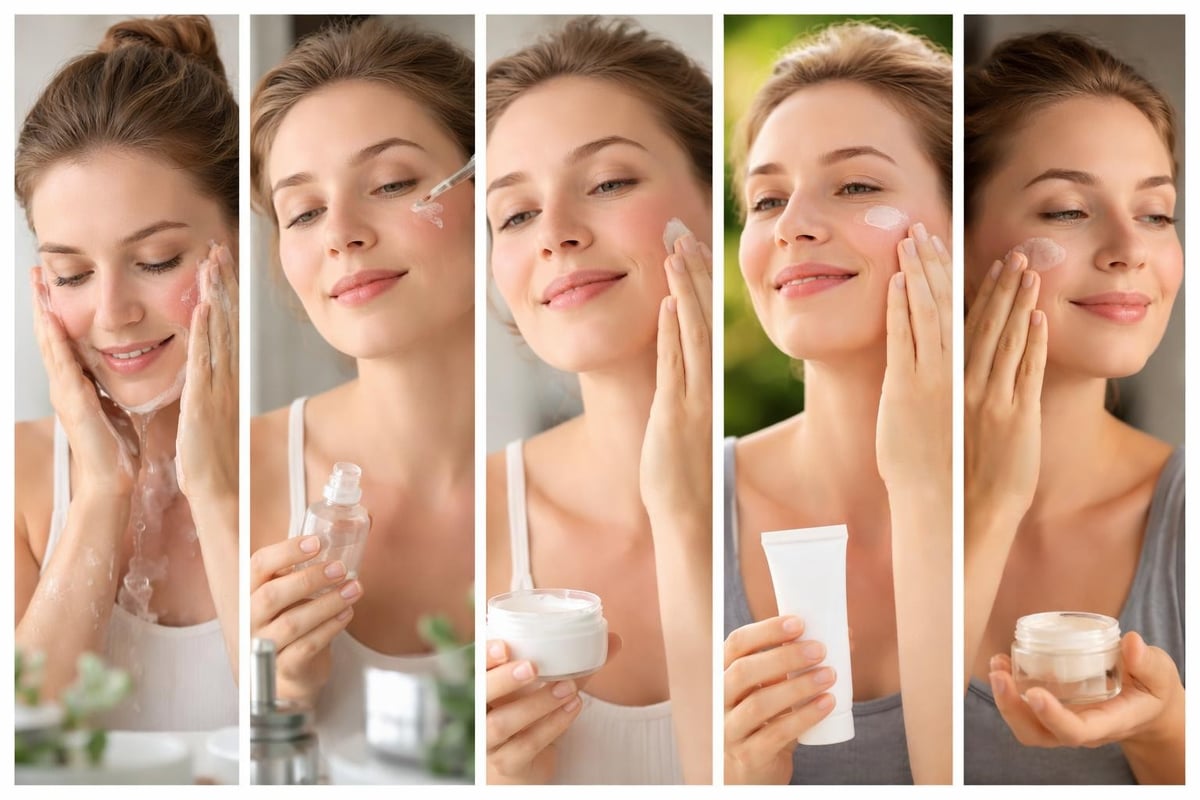
Start with minimal products and introduce new items slowly:
- Gentle cleanser – Use lukewarm water and fragrance-free formulas
- Calming serum – Apply lightweight, anti-inflammatory treatment
- Barrier-repair moisturizer – Lock in hydration with ceramide-rich creams
- Mineral sunscreen – Protect against UV triggers with zinc oxide or titanium dioxide
- Nighttime treatment – Apply richer, more concentrated calming cream before bed
The connection between natural creams for wrinkles and rosacea management often overlaps, as many anti-aging concerns accompany the skin sensitivity issues that rosacea creates.
Identifying and Avoiding Your Triggers
Understanding rosacea and calming creams means nothing if you continually expose your skin to triggers that undermine your treatment efforts. Everyone's triggers differ, but common culprits include hot beverages, spicy foods, alcohol, extreme temperatures, and stress.
Common Skincare Ingredients to Avoid
Certain ingredients consistently worsen rosacea symptoms:
- Alcohol (especially denatured alcohol and SD alcohol)
- Fragrance (synthetic and natural essential oils)
- Witch hazel (due to alcohol content in most formulations)
- Menthol and peppermint (create burning sensation)
- Physical exfoliants (scrubs cause micro-tears)
- High-concentration retinoids (too irritating initially)
Reading labels becomes crucial. Many products marketed as "natural" contain essential oils that trigger inflammation in rosacea-prone skin. According to Dermstore’s rosacea ingredient guide, focusing on barrier-supportive ingredients yields better results than chasing trendy botanicals.
Professional-Grade vs. Over-the-Counter Options
The market for rosacea and calming creams spans drugstore options to professional-grade formulations. Understanding the differences helps you invest wisely in your skin health.
Professional-grade products typically feature:
- Higher concentrations of active ingredients
- More stable, effective delivery systems
- Fewer fillers and potential irritants
- Clinical testing on sensitive skin
- Pharmaceutical-grade quality control
Over-the-counter products offer:
- Greater accessibility and affordability
- Immediate availability without prescriptions
- Wider variety of formulation types
- Lower risk if you're testing sensitivity
For those managing both rosacea and hormonal skin changes, exploring solutions like natural cream for menopausal dry skin can address overlapping concerns with gentle formulations.
Application Techniques That Maximize Results
Even the best calming cream fails if applied incorrectly. Rosacea-prone skin requires gentle handling throughout your entire routine.
The Gentle Touch Method
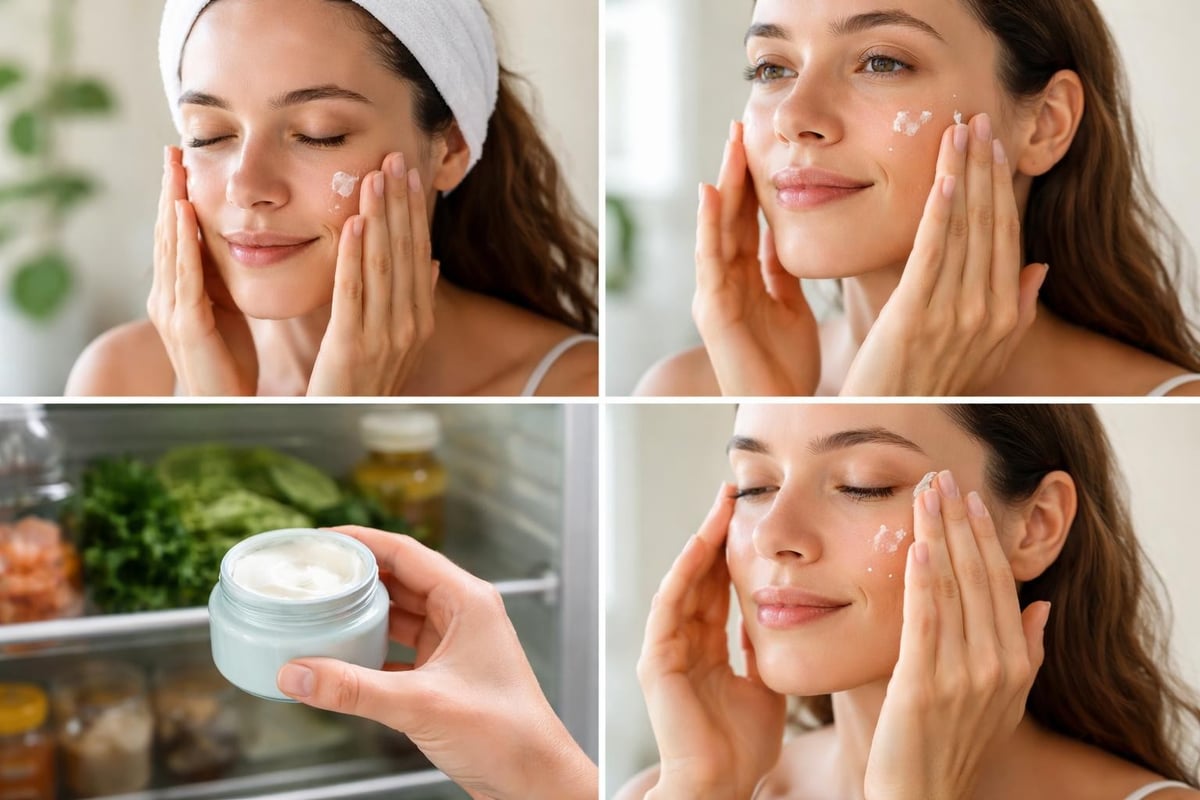
Apply products using these techniques:
- Pat, don't rub – Press cream into skin with fingertips
- Work in sections – Apply to one area at a time
- Use minimal pressure – Let products absorb naturally
- Wait between layers – Allow each product to settle before adding the next
- Apply to damp skin – Lock in moisture when skin is slightly moist
Temperature matters too. Cold creams provide immediate relief from burning sensations. Store a small jar of your calming cream in the refrigerator for particularly inflamed days. The cooling effect constricts blood vessels temporarily while the active ingredients get to work.
When researching products, resources like Vogue’s dermatologist-recommended moisturizers for rosacea offer expert-vetted options that have proven track records.
Layering Products for Maximum Benefit
Understanding how to combine rosacea and calming creams with other skincare products prevents conflicts that could trigger flare-ups. The order and compatibility of your products matter significantly.
The Optimal Layering Sequence
Apply products from thinnest to thickest consistency:
| Step | Product Type | Wait Time |
|---|---|---|
| 1 | Water-based serum | 30-60 seconds |
| 2 | Treatment (azelaic acid, niacinamide) | 1-2 minutes |
| 3 | Calming cream or moisturizer | 1-2 minutes |
| 4 | Facial oil (if needed) | Immediate |
| 5 | Sunscreen (morning only) | 2-3 minutes |
Never mix active ingredients in your palm before applying. This concentrates them unpredictably and increases irritation risk. Allow each layer to absorb partially before adding the next. Your skin can only absorb so much at once-piling on products wastes them and potentially clogs pores.
Seasonal Adjustments for Year-Round Control
Your relationship with rosacea and calming creams shifts with the seasons. Winter's harsh winds and indoor heating create different challenges than summer's heat and humidity.
Winter modifications:
- Switch to richer, more occlusive calming creams
- Add a humidifier to your bedroom
- Protect face with scarves in cold wind (using soft, natural fabrics)
- Avoid hot showers that strip skin of natural oils
Summer adaptations:
- Choose lightweight, gel-based calming formulas
- Reapply mineral sunscreen every two hours outdoors
- Keep calming mist in your bag for quick relief
- Avoid peak sun hours between 10 AM and 4 PM
According to practical care tips from RootsGuard, adjusting your routine seasonally prevents the cumulative damage that makes rosacea progressively worse over time.
When to Upgrade Your Treatment Approach
Sometimes over-the-counter rosacea and calming creams aren't enough. Recognizing when to seek professional help prevents permanent changes like thickened skin or persistent blood vessels.
Schedule a dermatology appointment if you experience:
- Symptoms that don't improve after 3-4 weeks of consistent care
- Progressive worsening despite using appropriate products
- Eye involvement with burning, grittiness, or vision changes
- Severe papules or pustules that resemble acne
- Psychological distress affecting your quality of life
Dermatologists can prescribe stronger treatments including topical medications like metronidazole or ivermectin, oral antibiotics for inflammation control, or laser therapy to address visible blood vessels. These interventions work best when combined with appropriate calming skincare rather than replacing it entirely.
For comprehensive natural skincare guidance, explore resources available through mama-nature.co.uk that emphasize gentle, effective approaches to sensitive skin conditions.
The Role of Diet and Lifestyle
While topical treatments matter enormously, the connection between internal factors and rosacea continues to gain research support. Your calming cream works harder when you support your skin from the inside out.
Anti-Inflammatory Dietary Choices
Consider incorporating these rosacea-friendly foods:
- Omega-3 rich fish (salmon, mackerel, sardines)
- Colorful vegetables high in antioxidants
- Probiotic foods supporting gut health
- Green tea providing polyphenols
- Cucumbers and watermelon for hydration
Simultaneously reduce known dietary triggers such as spicy foods, hot beverages, alcohol, and histamine-rich foods like aged cheeses and cured meats. Everyone's triggers differ, so maintaining a food and symptom diary helps identify your personal patterns.
Stress management deserves equal attention. Chronic stress triggers cortisol release, which promotes inflammation throughout your body, including your skin. Practices like meditation, gentle yoga, or regular walks support both mental health and skin clarity.
Evaluating Product Claims and Marketing
The popularity of rosacea and calming creams has created a crowded marketplace where not all products deliver on their promises. Developing critical evaluation skills protects both your skin and your wallet.
Red flags to watch for:
- "Miracle cure" language (rosacea is manageable, not curable)
- Extensive ingredient lists with many potential irritants
- Lack of clinical testing or dermatologist consultation
- Pressure to buy immediately through artificial scarcity
- No clear ingredient disclosure or concentration information
Positive indicators:
- Specific ingredient percentages listed
- Clinical studies referenced
- Dermatologist formulation or endorsement
- Free sample availability
- Money-back guarantees
Resources like Vogue’s skincare practices for rosacea help you navigate marketing hype by focusing on ingredient efficacy rather than brand promises.
Long-Term Success with Rosacea Management
Effective management of rosacea and calming creams represents a marathon, not a sprint. The consistency of your approach matters more than any single product choice.
Successful long-term management involves several key principles. First, maintain your routine even when symptoms improve-rosacea requires ongoing management rather than reactive treatment. Second, document what works by taking regular photos under consistent lighting to track subtle changes your mirror might not reveal. Third, stay informed about new research and ingredients, as the field continues evolving rapidly.
Building a support system helps too. Connect with others managing rosacea through online communities or local support groups. Sharing experiences, product recommendations, and coping strategies reduces the isolation that chronic skin conditions can create.
Remember that perfect skin isn't the goal-comfortable, healthy skin is. Some redness may persist even with excellent management. Focus on reducing inflammation, preventing progression, and maintaining your skin's comfort rather than achieving an unrealistic ideal.
Managing rosacea successfully requires understanding how specialized calming creams work alongside lifestyle modifications to reduce inflammation and protect your sensitive skin barrier. By choosing formulations with proven ingredients, avoiding common triggers, and maintaining consistent gentle care, you can significantly improve your skin's comfort and appearance. If you're ready to explore natural, effective solutions for rosacea-prone skin, discover how Sinusoothe Ltd combines scientifically-backed ingredients with gentle botanical extracts to support your skin's healing journey.