
When you run your fingers across your baby's soft cheek and notice rough, flaky patches instead of smooth skin, it's natural to feel concerned. Dry skin is one of the most common issues parents face during their child's early months, affecting countless infants worldwide. The good news? Nature provides powerful solutions, with calendula standing out as a time-tested botanical remedy that has soothed delicate skin for generations. Understanding the relationship between dry baby skin and calendula can transform your approach to infant skincare, offering gentle relief without harsh chemicals or synthetic ingredients.
Why Baby Skin Gets So Dry
Infant skin behaves differently than adult skin in several critical ways. Newborns enter the world after months submerged in amniotic fluid, and their skin needs time to adjust to air exposure. This transition period often causes natural peeling and dryness in newborns during the first few weeks of life.
Key factors contributing to dry baby skin include:
- Thinner skin layers that lose moisture more rapidly
- Underdeveloped oil glands that produce less natural sebum
- Environmental stressors like low humidity and cold weather
- Frequent bathing that strips away protective oils
- Sensitivity to certain fabrics, detergents, or skincare products
The barrier function of baby skin develops gradually throughout the first year. During this time, moisture escapes more easily while irritants penetrate more readily. This vulnerability means choosing the right skincare approach becomes absolutely essential for maintaining healthy skin balance.

Understanding Different Types of Baby Skin Dryness
Not all dry skin presents the same way. Some babies experience overall dryness, while others develop specific problem areas. Dry scalp conditions in babies differ from facial dryness, and recognizing these distinctions helps you target treatment effectively.
Facial dryness often appears as flaky patches on the cheeks, forehead, or around the mouth. These areas receive more exposure to drool, food particles, and environmental elements. Meanwhile, scalp dryness might manifest as white flakes or crusty patches, sometimes confused with cradle cap but requiring different care approaches.
Body dryness typically affects areas with less natural oil production, including arms, legs, and the torso. Winter months particularly challenge baby skin as indoor heating reduces humidity levels dramatically.
The Science Behind Calendula's Healing Powers
Calendula officinalis, commonly known as pot marigold, has earned its reputation through centuries of traditional use and modern scientific validation. This vibrant orange flower contains compounds that make it exceptionally suitable for addressing dry baby skin and calendula has become a cornerstone ingredient in natural infant skincare.
| Calendula Component | Skin Benefit | How It Works |
|---|---|---|
| Flavonoids | Anti-inflammatory | Reduces redness and irritation |
| Triterpene Saponins | Skin healing | Accelerates tissue repair |
| Carotenoids | Antioxidant protection | Shields from environmental damage |
| Essential Oils | Antimicrobial | Prevents secondary infections |
The flower's gentle yet effective properties make it particularly valuable for vulnerable infant skin. Unlike many botanical extracts that might prove too strong for babies, calendula oil demonstrates remarkable gentleness while delivering therapeutic benefits.
How Calendula Works on Baby Skin
When applied topically, calendula penetrates the upper skin layers without causing irritation. Its anti-inflammatory compounds calm reactive skin, reducing the redness and discomfort associated with dryness. The healing properties support the skin's natural repair processes, helping damaged moisture barriers recover more quickly.
Research indicates calendula promotes collagen synthesis and increases blood flow to affected areas. These actions speed up healing while supporting long-term skin health. For parents seeking sensitive skin remedies, calendula offers a proven, gentle option backed by both tradition and science.
The antimicrobial properties provide an added advantage. When baby skin becomes very dry, it sometimes develops tiny cracks that create entry points for bacteria. Calendula's natural antimicrobial action helps maintain skin integrity without harsh antiseptics.
Identifying When Your Baby Needs Calendula Treatment
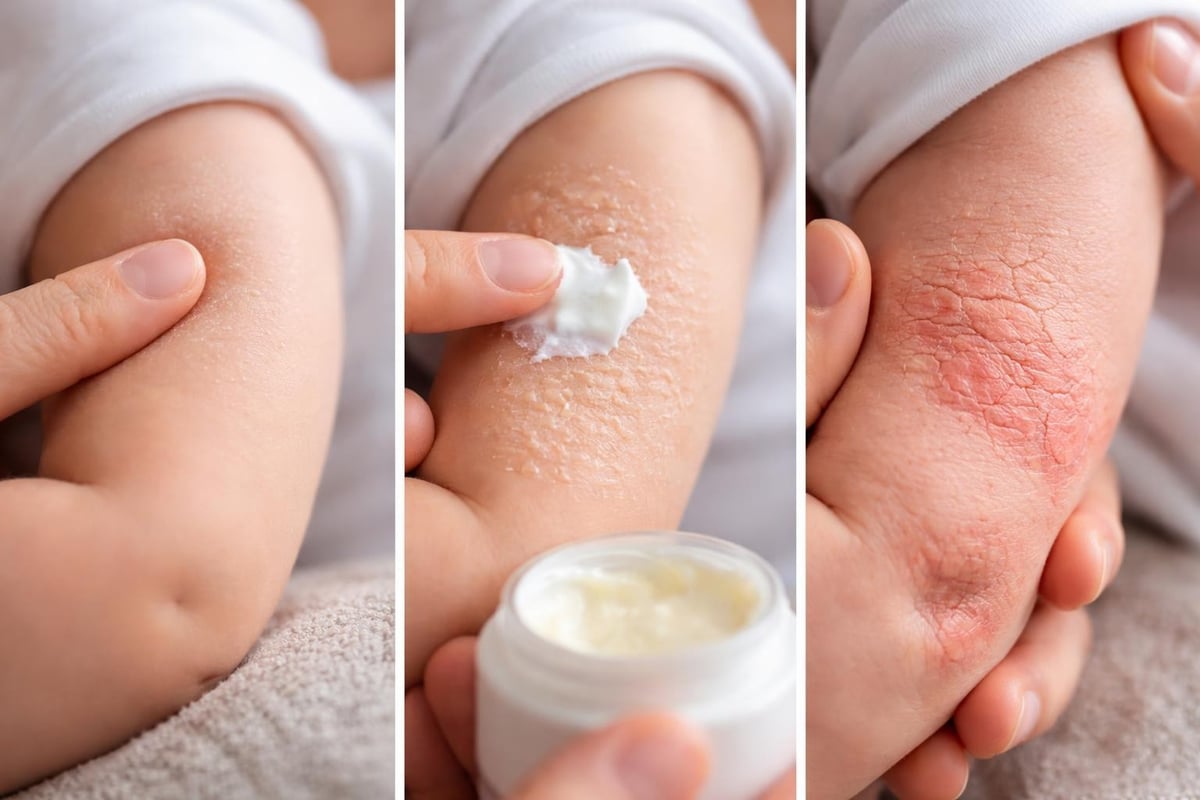
Recognizing dry baby skin and calendula's appropriate use means understanding severity levels. Mild dryness might appear as slight roughness or minimal flaking. This often responds well to simple moisturizing routines and environmental adjustments.
Moderate dryness indicators:
- Visible flaking across multiple body areas
- Rough texture that doesn't improve with basic moisturizer
- Slight redness accompanying dry patches
- Baby showing signs of discomfort when patches are touched
Severe dryness requires closer attention. If you notice cracking, bleeding, oozing, or signs that your baby experiences pain from the dryness, consult your pediatrician before trying new treatments. While calendula is gentle, medical-grade dryness might indicate underlying conditions requiring professional diagnosis.
Best Application Methods for Different Areas
Face application requires extra gentleness since facial skin stays thinner and more reactive. Look for calendula formulations specifically designed for facial use, often combined with other gentle ingredients. Apply with clean fingertips using soft, circular motions after cleansing.
For body applications, calendula creams work beautifully after bath time when skin remains slightly damp. This locks in moisture more effectively than applying to completely dry skin. Pay special attention to commonly affected areas like elbows, knees, and the torso.
Scalp treatments benefit from calendula oil rather than cream. The oil penetrates more effectively through hair while delivering concentrated benefits directly to the skin. Gentle massage encourages absorption and promotes circulation.
Creating an Effective Calendula Skincare Routine
Consistency makes the difference between temporary relief and lasting improvement when addressing dry baby skin and calendula forms the foundation of this approach. Establishing a regular routine helps maintain skin health rather than constantly reacting to problems.
Morning routine essentials:
- Gentle cleansing with lukewarm water (skip soap most days)
- Pat skin dry with soft towel, leaving slightly damp
- Apply calendula-based moisturizer to dry-prone areas
- Allow product to absorb before dressing baby
Evening routines should incorporate similar steps, with bath time providing the perfect opportunity for deeper treatment. Keep baths short (5-10 minutes maximum) using warm rather than hot water. Hot water strips natural oils more aggressively, worsening dryness.
Complementary Natural Ingredients
While calendula shines independently, certain companion ingredients enhance its effectiveness. Chamomile offers additional soothing properties, particularly beneficial for reactive skin. Shea butter provides deep moisturization without heaviness, complementing calendula's healing action.
Oat extract brings calming, anti-itch benefits that pair beautifully with calendula's anti-inflammatory properties. Together, these ingredients create synergistic effects stronger than individual components. When exploring face cream for delicate skin, look for formulations combining these complementary botanicals.
Avoid products mixing calendula with synthetic fragrances, dyes, or harsh preservatives. These additives undermine calendula's gentle nature and may trigger sensitivity reactions.
Environmental Factors and Prevention Strategies
Preventing dry baby skin and calendula serving as rescue treatment works better than constantly battling severe dryness. Environmental control significantly impacts skin health, often preventing problems before they start.
| Environmental Factor | Impact on Baby Skin | Prevention Strategy |
|---|---|---|
| Low humidity | Accelerates moisture loss | Use humidifier in baby's room |
| Cold weather | Compromises skin barrier | Dress in protective layers |
| Overheating | Causes moisture evaporation | Maintain moderate room temperature |
| Harsh detergents | Triggers irritation | Choose fragrance-free, baby-safe products |
| Chlorinated water | Strips natural oils | Rinse with filtered water after swimming |
Indoor humidity levels should ideally stay between 40-50% year-round. Winter heating dramatically reduces humidity, sometimes dropping levels below 20%. Installing a humidifier in your baby's sleeping area makes a noticeable difference, often reducing the need for intensive moisturizing treatments.
Clothing and Fabric Considerations
What touches baby's skin matters tremendously. Natural, breathable fabrics like organic cotton allow skin to regulate temperature and moisture more effectively than synthetics. Synthetic materials trap heat and moisture, sometimes creating conditions that worsen dryness through irritation.
Wash baby clothes, bedding, and towels with gentle, fragrance-free detergents. Residual detergent chemicals remain in fabric fibers, transferring to skin with every touch. Double-rinsing laundry removes more chemical residue, reducing potential irritation.
Avoid fabric softeners entirely for baby items. These products coat fibers with chemicals that decrease absorbency while increasing irritation potential. Natural fabrics feel soft enough without additional treatment.

Bathing Techniques That Protect Baby Skin
Bath time represents both opportunity and risk for dry baby skin and calendula-based products can transform this daily ritual into therapeutic treatment. Frequency matters more than most parents realize. Newborns don't need daily baths, and over-bathing accelerates moisture loss.
Optimal bathing guidelines:
- Bathe newborns 2-3 times weekly unless visibly dirty
- Older babies (6+ months) can bathe more frequently as skin matures
- Keep water temperature around 98-100°F (body temperature)
- Limit bath duration to 5-10 minutes maximum
- Use minimal soap, focusing only on necessary areas
When you do use cleansers, choose pH-balanced, fragrance-free formulations designed specifically for infant skin. Adult soaps and body washes often contain harsh surfactants that strip protective oils too aggressively for developing baby skin.
Post-Bath Moisture Locking
The minutes immediately following bath time create the perfect moisturizing window. Baby skin remains slightly damp, making it exceptionally receptive to moisture-locking treatments. Pat your baby dry gently rather than rubbing vigorously, leaving skin barely damp.
Apply calendula-based moisturizer liberally within three minutes of exiting the bath. This timing traps water in skin cells, maximizing hydration benefits. Focus on traditionally dry areas first, then spread remaining product across the entire body.
Consider the benefits of natural ingredients for sensitive skin when selecting post-bath products, ensuring formulations support rather than challenge developing skin barriers.
When to Seek Professional Medical Advice
While addressing dry baby skin and calendula providing natural relief works wonderfully for most cases, certain situations require medical evaluation. Understanding these boundaries protects your baby's health and prevents minor issues from escalating.
Red flags requiring pediatric consultation:
- Dryness accompanied by fever or illness symptoms
- Skin showing signs of infection (oozing, yellow crusting, warmth)
- Severe cracking or bleeding
- Dryness spreading rapidly despite treatment
- Baby showing signs of pain or significant discomfort
- Dryness affecting large portions of body surface
Sometimes persistent dryness indicates conditions like eczema, psoriasis, or allergic reactions requiring specialized treatment. Early professional intervention prevents complications and provides peace of mind. Your pediatrician can perform proper diagnosis and recommend treatment protocols suitable for your baby's specific situation.
Certain medical conditions increase dry skin risk, including thyroid disorders, nutritional deficiencies, or metabolic conditions. While rare in infants, these possibilities warrant investigation when standard treatments fail to produce improvement.
Choosing Quality Calendula Products
Product quality varies tremendously across brands, making informed selection crucial when addressing dry baby skin and calendula serving as your chosen ingredient. Not all calendula products deliver equal benefits, and understanding quality markers helps you choose effectively.
Look for products listing calendula among the first few ingredients. Ingredient lists appear in descending order by concentration, so earlier placement indicates higher calendula content. Products listing calendula near the end likely contain minimal amounts added primarily for marketing purposes.
Quality indicators to seek:
- Organic certification ensuring pesticide-free cultivation
- Third-party testing verification for purity
- Clear identification of calendula species (Calendula officinalis)
- Extraction method disclosure (CO2 extraction preserves more beneficial compounds)
- Absence of synthetic fragrances, parabens, and harsh preservatives
Reading beyond marketing claims reveals true product value. Terms like "natural" lack regulatory definition and don't guarantee quality or safety. Instead, examine actual ingredient lists, company transparency, and third-party certifications.
Understanding Different Calendula Formats
Calendula appears in various product formats, each offering distinct advantages. Oils provide concentrated calendula benefits in lightweight form, perfect for massage and scalp treatment. They penetrate quickly without leaving heavy residue.
Creams and balms combine calendula with emollient bases, offering both healing properties and moisture barrier protection. These work beautifully for severely dry areas requiring intensive treatment. The thicker consistency provides longer-lasting protection against environmental moisture loss.
Lotions offer lighter consistency, absorbing quickly while delivering calendula benefits. They work well for daily maintenance rather than intensive treatment. Some parents prefer keeping multiple formats available, using each according to specific needs and situations.
Integrating Calendula Into Long-Term Skin Health
Building lasting skin health extends beyond treating immediate dryness. When you understand dry baby skin and calendula's role in comprehensive care, you create foundations supporting healthy skin development throughout childhood. This preventive approach reduces future problems while establishing positive skincare habits.
Regular calendula use during bath-and-bed routines creates consistency that benefits both skin and family bonding. The gentle massage involved in product application stimulates circulation, supports lymphatic drainage, and provides valuable skin-to-skin contact that nurtures emotional connection.
As babies mature into toddlers, their skin continues developing and adapting. Maintaining gentle, natural skincare practices learned during infancy supports healthy development. Understanding proper approaches to delicate skin care creates patterns benefiting your child's skin throughout their lifetime.
Seasonal Adjustments and Ongoing Monitoring
Skin needs fluctuate with seasons, growth spurts, and developmental changes. Winter typically demands more intensive moisturizing, while summer might require lighter applications. Staying attentive to your baby's changing needs allows you to adjust routines accordingly.
Monitor how your baby's skin responds to different products, environments, and routines. Each child's skin behaves uniquely, and what works perfectly for one baby might prove less effective for another. This personalized attention helps you refine approaches delivering optimal results for your specific child.
Keep notes about particularly effective products or techniques. Memory fades quickly amid busy parenting schedules, and documentation helps you remember successful strategies when facing similar challenges later. This becomes especially valuable if you have multiple children, allowing you to apply learned wisdom across your family.
Understanding the connection between dry baby skin and calendula empowers you to provide gentle, effective care that supports your baby's developing skin naturally. By combining calendula's proven healing properties with smart environmental controls and proper skincare techniques, you create comprehensive protection against dryness while nurturing healthy skin development. At Sinusoothe Ltd, we're committed to providing natural skincare solutions that honor your baby's delicate skin with the gentle power of botanicals like calendula, helping families navigate infant skincare with confidence and peace of mind.