
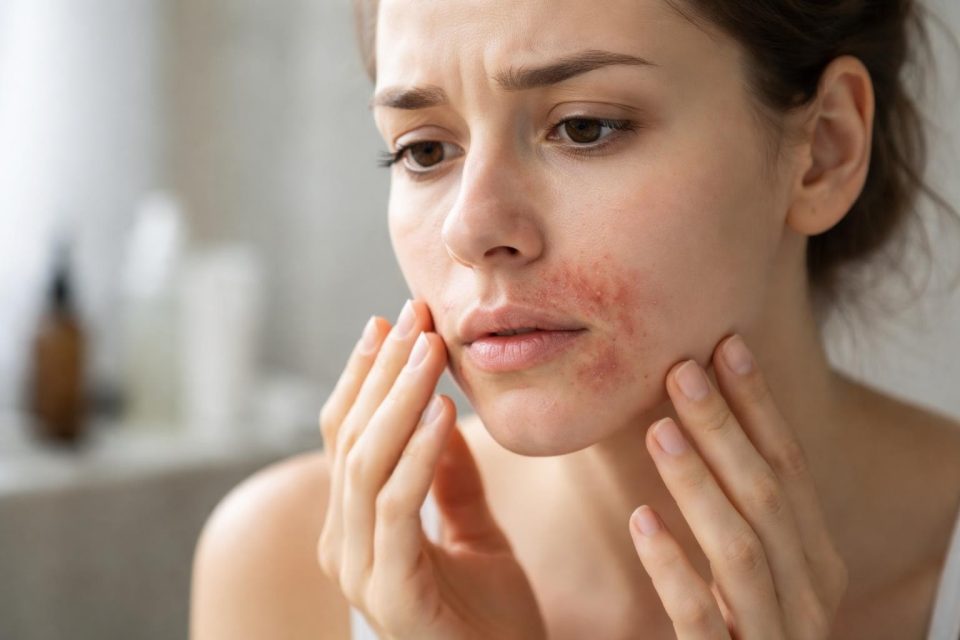
You've tried everything. You've switched toothpaste brands, stopped using lip balm, and maybe even thrown out half your skincare collection. Yet those annoying red bumps around your mouth persist, mocking your efforts with their stubborn presence. If you're dealing with perioral dermatitis, you're probably frustrated, confused, and desperately searching for answers. Here's the truth: the real reason why you have perioral dermatitis isn't just one thing. It's a perfect storm of factors that have conspired against your skin's delicate balance.
What Actually Happens When Perioral Dermatitis Strikes
Perioral dermatitis shows up as small, red, sometimes scaly bumps that cluster around your mouth, nose, and occasionally your eyes. It looks somewhat like acne but doesn't respond to acne treatments. In fact, many treatments that work for other skin conditions make this one worse.
The inflammation pattern is distinctive: tiny papules and pustules that create a rough texture, often with a clear zone right next to the lips. This characteristic ring of irritation has confused dermatologists for decades about its true origins.
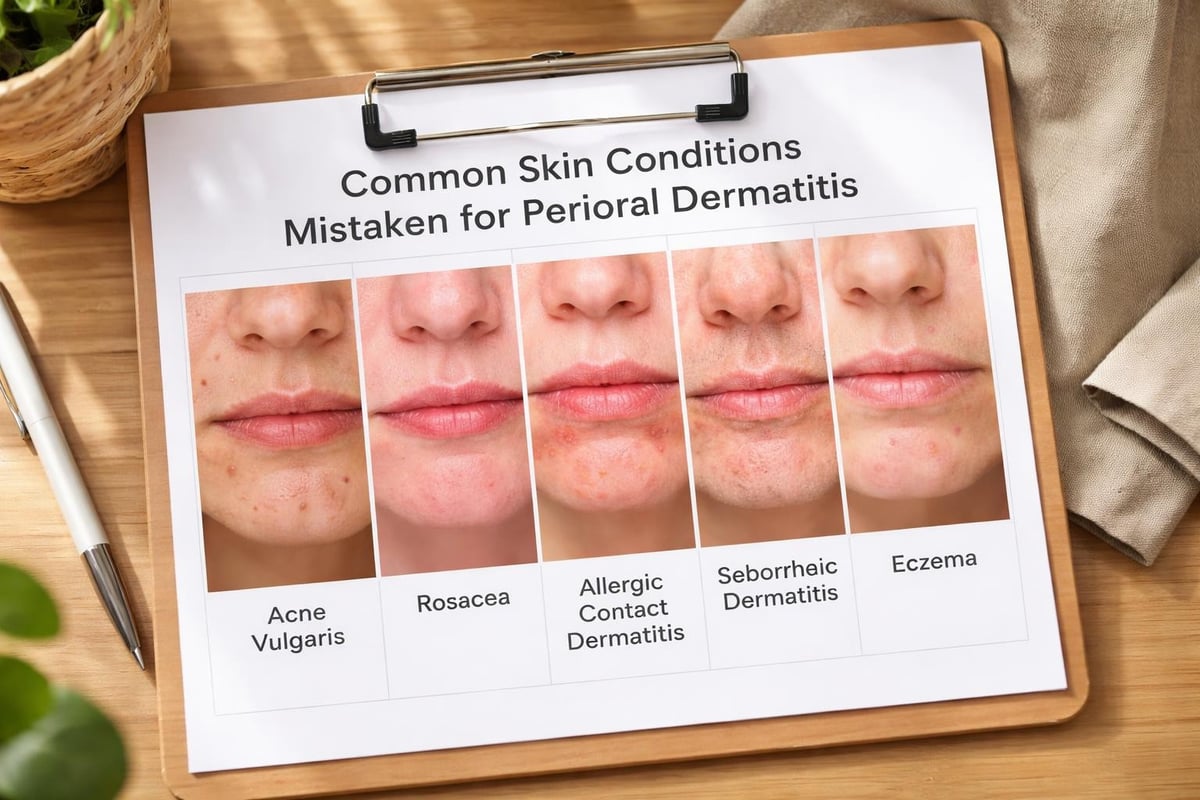
The Misdiagnosis Problem
Many people spend months thinking they have:
- Adult acne
- Rosacea
- Allergic reactions
- Eczema
- Contact dermatitis
This confusion delays proper treatment and allows the condition to worsen. According to the American Academy of Dermatology, perioral dermatitis requires specific management approaches that differ significantly from these other conditions.
The Steroid Trap: Your Biggest Enemy
Here's where things get interesting. The real reason why you have perioral dermatitis might be sitting in your medicine cabinet right now. Topical corticosteroids are the number one culprit in both causing and perpetuating this condition.
You probably started using that steroid cream for something else entirely. Maybe you had a rash, some eczema, or irritation. The cream worked beautifully at first, so you kept using it. Or perhaps you switched to a heavy moisturizer or foundation containing steroid-like compounds.
| Steroid Type | Common Names | Risk Level |
|---|---|---|
| High Potency | Clobetasol, Betamethasone | Highest Risk |
| Medium Potency | Triamcinolone, Mometasone | High Risk |
| Low Potency | Hydrocortisone 1% | Moderate Risk |
| Over-the-counter | Various hydrocortisone products | Lower but significant |
The mechanism is insidious. Steroids thin your skin, disrupt the barrier function, and create dependency. When you stop using them, your skin rebels with a vengeance, producing what dermatologists call "rebound inflammation." Harvard Health explains how this cycle becomes self-perpetuating.
Breaking Free From Steroid Dependency
The withdrawal period is brutal. Your skin will look worse before it gets better, sometimes significantly worse. This phase can last anywhere from a few weeks to several months.
What happens during withdrawal:
- Initial flare-up (days 1-7)
- Peak inflammation (weeks 2-4)
- Gradual improvement (weeks 4-12)
- Healing phase (months 3-6)
The Barrier Breakdown: Why Your Skin Can't Protect Itself
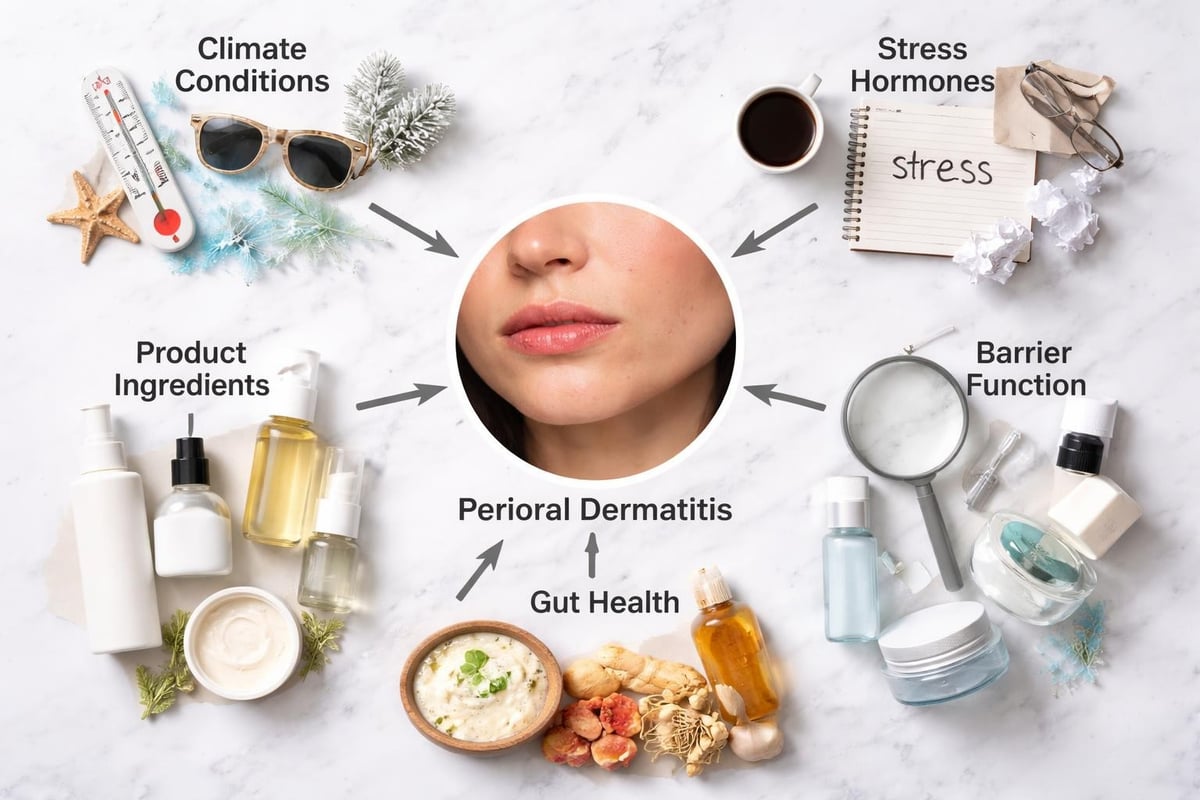
Beyond steroids, the real reason why you have perioral dermatitis often traces back to a compromised skin barrier. Think of your skin barrier as a brick wall, with skin cells as bricks and lipids as mortar. When this wall crumbles, irritants flood in, and moisture floods out.
What damages your barrier:
- Harsh cleansers with high pH
- Sulfates and aggressive surfactants
- Over-exfoliation
- Extreme weather conditions
- Hot water exposure
- Fragranced products
- Alcohol-based toners
The perioral area is particularly vulnerable because it experiences constant movement from talking, eating, and facial expressions. Add saliva exposure, food residue, and the products you apply to your lips, and you've created a hostile environment.
Many people seeking face cream for delicate skin don't realize that even "gentle" products can trigger reactions in compromised skin.
The Microbiome Connection Nobody Talks About
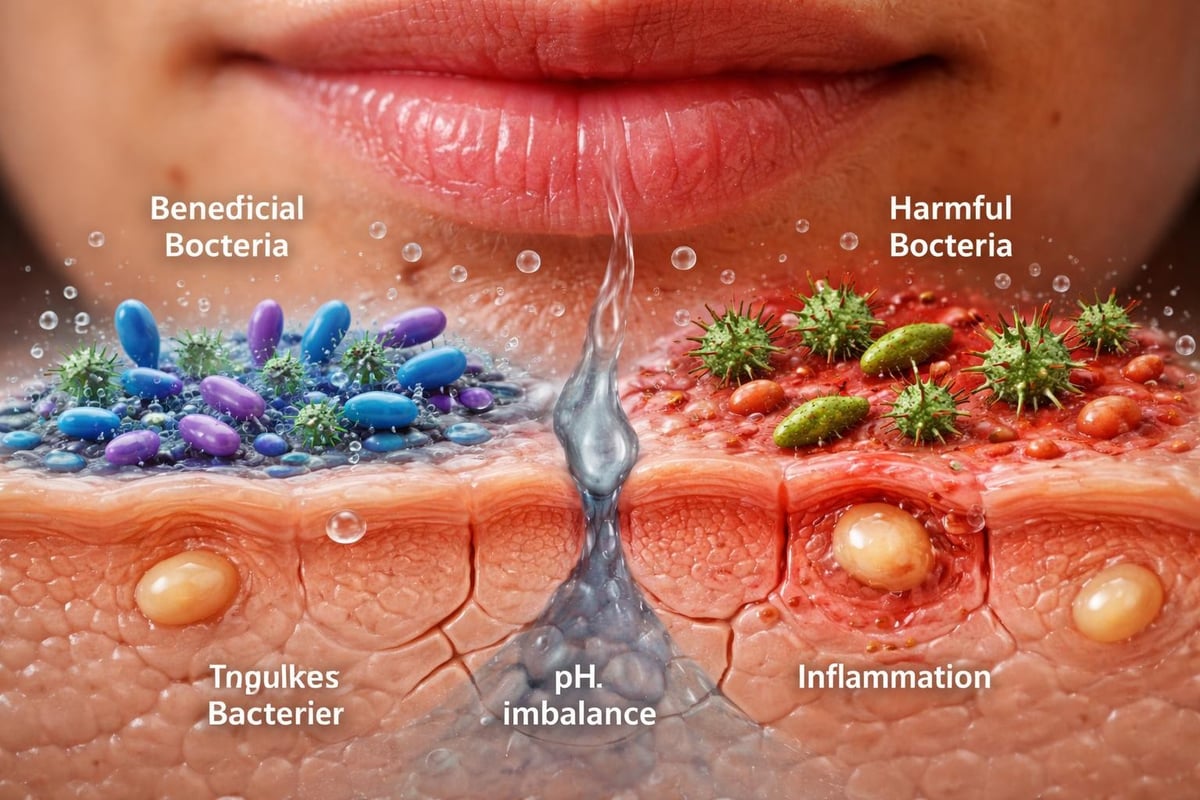
Your skin hosts trillions of microorganisms that maintain skin health. When this ecosystem falls out of balance, perioral dermatitis can emerge. Research documented by NCBI suggests environmental exposures significantly impact skin microbiome composition.
Bacterial Imbalance Triggers
The bacteria living around your mouth area differ from those on your cheeks or forehead. This region faces unique challenges:
- Saliva contains enzymes that alter pH
- Food particles introduce foreign bacteria
- Toothpaste residue creates alkaline conditions
- Lip products trap bacteria against skin
When beneficial bacteria decline and opportunistic species increase, inflammation follows. The real reason why you have perioral dermatitis might be that your skin's protective bacterial shield has collapsed.
Product Overload: When More Is Definitely Less
Walk into any skincare store and you'll find twenty products for every skin concern. The beauty industry has convinced us that complex routines equal better results. For perioral dermatitis sufferers, this couldn't be further from the truth.
Common irritants in "gentle" products:
- Sodium lauryl sulfate (SLS)
- Fragrances (synthetic and natural)
- Essential oils
- Preservatives (parabens, formaldehyde-releasers)
- Botanical extracts
- Cinnamon and mint compounds
- Fluoride in toothpaste
Your skincare routine might include a cleanser, toner, serum, moisturizer, SPF, and treatment products. That's potentially dozens of ingredients touching your already-irritated skin twice daily. Each product increases your exposure to potential triggers.
Finding appropriate sensitive skin remedies requires stripping back to basics rather than adding more products to the mix.
The Fluoride and Dental Product Factor
Here's something most dermatologists don't immediately consider: your oral hygiene routine. The real reason why you have perioral dermatitis might literally be in your toothpaste.
Fluoride, while beneficial for teeth, can irritate facial skin. Sodium lauryl sulfate, that foaming agent in most toothpastes, is a known irritant. When you brush, residue inevitably contacts the skin around your mouth.
| Dental Product | Common Irritants | Alternative Options |
|---|---|---|
| Toothpaste | Fluoride, SLS, mint | SLS-free, fluoride-free formulas |
| Mouthwash | Alcohol, menthol | Alcohol-free varieties |
| Whitening products | Peroxide, abrasives | Natural whitening methods |
| Lip balm | Fragrances, phenol | Plain petroleum jelly |
Switch to SLS-free toothpaste and be meticulous about rinsing. This simple change resolves perioral dermatitis for some people entirely.
Hormonal Fluctuations: The Hidden Trigger
Women develop perioral dermatitis far more frequently than men, suggesting hormonal involvement. The condition often worsens during:
- Menstrual cycles
- Pregnancy
- Perimenopause
- After starting or stopping birth control
Hormones influence sebum production, skin cell turnover, and inflammatory responses. When estrogen and progesterone fluctuate, your skin becomes more reactive to irritants it previously tolerated. Healthline’s comprehensive guide details how these hormonal changes manifest in skin conditions.
The Birth Control Connection
Oral contraceptives alter your body's entire hormonal landscape. Some women develop perioral dermatitis shortly after starting new birth control, while others experience flare-ups when discontinuing pills they've taken for years.
The real reason why you have perioral dermatitis might be that your hormones have shifted your skin's tolerance threshold, making previously harmless products suddenly problematic.
Environmental and Lifestyle Factors
Your surroundings and habits play supporting roles in this skin drama. Consider what's changed in your environment recently:
Environmental triggers:
- Climate changes (moving to humid or dry locations)
- Increased sun exposure
- Chlorinated pool water
- Air pollution
- Indoor heating or air conditioning
- Wind exposure
- Altitude changes
Lifestyle factors:
- Stress levels
- Sleep quality
- Diet changes
- Exercise intensity
- Face touching habits
- Phone pressed against skin
Stress deserves special mention. When you're stressed, cortisol levels rise, inflammation increases, and your skin barrier weakens. The gut-skin axis means digestive stress also manifests on your face.
The Diet Debate: Does Food Matter?
While research doesn't definitively link specific foods to perioral dermatitis, clinical observation suggests dietary factors influence severity for some people. The real reason why you have perioral dermatitis might include dietary sensitivities you haven't identified.
Potentially problematic foods:
- Spicy foods (direct contact irritation)
- Highly acidic foods (citrus, tomatoes)
- Dairy products (inflammatory for some)
- Gluten (in sensitive individuals)
- Sugar (promotes inflammation)
- Processed foods (lacking skin-supporting nutrients)
Food sensitivities create systemic inflammation that can manifest as skin problems. An elimination diet might reveal unexpected triggers, though this approach requires patience and careful tracking.
The Overlap With Other Conditions
Perioral dermatitis rarely exists in isolation. Many sufferers also have:
- Rosacea
- Seborrheic dermatitis
- General sensitive skin
- Allergic tendencies
- Autoimmune conditions
This overlap suggests underlying immune dysregulation rather than simple contact irritation. Your immune system has become hypersensitive, overreacting to stimuli that wouldn't bother normal skin. When choosing face serums for sensitive skin, understanding these connections becomes crucial.
Why Traditional Treatments Sometimes Fail
Conventional treatment typically involves oral antibiotics (tetracycline, doxycycline) or topical antibiotics (metronidazole, erythromycin). These work by reducing inflammation and controlling bacterial overgrowth, but they don't address root causes.
Why antibiotics aren't the complete answer:
- They don't fix barrier damage
- They don't remove ongoing triggers
- They can disrupt gut microbiome
- Symptoms often return after stopping
- Long-term use creates antibiotic resistance
The real reason why you have perioral dermatitis requires a multifaceted approach rather than a single prescription. WebMD’s overview emphasizes the importance of identifying and eliminating triggers alongside medical treatment.
Building Your Recovery Strategy
Healing perioral dermatitis demands a comprehensive strategy addressing multiple factors simultaneously. Start with the fundamentals and build slowly.
The Essential Steps
Week 1-2: The Purge
- Stop all topical steroids (with doctor guidance if prescription strength)
- Eliminate all skincare except gentle cleanser and basic moisturizer
- Switch to SLS-free, fluoride-free toothpaste
- Remove makeup, especially around the affected area
Week 3-6: The Rebuild
- Introduce barrier-repair ingredients (ceramides, niacinamide)
- Add gentle sun protection
- Monitor for triggers meticulously
- Consider dietary modifications
Month 2-6: The Maintenance
- Gradually reintroduce products one at a time
- Continue trigger avoidance
- Support skin barrier consistently
- Address stress and lifestyle factors
Natural approaches focusing on natural skincare products can support this healing process without introducing harsh chemicals that might trigger additional flare-ups.
Understanding Your Unique Triggers
The frustrating truth is that the real reason why you have perioral dermatitis is probably unique to you. While common patterns exist, your specific combination of triggers differs from everyone else's.
Create your trigger journal:
Track daily for at least four weeks, noting products used, foods eaten, stress levels, hormonal phase, weather conditions, and symptom severity. Patterns will emerge that reveal your personal trigger profile.
Some people clear up completely by eliminating fluoride. Others need to address hormonal imbalances. Still others find that stress management makes the decisive difference. Your detective work reveals which factors matter most for your skin.
The Patience Factor Nobody Mentions
Here's the hardest truth: healing perioral dermatitis takes time, often months. The real reason why you have perioral dermatitis developed over weeks or months, and reversal won't happen overnight.
Expect setbacks. Expect slow progress. Expect frustration. Your skin might look worse during the steroid withdrawal phase, which tests your resolve to continue. Most people abandon their plan during this difficult period, restarting the cycle.
Realistic timeline expectations:
- Initial improvement: 4-8 weeks
- Significant clearing: 3-6 months
- Complete resolution: 6-12 months
- Maintaining results: Ongoing commitment
The people who successfully clear their perioral dermatitis share one trait: persistence. They stick with their simplified routine even when progress seems invisible. They resist the temptation to try new miracle products. They trust the process.
Understanding the real reason why you have perioral dermatitis empowers you to make informed decisions about treatment and prevention. Rather than chasing quick fixes, focus on identifying your specific triggers, supporting your skin barrier, and allowing adequate healing time. Sinusoothe Ltd offers natural skincare products formulated without harsh ingredients that commonly trigger perioral dermatitis, helping you rebuild your skin's health without compromising its delicate balance. Your journey to clear, comfortable skin starts with understanding what your skin truly needs.