
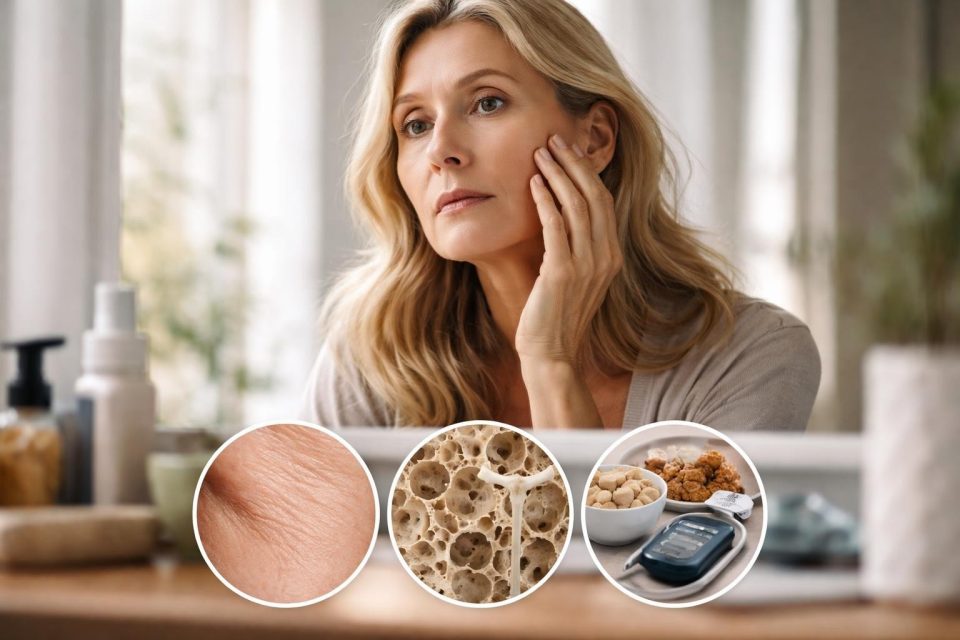
Menopause marks a profound shift in a woman's life, but the changes extend far beyond the cessation of menstrual cycles. Recent scientific research reveals something many women intuitively sense: the body seems to age faster during and after this transition. Understanding the mechanisms behind rapid ageing after menopause empowers women to take proactive steps in protecting their skin, health, and vitality during this transformative phase.
The Science Behind Accelerated Aging During Menopause
The biological reality of rapid ageing after menopause isn't just perception. Studies using epigenetic clocks demonstrate that menopause accelerates aging markers at the cellular level, affecting tissues throughout the body.
When estrogen production declines sharply during menopause, it triggers a cascade of physiological changes. Estrogen receptors exist throughout the body, not just in reproductive organs. These receptors influence skin thickness, collagen production, bone density, cardiovascular health, and metabolic function.
Research published in npj Aging reveals the metabolomic changes that correlate with biological aging markers in midlife women. The study found that years since menopause showed stronger associations with aging indicators than chronological age alone.
What Happens at the Cellular Level
The transition into menopause creates what scientists call a "step-like dysregulation" across bodily systems. Unlike the gradual aging process that occurs throughout life, menopause introduces an abrupt hormonal shift.
- Collagen degradation accelerates dramatically
- Cellular repair mechanisms slow down
- Oxidative stress increases throughout tissues
- Inflammatory markers rise significantly
- Metabolic efficiency decreases measurably
The Menopause Society highlights how ovarian aging impacts overall health, with shorter reproductive lifespan linked to increased risk of multiple age-related conditions.
Visible Signs of Rapid Ageing After Menopause
The skin often reveals the first visible evidence of hormonal changes. Women frequently notice dramatic shifts in skin texture, elasticity, and appearance within the first years following menopause.
Skin Changes You Might Notice
Collagen loss occurs at an alarming rate during the initial post-menopausal years. Studies show women lose approximately 30% of skin collagen in the first five years after menopause. This decline continues at a rate of about 2% per year thereafter.
The impact of estrogen deficiency on skin aging has been extensively documented in dermatological research. Without adequate estrogen, skin becomes thinner, drier, and less resilient.
| Skin Change | Timeline | Primary Cause |
|---|---|---|
| Increased dryness | 6-12 months | Reduced sebum production |
| Fine lines deepening | 1-2 years | Collagen breakdown |
| Loss of elasticity | 2-3 years | Elastin degradation |
| Thinning skin | 3-5 years | Reduced cell turnover |
| Age spot formation | Ongoing | Melanocyte changes |
Beyond the face, women often experience changes in skin texture across their entire body. The delicate skin around the neck, chest, and hands becomes particularly vulnerable to rapid ageing after menopause.
Beyond Skin Deep
While visible skin changes capture immediate attention, rapid ageing after menopause affects multiple organ systems simultaneously. This comprehensive aging process influences:
- Bone density decreases rapidly, increasing fracture risk
- Muscle mass declines, affecting strength and metabolism
- Cardiovascular health changes as estrogen's protective effects diminish
- Brain function may experience shifts in memory and cognition
- Joint health often deteriorates more quickly
The relationship between menopausal status and accelerated biological aging extends across multiple organ systems, making a holistic approach to health essential during this transition.
Hormonal Changes Driving the Aging Process
Estrogen performs hundreds of functions throughout the body. When production plummets during menopause, the effects ripple outward in unexpected ways.
The Estrogen-Skin Connection
Estrogen stimulates fibroblasts, the cells responsible for producing collagen and elastin. These structural proteins provide skin with firmness, elasticity, and youthful resilience. Without adequate estrogen signaling, fibroblast activity decreases dramatically.
Research on estrogen and aging shows how hormone levels change across a woman's lifetime and influence overall health outcomes. The sharpest decline occurs during the menopausal transition, creating the most noticeable changes.
Hyaluronic acid production also depends on estrogen. This molecule holds up to 1,000 times its weight in water, keeping skin plump and hydrated. As estrogen drops, hyaluronic acid levels fall, leading to increased dryness and the appearance of deeper wrinkles.
Natural skincare becomes increasingly important during this phase. Products containing face serums for sensitive skin can help supplement what the body no longer produces as efficiently.
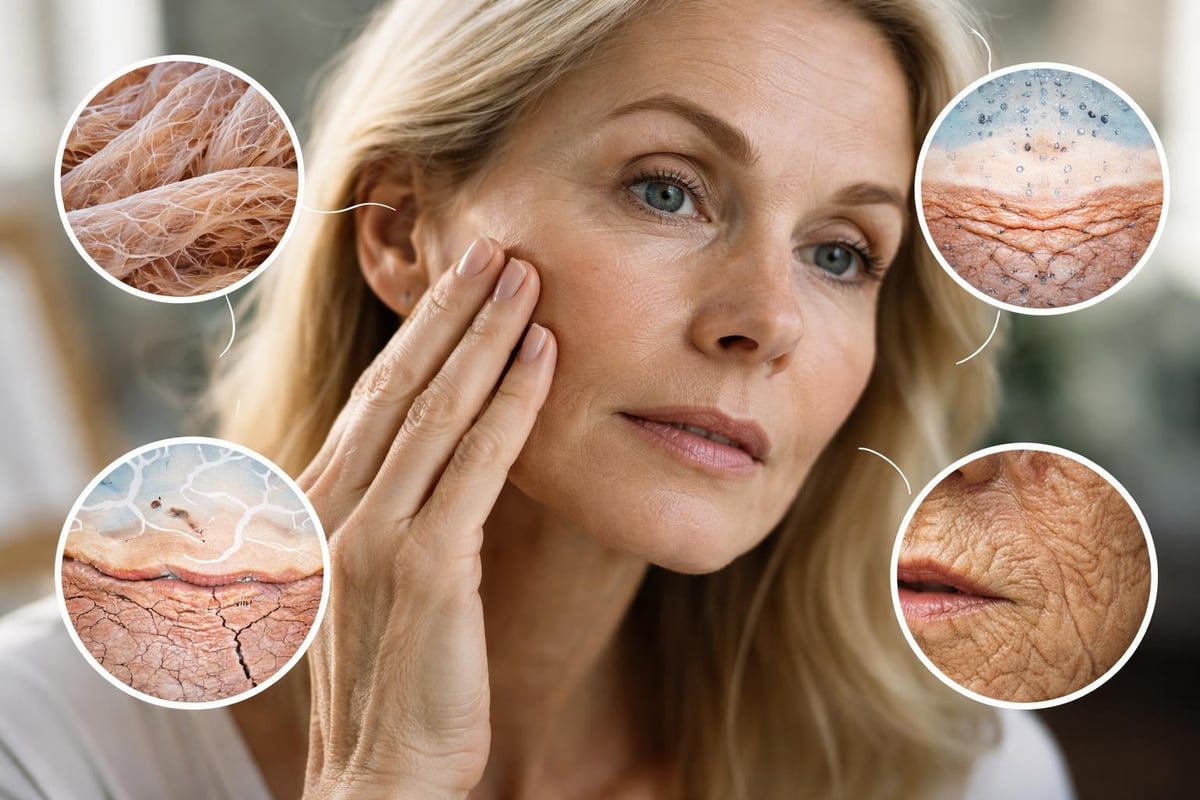
Natural Approaches to Slow Rapid Ageing After Menopause
While the hormonal changes of menopause are inevitable, their impact on aging isn't entirely predetermined. Evidence-based natural approaches can significantly influence how your body navigates this transition.
Skincare Strategies That Actually Work
The skin's needs change fundamentally during and after menopause. What worked in your thirties and forties may no longer provide adequate support. A strategic approach to skincare during this phase includes:
- Intense hydration through both topical products and increased water intake
- Barrier repair using ceramides and fatty acids
- Antioxidant protection to combat increased oxidative stress
- Gentle exfoliation to encourage cell turnover
- Targeted nourishment with ingredient-rich formulations
Products designed for sensitive skin cream for face applications become particularly relevant, as menopausal skin often becomes more reactive and sensitive.
The effects of menopause on skin require specific attention to moisturization, protection, and nourishment. Natural ingredients like plant-based oils, botanical extracts, and vitamins can support skin health without harsh chemicals.
Lifestyle Factors That Matter
Research consistently shows that lifestyle choices significantly influence the rate of rapid ageing after menopause. Your daily habits create either pro-aging or anti-aging conditions within your body.
Nutrition plays a crucial role. A diet rich in:
- Phytoestrogens from soy, flaxseed, and legumes
- Omega-3 fatty acids for inflammation control
- Antioxidant-rich fruits and vegetables
- Adequate protein to maintain muscle mass
- Collagen-supporting nutrients like vitamin C and zinc
Exercise becomes non-negotiable. Weight-bearing activities preserve bone density, while resistance training maintains muscle mass. Both help counteract the metabolic slowdown associated with menopause.
Sleep quality directly affects aging biomarkers. Poor sleep accelerates cellular aging and impairs the body's repair mechanisms. Prioritizing 7-9 hours of quality sleep supports healthier aging.
Stress management cannot be overlooked. Chronic stress elevates cortisol, which accelerates aging processes and exacerbates menopausal symptoms. Meditation, yoga, or other relaxation practices provide measurable benefits.
Understanding Your Unique Timeline
Not every woman experiences rapid ageing after menopause at the same rate or intensity. Several factors influence individual aging trajectories during this transition.
Factors That Influence Aging Speed
| Factor | Impact on Aging | What You Can Control |
|---|---|---|
| Genetics | 20-30% influence | Limited |
| Lifestyle choices | 40-50% influence | Significant |
| Environmental exposure | 15-20% influence | Moderate |
| Stress levels | 10-15% influence | Considerable |
| Healthcare access | Variable | Moderate |
Age at menopause onset matters significantly. Women who experience early menopause (before age 45) face longer exposure to low estrogen levels, potentially increasing aging-related challenges. Conversely, later menopause may offer some protective benefits.
Reproductive history influences outcomes. The connection between reproductive lifespan and multimorbidity suggests that ovarian aging impacts overall health trajectories.
When to Seek Professional Guidance
While rapid ageing after menopause represents a natural biological process, certain signs warrant professional evaluation. Consider consulting healthcare providers when you experience:
- Sudden, dramatic changes in skin condition
- Severe joint pain or mobility limitations
- Significant cognitive changes or memory concerns
- Cardiovascular symptoms like palpitations
- Mood changes affecting quality of life
Experts in menopausal aging can help distinguish normal aging from conditions requiring intervention. Personalized treatment plans may include hormone replacement therapy, prescription skincare, or other medical approaches.
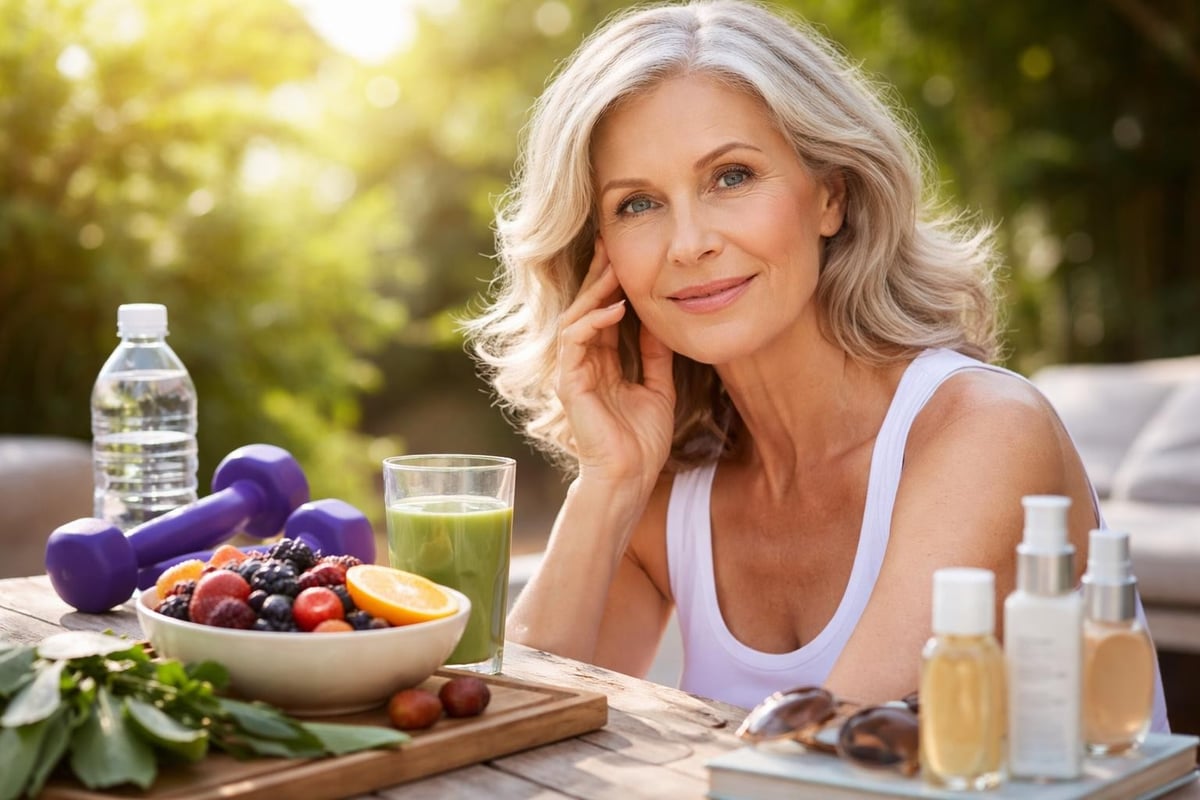
The Power of Proactive Care
The most empowering aspect of understanding rapid ageing after menopause lies in recognizing your agency. While you cannot prevent hormonal changes, you absolutely can influence their effects on your body and appearance.
Building Your Support System
A comprehensive approach to healthy aging during menopause includes multiple components working together synergistically:
Professional skincare tailored to your changing needs provides external support. Products formulated with natural ingredients offer nourishment without exposing skin to unnecessary chemicals during this sensitive period.
Medical support ensures you're monitoring important health markers. Regular check-ups can detect early signs of bone loss, cardiovascular changes, or other concerns requiring intervention.
Community connection reduces isolation and provides emotional support. Sharing experiences with other women navigating menopause creates valuable perspective and practical tips.
Self-education empowers informed decision-making. Understanding the science behind rapid ageing after menopause helps you evaluate recommendations critically and choose approaches aligned with your values.
Embracing Natural Solutions
Natural skincare products designed specifically for mature, menopausal skin address the unique challenges this life stage presents. Unlike harsh chemical formulations, natural ingredients work with your skin's biology rather than against it.
Plant-based oils rich in fatty acids help restore the skin barrier function that diminishes during menopause. Botanical extracts provide antioxidants to combat oxidative stress. Vitamins and minerals support cellular repair processes.
The shift toward face cream for delicate skin reflects growing awareness that menopausal skin requires gentler, more nourishing approaches. Harsh treatments often exacerbate problems rather than solving them.
Creating Your Personal Protocol
Every woman's experience with rapid ageing after menopause differs. Your skincare routine should reflect your individual needs, preferences, and responses. Consider these principles when building your protocol:
- Start with high-quality basics: cleanser, moisturizer, sun protection
- Add targeted treatments addressing your specific concerns
- Prioritize consistency over complexity
- Give products adequate time to show results (minimum 8-12 weeks)
- Adjust seasonally as environmental conditions change
Natural formulations from reputable sources provide the nourishment menopausal skin craves. Look for products featuring botanical oils, plant extracts, and skin-identical ingredients that support rather than disrupt your skin's natural processes.
Looking Forward With Confidence
Understanding rapid ageing after menopause transforms it from something that happens to you into something you navigate with awareness and intention. The knowledge that this acceleration is both real and manageable empowers proactive choices.
The first years following menopause present the most dramatic changes, but they also offer the greatest opportunity for intervention. Establishing healthy habits early in this transition creates foundations that support healthy aging for decades to come.
Your skin tells the story of your life, including this significant chapter. Treating it with respect, nourishment, and appropriate care honors both your past and your future. The goal isn't to fight aging or turn back time, but rather to age as healthfully and comfortably as possible.
Modern science continues revealing new insights into menopausal aging. Staying informed about emerging research helps you refine your approach as new evidence emerges. The combination of traditional wisdom and cutting-edge science offers the most comprehensive support.
The reality of rapid ageing after menopause doesn't have to feel overwhelming when you understand the mechanisms at work and know how to support your body through this transition. By combining lifestyle modifications, natural skincare solutions, and self-compassion, you can navigate menopause with confidence and grace. Sinusoothe Ltd offers carefully crafted natural skincare products designed to nourish and protect mature skin during menopause and beyond, helping you feel comfortable and confident in your skin at every stage of life.