
If you've noticed your skin behaving differently as you approach or navigate through menopause, you're not imagining things. The connection between menopause and wrinkles is real, scientifically documented, and affects nearly every woman during this life transition. But here's the empowering part: understanding what's happening beneath your skin's surface gives you the knowledge to fight back naturally. Your skin doesn't have to surrender to hormonal changes without a response. This comprehensive guide explores exactly how menopause transforms your skin, why wrinkles appear seemingly overnight, and what you can do about it using natural, effective solutions.
The Science Behind Menopause and Wrinkles
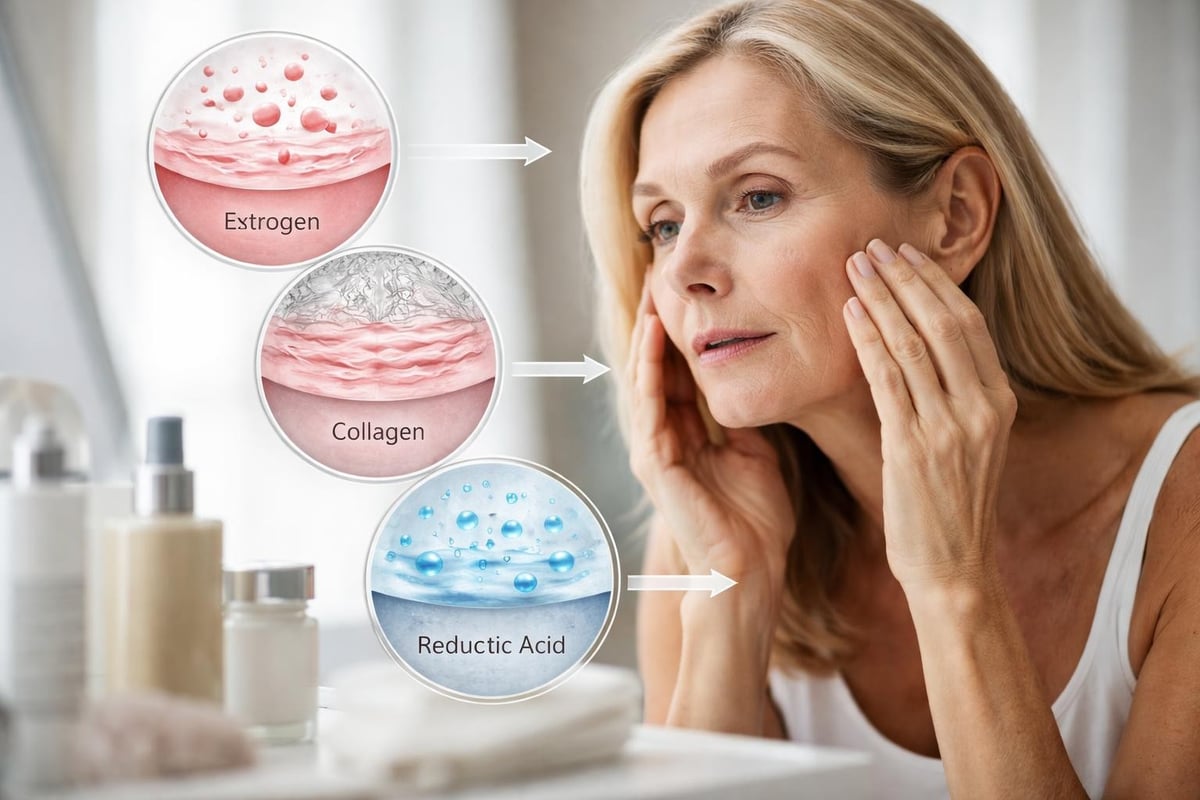
When estrogen levels begin their decline during perimenopause and menopause, your skin experiences dramatic structural changes. Estrogen acts like a construction manager for your skin, directing collagen production, maintaining moisture levels, and preserving elasticity. According to research on skin care during menopause, women can lose up to 30% of their skin's collagen in the first five years after menopause begins.
This isn't just about vanity. Your skin is literally transforming at the cellular level.
What Happens to Your Skin During Menopause
The hormonal shifts create a domino effect throughout your skin's layers:
- Collagen production drops dramatically (up to 2% per year after menopause)
- Elastin fibers break down faster than they're replaced
- Hyaluronic acid levels plummet, reducing moisture retention
- Skin thickness decreases by approximately 1.13% annually
- Oil production slows, leading to increased dryness
These changes don't happen in isolation. They work together to create the perfect storm for wrinkle formation. The physiological impact of menopause on skin shows us that decreased estrogen directly impacts every layer of your skin's protective barrier.
Types of Wrinkles That Emerge During Menopause
Not all wrinkles are created equal, and menopause and wrinkles have a particularly interesting relationship when it comes to the patterns that develop. Understanding which types you're dealing with helps you target your treatment approach effectively.
Dynamic vs. Static Wrinkles
| Wrinkle Type | Cause | Common Locations | Menopause Impact |
|---|---|---|---|
| Dynamic | Repeated muscle movements | Around eyes, forehead, mouth | Worsen as skin loses elasticity |
| Static | Collagen loss and gravity | Cheeks, jawline, neck | Appear and deepen rapidly |
| Sleep Lines | Facial compression during sleep | Side of face, chest | Become permanent faster |
| Elastotic | Sun damage accumulation | All exposed areas | Accelerate with hormonal changes |
The wrinkles that appear during menopause often become static more quickly because your skin can't bounce back like it used to. What once disappeared after you stopped smiling now remains etched across your face.
The Jawline and Neck Challenge
Many women notice that menopause creates distinct aging patterns around the lower face and neck. This happens because skin loses its support structure from within. Think of it like a tent losing its poles-the fabric (your skin) starts to sag when the framework (collagen and elastin) weakens. Natural approaches to sensitive skin care become even more crucial during this transition.
Natural Ingredients That Combat Menopausal Skin Changes
Your skincare routine needs to evolve as your skin transforms. The products that worked beautifully in your 30s might leave your menopausal skin feeling tight, dry, and irritated. Natural ingredients offer powerful alternatives without the harsh chemicals that can further compromise your changing skin barrier.
Plant-Based Powerhouses
Several botanicals have demonstrated remarkable effectiveness for addressing menopause and wrinkles:
Phytoestrogens found in soy, red clover, and flaxseed can partially mimic estrogen's beneficial effects on skin. These plant compounds bind to estrogen receptors and may help maintain some collagen production.
Bakuchiol serves as a natural retinol alternative, stimulating collagen without the irritation that menopausal skin often experiences with traditional retinoids. This ingredient has become increasingly popular in natural face creams specifically formulated for mature skin.
Rosehip seed oil delivers natural vitamin A and essential fatty acids that support skin regeneration and moisture retention.
Hydration Heroes for Menopausal Skin
- Hyaluronic acid (plant-derived) holds 1000 times its weight in water
- Glycerin draws moisture from the air into your skin
- Ceramides repair and strengthen the skin barrier
- Squalane (olive-derived) mimics skin's natural oils without clogging pores
- Aloe vera provides soothing hydration and anti-inflammatory benefits
The key is layering these ingredients properly. Start with the thinnest, water-based products and work your way to richer creams. Many women find success with face serums designed for sensitive skin that deliver concentrated active ingredients without overwhelming the skin.
The Peptide Revolution for Aging Skin
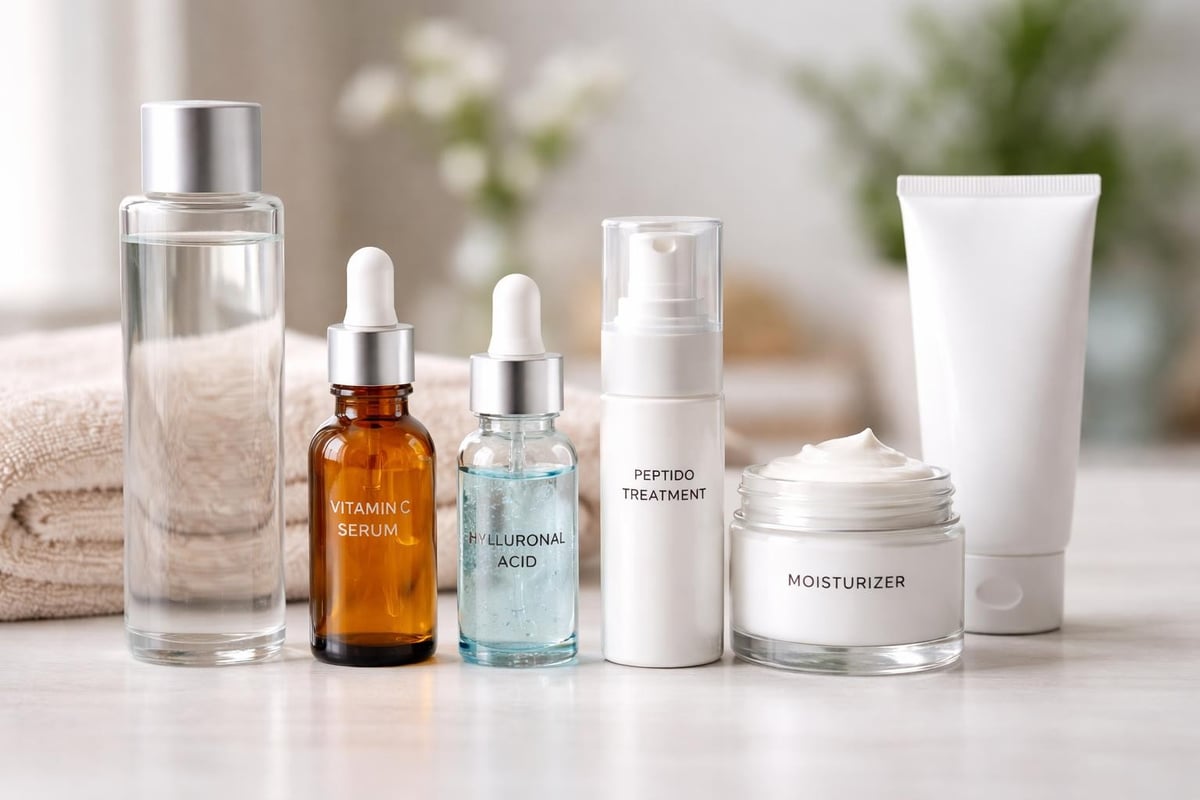
Peptides have emerged as one of the most effective natural solutions for addressing menopause and wrinkles. These short chains of amino acids act as messengers, telling your skin cells to produce more collagen, elastin, and other structural proteins. Think of them as text messages to your skin saying "Hey, we need more support here!"
How Peptides Work During Menopause
When estrogen declines, your skin's natural communication systems slow down. Peptides jumpstart these conversations again. Research from Pure Peptide shows that specific peptide sequences can stimulate fibroblasts (the cells that produce collagen) even when hormonal signals have diminished.
Different peptides serve different functions:
- Signal peptides tell cells to make more collagen
- Carrier peptides deliver essential minerals like copper to support healing
- Neurotransmitter peptides relax muscles to reduce dynamic wrinkles
- Enzyme-inhibitor peptides slow breakdown of existing collagen
For women experiencing skin aging during menopause, peptide-rich formulations offer a bridge between what your hormones used to do and what your skin needs now.
Lifestyle Factors That Accelerate or Prevent Menopausal Wrinkles
Your daily habits play a massive role in how menopause and wrinkles manifest on your face. Two women going through menopause at the same age can look dramatically different based on their lifestyle choices over the preceding decades.
Sun Protection Is Non-Negotiable
UV exposure accelerates every aspect of skin aging, but during menopause, your skin becomes even more vulnerable. Expert guidance on better skin after menopause emphasizes that daily broad-spectrum SPF 30+ is absolutely essential.
Here's why this matters more now:
- Menopausal skin has less natural protection against UV damage
- Collagen breakdown from sun exposure compounds hormonal collagen loss
- Age spots and hyperpigmentation worsen more easily
- Skin cancer risk increases with cumulative sun exposure
Nutrition and Hydration Strategy
| Nutrient | Benefit for Menopausal Skin | Food Sources |
|---|---|---|
| Omega-3 fatty acids | Reduces inflammation, supports skin barrier | Wild salmon, walnuts, flaxseed |
| Vitamin C | Essential for collagen synthesis | Citrus fruits, bell peppers, broccoli |
| Vitamin E | Protects against oxidative damage | Almonds, sunflower seeds, avocado |
| Zinc | Supports skin repair and renewal | Pumpkin seeds, chickpeas, oysters |
| Water | Maintains hydration from within | Plain water, herbal teas, water-rich foods |
Drinking adequate water becomes even more critical during menopause. Your skin's ability to retain moisture has decreased, so consistent hydration from within helps compensate. Aim for at least eight glasses daily, more if you're experiencing hot flashes that increase water loss.
Building Your Menopausal Skincare Routine
A strategic approach to skincare during this transition makes all the difference. Your routine should address the specific challenges menopause and wrinkles present while respecting your skin's new sensitivities.
Morning Routine Foundation
Start with gentle cleansing that doesn't strip your already-compromised moisture barrier. Many women switching to eco-friendly skincare options find that natural, oil-based cleansers work better than harsh foaming formulas.
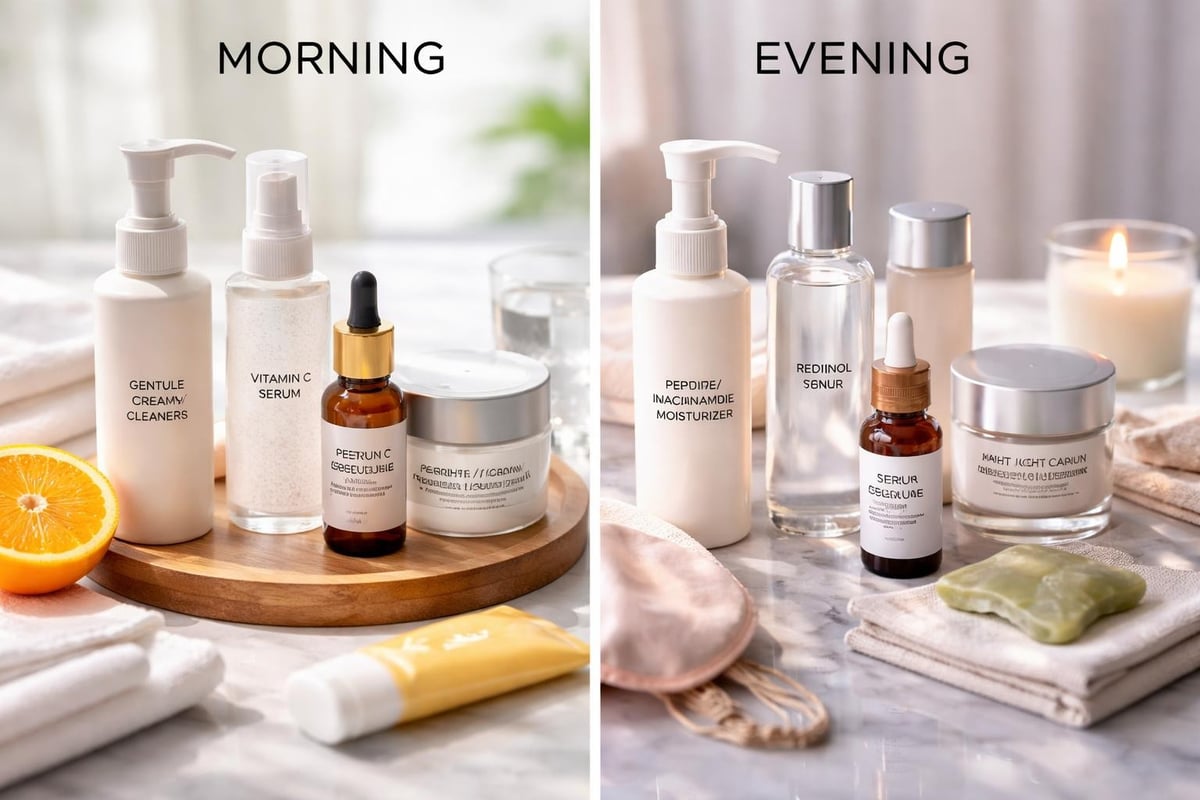
Your morning sequence should look like this:
- Gentle cleanser with hydrating ingredients
- Antioxidant serum (vitamin C works beautifully here)
- Peptide treatment to stimulate collagen production
- Eye cream with caffeine and hyaluronic acid
- Moisturizer with ceramides and plant oils
- Broad-spectrum sunscreen SPF 30 minimum
Evening Repair Protocol
Nighttime is when your skin does its heavy repair work. During menopause, supporting this natural regeneration process becomes crucial for managing wrinkles.
Double cleansing removes makeup, sunscreen, and pollutants completely. Start with an oil-based cleanser, follow with a gentle water-based one.
Treatment products work better at night when you're not fighting environmental stressors. This is when you layer your most active ingredients-retinol alternatives like bakuchiol, peptides, and hydrating serums.
Richer moisturizers seal everything in and provide overnight nourishment. Look for formulations with shea butter, evening primrose oil, or borage seed oil.
The Mind-Skin Connection During Menopause
Stress hormones like cortisol spike during menopause, creating another layer of complexity in the menopause and wrinkles relationship. When you're stressed, your body produces more cortisol, which breaks down collagen even faster. It's a vicious cycle that many women don't realize they're caught in.
Stress Reduction Strategies
Managing stress isn't just about feeling better mentally-it directly impacts your skin's appearance:
- Regular exercise increases circulation and delivers nutrients to skin cells
- Quality sleep (7-9 hours) allows optimal skin repair
- Meditation or yoga reduces cortisol levels
- Social connection supports overall wellbeing and hormonal balance
Interestingly, research linking early menopause and wrinkles to bone density suggests that visible skin changes might reflect deeper physiological processes. Taking care of your whole body supports your skin health too.
Professional Treatments That Complement Natural Care
While natural skincare forms your foundation, certain professional treatments can enhance your results when dealing with menopause and wrinkles. These options work alongside your daily routine rather than replacing it.
Non-Invasive Options to Consider
Microneedling creates controlled micro-injuries that trigger collagen production. When combined with peptide serums, this treatment can significantly improve skin texture and firmness.
LED light therapy uses specific wavelengths to stimulate cellular activity. Red light (around 660nm) penetrates deeply to encourage collagen synthesis without any downtime.
Chemical peels (gentle, natural acids) remove dead skin cells and promote renewal. Lactic acid and mandelic acid peels work particularly well for menopausal skin because they're gentler than glycolic acid.
Facial massage and gua sha aren't just relaxing-they improve lymphatic drainage, reduce puffiness, and can help tone facial muscles. Incorporating techniques from natural skincare practices enhances product absorption too.
Common Mistakes to Avoid
Even with the best intentions, many women sabotage their efforts to manage menopause and wrinkles through common skincare mistakes:
Over-exfoliating strips your already-vulnerable skin barrier. Limit physical exfoliation to once weekly and choose gentle chemical exfoliants instead.
Using too many actives at once overwhelms menopausal skin. Introduce new products one at a time, waiting two weeks between additions.
Neglecting the neck and chest shows your age faster than your face. Everything you put on your face should extend downward.
Skipping sunscreen on cloudy days is a critical error. UV rays penetrate clouds, and cumulative exposure adds up quickly.
Hot water feels wonderful but strips natural oils. Use lukewarm water for cleansing and limit hot showers.
Real Expectations and Timeframes
Let's be honest about what natural approaches to menopause and wrinkles can realistically achieve. You won't reverse decades of collagen loss overnight, but you can make significant improvements with consistency.
What to Expect and When
- 2-4 weeks: Improved hydration and skin texture
- 6-8 weeks: Reduced appearance of fine lines, better firmness
- 12-16 weeks: Noticeable improvement in skin tone and deeper wrinkles
- 6-12 months: Significant enhancement in overall skin quality and resilience
The key word here is consistency. Natural ingredients work with your skin's biology rather than forcing immediate changes. Understanding menopause skin changes helps set realistic expectations while appreciating the improvements you're making.
Your skin at 55 won't look like it did at 25, and that's perfectly okay. The goal is healthy, radiant skin that reflects how vibrant and capable you are right now.
The Holistic Approach to Menopausal Skin Health
Managing menopause and wrinkles successfully requires looking beyond just topical products. Your skin is your largest organ, and it reflects everything happening inside your body.
Internal Support Strategies
Hormone replacement therapy (HRT) can help some women maintain skin thickness and collagen levels. Discuss this option thoroughly with your healthcare provider to weigh benefits and risks.
Collagen supplements show promise in several studies. While your body breaks down dietary collagen into amino acids, these building blocks support your skin's own collagen production.
Gut health influences skin health more than most people realize. A balanced microbiome reduces inflammation throughout your body, including your skin.
Adequate protein intake provides the amino acids your body needs to build collagen. Aim for at least 0.8 grams per kilogram of body weight daily.
Seasonal Adjustments for Your Skincare
Your skin's needs shift with the seasons, and menopausal skin requires even more careful attention to these changes. Winter's harsh conditions and summer's intense UV exposure each demand specific adaptations.
Winter care focuses on barrier repair and intense hydration. Layer richer oils, add a humidifier to your bedroom, and protect your skin from cold wind exposure.
Summer strategies emphasize sun protection and lightweight hydration. Switch to gel-based moisturizers, reapply sunscreen every two hours, and add antioxidants to fight free radical damage from UV exposure.
Spring and fall transitions are perfect times to introduce new treatments or slightly stronger active ingredients as your skin isn't fighting extreme conditions.
Understanding the connection between menopause and wrinkles empowers you to take control of your skin's health during this transformative time. By combining natural ingredients, lifestyle adjustments, and consistent care, you can maintain radiant, healthy skin that reflects your inner vitality. At Sinusoothe Ltd, we specialize in natural skincare solutions specifically formulated to support your skin through menopause and beyond, using plant-based ingredients that work with your body's changing needs rather than against them.