

Vaginal thrush affects millions of women every year, causing uncomfortable symptoms like itching, burning, and unusual discharge. While medical treatments are readily available, many women prefer exploring gentler, more natural approaches first. The good news? Your kitchen and bathroom cabinets likely contain several ingredients that can help manage this common condition. Understanding which home remedies for vaginal thrush actually work can empower you to take control of your intimate health naturally.
Understanding What Triggers Vaginal Thrush
Before diving into remedies, it's essential to understand what you're dealing with. Vaginal thrush occurs when the Candida fungus, which naturally exists in your body, grows out of control. This imbalance typically happens when something disrupts your vaginal pH levels.
Common Causes You Should Know
Several factors can trigger an overgrowth of yeast:
- Antibiotic use that kills beneficial bacteria
- Hormonal changes during pregnancy or menstruation
- Weakened immune system from stress or illness
- High sugar diets that feed yeast growth
- Tight, synthetic clothing that traps moisture
Recognizing these triggers helps you prevent future episodes while treating current symptoms. Many women find that addressing lifestyle factors alongside home remedies for vaginal yeast infections provides the most comprehensive relief.
Probiotic-Rich Foods and Supplements
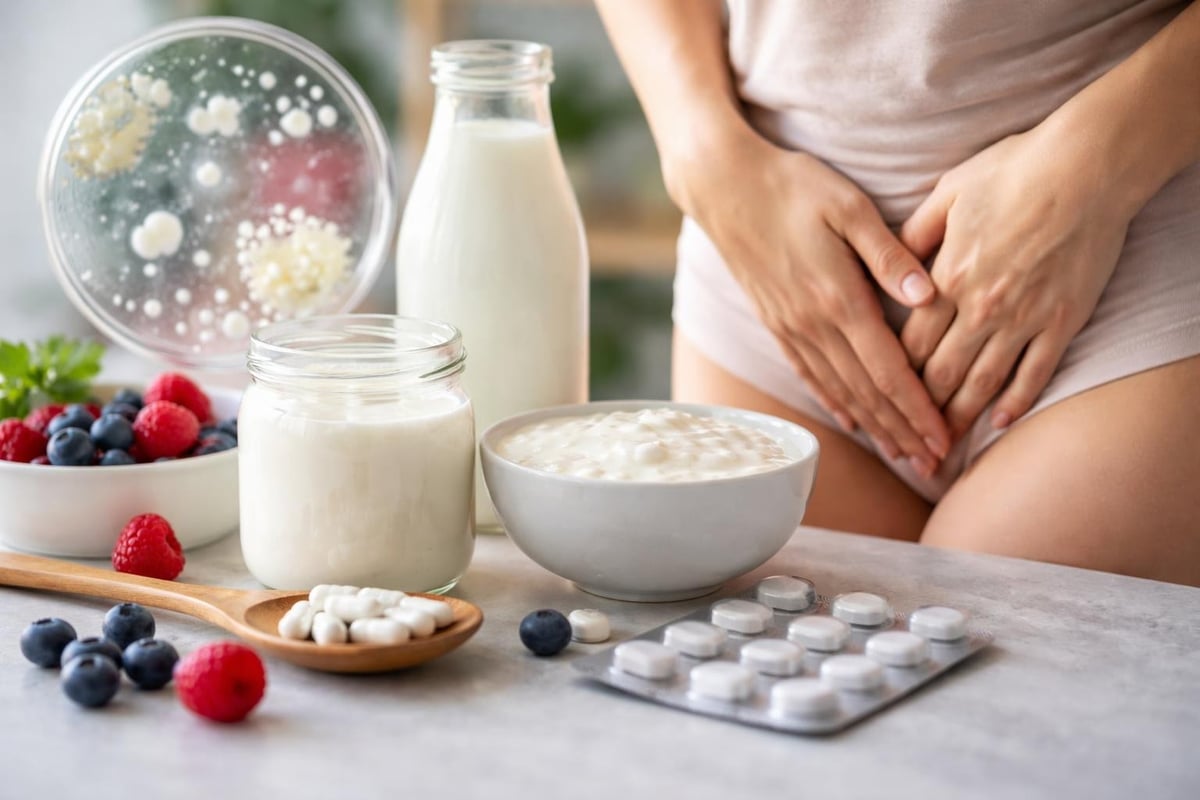
Probiotics are your first line of defense when battling vaginal thrush. These beneficial bacteria help restore the natural balance in your vaginal environment, crowding out the harmful yeast.
Natural yogurt stands out as one of the most accessible home remedies for vaginal thrush. The live cultures in plain, unsweetened yogurt contain Lactobacillus acidophilus, which directly combats Candida overgrowth.
How to Use Yogurt Effectively
You can consume yogurt orally or apply it topically:
- Internal consumption: Eat 2-3 servings of plain yogurt daily
- Topical application: Apply plain yogurt to the affected area using clean fingers
- Yogurt-soaked tampon: Insert a yogurt-soaked tampon for 1-2 hours (though many doctors advise against this method)
Beyond yogurt, consider taking probiotic supplements specifically formulated for vaginal health. Look for strains that include Lactobacillus rhamnosus and Lactobacillus reuteri.
Coconut Oil Applications
Coconut oil has gained tremendous popularity in natural skincare, and its antifungal properties make it particularly effective for managing thrush symptoms. The medium-chain fatty acids in coconut oil, especially lauric acid and caprylic acid, have demonstrated potent antifungal effects against Candida.
Application methods:
- Apply organic, unrefined coconut oil directly to the vulvar area 2-3 times daily
- Mix with tea tree oil (properly diluted) for enhanced antimicrobial action
- Use as a natural lubricant that also provides therapeutic benefits
Choose virgin or extra-virgin coconut oil for maximum benefit. These varieties retain more of the beneficial compounds that make coconut oil such an effective natural remedy. Just as natural skincare products prioritize ingredient purity, selecting high-quality coconut oil ensures you're getting the most therapeutic value.
Tea Tree Oil for Antifungal Relief
Tea tree oil possesses powerful antifungal and antimicrobial properties that can help combat the Candida overgrowth causing your symptoms. However, this essential oil requires careful handling and proper dilution.
Safe Dilution Guidelines
| Carrier Oil Amount | Tea Tree Oil Drops | Application |
|---|---|---|
| 1 ounce (30ml) | 3-5 drops | Topical application |
| 2 ounces (60ml) | 6-8 drops | Bath soak |
| 1 tampon | 2-3 drops | Internal use (controversial) |
Never apply undiluted tea tree oil to sensitive vaginal tissue. Always mix it with a carrier oil like coconut oil, sweet almond oil, or olive oil. Some women find success with home remedies for vaginal itching that incorporate properly diluted tea tree oil.
Apply the diluted mixture to the external vaginal area only. Avoid internal application unless specifically recommended by your healthcare provider.
Garlic's Natural Antimicrobial Power
Garlic contains allicin, a compound with proven antifungal properties. While some traditional remedies suggest inserting raw garlic cloves vaginally, modern healthcare providers generally discourage this practice due to potential irritation and lack of scientific support.
Instead, focus on consuming garlic orally:
- Add 2-3 fresh garlic cloves to your daily diet
- Take aged garlic supplements (follow package directions)
- Incorporate garlic into meals throughout the day
The systemic approach works from the inside out, supporting your immune system while combating yeast overgrowth naturally.
Apple Cider Vinegar Baths
Apple cider vinegar (ACV) helps restore your vaginal pH to its naturally acidic state, creating an environment where yeast struggles to thrive. This makes it one of the most effective home remedies for vaginal thrush when used correctly.
Proper Bath Preparation
Add 2 cups of raw, unfiltered apple cider vinegar to a warm bath. Soak for 20-30 minutes, allowing the acidic solution to work its magic. Do this 2-3 times weekly until symptoms improve.
Important considerations:
- Never douche with undiluted ACV
- Avoid applying concentrated ACV directly to irritated skin
- Choose organic ACV with "the mother" for maximum benefit
The same principles that make eco-friendly skincare effective apply here: natural, minimally processed ingredients often deliver superior results.

Boric Acid Suppositories
Boric acid has emerged as one of the most clinically-supported home remedies for vaginal thrush, particularly for recurrent or resistant cases. Medical research supports its effectiveness, though it requires careful use.
| Treatment Aspect | Details |
|---|---|
| Dosage | 600mg capsule inserted vaginally |
| Frequency | Once daily for 7-14 days |
| Best timing | Before bedtime |
| Precautions | Never take orally; toxic if swallowed |
You can purchase pharmaceutical-grade boric acid suppositories or create your own using size 0 gelatin capsules and boric acid powder. Many women report significant improvement after using this remedy when other treatments have failed. According to Medanta’s research on home remedies, boric acid shows particular promise for non-albicans Candida infections.
Dietary Changes That Support Healing
What you eat significantly impacts your body's ability to fight yeast overgrowth. Certain dietary modifications can enhance the effectiveness of topical home remedies for vaginal thrush.
Foods to Embrace
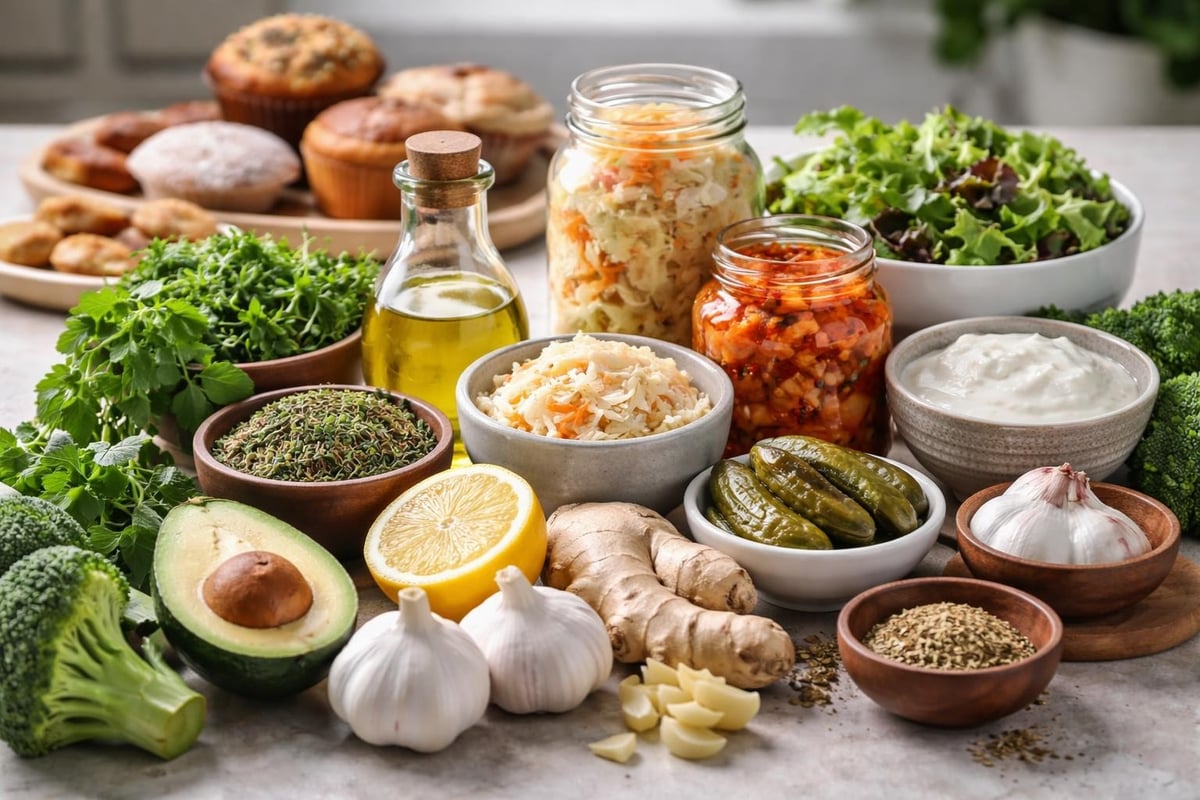
- Low-sugar vegetables: Leafy greens, broccoli, cauliflower
- High-quality proteins: Wild-caught fish, organic poultry, grass-fed meat
- Healthy fats: Avocados, nuts, seeds, olive oil
- Fermented foods: Sauerkraut, kimchi, kombucha (unsweetened)
Foods to Avoid
Temporarily eliminate or drastically reduce:
- Refined sugars and sweeteners
- White flour and processed carbohydrates
- Alcohol and sugary beverages
- Aged cheeses and fermented foods high in yeast
- Processed foods with hidden sugars
This anti-Candida diet approach starves the yeast while supporting your body's natural defenses. Think of it as creating an internal environment as balanced and healthy as natural face creams create for your skin.
Oregano Oil for Internal Support
Oregano oil contains carvacrol and thymol, two compounds with potent antifungal properties. Unlike some topical remedies, oregano oil works best when taken orally as a supplement.
Usage guidelines:
- Take 2-3 drops in a capsule or mixed with carrier oil
- Consume 2-3 times daily with meals
- Continue for 2-4 weeks for best results
Never apply oregano oil directly to vaginal tissue, as it's extremely potent and can cause severe irritation. The oral route allows the antifungal compounds to work systemically throughout your body.
Aloe Vera for Soothing Relief
While aloe vera may not directly kill Candida, it provides exceptional soothing relief for irritated tissue. The cooling, anti-inflammatory properties make it valuable alongside more targeted antifungal treatments.
Use pure aloe vera gel (99% or higher) applied directly to external irritated areas. Some women freeze aloe vera gel in clean ice cube trays for extra cooling relief. You can find guidance on natural treatments for vaginal thrush that incorporate aloe vera as a complementary therapy.
Just as sensitive skin cream requires gentle, soothing ingredients, thrush-affected tissue benefits from aloe's mild, calming properties.
Essential Hygiene Practices
Your daily habits play a crucial role in both treating and preventing vaginal thrush. These practices enhance the effectiveness of any home remedies for vaginal thrush you're using.
Daily Care Checklist
- Wear breathable, cotton underwear
- Change out of wet swimsuits or workout clothes immediately
- Avoid scented soaps, douches, and feminine hygiene sprays
- Wipe front to back after using the bathroom
- Sleep without underwear to allow airflow
Laundry considerations:
Choose fragrance-free, gentle detergents for washing underwear. High temperatures kill residual yeast, so wash underwear in hot water when possible. Add a cup of white vinegar to the rinse cycle for extra antimicrobial protection.
When Home Remedies Aren't Enough
While natural approaches offer significant benefits, you should consult a healthcare provider if:
- Symptoms persist after 7-10 days of home treatment
- You experience fever or severe pelvic pain
- This is your first suspected yeast infection
- You're pregnant or breastfeeding
- You have recurring infections (4+ per year)
Professional diagnosis ensures you're treating the right condition. Some bacterial infections mimic thrush symptoms but require different treatments.
Combining Remedies for Maximum Effectiveness
You don't need to choose just one approach. Many women find success combining multiple home remedies for vaginal thrush simultaneously.
Sample combination protocol:
| Time of Day | Remedy |
|---|---|
| Morning | Probiotic supplement + garlic-rich breakfast |
| Midday | Coconut oil application to external area |
| Evening | ACV bath soak + oregano oil capsule |
| Bedtime | Boric acid suppository (if using) |
This multi-pronged approach addresses thrush from multiple angles: restoring beneficial bacteria, creating an inhospitable environment for yeast, and providing direct antifungal action. Track your symptoms daily to identify which combination works best for your body.
Prevention Strategies for Long-Term Health
Once you've successfully managed an episode of thrush, prevention becomes your priority. Maintaining vaginal health requires ongoing attention to the same factors that helped you heal.
Continue eating a low-sugar diet rich in probiotics. Keep stress levels manageable through regular exercise, adequate sleep, and relaxation practices. Your immune system functions best when you're taking care of your whole body.
Consider maintaining a maintenance dose of probiotics indefinitely. Think of this as an investment in your intimate health, similar to how British skincare brands emphasize ongoing skin health rather than quick fixes.
Monthly prevention checklist:
- Evaluate your sugar and refined carb intake
- Ensure you're consuming probiotic-rich foods regularly
- Review your underwear choices and laundry practices
- Consider stress levels and immune system health
- Track your menstrual cycle (thrush often occurs before periods)
Managing vaginal thrush naturally empowers you to take control of your intimate health using gentle, effective remedies. By combining probiotic support, antifungal ingredients, and smart lifestyle choices, you can address both current symptoms and prevent future episodes. Just as your skin deserves the pure, effective formulations found in natural skincare products from Sinusoothe Ltd, your intimate health benefits from the same thoughtful, natural approach to wellness and self-care.