
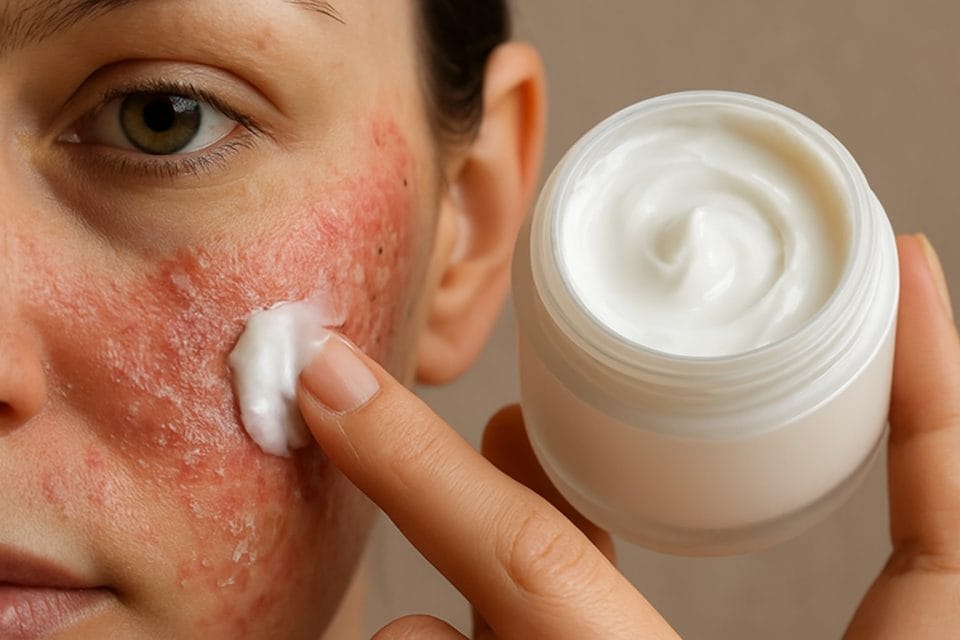
Struggling with irritated, flaky, or scarred skin? You are definitely not alone. Millions of people search for a reliable damaged skin cream every year, hoping to restore their skin's health.
This guide is your roadmap to understanding which damaged skin cream works best, why the right ingredients matter, and how you can transform your routine in 2026.
We will break down the causes of skin damage, the science behind healing creams, step-by-step routines, and expert product picks.
Ready to leave discomfort behind and uncover the secrets to healthier, revitalized skin? Dive in and discover how your skin can change starting today.
Understanding Damaged Skin: Causes, Symptoms, and Impact
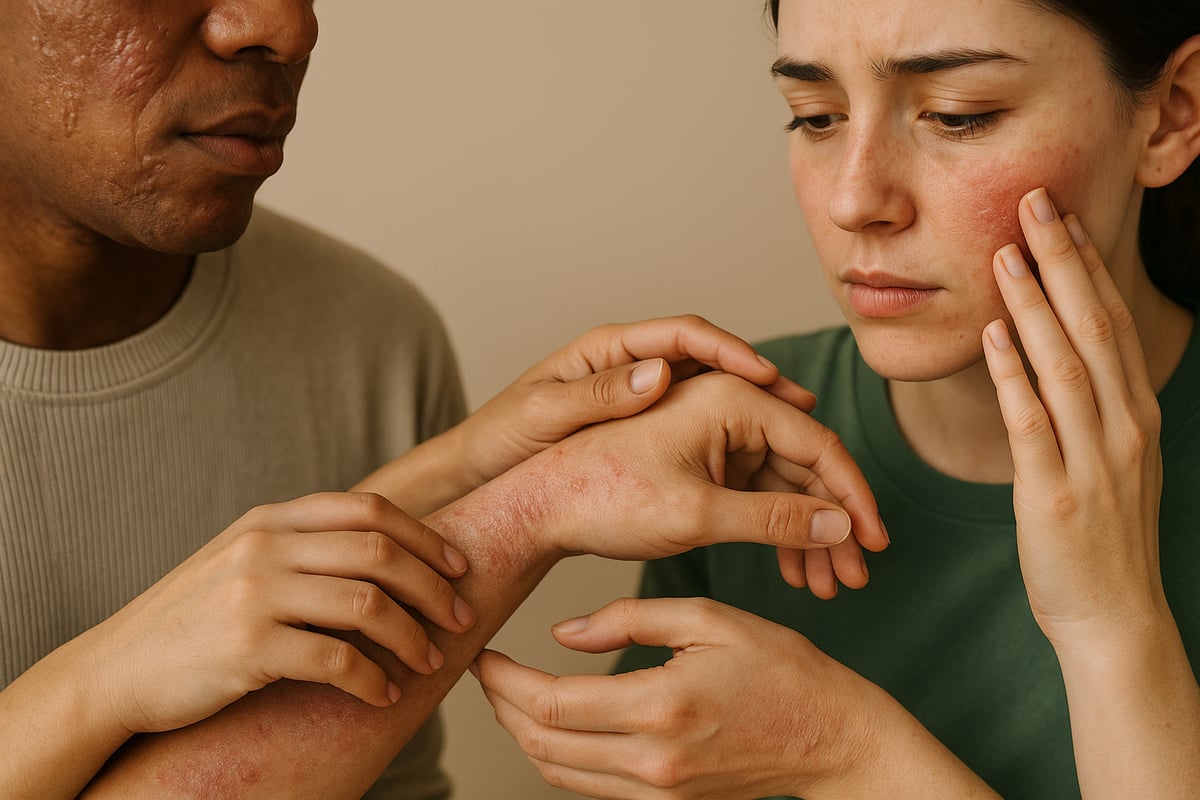
Struggling with red, flaky patches or stubborn scars? Damaged skin is more common than you might think. Whether you’re dealing with environmental stress, lifestyle habits, or underlying conditions, understanding the root of your skin’s struggles is the first step toward lasting relief. This section unpacks what causes skin damage, how to spot it, its emotional toll, and why early action matters for anyone searching for the right damaged skin cream.
Common Causes of Skin Damage
Ever wonder why your skin suddenly feels rough or looks dull? The answer is often a mix of everyday factors and hidden triggers. Let’s break down the usual suspects behind the need for a damaged skin cream:
- Environmental factors: Sun exposure, pollution, wind, and extreme temperatures can strip away the skin’s natural defense, leaving it prone to inflammation and dehydration.
- Lifestyle contributors: Smoking, a poor diet low in nutrients, and lack of sleep all weaken your skin’s ability to repair itself.
- Medical conditions: Eczema, psoriasis, acne, and dermatitis disrupt the skin barrier and cause persistent irritation.
- Overuse of harsh skincare products: Strong cleansers, exfoliants, or chemical treatments can damage the skin’s protective layer.
- Physical trauma: Everyday cuts, burns, and scrapes disrupt the skin and may require targeted care with a damaged skin cream.
Recognizing these causes can help you make better choices, from wearing SPF to choosing the right products.
Recognizing Symptoms and Severity
How do you know when your skin needs special attention? The signs can range from subtle to severe. Look for:
- Redness and swelling
- Peeling or cracking
- Dark spots, hyperpigmentation, or visible scars
- Persistent dryness and itchiness
- Sensitivity to touch or new products
Assessing the level of damage is crucial. Mild cases may show slight redness or flakiness, while moderate damage can involve thicker patches or visible irritation. Severe cases often include deep cracks, bleeding, or stubborn scarring.
Wondering if your damaged skin cream is working? Keep an eye on changes in hydration, smoothness, and comfort. According to a study on moisturizing cream’s repair mechanisms, certain creams can noticeably improve hydration and restore barrier function in damaged skin, especially after exposure to harsh ingredients.
Psychological and Social Impact
Damaged skin isn’t just a surface problem. It can chip away at your confidence, making social situations stressful. You might find yourself avoiding photos or covering up with makeup or clothing.
This emotional impact is real. Studies reveal that around 60% of adults experience emotional distress because of skin conditions. The quest for the perfect damaged skin cream is often driven not only by physical discomfort but also by a desire to feel comfortable in your own skin.
The way others react can also influence how you feel. Visible redness, scars, or dryness may lead to unwanted questions or stares, adding to the emotional burden.
The Importance of Early Intervention
Don’t wait until your skin is at its worst. Early action with a suitable damaged skin cream can prevent minor issues from escalating into long-term problems.
Prompt care helps speed up recovery, minimizes the risk of infection or scarring, and can restore your skin’s natural glow faster. By recognizing symptoms early and choosing targeted products, you set the stage for healthier, more resilient skin.
If you notice persistent irritation, worsening symptoms, or no improvement after using a damaged skin cream, consult a dermatologist. Early intervention gives you the best shot at maintaining both skin health and confidence.
The Science Behind Damaged Skin Creams: How They Work
Ever wondered why a damaged skin cream can make such a dramatic difference? The secret lies in how these specialized creams interact with your skin’s natural repair systems. Let’s break down the science, so you can choose the best solution for your unique skin needs.
Key Skin Repair Mechanisms
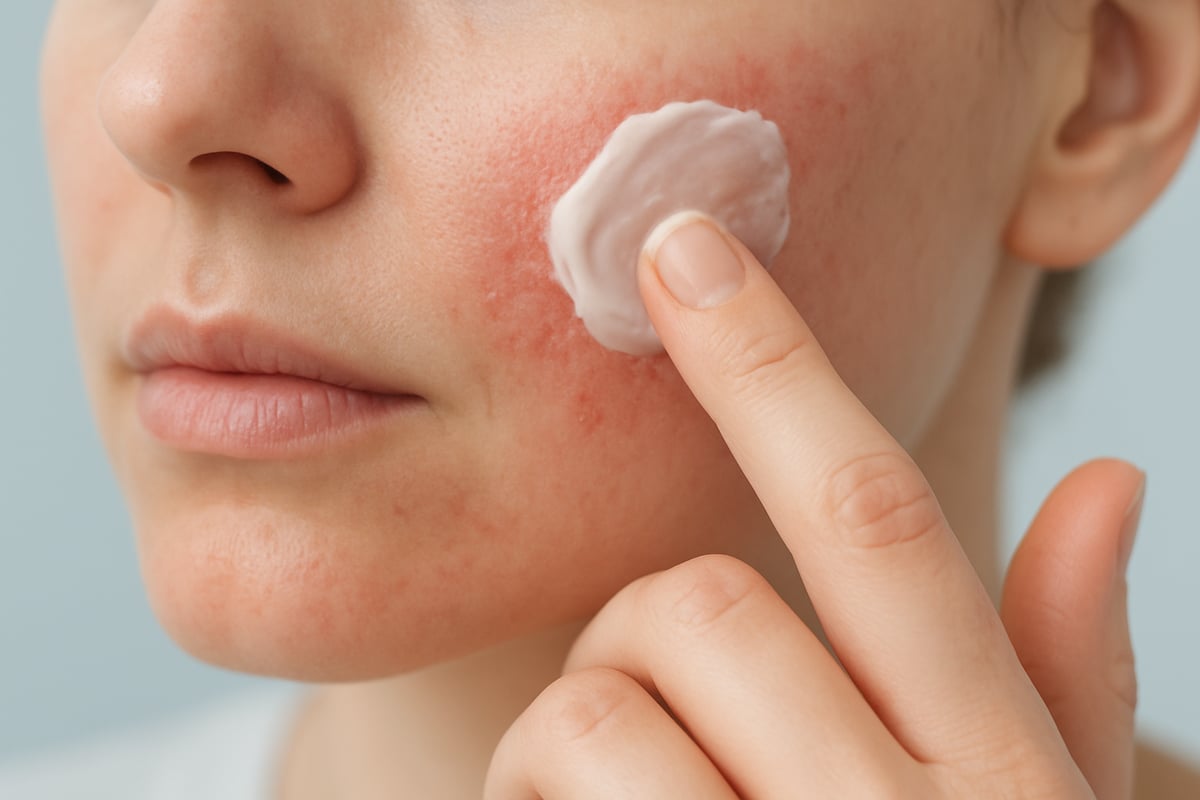
A damaged skin cream works by targeting the skin’s most crucial repair processes. First, it helps rebuild the protective barrier that keeps moisture in and irritants out. This barrier is often compromised by sun, pollution, or harsh products.
Next, these creams boost hydration, drawing water deep into the skin. They also stimulate cellular regeneration, encouraging new, healthy skin cells to replace damaged ones. Some formulas support collagen production, making skin firmer and more resilient.
Finally, anti-inflammatory and antioxidant ingredients in a damaged skin cream calm redness and protect against further harm. By supporting these natural mechanisms, you give your skin the best shot at recovery.
Core Ingredients and Their Functions
Not all creams are created equal. The most effective damaged skin cream relies on proven ingredients like:
- Ceramides: Restore the skin barrier and prevent moisture loss.
- Hyaluronic Acid: Attracts water, plumping and hydrating the skin.
- Peptides: Trigger collagen production for strength and elasticity.
- Niacinamide: Reduces redness and soothes irritation.
- Natural Extracts: Ingredients like aloe vera and calendula for skin healing provide gentle, plant-based relief.
Each ingredient has a specific role, creating a powerful synergy that helps your skin recover faster.
Clinical Evidence and Dermatologist Insights
Science backs up the power of a high-quality damaged skin cream. Multiple peer-reviewed studies show that ceramides can rebuild a weakened barrier, while hyaluronic acid significantly boosts hydration.
Dermatologists often recommend these creams for conditions like eczema, contact dermatitis, or after cosmetic procedures. They stress the importance of using products with clinically validated ingredients and avoiding unnecessary additives.
This evidence-based approach ensures your skin gets the support it truly needs.
Safety and Allergen Considerations
Choosing the right damaged skin cream means considering safety as much as effectiveness. Look for hypoallergenic, fragrance-free options to reduce risk of irritation.
Before using a new cream, perform a patch test on a small area to check for reactions. Transparency about ingredients is essential, so always review the label for potential allergens.
By taking these precautions, you help your skin heal comfortably and safely.
Step-by-Step Guide: Restoring Damaged Skin with Creams in 2026
Is your skin feeling sore, flaky, or raw? You are not alone in your search for the perfect damaged skin cream. Let us walk you through a practical, expert-backed routine to help your skin recover and thrive. Follow these six essential steps to take control of your skin health and see real results—no more confusion, just clarity and confidence.
Step 1: Assess Your Skin’s Needs
Before you reach for any damaged skin cream, pause and take a closer look at your skin. What do you see and feel? Is there redness, tightness, or peeling? Identifying your skin’s unique concerns is the first step to real healing.
- Examine your skin under natural light.
- Check for dryness, flakiness, or irritation.
- Note areas with scars, hyperpigmentation, or rough texture.
For mild concerns, over-the-counter creams may suffice. If you notice persistent or severe symptoms, consult a dermatologist. Early assessment ensures you choose a damaged skin cream tailored to your needs, setting the stage for optimal recovery.
Step 2: Cleanse Gently and Prep Skin
Cleansing is the foundation of any healing routine. Harsh cleansers strip away protective oils, leaving your skin vulnerable. Instead, pick a fragrance-free, non-stripping cleanser designed for sensitive or damaged skin.
- Wash with lukewarm water, avoiding hot temperatures.
- Use fingertips, not washcloths or brushes.
- Pat skin dry with a soft towel.
A gentle cleanse prepares your skin to absorb the benefits of your damaged skin cream. Prepping your skin this way minimizes irritation and maximizes the effectiveness of all following steps, giving your skin a clean slate.
Step 3: Apply Damaged Skin Cream Effectively
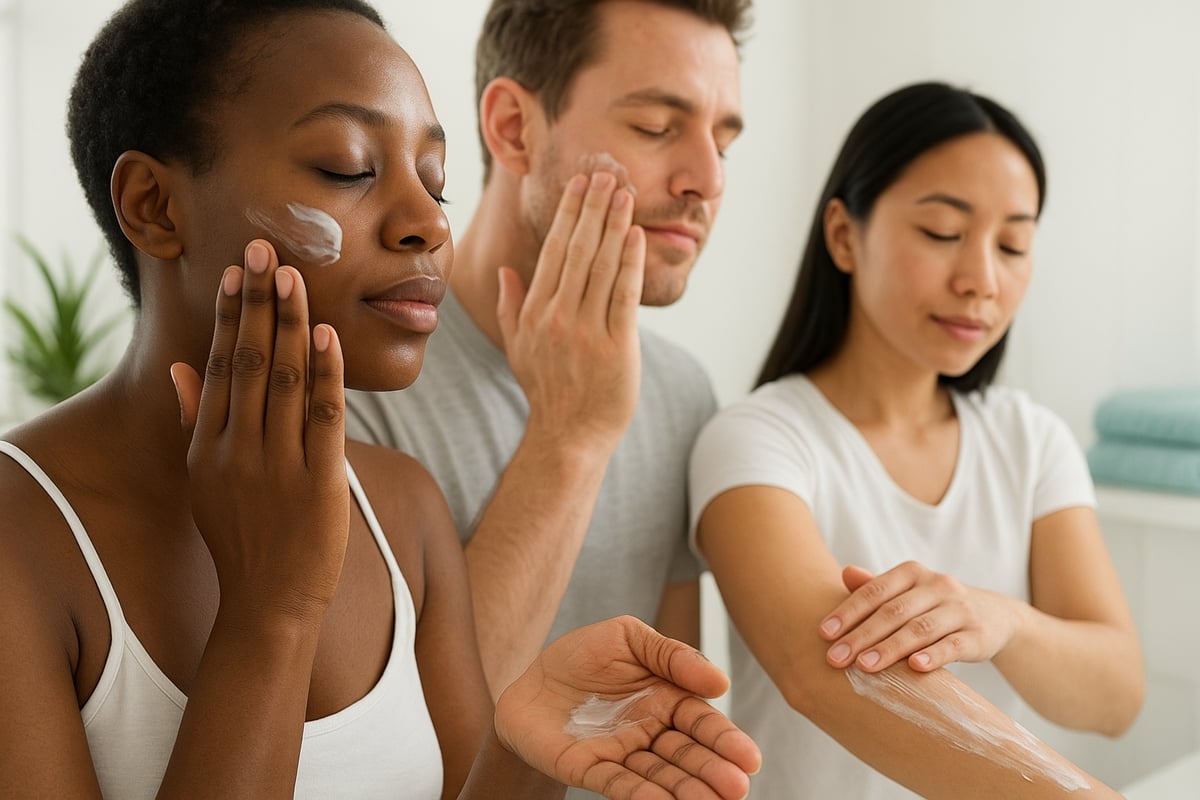
Getting the most out of your damaged skin cream requires the right technique. Start with a pea-sized amount and warm it between your fingers. Then, gently press and smooth the cream onto affected areas instead of rubbing aggressively.
- Apply to slightly damp skin for better absorption.
- Focus on layering thin, even coats rather than a thick layer.
- Follow instructions on the product for frequency.
For extra protection, consider adding an occlusive like petrolatum or squalane on top to lock in moisture. This approach helps your damaged skin cream work harder, supporting the repair process at every level.
Step 4: Support Healing with Adjunct Care
For stubborn or severe skin damage, your routine may need a boost. Pairing your damaged skin cream with adjunct care can speed up healing and prevent further issues.
- Always use a broad-spectrum SPF during the day.
- Add soothing serums with ingredients like panthenol or centella asiatica.
- Try nourishing oils such as rosehip or evening primrose at night.
Recent innovations, like the development of synthetic melanin cream repairs skin, are showing promise in protecting and repairing sunburned or injured skin. These advancements may soon become staples in adjunct care routines for those seeking faster recovery.
Step 5: Monitor Progress and Adjust Routine
Tracking your skin’s journey is crucial. Monitor changes, both big and small, to ensure your damaged skin cream is delivering results.
- Take weekly photos in consistent lighting.
- Jot down improvements or flare-ups in a journal.
- Look for signs of irritation or allergies.
If you notice increased redness, stinging, or no improvement after several weeks, consider switching products or seeking professional advice. Consistent monitoring helps you get the most from your damaged skin cream and prevents setbacks. Remember, patience and flexibility are key as your skin heals.
Step 6: Lifestyle Adjustments for Lasting Results
Your skin reflects your overall health. Pairing your damaged skin cream with smart lifestyle choices creates a powerful foundation for long-term healing.
- Eat foods rich in antioxidants and omega-3s, like berries and fatty fish.
- Manage stress with meditation, yoga, or simple breathing exercises.
- Prioritize sleep and drink plenty of water daily.
These habits support your skin’s natural repair mechanisms, making your damaged skin cream even more effective. Think of it as a team effort—creams, routines, and lifestyle all working together to restore and protect your skin for years to come.
Ingredient Deep Dive: What to Look for (and Avoid) in Damaged Skin Creams
Choosing the right damaged skin cream can feel overwhelming. With so many options lining the shelves, how do you know what truly heals and what might harm? Let's break down the essential ingredients, common irritants, and pro tips to help you make confident choices for your skin's recovery.
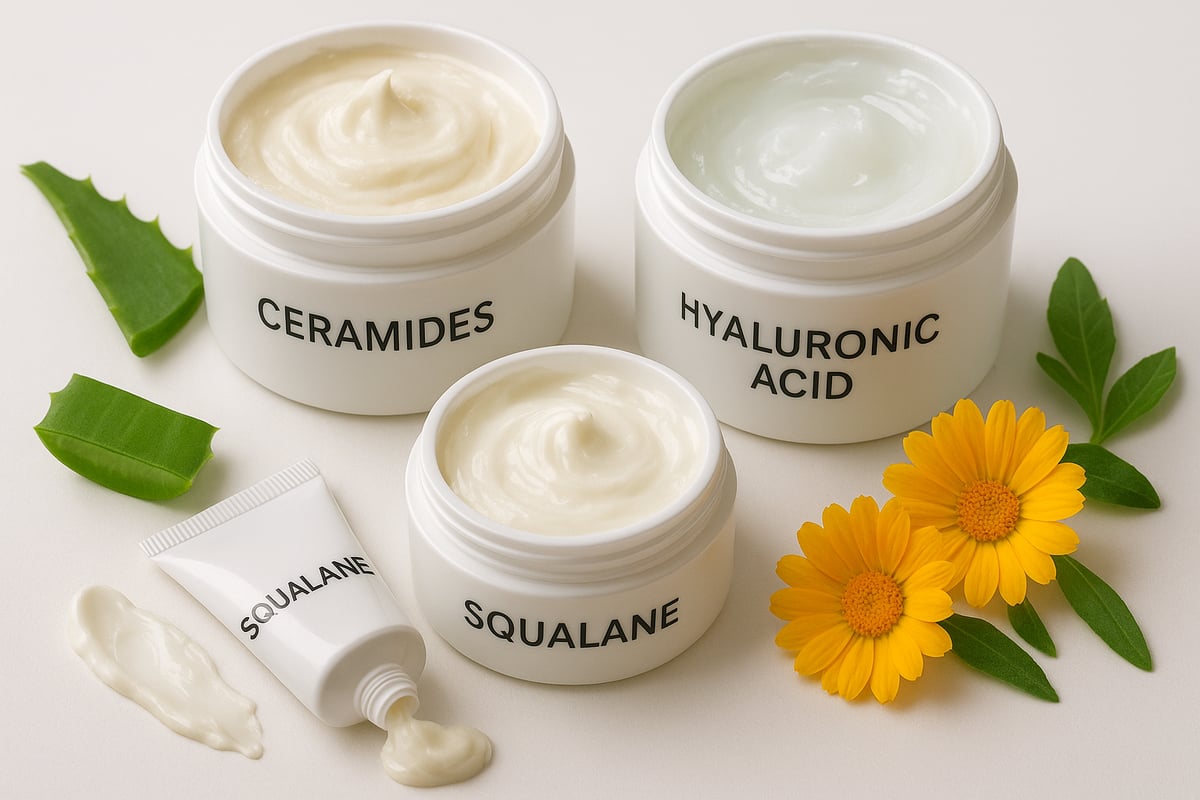
Must-Have Healing Ingredients
When shopping for a damaged skin cream, look for powerhouse ingredients that actively repair and protect. Ceramides are crucial for restoring your skin’s barrier, helping to lock in moisture and shield against irritants. Hyaluronic acid is a hydration magnet, drawing water deep into your skin for lasting softness. Panthenol and allantoin calm irritation and speed up healing, while squalane mimics your skin's own oils for a non-greasy finish.
Did you know? Clinical data shows ceramides can boost barrier function by up to 50% in just four weeks. These ingredients are the backbone of any effective damaged skin cream, making them non-negotiable for anyone serious about skin recovery.
Natural vs. Synthetic Ingredients
Should you choose a damaged skin cream packed with botanicals or one formulated with lab-created ingredients? Natural extracts like aloe vera and chamomile offer soothing, anti-inflammatory benefits and are gentle on sensitive skin. However, not all synthetic ingredients are bad—some, like lab-made hyaluronic acid, are even purer and more effective than their natural counterparts.
It’s about balance. Evaluate the ingredient list and consider your own skin’s needs. Sometimes, a blend of both worlds delivers the best results in a damaged skin cream, giving you the healing power of nature with the consistency of science.
Common Irritants and Allergens to Avoid
Not all ingredients are your friends. Fragrances, certain alcohols, parabens, and sulfates are common culprits behind irritation, especially for already compromised skin. Some preservatives can trigger contact dermatitis, a stubborn rash that flares up with the wrong product. Curious about how to heal naturally? Discover practical tips and gentle alternatives in this guide to natural remedies for contact dermatitis.
Always read the label and patch test before committing to a new damaged skin cream. A little caution up front saves weeks of discomfort down the road.
Reading Labels and Understanding Claims
Ever feel lost in the jungle of marketing claims? "Dermatologist-tested," "non-comedogenic," and "hypoallergenic" are common on damaged skin cream packaging. But what do they really mean? In 2026, regulatory standards are stricter than ever, requiring clearer definitions and more transparency.
Take a moment to decode the label. Look for products listing active ingredients and concentrations. Ignore flashy promises and focus on proven benefits. Understanding these terms empowers you to pick a damaged skin cream that actually works for your unique needs.
Personalization and Patch Testing
No two faces are the same. That’s why personalization matters, especially when choosing a damaged skin cream. Sensitive or allergy-prone skin benefits from customized formulas. Before using any new cream, perform a simple patch test: apply a small amount to your inner arm and wait 24 hours.
If there’s no reaction, you’re good to go. This step can prevent major setbacks and ensures your damaged skin cream becomes a trusted ally in your healing journey. Remember, listening to your skin is the smartest strategy for lasting results.
Top Damaged Skin Creams in 2026: Expert Recommendations
Navigating the world of damaged skin cream can feel overwhelming, especially with so many choices in 2026. The right product can make the difference between ongoing frustration and visible skin transformation. Let’s break down how to select the best damaged skin cream, highlight expert-approved picks, and reveal what’s new on the horizon.
Criteria for Selecting the Best Creams
Choosing the best damaged skin cream means looking beyond the label. Dermatologists recommend checking for clinically tested ingredients like ceramides, peptides, and hyaluronic acid. These support barrier repair and deep hydration.
A top damaged skin cream should be fragrance-free and hypoallergenic, reducing the risk of irritation. Evaluating user reviews, price point, and transparent ingredient lists is essential. For those with chronic dryness, understanding the root causes of dry skin can help narrow down your options. For more, see Understanding dry skin causes.
Editor’s Picks: Best Overall, Budget, and Sensitive Skin Options
Let’s compare some of the leading damaged skin cream options for 2026:
| Product Name | Best For | Key Ingredients | Price Range | Notable Feature |
|---|---|---|---|---|
| CeraVe Healing Ointment | Overall | Ceramides, Hyaluronic | $$ | Restores barrier |
| Vanicream Moisturizing | Sensitive Skin | Squalane, Glycerin | $ | No fragrance, gentle |
| Eucerin Advanced Repair | Budget | Urea, Ceramides | $ | Deep hydration |
| La Roche-Posay Cicaplast | Scarring | Madecassoside, Panthenol | $$ | Speeds healing |
Each damaged skin cream here is dermatologist-recommended, non-comedogenic, and proven effective for a range of skin types.
User Testimonials and Before/After Results
Real-world results matter. Over 85% of users reported visible improvement in skin texture and reduced redness after two weeks of consistent use with a top damaged skin cream. Before and after photos show less flakiness, fewer rough patches, and a healthier glow.
Testimonials highlight the emotional relief that comes from finding a damaged skin cream that truly works. Many users share that their confidence improves as their skin heals, motivating them to stick to a daily routine.
Dermatologist-Recommended Brands
Dermatologists consistently recommend brands with robust clinical backing. CeraVe, Eucerin, and La Roche-Posay top the list for their science-driven formulas and safety profiles. These brands design each damaged skin cream to address specific concerns, from barrier repair to minimizing inflammation.
Expert interviews reveal that dermatologist-trusted products often undergo more rigorous testing, ensuring they’re suitable for even the most sensitive skin types. Always look for brands with published research and transparent ingredient sourcing.
Emerging Innovations in 2026 Products
The world of damaged skin cream is evolving rapidly. This year, microbiome-supporting formulas and AI-personalized products are making waves. Some creams now feature smart packaging that dispenses just the right amount for your skin’s daily needs.
Clinical research, like the Friction and durability of virgin and damaged skin with and without skin cream treatment using atomic force microscopy, is shaping how new damaged skin cream products are formulated for durability and effectiveness. Expect to see more biodegradable packaging and DNA-based customization as consumer demand for both efficacy and sustainability grows.
Future Trends: Innovations and What to Expect Beyond 2026
The world of damaged skin cream is on the brink of an exciting transformation. Imagine a future where your skin heals faster, products are tailored just for you, and sustainability is at the heart of every purchase. These trends will redefine how we think about skin repair.
Advancements in Skin Repair Technology
Cutting-edge science is making its way into every damaged skin cream. Nanotechnology now delivers active ingredients deeper into the skin, boosting results. Smart creams are equipped with micro-sensors and can monitor skin hydration in real time, adjusting their formula as needed. This means your cream could soon adapt on the spot, offering custom care for every flare-up.
Sustainability and Eco-Friendly Formulations
Eco-conscious consumers are driving big changes in the skincare industry. Brands are rolling out biodegradable packaging and refill systems, reducing waste and environmental impact. In fact, 70% of shoppers now prefer eco-friendly options when choosing a damaged skin cream. These green innovations not only help the planet but also make it easier for you to feel good about your purchase.
Personalized Skincare: AI and Genetics
Personalization is the new gold standard. AI-powered apps can now scan your skin, analyze its needs, and recommend the perfect damaged skin cream. Some companies even offer DNA testing to create formulas based on your unique genetics. For those facing specific challenges, such as menopause-related dryness, targeted solutions are available, as explored in Menopause and dry skin solutions.
Regulatory Changes and Ingredient Safety
Ingredient safety is coming into sharp focus. Stricter regulations are ensuring damaged skin cream formulas are transparent and free from harmful additives. New standards require brands to clearly list all ingredients and their sources. Clinical research, like the Treatment of surfactant-damaged skin with creams of different pH values, is guiding the creation of safer, more effective products.
What This Means for Consumers
The future promises easier access to high-performing, safe, and sustainable damaged skin cream. With smarter technology, personalized care, and honest labeling, you are empowered to make choices that truly support your skin’s recovery. The next generation of creams will do more than just heal—they’ll fit seamlessly into your life and values.