

Have you noticed stubborn facial rashes that seem to pop up at the worst times, especially around your period or during hormonal changes? You’re not alone. Many people find these breakouts frustrating and hard to manage.
This guide is here to shed light on the link between perioral dermatitis and hormone fluctuations. If you’ve ever wondered why your skin flares up in sync with your cycle, you’ll find answers and solutions right here.
We’ll break down what perioral dermatitis is, how hormones influence flare-ups, and the latest research and treatment trends for 2026. Get ready to discover practical steps to help you recognize triggers, manage symptoms, and finally find relief.
Understanding Perioral Dermatitis: Causes, Symptoms, and Diagnosis
If you’ve ever noticed red, bumpy rashes around your mouth or nose that just won’t quit, you’re not alone. Perioral dermatitis is a complex skin condition that often gets mistaken for acne or rosacea, but it has its own unique features. Understanding the connection between perioral dermatitis and hormone fluctuations is key to finding relief and managing flare-ups effectively.
What is Perioral Dermatitis?
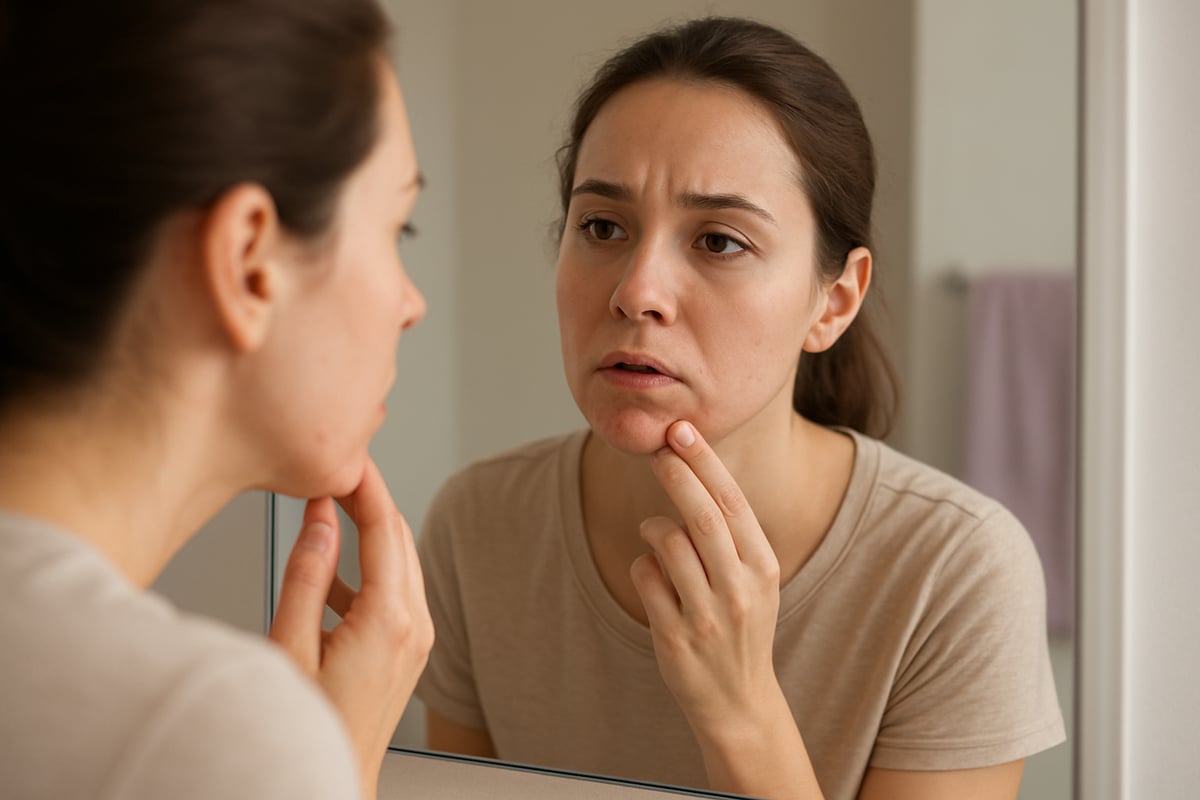
Perioral dermatitis is a facial rash that typically appears as clusters of small, red or pink bumps around the mouth, nose, and sometimes the eyes. Unlike acne, these bumps rarely contain pus and are often accompanied by burning, itching, or a feeling of tightness. In contrast to rosacea, perioral dermatitis usually avoids the central face and focuses on the areas just outside the lips and nostrils.
Here’s a quick comparison to help distinguish perioral dermatitis from similar conditions:
| Feature | Perioral Dermatitis | Acne | Rosacea |
|---|---|---|---|
| Location | Around mouth/nose | Face/body | Central face |
| Bumps | Small, red, clustered | Pustules, comedones | Flushing, papules |
| Itch/Burn | Common | Rare | Possible |
The most commonly affected group is women between the ages of 16 and 45, though men and children can develop it too. Symptoms often include redness, scaling, and a sandpaper-like texture. Some people notice the rash flares up in cycles, especially in sync with their menstrual period or hormonal changes.
Globally, perioral dermatitis accounts for up to 1% of dermatology visits. In the UK and US, it’s increasingly recognized due to environmental changes and new skincare trends. Diagnosis is usually made by a dermatologist through a clinical exam. They’ll rule out acne, eczema, or allergic reactions before confirming perioral dermatitis.
A typical flare-up can last anywhere from a few weeks to several months, and it may come and go depending on triggers. For example, imagine a young woman who notices her rash appears a few days before her period, then fades, only to return the next month. This pattern is a classic sign of the link between perioral dermatitis and hormone fluctuations. For more on how symptoms show up and are treated, check out this Perioral dermatitis symptoms and treatments resource.
Root Causes and Triggers
Perioral dermatitis and hormone fluctuations are deeply connected, but there are many other factors at play. One major cause is the use of topical steroids. While these creams may help with other skin issues, they can trigger or worsen perioral dermatitis when used around the face. Cosmetics, especially those with heavy fragrances or oils, are another common culprit.
Oral contraceptives and hormonal treatments can disrupt the skin’s balance, making some people more prone to flare-ups. Environmental factors like harsh weather, pollution, and even frequent mask-wearing have been linked to increased cases. Recent research also highlights the role of the skin microbiome—an imbalance in good and bad bacteria can set the stage for irritation.
Stress and immune system changes are big contributors as well. When you’re stressed, your body releases more cortisol, which can make the skin more reactive. This is why perioral dermatitis and hormone fluctuations often go hand in hand, especially during times of hormonal swings like puberty, pregnancy, or menopause.
Imagine switching to a new skincare routine with strong exfoliants or heavy creams. Within days, redness and bumps appear around your mouth. This scenario is a textbook example of how sensitive skin can react to new products, especially when perioral dermatitis and hormone fluctuations are already in the mix. Recognizing these triggers early can help you avoid lengthy flare-ups and regain control of your skin’s health.
Hormone Fluctuations and Perioral Dermatitis: The Science Explained
Hormones are like conductors in the orchestra of our skin. When they shift, so does our complexion, sometimes with dramatic results. If you have ever noticed your skin behaving differently during certain times of the month or life stages, you are not alone. For many, perioral dermatitis and hormone fluctuations are deeply intertwined, making it essential to understand how internal changes can spark external symptoms.
How Hormones Affect Skin Health
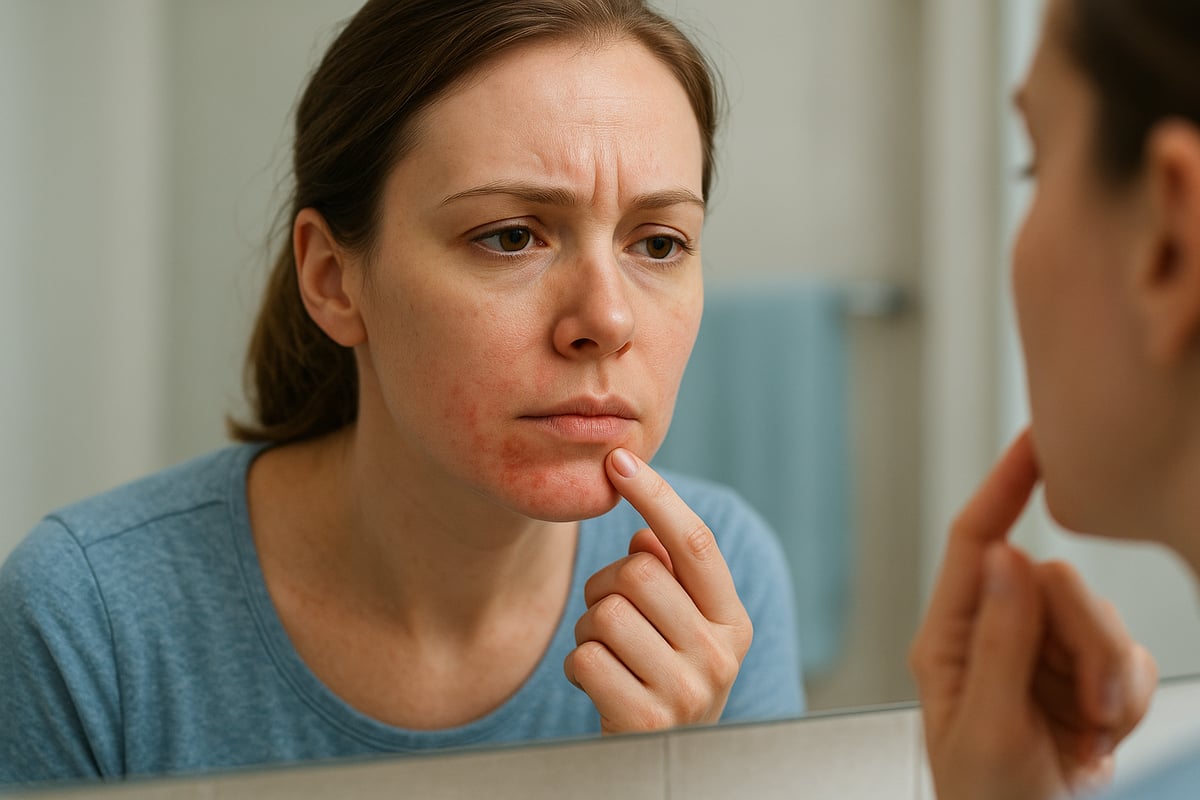
Hormones act as messengers, constantly relaying signals that influence everything from oil production to skin renewal. The main players in perioral dermatitis and hormone fluctuations are estrogen, progesterone, cortisol, and androgens. Each of these has a unique effect on your skin’s barrier, its ability to retain moisture, and its response to inflammation.
During the menstrual cycle, estrogen and progesterone levels rise and fall, creating waves of change beneath the surface. Around ovulation, a spike in estrogen can enhance skin glow, but a later drop often leads to dryness and increased sensitivity. Cortisol, the stress hormone, can further weaken the skin’s barrier, making flare-ups more likely.
Pregnancy and menopause introduce even more dramatic hormone changes. Increased progesterone in pregnancy can trigger swelling and redness, while declining estrogen during menopause often leads to drier, thinner skin that is vulnerable to irritation. These shifts are why perioral dermatitis and hormone fluctuations commonly coincide.
Recent studies have shown the skin’s microbiome also responds to these hormonal tides. When balance is disrupted, the skin becomes more susceptible to inflammation and outbreaks. Understanding this intricate dance is the first step to managing perioral dermatitis and hormone fluctuations effectively.
Hormone-Related Triggers for Perioral Dermatitis
Have you tracked when your flare-ups occur? Many people discover a strong connection between perioral dermatitis and hormone fluctuations, especially during the premenstrual phase or ovulation. These hormonal surges can increase sebum, alter skin pH, and shift the microbiome, all of which can spark or worsen symptoms.
Pregnancy is another common trigger. With hormones in flux, some experience their first-ever rash or find that existing perioral dermatitis becomes more persistent. Birth control pills, hormone therapy, and IUDs can also throw off your skin’s equilibrium, sometimes causing unexpected flare-ups.
Menopause and perimenopause bring their own set of challenges. As estrogen drops, skin loses its protective barrier and becomes more reactive. This is why many women report new-onset perioral dermatitis during this life stage. Notably, a 2025 study found that irregular periods are linked to increased prevalence of certain skin conditions, including perioral dermatitis, underscoring the impact of hormonal instability.
Let’s summarize the main hormone-related triggers:
- Premenstrual and ovulatory hormonal surges
- Pregnancy and postpartum changes
- Birth control, hormone replacement therapy, IUDs
- Menopause and perimenopause transitions
Recognizing these patterns in perioral dermatitis and hormone fluctuations empowers you to anticipate and manage flare-ups.
Latest Research and Statistics (2023-2026)
The last few years have brought a surge of research focused on perioral dermatitis and hormone fluctuations. Clinical trials and large-scale patient surveys are painting a clearer picture of who is most at risk and when symptoms are likely to occur.
Key findings from dermatology journals highlight that women aged 20-45 are most affected, with up to 1% of dermatology clinic visits involving perioral dermatitis. Flare-ups are most frequent during times of hormonal transition, such as the start or end of hormonal therapies, pregnancy, and the lead-up to menopause.
A 2024 clinical trial tracked patients using hormone therapy and found that nearly 30% experienced new or worsening perioral dermatitis during the first six months of treatment. Patient surveys from 2025 and 2026 reveal that over 60% of respondents noticed a direct link between their monthly cycle and skin symptoms.
Table: Hormonal Status and Perioral Dermatitis Prevalence
| Hormonal Status | Prevalence (%) | Notes |
|---|---|---|
| Menstruating women | 1.2 | Highest during premenstrual phase |
| Pregnant women | 0.8 | Flare-ups common in 2nd trimester |
| Menopausal women | 0.9 | Often new-onset or more persistent |
| Hormone therapy users | 1.0 | 30% report symptom changes |
Real-world data continues to reinforce the powerful relationship between perioral dermatitis and hormone fluctuations. With ongoing studies and new insights emerging, there is hope for more targeted and effective solutions in the years ahead.
Recognizing and Managing Flare-Ups: Step-by-Step Guide
Managing perioral dermatitis and hormone fluctuations can feel overwhelming, but a clear, step-by-step approach makes it easier to take control. By learning to recognize your personal triggers and using the right strategies, you can reduce flare-ups and regain confidence in your skin.
Step 1: Identifying Personal Triggers
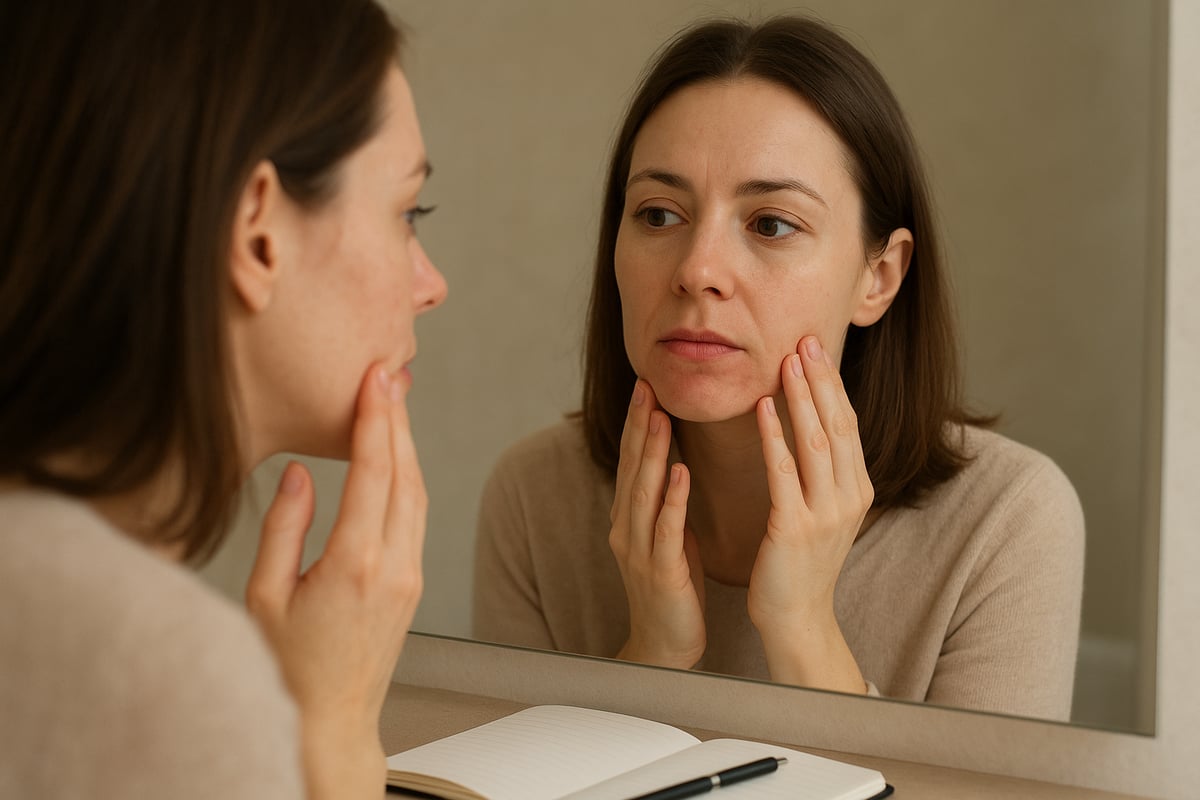
The first step in managing perioral dermatitis and hormone fluctuations is to identify what sets off your symptoms. Many people notice their flare-ups seem to follow a pattern, often linked to their menstrual cycle, stress, or new skincare products.
Keeping a detailed symptom diary can help. Track:
- Your menstrual cycle and any hormonal changes
- Skincare and cosmetic products used
- Stress levels and major life events
- Diet changes or new foods
- Environmental exposures (like mask-wearing or weather shifts)
Review your diary every few weeks to spot recurring patterns. For example, do bumps and redness appear right before your period, or after switching moisturizers? If you suspect hormonal influences, consult a dermatologist who can help pinpoint the connection between perioral dermatitis and hormone fluctuations. Recent research, such as the Reassessing Potential Triggering Factors in Periorificial Dermatitis study, highlights the importance of understanding both topical and hormonal triggers to develop a personalized management plan.
Step 2: Immediate Relief Strategies
When a flare-up strikes, gentle care is key. Begin by simplifying your skincare routine—use a mild, fragrance-free cleanser and avoid scrubbing or exfoliating the affected area. This helps prevent further irritation, especially when dealing with perioral dermatitis and hormone fluctuations.
Quick relief tips include:
- Applying a cold compress to reduce redness and swelling
- Using a barrier cream with zinc oxide or ceramides
- Avoiding makeup or occlusive ointments around the mouth and nose
- Trying over-the-counter anti-inflammatory creams (after consulting your doctor)
If your skin feels especially sensitive, skip harsh treatments and let your skin breathe. Many find that reducing product use and focusing on skin barrier repair brings relief within days.
Step 3: Long-Term Management
Long-term control of perioral dermatitis and hormone fluctuations requires a holistic approach. Focus on balancing hormones naturally through lifestyle changes. Prioritize sleep, manage stress with mindfulness or yoga, and choose a nutrient-rich, anti-inflammatory diet.
Other strategies include:
- Switching to non-comedogenic, gentle skincare
- Monitoring for secondary infections and seeking treatment if needed
- Educating yourself about triggers and best practices
A success story: One reader struggled for years with recurring rashes around her mouth. By tracking her cycle, minimizing irritants, and practicing stress management, she finally achieved remission. With patience and consistency, many see dramatic improvement in perioral dermatitis and hormone fluctuations.
Step 4: When to Seek Advanced Medical Help
Sometimes, perioral dermatitis and hormone fluctuations cause severe or persistent symptoms that require professional care. If your rash is spreading, painful, or not responding to home treatments, it is time to see a dermatologist.
Be alert for:
- Intense redness, swelling, or pus-filled bumps
- Signs of infection, like fever or oozing sores
- Flare-ups lasting more than a few weeks despite gentle care
- Significant impact on your quality of life
A specialist may recommend prescription creams, oral antibiotics, or hormone assessments to find the best solution. Diagnostic tests can rule out similar conditions, ensuring you get targeted treatment for perioral dermatitis and hormone fluctuations. Early intervention leads to better outcomes and helps prevent complications.
Medical and Holistic Treatment Options in 2026
Struggling to find the right balance between medical and holistic care for perioral dermatitis and hormone fluctuations? You are not alone. In 2026, treatment options have expanded, offering more personalized and effective solutions than ever before. Let’s dive into both the medical advances and holistic strategies to help you find your best path to clear, healthy skin.
Medical Treatments
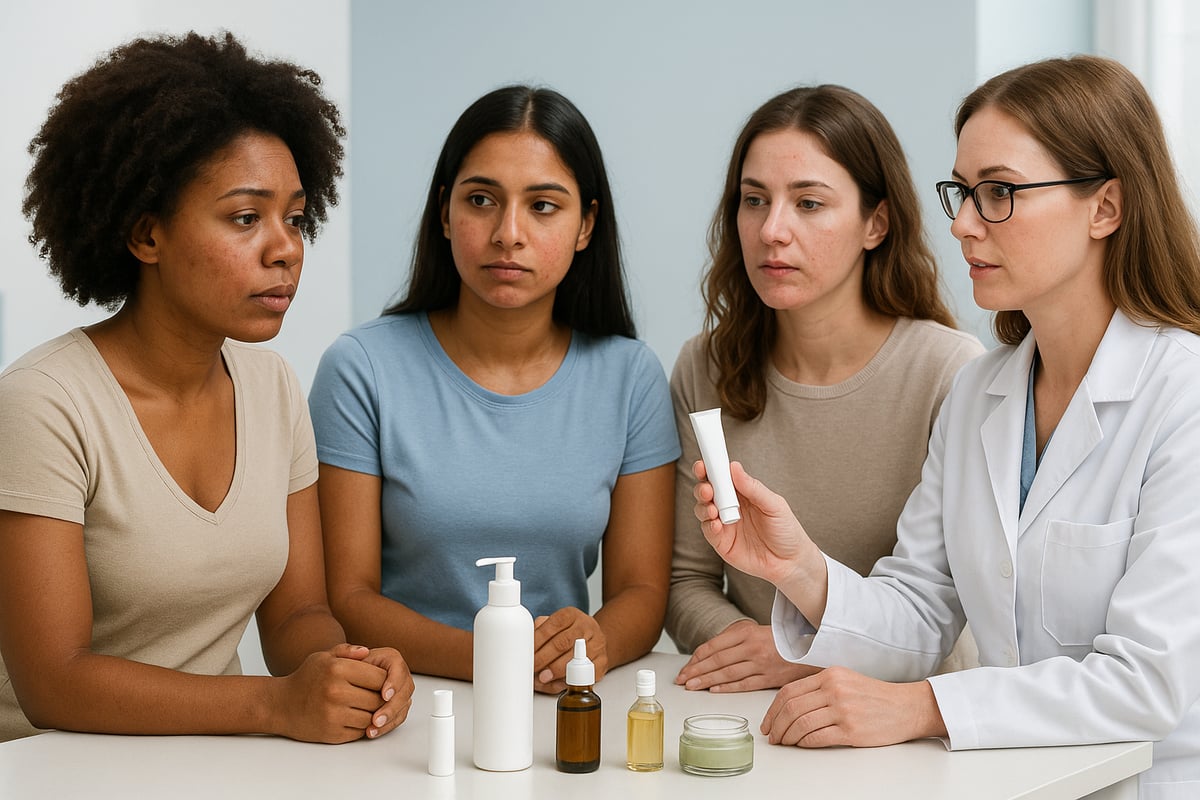
When it comes to treating perioral dermatitis and hormone fluctuations, dermatologists continue to rely on proven prescription options while integrating new research. Topical antibiotics such as metronidazole and clindamycin are commonly prescribed for their anti-inflammatory and antimicrobial effects. These creams target the underlying bacteria and reduce redness and bumps.
Oral antibiotics, like tetracyclines, are reserved for more persistent or severe cases. Treatment duration is usually limited to avoid potential side effects, such as gut imbalance or antibiotic resistance. Non-steroidal anti-inflammatory creams are gaining popularity, especially for those who want to avoid the risks of steroid use, like skin thinning or rebound flare-ups.
Exciting developments in hormone-modulating therapies are emerging. These include medications that help balance hormonal fluctuations, particularly for patients experiencing cyclical flare-ups linked to their menstrual cycle or menopause. According to a comprehensive 2025 review, understanding the connection between perioral dermatitis and hormone fluctuations has led to more targeted and effective prescription regimens.
Always consult your healthcare provider about side effects, especially if you have a history of sensitive skin or recurring flares. The right combination of treatments can make a world of difference for those managing perioral dermatitis and hormone fluctuations.
Holistic and Natural Approaches
For many, addressing perioral dermatitis and hormone fluctuations means looking beyond prescriptions. Holistic strategies focus on healing the skin and body from the inside out. Diet plays a critical role. Anti-inflammatory foods like leafy greens, berries, and fatty fish support skin health, while probiotics restore a healthy gut-skin connection.
Stress management is equally important. Mindfulness, yoga, and consistent sleep routines help regulate the stress hormones that can trigger skin problems. Gentle, fragrance-free skincare is essential. Avoiding harsh cleansers and opting for natural moisturizers reduces irritation and supports the skin barrier.
Clinical data from a 2025 study highlights the benefits of probiotics in reducing flare-ups associated with perioral dermatitis and hormone fluctuations. Incorporating these into your routine may help balance your microbiome and reduce inflammation.
Simple daily habits, such as drinking plenty of water and limiting processed foods, make a noticeable impact over time. Holistic care is about consistency and patience, providing ongoing support as you manage perioral dermatitis and hormone fluctuations.
The Role of Patient Education and Support
Empowering yourself with knowledge is a vital part of managing perioral dermatitis and hormone fluctuations. Patient communities and support groups offer a safe space to share experiences, tips, and encouragement. Online forums connect you with others who understand the daily struggles and small victories of life with this condition.
Tracking your symptoms and triggers is easier than ever with digital tools. Apps and online diaries help you identify patterns related to hormonal cycles, stress, and skincare products. This information is invaluable when working with your dermatologist to fine-tune your treatment plan.
Patient-led research initiatives and educational resources keep you updated on the latest breakthroughs. Being part of a community means you are never navigating perioral dermatitis and hormone fluctuations alone. With information, support, and the right strategies, you can confidently take control of your skin health.
Prevention Strategies and Lifestyle Adjustments
Preventing flare-ups of perioral dermatitis and hormone fluctuations can feel overwhelming, but small daily choices truly add up. Let’s break down practical strategies you can start today to protect your skin, balance your hormones, and stay ahead of trends shaping care in 2026.
Skincare Best Practices
The cornerstone of preventing perioral dermatitis and hormone fluctuations lies in your daily skincare routine. Start by choosing non-comedogenic, fragrance-free products that are gentle on sensitive skin. Avoid topical steroids unless prescribed, as these can worsen perioral dermatitis and hormone fluctuations over time.
A simple morning and evening routine might look like this:
- Cleanse gently with a mild, pH-balanced cleanser.
- Apply a lightweight, barrier-repair moisturizer.
- Use sunscreen during the day, opting for mineral formulas.
- Avoid harsh exfoliants and irritating ingredients like alcohol or strong acids.
Here’s a quick comparison table to guide product choices:
| Product Type | Recommended Features | Avoid |
|---|---|---|
| Cleanser | Fragrance-free, gentle | Sulfates, scrubs |
| Moisturizer | Non-comedogenic, ceramides | Petroleum, lanolin |
| Sunscreen | Mineral, zinc oxide | Chemical filters |
Consistency is key. Many have found that switching to minimalist routines and tracking their progress leads to clearer skin. If you’re wondering whether perioral dermatitis can be cured, new research suggests that remission is possible with diligent prevention and personalized care.
Hormonal Health and Lifestyle
Balancing your lifestyle is just as important as skincare in preventing perioral dermatitis and hormone fluctuations. Chronic stress, lack of sleep, and poor diet can disrupt hormones, triggering flares. Prioritize regular sleep, aim for 7–9 hours nightly, and create a calming bedtime routine.
Managing stress through mindfulness, yoga, or journaling can help stabilize hormone levels. Exercise boosts circulation and can reduce inflammation, benefiting both skin and hormonal balance.
Diet also plays a vital role. Focus on anti-inflammatory foods like leafy greens, berries, and fatty fish. Limit processed foods and sugar, which may aggravate perioral dermatitis and hormone fluctuations. Reducing exposure to pollution and harsh weather by wearing protective gear or staying indoors on high-pollution days can further minimize triggers.
Consider this: one reader reported fewer monthly flare-ups after switching to a Mediterranean-style diet, adding daily walks, and swapping out scented products. Small changes can make a remarkable difference over time.
Emerging Prevention Trends in 2026
The landscape of preventing perioral dermatitis and hormone fluctuations is rapidly evolving. Wearable technology, such as hormone-tracking rings or skin-monitoring patches, now allows users to anticipate and prevent flares before they start. Personalized skincare routines, developed using AI-powered apps, adapt to your hormonal cycle and skin needs in real time.
Teledermatology platforms make it easier to consult experts and adjust your regimen quickly. According to a 2023 study on Hormonal Variations Impact on Skin Disorders, these innovations are already showing promise in reducing flare frequency, especially for those with hormone-driven skin issues.
Data also suggests that users who combine tech-based tracking with lifestyle adjustments see the best results. Staying informed and open to new prevention tools is one of the smartest ways to keep perioral dermatitis and hormone fluctuations under control.
The Future of Perioral Dermatitis and Hormone Research
Wondering what the next few years hold for perioral dermatitis and hormone fluctuations? The landscape is changing fast, with innovations in digital health, treatment options, and research bridging the gap between patient needs and breakthrough science. Let’s take a look at what’s coming, what’s possible, and how you could benefit from these exciting advances.
Innovations in Diagnosis and Monitoring
Digital health is revolutionizing how perioral dermatitis and hormone fluctuations are detected and managed. AI-powered apps now analyze facial images, identifying flare patterns and even predicting future outbreaks. These platforms sync with wearable hormone trackers, giving real-time feedback on how estrogen or cortisol levels shift throughout your cycle.
At-home hormone and skin testing kits are making it easier to spot triggers. Imagine swiping a patch on your skin or giving a tiny saliva sample, then seeing your hormone data appear instantly in your app. This integration helps users and dermatologists personalize care and catch flare-ups before they start.
For example, one patient used a wearable sensor connected to an AI-driven platform. She was able to log symptoms, track her cycle, and receive tailored alerts for high-risk days. This proactive approach led to fewer flare-ups and improved her confidence in managing perioral dermatitis and hormone fluctuations.
If you’re curious about how menopause-related changes could affect your skin in the future, check out this resource on Menopause and dry skin for more insights.
New Treatments on the Horizon
The next wave of therapies for perioral dermatitis and hormone fluctuations focuses on precision and personalization. Scientists are developing topical creams that target inflammation without disrupting the skin barrier. For women, especially those experiencing hormone-driven flares, new formulations are being designed to work alongside natural hormonal cycles.
Recent clinical trials highlight peptide-based creams and microbiome-friendly solutions, showing strong results for both symptom reduction and long-term remission. There’s also exciting progress in hormone-modulating drugs that gently balance estrogen and progesterone, minimizing side effects.
Here’s a quick look at some promising treatments:
| Therapy Type | Key Benefit | Status (2025-2026) |
|---|---|---|
| Peptide-based creams | Reduces redness, inflammation | Phase III trials |
| Microbiome creams | Restores healthy flora | Market release 2025 |
| Hormone modulators | Balances cycles, fewer flares | Early trials |
To discover a topical solution designed with women’s needs in mind, explore this effective perioral dermatitis cream for women that aligns with these new advances.
Expert Perspectives and Patient Voices
Dermatologists predict that the future of perioral dermatitis and hormone fluctuations management will be highly individualized. Genetic and hormonal profiling are expected to guide treatment choices, ensuring each patient gets a plan that fits their unique biology.
Patients are already sharing powerful stories about adapting to new tools. For instance, one user described how integrating a hormone tracker and AI app helped pinpoint that her flares peaked right before ovulation. This knowledge empowered her to adjust her routine and feel more in control.
Ongoing research is prioritizing the link between lifestyle, hormones, and the skin’s microbiome. Experts believe that with better technology and community support, the stigma and frustration of perioral dermatitis and hormone fluctuations could soon be a thing of the past.
Stay tuned as the field evolves. Your journey with perioral dermatitis and hormone fluctuations is about to get a whole lot brighter.