
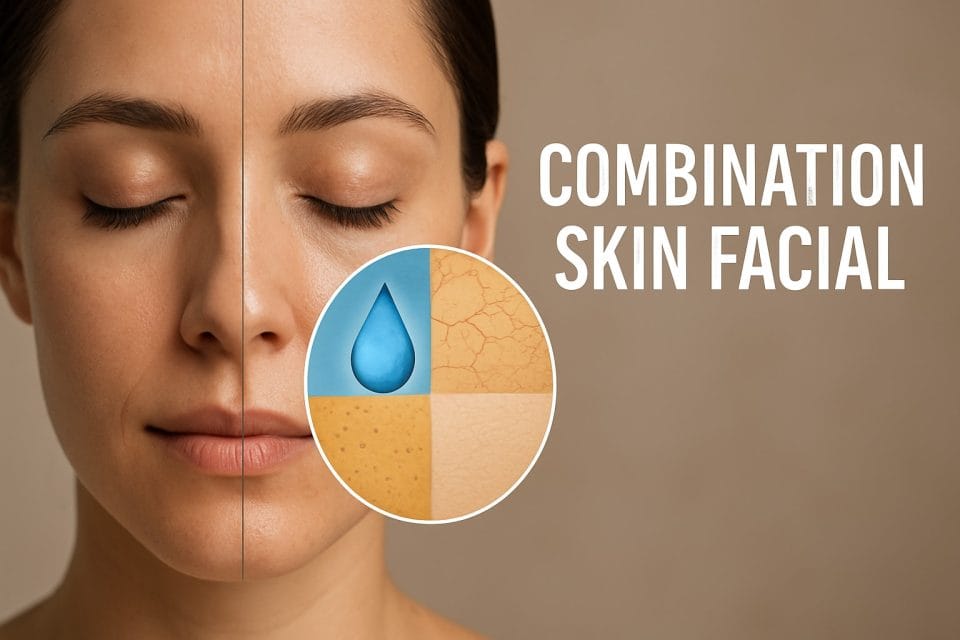
Facing the constant challenge of a balanced complexion, many people are searching for the perfect combination skin facial routine—especially as environmental changes and innovative products shake up the skincare world in 2026.
Understanding the unique needs of combination skin is more important than ever. Oily zones and dry patches require a strategic approach. This guide provides actionable, expert-backed advice to help you master both areas for a healthy, glowing look.
Ready to transform your combination skin facial routine? Follow this comprehensive, science-based guide. You’ll discover step-by-step routines, recommended products, and the latest strategies for achieving a radiant, balanced complexion. Here’s what you’ll learn: how to identify combination skin, the latest facial care steps, essential ingredients, common pitfalls, expert insights, and the newest trends for 2026.
Understanding Combination Skin: Causes, Characteristics, and Challenges
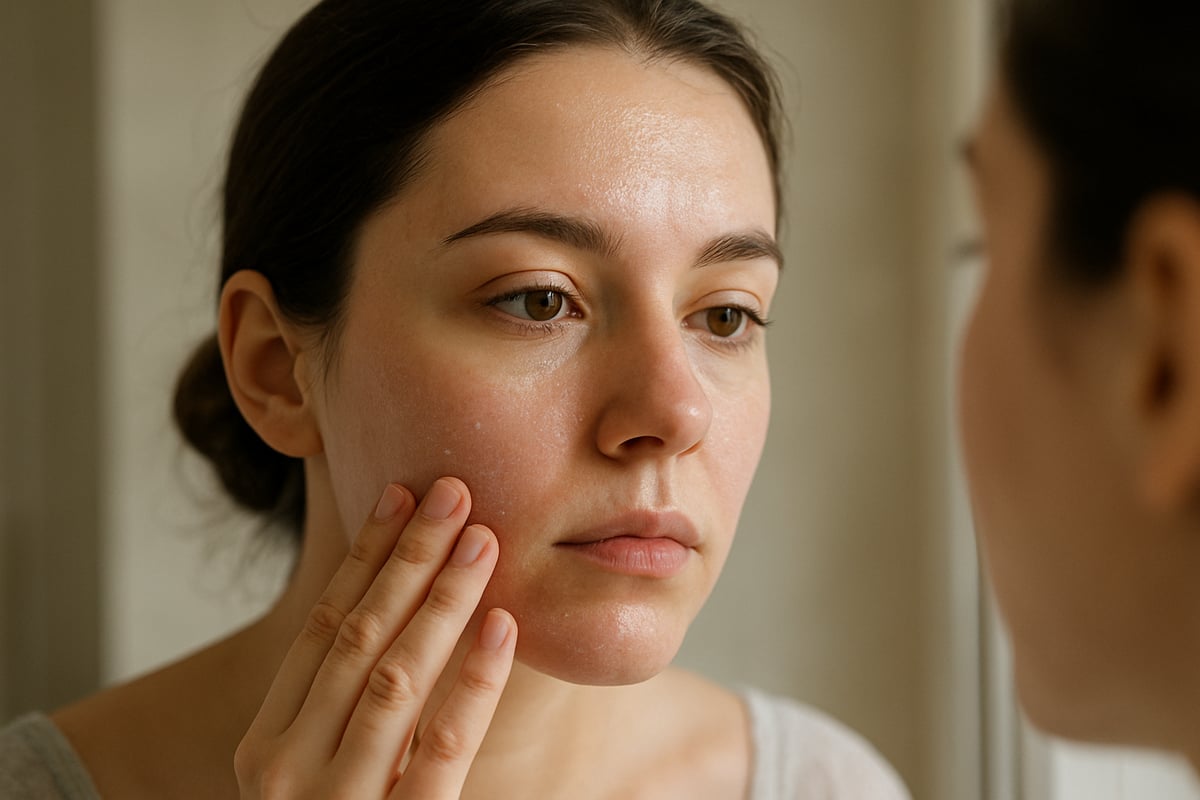
Combination skin is one of the most misunderstood skin types. Clinically, it refers to skin that displays both oily and dry/normal zones, often with an oily T-zone (forehead, nose, chin) and drier cheeks. This pattern can shift with age or environment, but the hallmark is the coexistence of two or more skin types on the face. Studies show that combination skin is most common among teens and adults aged 20–40, but it can affect anyone. Unlike purely oily or dry skin, combination skin facial routines need to address multiple concerns at once. Everyday examples include battling forehead shine while dealing with flaky cheeks, making consistent care a challenge. If you’re seeking more targeted advice, check out this Facial care for combination skin resource for practical tips.
What Is Combination Skin?
Combination skin facial care starts with understanding the underlying causes. Genetics play a major role—if your parents had combination skin, you’re more likely to inherit it. Hormonal changes, such as puberty or menopause, can trigger shifts in oil production and dryness. Environmental factors like urban pollution and changing climates also contribute. Lifestyle habits, including high-stress levels, diet, and inconsistent sleep, can further complicate your skin’s balance. In a 2025 dermatology survey, 38% of adults identified as having combination skin, highlighting its prevalence. These overlapping causes mean that a combination skin facial approach must be adaptable and responsive to your unique mix of triggers.
Causes and Contributing Factors
Managing combination skin facial challenges requires a careful balance. The oily T-zone is prone to excess shine, enlarged pores, and blackheads, while the cheeks can experience dryness, flaking, and sensitivity. Many people struggle to keep oily areas matte without stripping moisture from drier zones. Redness and irritation often appear when products are too harsh or not tailored for multiple concerns. Hydration and sebum control are the ultimate balancing act. For example, a 30-year-old might find persistent T-zone shine alongside dry, patchy cheeks, making it tough to find a routine that soothes both. A successful combination skin facial routine must be customized for these unique hurdles.
Common Challenges and Skin Concerns
Proper diagnosis is the foundation of any effective combination skin facial. At home, you can try the blotting sheet test: press a clean sheet onto different parts of your face and observe where oil appears. The bare-face method—simply washing and waiting—can also reveal your skin’s true nature. In 2026, professional skin analysis has become more accessible, with AI-driven apps offering digital assessments. Remember, your skin type can shift with the seasons or hormonal changes, so reassessment is key. Misdiagnosis leads to ineffective routines, often resulting in more oiliness or dryness. Getting it right sets the stage for a balanced, healthy complexion.
Diagnosing Your Skin Type Accurately
What makes a combination skin facial in 2026 different? Today’s environment exposes us to increased blue light from screens and higher levels of urban pollution. The shift toward remote work means more screen time, which a 2025 study linked to increased sebum production. These factors can intensify T-zone oiliness while leaving cheeks vulnerable to dryness. Trends now point to a demand for adaptive, personalized skincare solutions, with products designed to respond to your environment and daily habits. Staying informed about these changes ensures your combination skin facial routine remains effective and up to date.
Step-by-Step Combination Skin Facial Routine for 2026
Caring for combination skin can feel like juggling two different routines at once, but with the right steps, you can achieve harmony. The combination skin facial routine for 2026 is designed to balance oil and hydration, adapt to modern environmental challenges, and deliver a radiant complexion. Ready to transform your skin? Let’s break it down step by step.
Step 1: Gentle Cleansing and Double Cleansing
A successful combination skin facial always starts with a gentle cleanse. Removing dirt and oil without stripping is essential. Choose a sulfate free, pH balanced cleanser to maintain your skin’s delicate barrier. Double cleansing, especially if you wear makeup or live in a city, ensures every pore is refreshed.
Let’s compare gel and cream cleansers:
| Cleanser Type | Best For | Pros | Cons |
|---|---|---|---|
| Gel | Oily T-zone | Lightweight, unclogs pores | May dry cheeks if overused |
| Cream | Dry cheeks | Hydrating, soothes skin | Too rich for oily areas |
Pick a gel for the T-zone and a cream for cheeks, or try a hybrid. This tailored approach is the cornerstone of any effective combination skin facial.
Step 2: Exfoliation—Physical vs. Chemical
Exfoliation is your secret weapon for a glowing combination skin facial. It helps clear clogged pores in oily zones and buffs away dry flakes on cheeks. Dermatologists in 2025 agree: stick to exfoliating 1-2 times per week to avoid irritation.
Physical exfoliants use gentle beads or powders, while chemical exfoliants rely on AHAs and BHAs. For combination skin, chemical exfoliants like glycolic or salicylic acid are often safer, as they target problem areas without over scrubbing. Always patch test new products and listen to your skin—less is more when it comes to exfoliation in your combination skin facial routine.
Step 3: Targeted Toning and Balancing
A toner is the unsung hero of a balanced combination skin facial. It resets your skin’s pH, refines pores in the T-zone, and calms sensitive spots. Look for toners with niacinamide to minimize shine, witch hazel for clarifying, or rose water for soothing.
Avoid alcohol based toners—they can dry out your cheeks and disrupt your skin’s balance. In 2026, popular options include mist toners and hydrating essences that deliver targeted benefits. Apply with a cotton pad or hands, focusing on areas that need extra attention for the most even combination skin facial results.
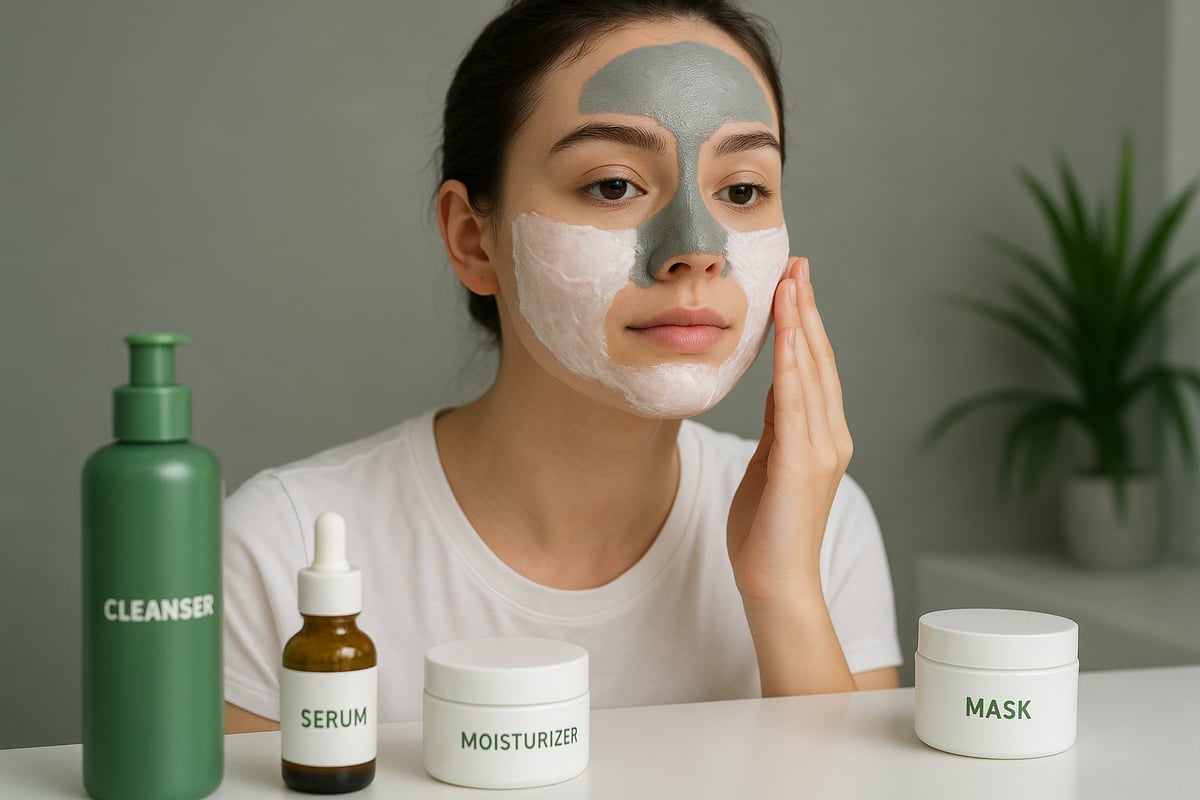
Step 4: Multi-Zone Masking (Multi-Masking)
Multi-masking has become a viral sensation for the combination skin facial. The trick is to use a clay mask on your oily T-zone for oil control and a rich hydrating mask on your cheeks to soothe dryness. Apply masks simultaneously, let them sit for 10-15 minutes, then rinse each zone gently.
Frequency matters—once or twice a week is ideal. Social media in 2026 is filled with creative routines, and experts recommend tailoring masks to your skin’s needs. For more inspiration on hydrating and balancing masks, check out face masks for moisturising. This step gives your combination skin facial a real boost.
Step 5: Layering Serums and Treatments
Serums are the powerhouse of your combination skin facial. Choose formulas that target your unique concerns. For dry patches, hyaluronic acid delivers deep hydration. For dullness or uneven tone, vitamin C brightens and protects. Spot treat blemishes or oiliness with niacinamide or zinc.
Be mindful not to layer conflicting actives, like retinol and strong acids, in one session. In 2026, top rated serums use smart delivery systems to adapt to your skin’s needs. Apply serums in thin layers, pressing gently for maximum absorption. This focused approach ensures your combination skin facial is both effective and safe.
Step 6: Moisturizing—Finding the Right Balance
Hydration is crucial for every combination skin facial, even if you battle oil in some areas. Go for lightweight gel moisturizers on your T-zone and richer creams for drier cheeks. Non comedogenic, fragrance free options are best to prevent breakouts and irritation.
Recent data shows 40 percent of combination skin users prefer gel cream hybrids, which balance moisture without heaviness. Apply moisturizer while skin is still damp from serums to lock in hydration. This step seals your routine, keeping both oily and dry zones happy in your combination skin facial.
Step 7: Sun Protection and Final Steps
No combination skin facial is complete without sun protection. Broad spectrum SPF is a daily must, even indoors. Pick a non greasy, mineral or hybrid sunscreen that won’t clog pores or leave a white cast.
Finish with extras like a hydrating mist or setting spray to refresh your skin throughout the day. In 2026, innovative SPF moisturizers combine sun protection with hydration, streamlining your routine. Remember, consistency is key—sun protection is the final shield in your combination skin facial, preserving all your hard work.
Essential Ingredients and Product Recommendations for Combination Skin
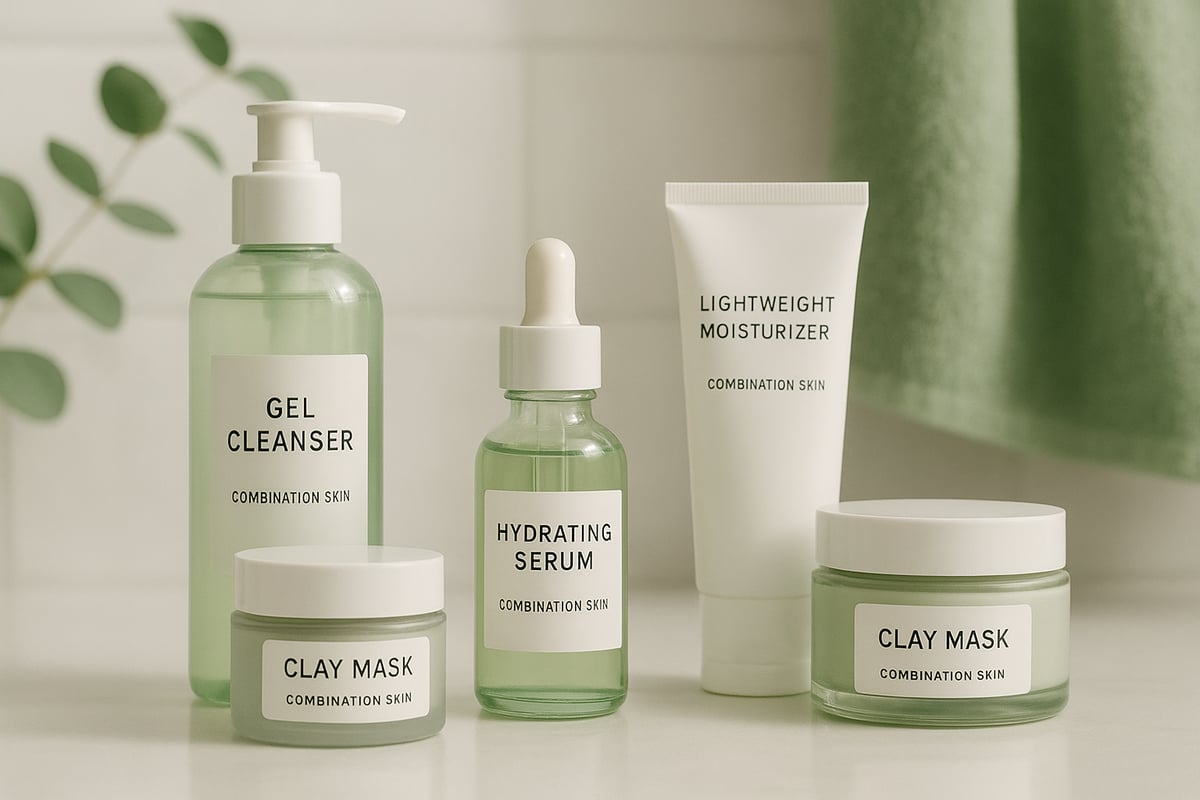
Choosing the right ingredients can make or break your combination skin facial routine. In 2026, navigating the skincare aisle is more complex than ever, but understanding what works (and what does not) will help you achieve balance, clarity, and that elusive glow.
Hydrators and Humectants
Hydration is the backbone of any combination skin facial routine. Humectants like hyaluronic acid, glycerin, and aloe vera draw moisture into the skin without leaving a greasy residue. These ingredients help plump dry areas while preventing the T-zone from feeling weighed down.
- Hyaluronic Acid: Deeply hydrates, suitable for all zones.
- Glycerin: Locks in water, softens rough patches.
- Aloe Vera: Soothes and hydrates, calms redness.
A 2025 consumer survey revealed that hyaluronic acid serums are the top choice among combination skin facial users, with 62% preferring lightweight, fast-absorbing formulas. When you look for a hydrator, choose one that blends seamlessly into both oily and dry areas for all-day comfort.
Oil-Control and Sebum-Regulating Ingredients
Targeting oiliness in the T-zone without stripping the cheeks is vital for any combination skin facial. Ingredients like niacinamide, zinc PCA, and green tea extract help control shine and minimize pores while preserving moisture.
- Niacinamide: Reduces sebum production, evens tone.
- Zinc PCA: Mattifies, calms breakouts.
- Green Tea Extract: Antioxidant-rich, controls oil gently.
A recent clinical trial found niacinamide serums reduced T-zone oiliness by 28% over eight weeks. Need more tips for oil-prone zones? Explore these oily face care tips to refine your combination skin facial approach and keep shine at bay.
Barrier-Repair and Soothing Agents
A healthy barrier is essential for a balanced combination skin facial routine. Ceramides, panthenol, and squalane restore and protect the skin's natural shield, helping prevent irritation and redness, especially on the cheeks.
- Ceramides: Strengthen the barrier, reduce moisture loss.
- Panthenol (Vitamin B5): Calms and repairs sensitive areas.
- Squalane: Lightweight oil that hydrates without clogging.
Dermatologists often recommend barrier creams with these ingredients for combination skin facial care, especially during seasonal changes or after exfoliation. Look for fragrance-free, non-comedogenic options to ensure comfort and resilience.
Exfoliants and Pore-Refining Ingredients
Gentle exfoliation is a game-changer in a combination skin facial routine. Both AHAs (like lactic and glycolic acid) and BHAs (such as salicylic acid) target clogged pores and flaky patches, revealing smoother, brighter skin.
- AHAs: Sweep away dead skin, brighten dull areas.
- BHAs: Unclog pores, reduce blackheads in oily zones.
- Enzyme Exfoliants: Offer gentle, non-abrasive resurfacing.
According to 2026 trends, enzyme-based exfoliants are gaining popularity for their mild yet effective action. Choose exfoliating pads or leave-on treatments designed for combination skin facial use, and limit exfoliation to 1-2 times weekly to avoid overdoing it.
Ingredients to Avoid for Combination Skin
Knowing what to skip is just as important for your combination skin facial. Harsh alcohols, heavy oils, and synthetic fragrances can lead to irritation, breakouts, or increased dryness.
Common culprits include:
- Denatured Alcohol: Dries out delicate areas.
- Coconut Oil: Too heavy, clogs pores in the T-zone.
- Synthetic Fragrances: Trigger redness and sensitivity.
2025 allergy reports show that 18% of reactions in combination skin facial routines stem from these ingredients. Always check labels, and when in doubt, patch test new products before full application.
Expert Tips, Myths, and Common Mistakes in Combination Skin Care
Navigating a combination skin facial routine in 2026 can feel overwhelming, especially with new products and tech popping up daily. To help you find clarity, we’re sharing trusted expert strategies, busting common myths, and highlighting mistakes to avoid. Let’s break down what really matters for long-term skin balance and radiance.
Top Dermatologist-Recommended Tips for 2026
Dermatologists agree: a successful combination skin facial routine is all about customization. Don’t treat your face as a single zone. Instead, adapt your steps for oily, dry, and normal areas. For example, use a lightweight gel moisturizer on your T-zone and a richer cream on your cheeks.
Key expert tips include:
- Adjust your products seasonally, as humidity and temperature affect skin.
- Try “skin cycling,” alternating active ingredients like exfoliants and retinoids throughout the week.
- Layer serums or treatments, focusing on specific areas and needs.
- Embrace a minimalist approach—fewer, targeted products often yield better results.
- Always finish with sun protection.
For an in-depth combination skin facial routine, check out this combination skin care routine guide for step-by-step advice.
Persistent Myths and Misconceptions
Despite new research, myths about combination skin facials still circulate. One common misconception: “Oily skin doesn’t need moisturizer.” In reality, skipping hydration can trigger even more oil production.
Other myths to watch for:
- “Treat your whole face the same.” Each area needs unique care.
- “Natural products aren’t effective.” Many plant-based ingredients work wonders for mixed skin types.
A 2025 survey revealed over 50% of people still believe at least one of these myths. Don’t let outdated advice derail your combination skin facial results.
Most Common Mistakes to Avoid
Even with the best intentions, mistakes can sabotage your combination skin facial routine. Over-exfoliating is a top culprit, leading to irritation and rebound oiliness. Under-moisturizing is another, especially if you avoid creams due to fear of breakouts.
Common pitfalls include:
- Using harsh acne treatments across your entire face.
- Ignoring sun protection, leaving skin vulnerable to damage.
- Skipping patch tests when trying new products.
Real-world case studies show that improper routines often result in persistent shine, dryness, or breakouts. Take time to personalize each step of your combination skin facial.
Adapting Your Routine to Life Changes and Aging
Life events and aging can transform your combination skin facial needs. Hormonal shifts, including pregnancy, menopause, or stress, may trigger new areas of dryness or oiliness. As you enter your 40s or 50s, expect increased dryness and a loss of elasticity.
Tips for adapting:
- Reassess your routine every few years.
- Swap lightweight products for richer ones as skin ages.
- Adjust for seasonal and hormonal changes.
For example, adults in their 40s may benefit from adding peptides and ceramides to their combination skin facial regimen. Listen to your skin and evolve your products as needed.
When to See a Dermatologist or Skin Specialist
Sometimes, professional help is essential for a stubborn combination skin facial issue. Persistent breakouts, lasting redness, or unexplained changes signal it’s time to consult a dermatologist. In 2026, digital skin mapping and AI-driven skin hydration assessment tools make diagnosis more precise than ever.
If over-the-counter solutions fall short, don’t hesitate to seek expert advice. According to 2025 statistics, dermatology visits for combination skin concerns continue to rise. Professional insight can make all the difference for stubborn or complex cases.
Embracing Natural and Sustainable Skincare for Combination Skin
Navigating the world of natural and sustainable skincare can feel overwhelming, especially when your goal is a healthy combination skin facial routine. The good news? 2026 brings a wave of eco-conscious choices and innovative products, making it easier than ever to care for your skin and the planet at the same time.
The Rise of Clean, Green, and Ethical Skincare Products
Clean and green beauty is more than just a buzzword in 2026. The natural skincare market has surged, with an 18% year-over-year increase according to a 2025 market report. This shift is driven by consumers who want ethical, cruelty-free, and eco-friendly options for every combination skin facial.
Today's brands are transparent about ingredient sourcing and production. Shoppers prioritize products that protect both their skin and the environment. Want to stay ahead of the curve? Check out the latest skincare trends for 2026 to see how clean beauty is evolving.
Benefits of Natural Ingredients for Combination Skin
Natural ingredients offer gentle yet effective benefits for a combination skin facial. Plant-based hydrators like aloe vera, chamomile, and calendula soothe dry patches while balancing oil-prone zones. These ingredients minimize the risk of irritation and support the skin’s natural barrier.
Looking for more ways to nurture dry areas during your routine? Discover expert-backed solutions for very dry skin to help achieve harmony across the T-zone and cheeks. Embracing botanicals means fewer harsh additives and a more radiant complexion.
How to Choose Truly Natural and Effective Products
Choosing the right products for your combination skin facial starts with reading labels. Look for certifications like organic or cruelty-free, and scan ingredient lists for recognizable, plant-based components. Be wary of greenwashing, where brands use misleading claims without true eco-credentials.
Authentic natural skincare brands often share their sourcing and sustainability practices openly. Compare ingredient transparency and third-party certifications to find formulas that actually deliver results. If in doubt, research the brand’s reputation and customer reviews before making a purchase.
Sustainable Practices and Packaging Innovations
Sustainability is now a cornerstone of the combination skin facial routine. Brands are embracing refillable containers, recyclable glass, and biodegradable packaging to minimize waste. These innovations not only help the planet but also reflect a commitment to long-term skin health.
A 2026 consumer survey found that eco-friendly packaging influences purchase decisions for over half of skincare shoppers. Look for companies leading the way with circular packaging systems and reduced plastic use. Making mindful choices supports both your complexion and the environment.