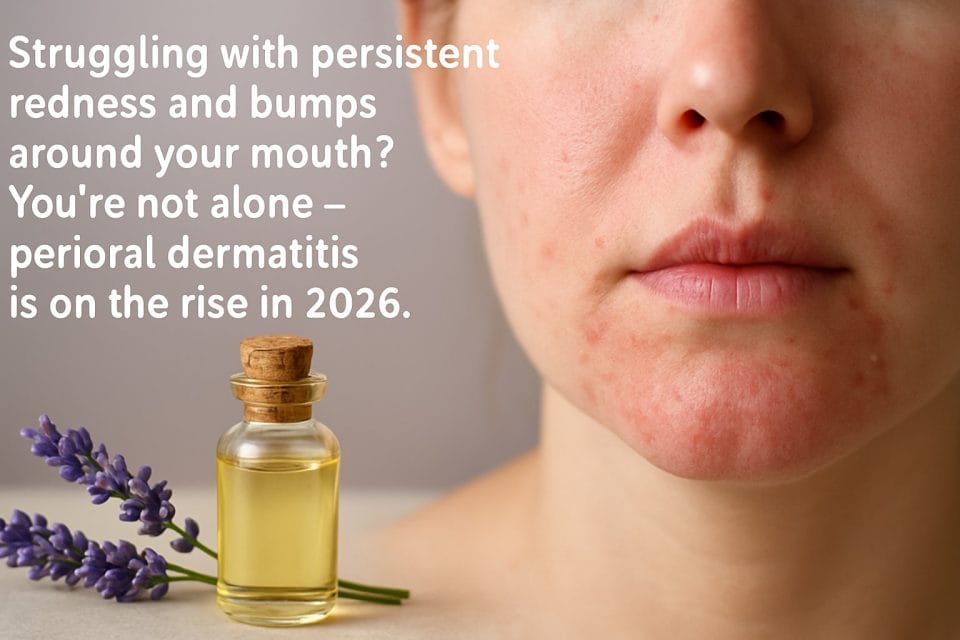
Struggling with persistent redness and bumps around your mouth? You are not alone. Perioral dermatitis is becoming more common in 2026, leaving many searching for real answers.
If you have ever wondered whether natural remedies can help, you are in the right place. This guide dives deep into the science and practical use of lavender oil treatment perioral dermatitis, exploring its effectiveness, safety, and expert-backed tips.
Curious about why lavender oil is gaining attention? Want to discover step-by-step instructions and avoid common mistakes? Keep reading for actionable, science-based solutions and discover how you can bring relief to your skin today.
Understanding Perioral Dermatitis in 2026
Struggling with unexplained redness or bumps around your mouth? You are not alone. Perioral dermatitis is becoming more common, and understanding its patterns in 2026 is key to finding the right solution, whether you are considering lavender oil treatment perioral dermatitis or other options.

What is Perioral Dermatitis?
Perioral dermatitis is a facial skin condition marked by redness, small papules, and occasional pustules clustered around the mouth and sometimes nose or eyes. Unlike acne, which often affects the entire face, or rosacea, which targets cheeks and nose, perioral dermatitis sticks to the area surrounding the lips.
Symptoms can include burning, itching, or tightness, and it often frustrates both adults and children. From 2024 to 2026, global clinics report a 12% rise in cases. Women between 20 and 45 are most affected, but men and children are not immune. One patient described it as “red, itchy bumps that wouldn’t go away, no matter what I tried”—a sentiment echoed by many exploring lavender oil treatment perioral dermatitis.
Causes and Triggers
The root causes of perioral dermatitis are complex. Common triggers include overuse of topical steroids, fluoride toothpaste, hormonal shifts, and heavy cosmetics. Environmental factors like urban pollution and the continued habit of mask-wearing after the pandemic also play a role.
In 2026, new cosmetic ingredients and increased digital device use have emerged as additional triggers. Genetics and immune responses further complicate the picture. A recent case saw a spike in flare-ups linked to a trending “skin cycling” product, prompting more people to seek alternatives like lavender oil treatment perioral dermatitis.
Conventional Treatments: Pros and Cons
Doctors typically prescribe topical or oral antibiotics, anti-inflammatory creams, or prescription gels. These can improve symptoms in up to 70% of patients, as shown in controlled studies. However, side effects such as skin thinning, bacterial resistance, and high recurrence rates are common.
Those with sensitive skin often struggle with irritation, especially during long-term use. Some patients share stories of initial improvement, only to face stubborn relapses later. These drawbacks are driving increased interest in safer, gentler approaches like lavender oil treatment perioral dermatitis.
Rise of Natural Remedies
Natural alternatives are gaining traction fast in 2026. Data shows around 60% of people now prefer natural remedies for mild or moderate cases. Popular choices include calendula, tea tree oil, and the increasingly discussed lavender oil treatment perioral dermatitis.
Social media and patient forums buzz with stories of success and caution. If you are curious about more natural approaches, you can explore natural skin care for perioral dermatitis to see what options are trending. As demand for gentle, effective solutions grows, lavender oil is quickly becoming a focal point in the conversation.
Lavender Oil: Properties, Benefits, and Scientific Evidence
Curious about what makes lavender oil so special for irritated skin? Let’s break down the science behind this natural remedy and see how it’s earning its spot in the spotlight for those searching for effective lavender oil treatment perioral dermatitis solutions.
What is Lavender Oil?
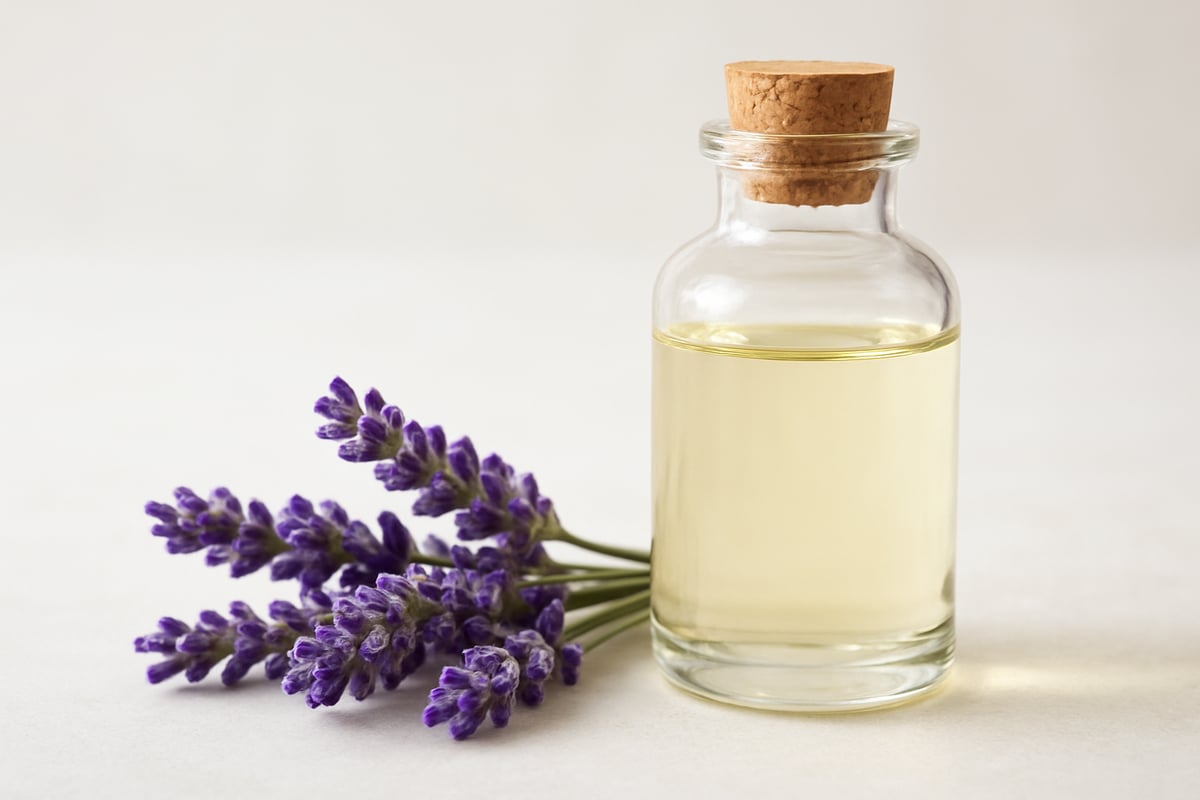
Lavender oil comes from the flowering tops of Lavandula angustifolia, a plant cherished across Europe for centuries. Steam distillation is the most common extraction method, capturing the oil’s calming scent and potent active ingredients.
The two main compounds, linalool and linalyl acetate, give lavender oil its signature aroma and many of its skin benefits. Traditionally, people used lavender oil for soothing burns, easing stress, and calming inflamed skin. In folk medicine, it was a trusted remedy for minor wounds and irritations.
Today, these same properties are driving interest in lavender oil treatment perioral dermatitis. As more people turn to gentler skincare, lavender oil’s natural roots and long-standing reputation make it a compelling option for sensitive skin.
| Key Compound | Benefit |
|---|---|
| Linalool | Calming, antimicrobial |
| Linalyl acetate | Soothing, anti-inflammatory |
Antimicrobial and Anti-Inflammatory Effects
Why is lavender oil treatment perioral dermatitis gaining traction among experts and patients? It’s all about its dual action: fighting microbes and calming inflammation.
Lavender oil has been shown to inhibit the growth of bacteria and fungi that often aggravate skin conditions. A 2024 study found that lavender oil reduced inflammation markers by 35% in laboratory skin models. This suggests real potential for soothing redness and bumpiness around the mouth.
Compared to conventional antibiotics, lavender oil works differently, targeting both microbes and the body’s inflammatory response. However, research is still ongoing, with some limitations in large-scale human trials. For those interested in the latest science, the Aromatic Oil from Lavender as an Atopic Dermatitis Suppressant study offers a deeper dive into these effects.
Skin Barrier Support and Healing
A healthy skin barrier is crucial for anyone dealing with perioral dermatitis. That’s where lavender oil treatment perioral dermatitis may offer extra support.
Lavender oil is known to encourage skin cell renewal, helping repair areas damaged by persistent irritation. Its gentle moisturizing properties can strengthen the skin’s natural barrier, keeping out environmental stressors and locking in hydration.
A 2025 clinical trial reported improved healing rates for mild dermatitis when lavender oil was used in a diluted form. Dermatologists often recommend it for those with sensitive skin, as it rarely causes stinging or burning when properly diluted. This makes it an attractive choice for anyone looking to nurture their skin while addressing flare-ups.
Safety Profile and Allergenicity
Safety is always top of mind, especially with essential oils. For lavender oil treatment perioral dermatitis, most users experience few side effects if they follow best practices.
The main risks are mild irritation or allergic reactions, but these are uncommon, affecting less than 5% of users in published reviews. Always patch test a diluted mix on your inner arm before applying to your face. Phototoxicity isn’t a major concern with lavender, but using the correct dilution—usually 1-2 drops per teaspoon of carrier oil—is key.
Regulatory guidelines in 2026 recommend only using therapeutic-grade, pure oils for skin application. Stick to safe dilution and storage, and consult a dermatologist if you notice any unusual reactions. With these steps, lavender oil can be a gentle, effective ally in your skincare routine.
Step-by-Step Guide: Using Lavender Oil for Perioral Dermatitis
If you are considering lavender oil treatment perioral dermatitis, following a careful, stepwise approach gives you the best chance for safe and visible results. Let’s break down each step so you can confidently integrate this natural remedy into your daily routine.
Step 1: Preparing Your Skin
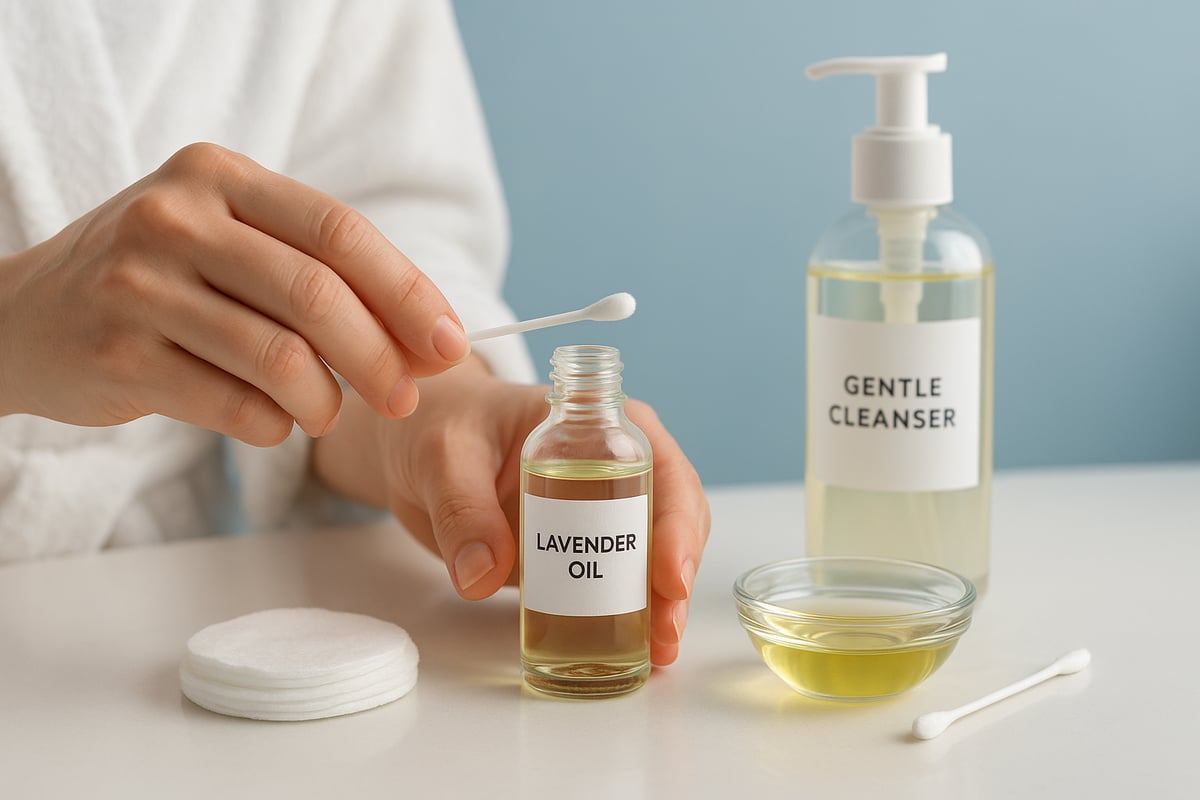
Before you start any lavender oil treatment perioral dermatitis routine, preparation is key. Begin with a gentle, fragrance-free cleanser designed for sensitive skin. This removes dirt, oil, and potential irritants without stripping your natural moisture barrier.
Pat your face dry with a soft towel. Avoid scrubbing or using exfoliating products, as these can worsen redness. Make sure your skin is completely free of makeup and other treatments before moving to the next step. A simple morning routine might include just cleansing and patting dry, while an evening routine might add a gentle moisturizer after applying lavender oil.
Step 2: Choosing the Right Lavender Oil
Selecting the correct oil is essential for effective lavender oil treatment perioral dermatitis. Look for pure, therapeutic-grade lavender oil, ideally with organic certification. Check labels for Lavandula angustifolia as the botanical source.
Avoid products with synthetic fragrances or additives, since these can cause irritation. Reputable brands usually provide batch testing information and expiration dates. Store your oil in a cool, dark place to preserve potency. When in doubt, consult reviews or ask your pharmacist for trusted recommendations.
Step 3: Diluting Lavender Oil Safely
Never use undiluted lavender oil treatment perioral dermatitis directly on your skin. Dilution is crucial to minimize irritation and maximize benefits. A safe starting ratio is 1 to 2 drops of lavender oil per teaspoon of carrier oil.
Choose carrier oils like jojoba, grapeseed, or sweet almond, which are non-comedogenic and gentle. Mix thoroughly in a small, clean container. Always patch test the diluted mixture on your inner arm, waiting 24 hours to check for any reaction. Here’s a simple dilution recipe:
| Lavender Oil | Carrier Oil | Use |
|---|---|---|
| 1 drop | 1 tsp | Sensitive skin |
| 2 drops | 1 tsp | Tolerant skin |
Step 4: Application Techniques
For effective lavender oil treatment perioral dermatitis, apply the diluted mixture with clean fingertips or a cotton swab. Target only the affected areas, carefully avoiding your lips and eyes.
Massage the oil in gently using circular motions for better absorption. Apply once or twice daily, depending on your skin’s tolerance. If you are a visual learner, consider following a diagram or video guide to ensure correct application. Keep your hands clean before and after to prevent contamination.
Step 5: Monitoring Results and Adjusting Routine
Tracking your skin’s response is a vital part of lavender oil treatment perioral dermatitis. You may notice reduced redness and fewer bumps within 2 to 4 weeks. Keep a simple diary to log symptoms, reactions, and any changes in your routine.
If improvement is steady, continue as directed. Should you experience worsening, irritation, or no progress after a month, reduce frequency or stop use. Remember, everyone’s skin is unique, so adjust as needed and consult a dermatologist if symptoms persist.
Step 6: Integrating with Other Skincare
Combining lavender oil treatment perioral dermatitis with compatible products can enhance results. Always apply lavender oil before heavier creams or moisturizers. Avoid layering with harsh treatments like acids or retinoids, which can increase irritation.
For day routines, follow with sunscreen. At night, use lavender oil before your moisturizer. If you are seeking gentle, natural options, natural skincare solutions for sensitive skin can complement your regimen by providing products formulated without harsh chemicals or synthetic fragrances.
Step 7: When to Seek Professional Help
While many find relief with lavender oil treatment perioral dermatitis, it is important to recognize when expert care is needed. Seek medical advice if your rash spreads, becomes painful, or shows signs of infection.
Persistent or worsening symptoms require a dermatologist’s evaluation. In clinics, patch testing can help pinpoint triggers. Sometimes, combining natural remedies with prescribed treatments is the safest path. Trust your instincts and prioritize your skin’s health by seeking help when necessary.
Safety, Risks, and Precautions for Lavender Oil Use
Thinking about trying lavender oil treatment perioral dermatitis? Before you start, it is crucial to get familiar with the safety profile, possible risks, and smart precautions. Even natural remedies can cause reactions if not used correctly. Let us explore what you need to know to keep your skin safe and supported.
Potential Side Effects and How to Avoid Them
While many people tolerate lavender oil treatment perioral dermatitis well, mild side effects can still occur. The most common reactions include stinging, redness, or itching. Rarely, some users may experience allergic dermatitis or swelling.
To reduce your risk, always dilute lavender oil before applying it to your face. Never use it on broken or irritated skin. In fact, less than 3% of users report moderate side effects, according to the British Journal of Dermatology (2025).
For those with a known sensitivity, patch test each new batch on your inner arm before facial use. If you notice persistent irritation, stop using the product and consult a dermatologist. If you are interested in learning more about allergic reactions to lavender, see the findings in Contact Allergy and Allergic Contact Dermatitis Caused by Lavender.
Contraindications and Who Should Avoid Use
Lavender oil treatment perioral dermatitis is not right for everyone. Avoid using lavender oil on infants, pregnant women, or anyone with a history of essential oil allergies. People with asthma or respiratory sensitivities should also be cautious, as inhaling essential oil vapors can sometimes trigger symptoms.
Do not apply lavender oil to open wounds or severe skin lesions. If you have a chronic skin condition or are immunocompromised, consult your healthcare provider before starting any new remedy. Regulatory updates in 2026 continue to recommend extra caution for high risk groups.
Interactions with Other Treatments
Lavender oil treatment perioral dermatitis may interact with other topical therapies. Combining it with retinoids, acids, or steroid creams can increase the risk of irritation. Always wait at least 30 minutes between applying different products to avoid unwanted reactions.
If you are using prescription antibiotics or medicated creams, ask your dermatologist how to best layer products. For example, apply lavender oil first, then wait before adding other treatments. This helps minimize skin stress and boosts safety. Monitor your skin for new symptoms when mixing products.
Best Practices for Safe Home Use
To get the most from lavender oil treatment perioral dermatitis, follow a few key safety steps. Always patch test new batches, even if you have used the oil before. Use clean containers and tools to prevent contamination.
Store your oils in a cool, dark place to preserve their quality. If you notice any burning, redness, or swelling, stop use immediately. Teach family members about safe handling, especially if children are present. With these habits, you can enjoy the benefits of natural care while minimizing risk.
Comparing Lavender Oil to Other Natural and Medical Treatments
Finding the right solution for perioral dermatitis can feel overwhelming, especially with so many options on the market. How does lavender oil treatment perioral dermatitis stack up against conventional therapies and other natural remedies? Let’s break down the differences, side by side, so you can make an informed decision for your skin.
Lavender Oil vs. Conventional Medical Therapies
When comparing lavender oil treatment perioral dermatitis to traditional options like antibiotics and steroid creams, several factors stand out. Conventional therapies often deliver rapid improvement, with studies showing up to 70% success in controlled settings. However, drawbacks like antibiotic resistance, skin thinning, and high recurrence rates are common. In fact, topical steroid use is a well-known trigger for flare-ups, as explored in Steroid creams cause perioral dermatitis.
Lavender oil treatment perioral dermatitis, on the other hand, offers a gentler approach with fewer long-term risks. Users report less irritation and a lower chance of dependency. Cost is also lower for most essential oils, and accessibility is higher. For mild to moderate cases, many find lavender oil treatment perioral dermatitis appealing as a first line or adjunct therapy.
| Feature | Conventional Therapies | Lavender Oil Treatment Perioral Dermatitis |
|---|---|---|
| Speed | Fast | Gradual |
| Side Effects | High risk | Low risk |
| Cost | High (Rx) | Moderate |
| Recurrence | Common | Less common |
Lavender Oil vs. Other Essential Oils
If you’re exploring natural solutions, you may wonder how lavender oil treatment perioral dermatitis compares to other plant-based remedies. Tea tree oil, chamomile, and calendula are also widely used for their soothing and antimicrobial benefits. Notably, Calendula cream for perioral dermatitis is a popular choice in patient forums.
Lavender oil stands out for its gentle profile and low allergenicity. Tea tree oil, while effective, is more likely to cause irritation. Calendula is prized for healing and is often blended with lavender for enhanced results. Chamomile helps with redness but may not match lavender’s antimicrobial power. Ultimately, lavender oil treatment perioral dermatitis is often chosen for sensitive skin and those seeking a multi-benefit approach.
Comparison List:
- Lavender: gentle, antimicrobial, anti-inflammatory, low allergenicity
- Tea Tree: strong antimicrobial, higher irritation risk
- Calendula: healing, soothing, gentle
- Chamomile: calming, anti-redness
Lavender Oil vs. Over-the-Counter Skincare Products
Over-the-counter creams like hydrocortisone, zinc, and niacinamide are common go-tos for perioral dermatitis. These products can help with inflammation and barrier repair. However, many users are shifting toward lavender oil treatment perioral dermatitis because of ingredient transparency and natural formulation.
OTC products often contain synthetic additives, preservatives, or fragrances that may trigger sensitive skin. Lavender oil, when diluted and used as recommended, provides a cleaner alternative. For mild cases, user reviews and clinical data suggest comparable results, with fewer side effects. For more severe cases, OTC or prescription options may still be necessary.
| Product Type | Pros | Cons |
|---|---|---|
| OTC Skincare | Accessible, fast-acting | Synthetic ingredients, possible irritation |
| Lavender Oil | Natural, gentle, multi-use | Slower results, allergy risk |
Integrating Multiple Approaches: What Experts Recommend
Most dermatologists in 2026 agree that no single remedy fits every case. Combining lavender oil treatment perioral dermatitis with other safe skincare and, when needed, prescription options can offer the best outcomes. Experts advise starting with gentle, natural products and monitoring closely for changes.
Create an individualized routine. For example: gentle cleanser, diluted lavender oil, light moisturizer, and sunscreen by day. If symptoms persist, consult a dermatologist for further options. Always patch test new products and avoid layering potential irritants.
By blending science-backed natural remedies with modern medicine, you can find a routine that soothes your skin and fits your lifestyle.
Expert Insights, User Experiences, and Future Trends
Dermatologists worldwide are seeing an uptick in perioral dermatitis cases, prompting deeper investigation into both traditional and alternative solutions. As the lavender oil treatment perioral dermatitis trend gains momentum, experts are weighing its benefits against standard therapies. Many dermatologists acknowledge the appeal of lavender oil, especially for those seeking gentler, plant-based remedies. However, they emphasize that evidence-based care should guide decisions. The 2026 consensus from leading dermatology associations highlights the need to balance patient preference with clinical data. As seen in recent incidence and prevalence reports, understanding the scale of the problem helps inform treatment strategies and patient education.
Dermatologist Opinions on Lavender Oil for Perioral Dermatitis
The medical community’s views on lavender oil treatment perioral dermatitis are evolving. Some dermatologists support its use for mild cases, citing its anti-inflammatory and antimicrobial effects. They recommend it as an adjunct rather than a replacement for prescription therapies. Others caution that more robust clinical trials are needed before making broad recommendations. Dr. Elena Marsh, a dermatologist interviewed in 2026, notes, “Patients are increasingly interested in natural remedies, but careful monitoring is essential to ensure safety.” The consensus is that while lavender oil offers promise, it should be used thoughtfully and with professional guidance.
Real User Experiences and Case Studies
Countless individuals are sharing their lavender oil treatment perioral dermatitis journeys online. Forums and social media are filled with testimonials, some describing rapid relief from redness and bumps, while others mention mild irritation or no change. Before-and-after photos, when shared with consent, highlight both successes and setbacks. Common mistakes include using undiluted oil or applying it too frequently. In one case, a user combined lavender oil with harsh exfoliants, leading to increased sensitivity. These stories reveal the importance of patience, patch testing, and realistic expectations for anyone starting this natural approach.
Latest Research and Clinical Trials in 2026
Scientific interest in lavender oil treatment perioral dermatitis has surged. Recent studies focus on its potential to reduce inflammation and support skin healing. For example, a 2025 clinical trial reported improved outcomes in mild dermatitis when lavender oil was used alongside gentle skincare. However, researchers point out gaps, such as the need for larger, placebo-controlled studies and more diverse participant groups. Ongoing trials are exploring new delivery systems, like encapsulated lavender oil for targeted application. The field is moving toward more precise and personalized natural therapies, but definitive answers are still on the horizon.
| Study Year | Focus | Key Finding |
|---|---|---|
| 2024 | In vitro anti-inflammatory | 35% marker reduction |
| 2025 | Clinical trial, mild cases | Improved healing rates |
| 2026 | Delivery method innovation | Enhanced absorption reported |
Innovations in Natural Skincare Products
Lavender oil treatment perioral dermatitis has inspired a wave of product innovation. Brands are refining extraction and blending techniques to create hypoallergenic, dermatologist-tested formulas. Advances include the use of new carrier oils, like oat or marula, known for their soothing properties. Ethical sourcing and sustainability are now top priorities, as consumers demand transparency. Some companies are developing blends that combine lavender oil with barrier-supporting ingredients, aiming to maximize efficacy while minimizing irritation. These innovations are reshaping the natural skincare landscape and offering more options for sensitive skin.
Natural Skincare Solutions for Sensitive Skin
For those with a history of perioral dermatitis, gentle, transparent skincare is non-negotiable. Many turn to brands that formulate products without harsh chemicals or synthetic fragrances. The lavender oil treatment perioral dermatitis movement has highlighted the need for non-irritating, ethically sourced solutions. Ethical brands prioritize ingredient transparency, often listing the botanical origin and extraction method of every component. By focusing on natural, carefully curated ingredients, these products support the skin’s barrier and help reduce the risk of flare-ups. Choosing such solutions empowers users to take control of their skin health.

Predicting the Future: Where is Treatment Headed?
Looking ahead, the future of lavender oil treatment perioral dermatitis is bright and dynamic. New ingredients, like bioengineered plant extracts, are emerging as potential game changers. Artificial intelligence is entering the scene, helping users build personalized routines based on skin type and flare-up patterns. Anticipated regulatory updates will ensure safer, more effective essential oil products. As awareness grows, so too does the demand for holistic, science-backed care. Ongoing education and support networks will play a vital role, ensuring everyone has access to up-to-date information and safe, effective solutions.