
Tired of battling stubborn redness, burning, and flare-ups that never seem to fade? You are not alone — rosacea affects millions, making confidence and comfort feel out of reach. But what if there was a gentle, plant-powered approach that could help?
In 2025, tea tree oil cream for rosacea is gaining attention as a promising natural option. This essential guide will walk you through the science, benefits, and step-by-step best practices for using this botanical remedy.
You will learn about rosacea basics, the properties of tea tree oil, safety tips, how to apply the cream, what results to expect, and expert recommendations. Get ready to feel empowered and make informed choices for calmer, healthier skin.
Understanding Rosacea: Causes, Symptoms, and Challenges
Living with rosacea can feel like a never-ending puzzle. The unpredictable flare-ups, redness, and irritation often leave people searching for answers. But what exactly is this condition, and why does it prove so challenging for millions?
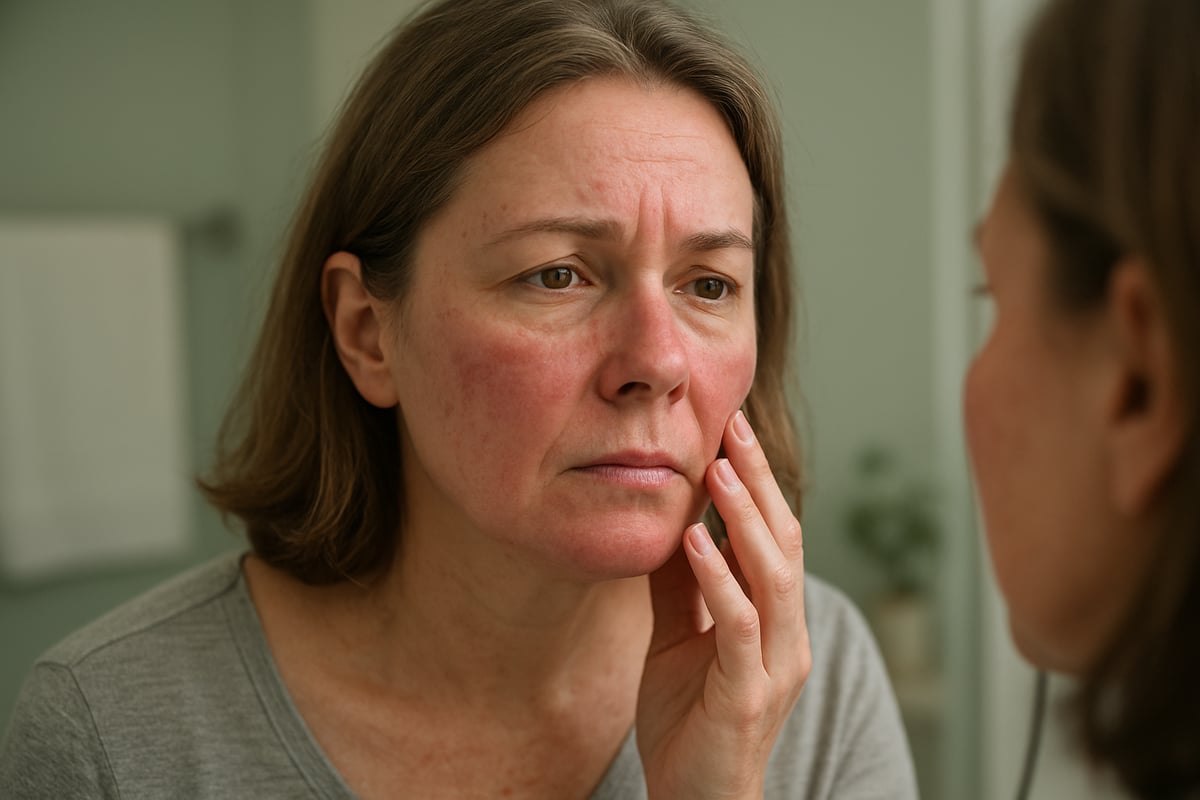
What is Rosacea?
Rosacea is a chronic skin disorder that primarily affects the face, causing persistent redness, visible blood vessels, and sometimes bumps that resemble acne. It is not just a single disease but a group of related conditions. The main types include erythematotelangiectatic (characterized by redness and flushing), papulopustular (with bumps and pimples), phymatous (thickened skin, often on the nose), and ocular rosacea (affecting the eyes).
This condition is more common than you might think, with the National Rosacea Society estimating that over 415 million people worldwide experience its symptoms. Rosacea typically appears in adults between ages 30 and 50 and is more often diagnosed in those with fair skin, although anyone can develop it. Unfortunately, many cases remain undiagnosed or mistaken for other issues, such as acne or allergies.
Common Triggers and Symptoms
Rosacea symptoms can vary widely, but most people notice facial redness as the first sign. Over time, other symptoms may develop, including:
- Visible blood vessels (telangiectasia)
- Swelling and bumps that look like acne
- Burning or stinging sensations
- Eye irritation, dryness, or gritty feeling
What causes these symptoms to flare up? Triggers are different for everyone, but some of the most common include:
- Sun exposure
- Extreme temperatures (hot or cold)
- Wind
- Stress or strong emotions
- Spicy foods, alcohol, or hot beverages
Flare-ups can be unpredictable, sometimes lasting days or even weeks. The severity of rosacea ranges from mild redness to more pronounced swelling and discomfort. These symptoms can take a toll on self-esteem and overall quality of life, making daily routines or social situations stressful. If you want a deeper dive into symptoms and conventional treatments, Rosacea Symptoms and Treatments offers a thorough overview that complements this guide. For many, finding relief becomes a journey of trial and error, which is why options like tea tree oil cream for rosacea are gaining attention.
Challenges in Managing Rosacea
Managing rosacea often presents unique obstacles. One of the biggest challenges is identifying personal triggers, as these can be highly individual and may change over time. Even with careful observation, it’s not always clear why a flare-up happens.
Traditional treatments, such as topical antibiotics or prescription creams, don’t always provide lasting relief. Some people find their skin reacts negatively to certain ingredients, making it difficult to choose the right products. Sensitivity is a common theme, and the wrong skincare routine can lead to increased redness or irritation.
The emotional impact is just as real as the physical symptoms. Many people with rosacea feel self-conscious, anxious, or frustrated by their appearance. Because rosacea is visible, it can affect social interactions and confidence. These challenges drive the search for alternative solutions, including tea tree oil cream for rosacea, which promises a gentler approach for sensitive skin.
Why Natural Solutions Are Gaining Interest
Concerns about the long-term use of antibiotics and steroids have led many to seek safer, more natural options. The clean beauty movement has inspired a greater demand for plant-based skincare, and consumers are paying closer attention to ingredient labels and safety.
Stories of people finding relief with botanical therapies have fuelled interest, and early research is beginning to support the benefits of certain natural ingredients. Tea tree oil cream for rosacea, in particular, has emerged as a promising choice for those hoping to avoid harsh chemicals and minimize irritation. With greater awareness and more natural products available, it’s no surprise that this trend continues to grow.
Tea Tree Oil: Properties, Benefits, and Scientific Evidence
Are you curious about what makes tea tree oil cream for rosacea such a buzzworthy topic in skincare circles? Let’s break down the science, history, and real-world results behind this natural solution. Understanding how tea tree oil interacts with sensitive, redness-prone skin can help you make the best choices for your routine.
Tea Tree Oil: Origin and Composition
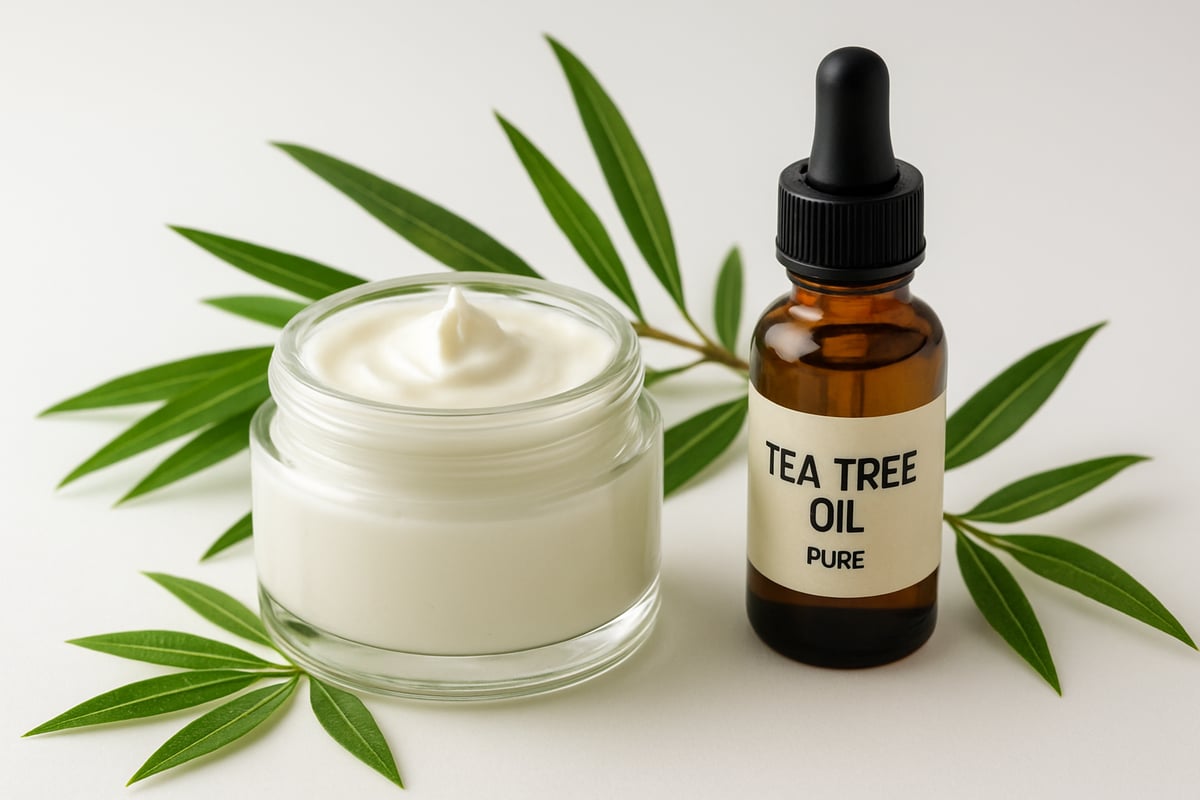
Tea tree oil comes from the leaves of Melaleuca alternifolia, a small tree native to Australia. For centuries, Indigenous Australians used its crushed leaves to treat wounds and skin infections, appreciating its potent natural benefits.
The active compounds that make tea tree oil unique include terpinen 4 ol, alpha terpineol, and gamma terpinene. These components are carefully extracted using steam distillation, which preserves their purity and effectiveness. When choosing tea tree oil cream for rosacea, it’s important to look for products that specify source and extraction methods. High quality standards ensure you get the most from this time honored botanical.
Antimicrobial and Anti-Inflammatory Effects
A big reason tea tree oil cream for rosacea is gaining attention is its impressive antimicrobial reputation. Studies show tea tree oil fights a broad range of bacteria, fungi, and even some viruses, thanks to its ability to disrupt microbial cell membranes.
It also helps reduce inflammation by inhibiting certain mediators that trigger redness and swelling. For rosacea, this means tea tree oil may lower populations of Demodex mites, which are often linked to flare ups, and reduce the risk of secondary infections. According to a 2012 review by Carson et al., tea tree oil’s efficacy is well documented for various skin conditions, making it a promising addition to your gentle skincare arsenal.
Tea Tree Oil and Skin Health
How does tea tree oil cream for rosacea support overall skin wellness? For starters, it helps regulate sebum production, which can prevent clogged pores and reduce the occurrence of bumps. Its soothing properties also calm irritation, making it a favorite for those with easily triggered skin.
Many people compare tea tree oil with other plant based oils like chamomile and calendula. While each has its unique strengths, tea tree oil stands out for its dual action: fighting microbes while comforting sensitive skin. Choosing a formula that combines tea tree oil with other soothing botanicals can further enhance results for rosacea prone faces.
Evidence for Tea Tree Oil in Rosacea Management
While the research on tea tree oil cream for rosacea is still emerging, initial findings are promising. A 2018 clinical trial found that patients using tea tree oil cream experienced fewer papulopustular lesions and reported improvements in comfort and appearance. Real life stories echo these results, with many users noticing reduced redness and calmer skin.
However, more large scale studies are needed before tea tree oil can be considered a standard rosacea therapy. For expert perspectives and a deeper dive into natural remedies, you can explore the Dermatologist’s Natural Treatment of Rosacea, which discusses tea tree oil and other botanicals in a clinical context.
Risks and Considerations
Despite its benefits, tea tree oil cream for rosacea is not risk free. Some people may experience irritation, allergic reactions, or sensitization, especially if the oil is too concentrated or not properly diluted. Always check for safety certifications and follow guidelines from regulatory agencies like the EU or FDA.
Patch testing is crucial. Apply a small amount to a discreet area and wait 24 to 48 hours before full use. If you notice increased redness, itching, or burning, discontinue immediately. With the right precautions, tea tree oil cream for rosacea can be a safe, effective option for many people seeking natural relief.
Choosing the Right Tea Tree Oil Cream for Rosacea
Struggling to find the best tea tree oil cream for rosacea? With so many options lining store shelves, it can feel overwhelming to choose a product that soothes your skin without triggering irritation. Let’s break down exactly what to look for, so you can confidently select a cream that fits your needs and supports your rosacea care journey.
Key Criteria for Product Selection
When searching for a tea tree oil cream for rosacea, pay special attention to the concentration of tea tree oil. For facial use, many experts recommend a range between 1 and 5 percent. Higher concentrations can be too harsh, while lower ones may not deliver noticeable benefits.
Check for the absence of harsh additives. Avoid creams that contain alcohol, synthetic fragrances, or sulfates, as these ingredients may worsen rosacea symptoms. Instead, look for formulas with soothing ingredients like aloe vera, chamomile, or niacinamide, which can help calm irritation.
Texture matters too. A lightweight, non-greasy cream absorbs easily and won’t clog pores or feel heavy on sensitive skin. Remember, the right tea tree oil cream for rosacea should feel gentle and supportive, not stinging or drying.
Reading Ingredient Labels and Certifications
Understanding ingredient lists can make all the difference when selecting a tea tree oil cream for rosacea. Familiarize yourself with INCI (International Nomenclature of Cosmetic Ingredients) names, so you can spot both beneficial and potentially irritating substances.
Look for certifications such as cruelty-free, vegan, or organic. These markers indicate that the product is made with ethical and clean practices. Always avoid known allergens and irritants, especially if you have a history of sensitive reactions.
Many reputable brands include patch testing instructions on their packaging. Following these steps can help prevent unwanted flare-ups and ensure the tea tree oil cream for rosacea is safe for your skin.
Comparing Popular Tea Tree Oil Creams
With countless options available, how do you compare products? Start by checking whether a tea tree oil cream for rosacea is prescription or over-the-counter. Prescription creams are typically reserved for severe cases, while OTC options cater to mild to moderate symptoms.
Consider the reputation of the brand, user reviews, and dermatologist endorsements. Price is important, but value matters more. Does the cream offer a balanced formula, sustainable packaging, and effective results for rosacea-prone skin?
Here’s a quick comparison table to help you weigh your options:
| Brand | Tea Tree % | Soothing Ingredients | Price Range | Reviews |
|---|---|---|---|---|
| Brand A | 2% | Aloe, Chamomile | $$ | ★★★★☆ |
| Brand B | 4% | Niacinamide | $$$ | ★★★★ |
| Brand C (Rx) | 5% | Ceramides | $$$$ | ★★★★★ |
Choosing the right tea tree oil cream for rosacea is about more than just the label. Consider the bigger picture—your skin’s needs, product ethics, and real-life results.
Natural Skincare Solutions for Rosacea
The market for tea tree oil cream for rosacea now includes a growing selection of natural, handcrafted options made specifically for rosacea.

For example, Mama Nature is a UK-based leader in natural skincare, offering targeted solutions for people with sensitive and rosacea-affected skin. Their products are free from harsh chemicals, cruelty-free, and eco-friendly, making them a gentle yet effective choice for many. To learn more about the benefits of ethical and artisan skincare, check out Eco-Friendly Artisan Skincare.
When selecting a tea tree oil cream for rosacea, prioritise products that are transparent about their ingredients and committed to both your skin and the environment. Mama Nature’s ProSkin Rosacea is an effective natural cream for rosacea that has an ethos rooted in sustainability and your well being.
When to Consult a Dermatologist
Even with the best tea tree oil cream for rosacea, some situations call for professional guidance. If your symptoms worsen, you experience new reactions, or you see no improvement after consistent use, it’s time to consult a dermatologist.
Patch testing and medical supervision are especially important when introducing new products to sensitive or rosacea-prone skin. Your dermatologist can help tailor your regimen and ensure your journey with tea tree oil cream for rosacea is both safe and effective.
How to Use Tea Tree Oil Cream for Rosacea: Step-by-Step Guide
Managing rosacea can feel overwhelming, but using tea tree oil cream for rosacea doesn’t have to be complicated. With the right approach, you can introduce this natural remedy safely and effectively into your daily routine. Ready to start your journey toward calmer, clearer skin? Let’s break down each crucial step.
Step 1: Patch Testing and Preparation
Before applying tea tree oil cream for rosacea to your entire face, patch testing is essential. Dab a small amount behind your ear or on your inner arm, then wait 24 to 48 hours to watch for any redness, itching, or irritation.
This step helps you avoid unexpected reactions on your sensitive facial skin. Always start with clean skin. Use a mild, fragrance-free cleanser to remove dirt and makeup, then pat dry gently. This ensures the cream absorbs well and minimizes the risk of clogged pores or further irritation.
Step 2: Application Technique
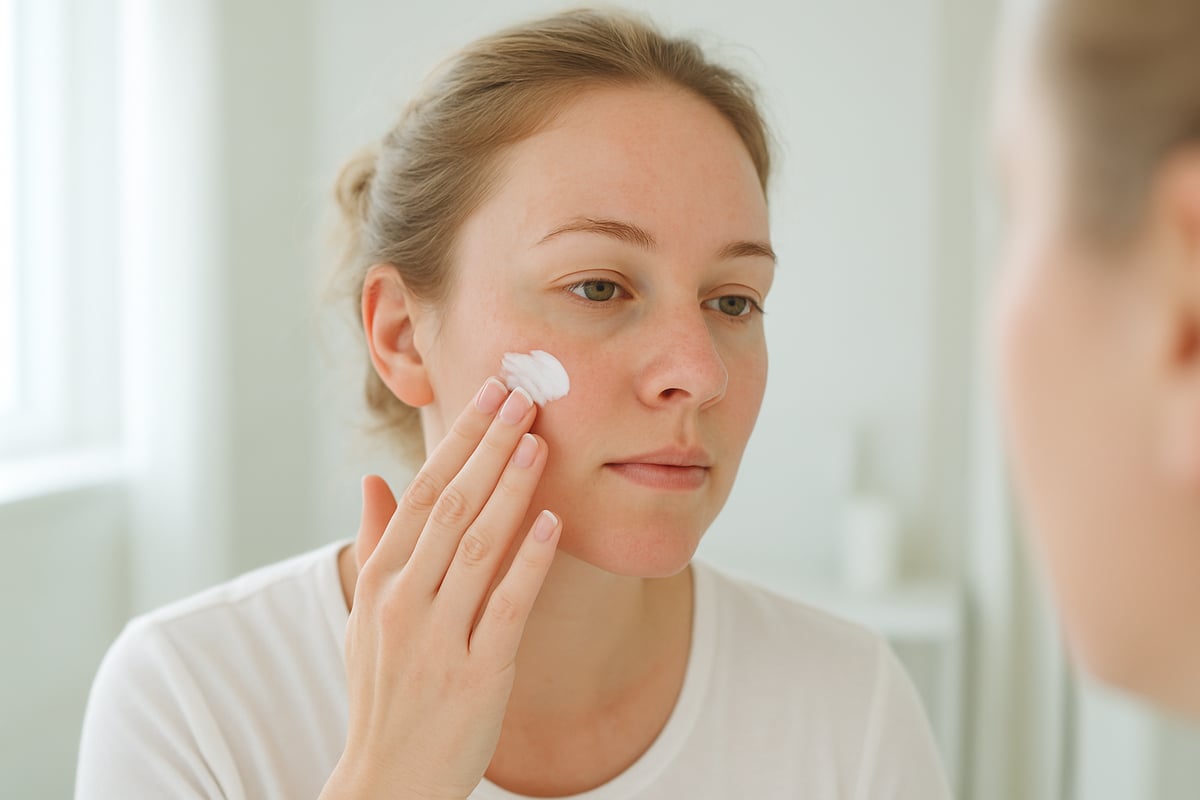
When it’s time to apply tea tree oil cream for rosacea, less is more. Start by using a pea-sized amount, applying it with freshly washed hands or a sanitized applicator. Focus on the most affected areas, such as the cheeks, nose, or chin.
Begin with once daily application, preferably in the evening, to gauge your skin’s tolerance. If your skin responds well, you may gradually increase to twice daily, but always listen to your skin’s needs. Always read the product label for instructions.
Step 3: Layering with Other Skincare Products
Layering is sometimes key to maximizing the benefits of a tea tree oil cream for rosacea. After cleansing, apply the cream as your treatment step. Allow it to absorb fully before following with a gentle, hydrating moisturiser if required. Some creams, such as Mama Nature’s ProSkin Eczema are moisturising enough on their own, but if you are experiencing dryness, your everyday, non irritating moisturiser would be advisable.
If you’re using prescription treatments like metronidazole or azelaic acid, apply those as directed and leave adequate time between layers. Always finish your morning routine with a mineral-based sunscreen, as rosacea-prone skin is extra sensitive to sun exposure.
Step 4: Monitoring Skin Response
Track your skin’s progress as you incorporate tea tree oil cream for rosacea. Early signs of improvement may include less stinging, reduced redness, and fewer bumps within the first couple weeks.
Stay alert for any negative changes, such as increased burning, itching, or swelling. If irritation occurs, reduce the frequency or pause use until your skin calms down. Keeping a simple skincare journal can help you pinpoint what works and what doesn’t for your unique skin.
Step 5: Supportive Lifestyle Practices
Combining tea tree oil cream for rosacea with healthy habits can make a significant difference. Protect your skin from the sun with hats and physical sunscreens, and avoid common triggers like spicy foods, hot drinks, and extreme temperatures.
Stress management techniques—such as deep breathing, meditation, or gentle exercise—can help keep flare-ups at bay. Drink plenty of water and eat a balanced diet rich in anti-inflammatory foods to support your skin from the inside out.
Troubleshooting Common Issues
If tea tree oil cream for rosacea causes irritation, stop use and contact the manufacturer for advice, soothe your skin with a bland, fragrance-free moisturizer. For those with highly sensitive skin, consider creams with lower concentrations or alternative botanicals.
Remember, initial breakouts or “purging” are common with this ingredient. If your symptoms worsen or new reactions appear, contact the manufacturer.
What to Expect: Results, Side Effects, and Real-World Experiences
If you’re considering tea tree oil cream for rosacea, knowing what to expect helps you stay motivated and make informed decisions. Every journey is unique, but understanding typical timelines, possible side effects, and real-world experiences prepares you for the path ahead.
Typical Timeline for Results
When starting a tea tree oil cream for rosacea, patience is key. Many users notice some relief from burning or stinging within the first one to two weeks. And it is common to experieicne a worsening phase. Visible changes such as reduced redness and fewer papules usually appear after three to four weeks of continued use.
Your timeline may vary. Factors like severity of rosacea, how often you apply the cream, and your individual skin type all play a role. Mild cases often respond faster, while chronic or severe rosacea might need a bit more time to show improvement.
Sticking to your routine and documenting changes in a skincare journal can help track progress. Remember, tea tree oil cream for rosacea is not a quick fix, but steady, gentle progress is a positive sign.
Potential Side Effects and How to Manage Them
Like any active skincare, a tea tree oil cream for rosacea can cause side effects, especially in sensitive skin. The most common reactions are mild tingling, dryness, or slight redness after application. These usually fade as your skin adjusts.
Rarely, allergic dermatitis or increased irritation can occur. To minimize risk:
- Always patch test before full use.
- Start with a lower concentration and slowly increase.
- Moisturize after applying tea tree oil cream for rosacea.
- Use sunscreen daily to protect compromised skin.
If you experience severe burning, swelling, or rash, stop using the product and consult a dermatologist promptly. For more insight on the risks of essential oils in rosacea care, you might explore Essential Oils and Rosacea: Not A Great Idea.
Real-World Experiences and Testimonials
Many people share positive stories about tea tree oil cream for rosacea, especially those seeking natural alternatives. Common benefits mentioned in reviews include:
- Calmer, less inflamed skin
- Fewer breakouts and bumps
- Improved self-confidence
Success is not universal. Some users find tea tree oil cream for rosacea too strong, reporting increased dryness or redness. In those cases, switching to a lower concentration or a different natural cream is often helpful.
Testimonials often highlight the importance of consistency, gentle cleansing, and avoiding known triggers alongside the cream for best results. Each experience is a reminder that what works for one may need tweaking for another.
Comparing Tea Tree Oil Cream to Other Rosacea Treatments
How does tea tree oil cream for rosacea stack up to conventional therapies? Traditional options include topical antibiotics, azelaic acid, and ivermectin. These may be more thoroughly studied, but can carry side effects or lose effectiveness over time.
Tea tree oil cream for rosacea is valued for its plant-based formula and gentler approach, with fewer systemic effects. However, research is still growing, and it may not be suitable for every rosacea type. For a broader perspective on how tea tree and other essential oils compare, see Essential Oils That Can Help With Rosacea.
The table below summarizes key differences:
| Treatment Type | Pros | Cons |
|---|---|---|
| Tea tree oil cream | Natural, gentle, fewer systemic effects | May cause irritation, less clinical evidence |
| Antibiotics | Well studied, effective | Risk of resistance, gut impact |
| Azelaic acid | Reduces redness, bumps | Can sting, may cause dryness |
Expert Opinions and Recommendations
Dermatologists emphasize the importance of gentle care when using tea tree oil cream for rosacea. Experts suggest:
- Always patch test before full use.
- Introduce new products gradually.
- Combine with a gentle moisturizer and sunscreen.
Professional opinions are mixed, with some praising the natural anti-inflammatory effects and others urging caution, especially for highly sensitive skin. Ongoing research is exploring how tea tree oil cream for rosacea can be optimized for safety and effectiveness.
If you’re unsure, seek guidance from a skincare professional. Staying informed and attentive to your skin’s response ensures the best outcome with tea tree oil cream for rosacea.
Frequently Asked Questions About Tea Tree Oil Cream for Rosacea
Looking for answers about tea tree oil cream for rosacea? Here are the most common questions, explained simply to help you make confident choices for your skin.
Can tea tree oil cream cure rosacea?
Rosacea is a chronic skin condition, so there is currently no permanent cure. Tea tree oil cream for rosacea can help manage symptoms like redness and bumps, but it does not eliminate the condition completely. Its role is to soothe irritation and offer natural relief. If you notice symptoms that overlap with other conditions, such as perioral dermatitis, check out this guide on Perioral Dermatitis: Symptoms & Treatments for more information about differences and care approaches.
Is tea tree oil cream safe for all skin types?
Tea tree oil cream for rosacea is generally suitable for most skin types, especially when formulated for sensitive skin. However, everyone’s skin is unique. Always perform a patch test on a small area first and monitor for any reaction over 24 to 48 hours. If you have a history of allergies or highly reactive skin, consult a dermatologist before starting any new product.
How often should I use tea tree oil cream?
Most experts recommend applying tea tree oil cream for rosacea once daily to start. Pay attention to your skin’s response. If you tolerate it well, you can gradually increase to twice daily if needed. Consistency is important, but overuse may cause dryness or irritation. Adjust frequency based on comfort and visible results.
Can I combine tea tree oil cream with other rosacea medications?
Yes, tea tree oil cream for rosacea can often be used alongside other treatments like metronidazole or azelaic acid. Apply it after cleansing and before heavier creams. However, always check with your doctor, especially if you use prescription medications, to avoid unwanted interactions or irritation.
Are there any ingredients I should avoid when using tea tree oil cream?
Some ingredients can worsen sensitivity or trigger flare-ups. When using tea tree oil cream for rosacea, watch out for these:
- Alcohol (drying)
- Synthetic fragrances
- Sulfates
- Strong exfoliants (retinoids or acids)
- Essential oils not specifically tested for sensitive skin
Read labels carefully and opt for creams with minimal, gentle ingredients.
What should I do if my rosacea worsens after using tea tree oil cream?
If you experience increased redness, burning, or swelling after using tea tree oil cream for rosacea, stop using the product immediately and contact the manufacturer.. Cleanse your skin gently with lukewarm water and avoid irritants. Seek advice from a dermatologist, especially if symptoms persist or worsen.
Is tea tree oil cream suitable for ocular rosacea?
Tea tree oil cream for rosacea is not recommended for use near the eyes, as it can cause stinging or irritation. For ocular symptoms, speak with your eye doctor about safer alternatives designed specifically for delicate eye areas. Never apply the cream directly to eyelids or close to the lash line.