
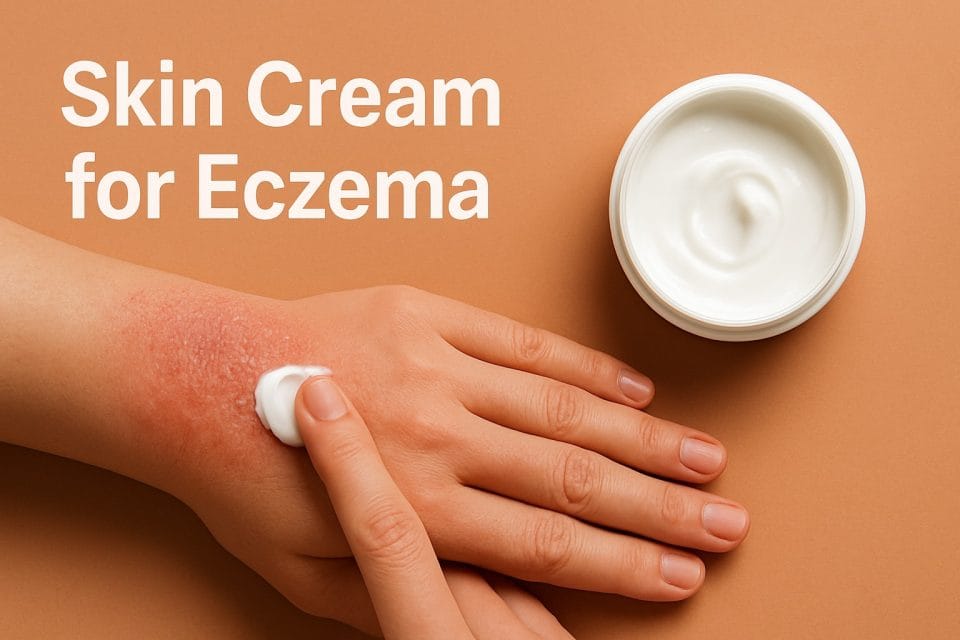
Struggling with eczema flare-ups and relentless itching? You’re certainly not alone. Living with eczema can feel overwhelming at times, especially when you’re searching for the best skin cream for eczema that actually delivers relief.
Choosing the right product is essential for soothing irritation and rebuilding your skin’s comfort. In this guide, we’ll walk you through the top 7 skin creams for eczema to consider in 2025, evaluating each based on effectiveness, safety, and real user experiences.
You’ll discover what eczema really is, how to choose the most suitable skin cream for eczema, and get in-depth, unbiased reviews of the leading options. Ready to reclaim comfort and confidence? Let’s dive in and find the expert-backed solution your skin deserves.
Understanding Eczema: Causes, Symptoms, and Challenges
Struggling to find a skin cream for eczema that truly works starts with understanding the condition itself. Eczema, also known as atopic dermatitis, is a chronic skin disorder that affects millions worldwide, making daily life unpredictable and often uncomfortable.
What is Eczema?
Eczema is a long-lasting skin condition marked by inflamed, itchy, and often dry or cracked skin. It is most common in children but can occur at any age, affecting about 10% of adults and 20% of children globally. According to Eczema prevalence statistics, cases are rising across all ages.
Triggers for eczema include genetics, allergens, environmental factors, and stress. The condition can appear on the hands, face, elbows, and knees, making it hard to ignore. Unlike psoriasis or contact dermatitis, eczema is persistent and can flare up without warning. For anyone seeking a skin cream for eczema, knowing what sets this condition apart is the first step in choosing the right solution.
Symptoms and the Itch-Scratch Cycle
The most common symptoms of eczema are redness, inflammation, intense itching, dryness, and sometimes oozing or crusting. This itching leads to scratching, which in turn worsens inflammation and can break the skin, creating a frustrating cycle.
Sleep loss is a real concern, with up to 60% of people with eczema reporting sleep disturbances. The constant urge to scratch can also impact social life and mental health. Symptoms and their severity often differ based on age and skin type, so finding a skin cream for eczema that addresses individual needs is essential for relief.
Why Choosing the Right Cream Matters
Selecting the right skin cream for eczema plays a vital role in managing symptoms. Topical treatments hydrate the skin, repair the barrier, and reduce inflammation, helping prevent complications like infection or scarring.
Both prescription and over-the-counter creams are available, and adherence to a routine is key for lasting results. Poorly managed eczema can worsen over time, emphasizing the need for convenient and effective options. A well-chosen skin cream for eczema can make daily life more comfortable and prevent long-term damage.
Common Challenges in Finding Effective Eczema Creams
Everyone’s skin is unique, which means not every skin cream for eczema will work the same for each person. Some may react to certain ingredients, while others need stronger or gentler formulas.
Balancing effectiveness with safety is crucial, especially with long-term use of steroid creams. Cost and access can also be barriers, and marketing claims may not always match clinical evidence. Navigating these challenges takes patience, research, and sometimes professional advice, but the right skin cream for eczema is out there for every individual.
How to Choose the Best Eczema Cream for Your Needs
Finding the right skin cream for eczema can feel overwhelming, especially with so many options lining the shelves. The right choice can make a world of difference for your skin’s comfort and long-term health. Let’s break down what to look for so you can confidently pick the best solution for your needs.
Key Ingredients to Look For
When choosing a skin cream for eczema, ingredients matter more than brand names. Look for emollients such as ceramides, shea butter, and glycerin, which help rebuild the skin barrier and lock in moisture. Anti-inflammatory agents, including corticosteroids, calcineurin inhibitors, and newer JAK inhibitors, target redness and swelling.
Natural options like colloidal oatmeal, aloe vera, and calendula are gaining popularity. Calendula, in particular, is a time-tested botanical for soothing irritation—learn more about its benefits in Calendula for eczema relief. Steer clear of fragrances, parabens, and sulfates, which may trigger flare-ups. Clinical studies support the effectiveness of these key ingredients, so always check the label before you invest in a skin cream for eczema.
Prescription vs. Over-the-Counter Options
Deciding between a prescription and over-the-counter skin cream for eczema depends on your symptoms’ severity. Prescription creams, such as topical steroids and calcineurin inhibitors, are often reserved for moderate to severe cases or when OTC products fall short. These formulas can target stubborn inflammation and provide fast relief, but require guidance from a healthcare provider.
OTC creams are widely accessible and usually contain barrier-repairing ingredients like ceramides or soothing colloidal oatmeal. They work well for mild cases and daily maintenance. In recent years, new OTC launches and prescription-to-OTC switches have expanded your options. Remember, prescription creams for eczema are best for targeted, short-term use, while OTC options shine for prevention and mild outbreaks.
Safety Considerations and Side Effects
Safety is crucial when selecting a skin cream for eczema, especially for children or those with sensitive skin. Steroid creams can cause thinning or discoloration if used too long, while non-steroidal options like calcineurin inhibitors might cause burning or stinging at first.
To minimize risks, follow recommended usage cycles and avoid overuse. Always patch test new products, especially if your skin is reactive. Consult your dermatologist for guidance, particularly for young children or elderly individuals. The right skin cream for eczema should balance effectiveness and safety, keeping your skin healthy without unwanted surprises.
Matching Creams to Eczema Severity and Skin Type
No two cases of eczema are exactly alike, so matching your skin cream for eczema to your specific needs is key. Mild eczema often responds well to gentle, fragrance-free moisturizers. Moderate to severe eczema may require prescription-strength formulas or combination therapy.
Sensitive or allergy-prone skin benefits from creams free of common irritants and packed with soothing ingredients. Adjust your routine for flare-ups versus maintenance—infants, athletes, or adults with allergies may each need a personalized approach. By considering your skin’s unique needs, you’ll increase your chances of finding lasting relief.
Top 7 Skin Creams For Eczema Picks To Try In 2025
Looking for the most effective skin cream for eczema this year? With new research and innovative products emerging, 2025 is set to redefine relief and comfort for eczema sufferers. According to recent advancements in eczema treatments, patient outcomes are improving thanks to smarter formulations and better long-term management. Let’s dive into the top 7 picks that could transform your skin health.
Mama Nature ProSkin Eczema Cream
If you seek a skin cream for eczema that is gentle yet powerful, Mama Nature ProSkin Eczema Cream stands out. This product is crafted with natural and organic ingredients like calendula, chamomile, and shea butter, making it suitable for all but the most sensitive skin.

It soothes itching, calms redness, and works to restore the skin barrier. Adults with allergy-prone or reactive skin who cannot use fragrances or essential oils can try Mama Nature’s Mother of Skin Moisturiser instead.
Key Features:
- Hand crafted
- Natural, organic botanicals
- No parabens, SLS, or synthetic fragrances
- Cruelty-free and eco-friendly packaging
Benefits:
- Relieves persistent itching and irritation
- Reduces visible redness and inflammation
- Promotes faster skin repair
Pros:
- Contains safe, natural ingredients
- Money back guarantee if it doesn’t work
- Ideal for those wanting to avoid toxic harsh chemicals
Cons:
- Limited availability outside the UK
- Higher price point compared to typical skin cream for eczema
Unique Selling Point:
Blending holistic, ancient remedies with modern science, this cream offers a safe, nurturing solution for eczema-prone skin.
Elidel (Pimecrolimus) Cream
Elidel is a prescription skin cream for eczema that is steroid-free, making it a favorite for long-term use on delicate areas like the face and neck. The active ingredient, pimecrolimus, is a calcineurin inhibitor that targets inflammation without the risk of skin thinning.
This skin cream for eczema is approved for adults and children over 2 years, offering relief for mild to moderate cases. It is often recommended when steroids are unsuitable or for sensitive skin.
Key Features:
- Non-steroidal anti-inflammatory
- Safe for face, eyelids, and folds
Benefits:
- Reduces flare-ups and itching
- Minimal risk for thinning or discoloration
Pros:
- Suitable for long-term management
- Well-tolerated by most users
Cons:
- May cause mild burning or stinging at first
- Prescription required, so less accessible than OTC skin cream for eczema
Unique Selling Point:
Clinically proven to improve sleep and quality of life for eczema sufferers, especially when symptoms disrupt rest.
CeraVe Eczema Relief Creamy Oil
CeraVe Eczema Relief Creamy Oil is a standout skin cream for eczema in 2025, thanks to its dermatologist-developed formula. This over-the-counter favorite combines ceramides, colloidal oatmeal, and safflower oil for deep hydration and barrier repair.
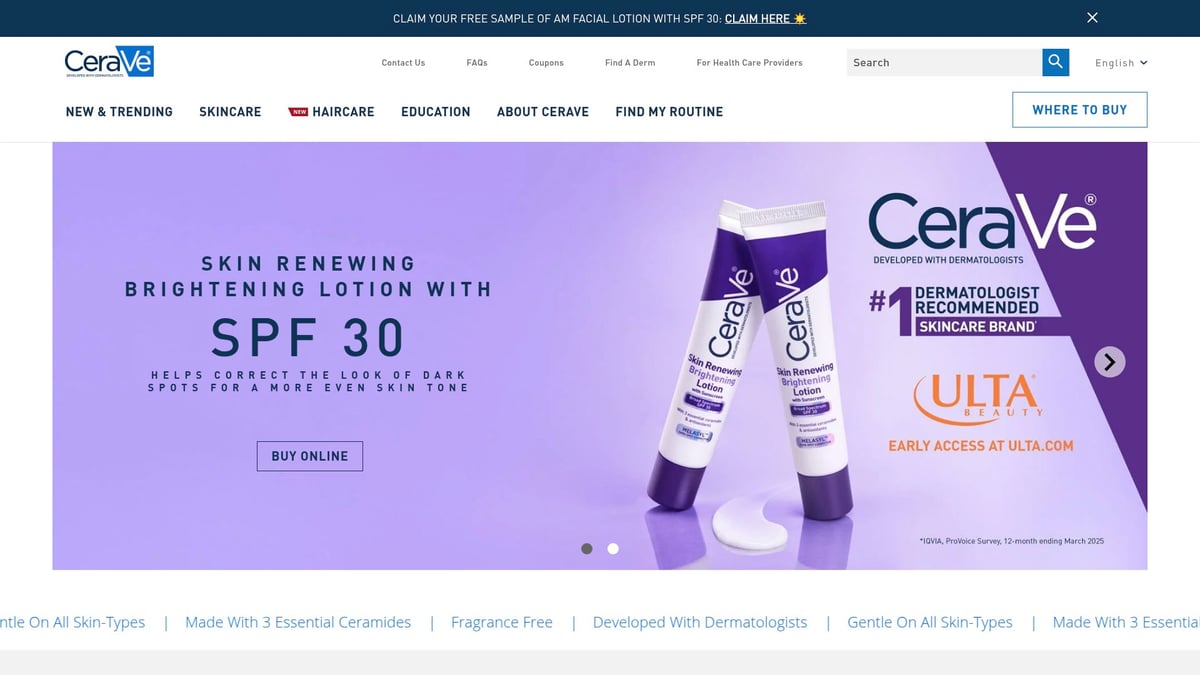
It is ideal for anyone with dry, sensitive skin and can be used by both adults and children. The creamy oil texture ensures lasting moisture without feeling greasy, making it a practical skin cream for eczema for daily use.
Key Features:
- Contains ceramides and colloidal oatmeal
- Lightweight, non-greasy finish
Benefits:
- Relieves itching and dryness quickly
- Restores protective skin barrier
Pros:
- Fragrance-free and hypoallergenic
- Widely available at an affordable price
Cons:
- May feel heavy for oily skin types
- Not strong enough for severe eczema flare-ups
Unique Selling Point:
MVE technology delivers hydration throughout the day, reducing the need for frequent reapplication.
Triamcinolone Acetonide Cream (Kenalog)
For those facing moderate eczema flares, this prescription skin cream for eczema is a mainstay. Triamcinolone Acetonide Cream, often known by the brand Kenalog, is a moderate-potency corticosteroid that rapidly reduces inflammation and itching.
Doctors often prescribe this skin cream for eczema affecting the body, but it is not recommended for sensitive areas like the face. It comes in multiple strengths, allowing tailored treatment for each patient.
Key Features:
- Moderate-strength corticosteroid
- Fast-acting relief for flares
Benefits:
- Quickly calms redness and swelling
- Suitable for short-term management
Pros:
- Affordable generic options
- Highly effective for acute symptoms
Cons:
- Not intended for long-term use
- Risk of skin thinning and other steroid side effects
Unique Selling Point:
Known as the gold standard for managing moderate to severe eczema, especially when rapid results are needed.
Eucerin Eczema Relief Cream
Eucerin Eczema Relief Cream is a budget-friendly yet highly effective skin cream for eczema. Its gentle formula, including colloidal oatmeal, ceramides, and licochalcone, calms irritation and strengthens the skin barrier.
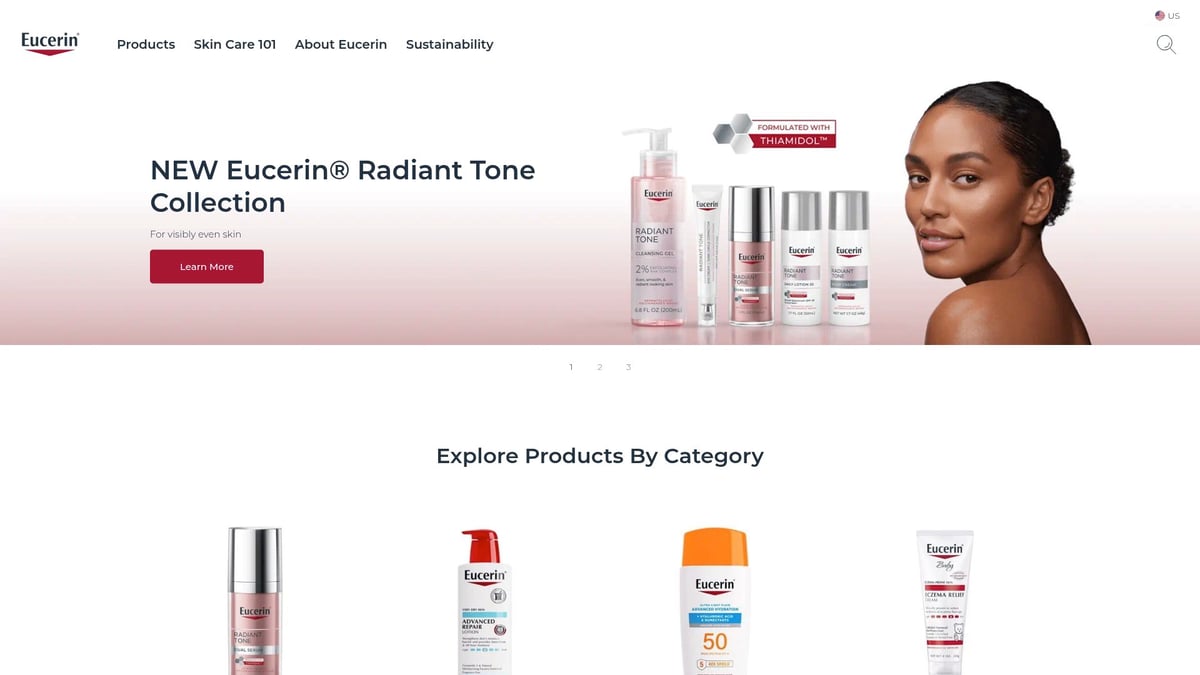
This skin cream for eczema is suitable for daily use by babies, children, and adults. It is fragrance and steroid-free, making it a go-to for sensitive skin and those seeking a non-medicated solution.
Key Features:
- Colloidal oatmeal and ceramides
- Steroid- and fragrance-free
Benefits:
- Soothes itching and discomfort
- Improves skin resilience
Pros:
- Pediatrician-recommended
- Affordable and accessible
Cons:
- May require frequent reapplication during severe flares
- Less potent than prescription skin cream for eczema
Unique Selling Point:
Clinically shown to improve sleep by relieving nighttime itch, supporting better quality of life.
Protopic (Tacrolimus) Ointment
Protopic is a prescription skin cream for eczema that offers a powerful, non-steroidal alternative for moderate to severe cases. Its active ingredient, tacrolimus, is a calcineurin inhibitor that reduces inflammation and itching without the risk of skin thinning.
This skin cream for eczema is especially helpful for facial eczema or steroid-resistant patches. It is approved for adults and children over 2, and is often used for long-term maintenance.
Key Features:
- Non-steroidal, calcineurin inhibitor
- Safe for sensitive and facial skin
Benefits:
- Controls stubborn or chronic eczema
- Reduces reliance on steroids
Pros:
- Suitable for ongoing use
- Effective on delicate areas
Cons:
- Possible burning or stinging at first
- Can increase sun sensitivity
Unique Selling Point:
A top choice for eczema that does not respond to other treatments or affects sensitive skin regions.
Aveeno Eczema Therapy Daily Moisturizing Cream
Aveeno Eczema Therapy Daily Moisturizing Cream is a trusted household name for gentle, daily skin care. This skin cream for eczema features colloidal oatmeal and ceramides to soothe and protect irritated skin.

It is suitable for all ages and is especially popular among those who prefer natural, non-greasy options. The formula is accepted by the National Eczema Association, making it a reliable skin cream for eczema for everyday use.
Key Features:
- Colloidal oatmeal and ceramides
- Non-greasy, fast-absorbing
Benefits:
- Relieves mild itching and dryness
- Improves skin texture with consistent use
Pros:
- Fragrance-free and hypoallergenic
- Widely available and affordable
Cons:
- May not be enough for severe eczema
- Sometimes requires layering with other products
Unique Selling Point:
Gentle enough for infants and effective enough for daily maintenance, trusted by families and dermatologists alike.
Quick Comparison Table
| Product Name | Type | Key Ingredients | Best For | Price Range |
|---|---|---|---|---|
| Mama Nature ProSkin | Natural OTC | Calendula, shea | Babies, sensitive skin | Premium |
| Elidel | Prescription | Pimecrolimus | Face, mild-moderate | Varies |
| CeraVe Creamy Oil | OTC | Ceramides, oatmeal | Dry, sensitive skin | $15-20 |
| Triamcinolone | Prescription | Corticosteroid | Moderate, body eczema | Affordable |
| Eucerin Relief | OTC | Oatmeal, ceramides | Daily, all ages | $10-15 |
| Protopic | Prescription | Tacrolimus | Moderate-severe, face | Varies |
| Aveeno Therapy | OTC | Oatmeal, ceramides | Mild-moderate, all ages | $12-16 |
Choosing the best skin cream for eczema depends on your symptoms, skin type, and personal preference. Whether you need a gentle daily moisturizer or a prescription-strength treatment, these 2025 picks offer proven relief and innovation.
Expert Tips for Maximizing Eczema Cream Results
Managing eczema can feel overwhelming, but a few expert strategies can make your skin cream for eczema work smarter, not harder. These tips help you get the most out of each application, build a routine that supports healing, and know when to seek professional help. Let’s dive into practical steps you can use today.
Proper Application Techniques
Getting the most from your skin cream for eczema starts with how you apply it. Always begin by gently cleansing the affected area with a mild, fragrance-free wash. Pat the skin dry with a soft towel, then apply the cream immediately to lock in moisture.
Use the fingertip unit method to measure the right amount of cream. For best results, apply skin cream for eczema right after bathing, when your skin is still slightly damp. This helps boost absorption and soothes irritation.
Layer creams in the correct order: prescription first, then moisturizer. Avoid overusing steroid creams to minimize side effects. For more on potential risks, see steroid cream side effects. Consistent, gentle application is key to long-term relief.
Creating a Supportive Skincare Routine
A daily skincare routine is your best defense against flare-ups. Even when symptoms are quiet, keep using your skin cream for eczema as part of a maintenance plan. Choose gentle, hydrating cleansers and avoid harsh soaps that strip natural oils.
Moisturize at least twice a day, adjusting for seasonal changes. In winter, opt for richer creams, while lighter formulas may work better in humid months. For children and babies, routines should be simple and soothing. If you’re caring for little ones, check out eczema symptoms and treatments in babies for more age-specific advice.
When to Consult a Dermatologist
If your skin cream for eczema is not delivering results, it may be time for professional guidance. Watch for signs like increased redness, oozing, or infection. Persistent symptoms, new irritation, or worsening discomfort are clear indicators that your current regimen needs adjustment.
A dermatologist can recommend prescription options or allergy testing if over-the-counter solutions fall short. Regular check-ins help prevent complications and tailor your treatment plan. Monitoring side effects, especially with long-term steroid use, is vital for safe management.
Complementary Lifestyle Strategies
Beyond using skin cream for eczema, lifestyle tweaks can make a big difference. Identify and avoid triggers like allergens, stress, and certain foods. Wear soft, breathable fabrics to minimize irritation and keep fingernails short to reduce scratching damage.
Running a humidifier in dry environments helps maintain skin hydration. Track your symptoms in a diary to spot patterns and measure progress. Combining these habits with proper cream use creates a holistic approach that supports healthy skin every day.
Frequently Asked Questions About Eczema Creams
Have questions about finding the right skin cream for eczema? You’re not alone. Here, we tackle some of the most common concerns, from natural solutions to safety tips for sensitive areas.
Are Natural or Organic Creams Effective for Eczema?
Many people wonder if a natural skin cream for eczema can really deliver results. Evidence suggests that ingredients like calendula, colloidal oatmeal, and aloe vera can soothe irritation and hydrate sensitive skin. These creams are often gentler, making them a popular choice for babies and those with allergies.
However, natural does not always mean safer. Some people may react to plant extracts or essential oils. Unlike pharmaceutical creams, natural products may not undergo rigorous clinical testing. Still, brands like Mama Nature and Aveeno are widely praised. For more tips on choosing a moisturising cream for dry skin, check out expert recommendations. Always patch test before starting a new skin cream for eczema, especially if you have a history of allergies.
Can I Use Eczema Creams on My Face or Eyelids?
Using a skin cream for eczema on the face or eyelids requires extra caution. The skin here is thinner and more sensitive than on other parts of the body. Some prescription creams, like Elidel and Protopic, are specifically formulated for these delicate areas and are less likely to cause thinning or irritation.
Steroid creams should generally be avoided on the eyelids unless directed by a doctor, as they can increase the risk of side effects. If you need to treat facial eczema, apply a small amount and avoid getting the cream in your eyes or mouth. For those with sensitive skin, non-steroidal options are usually safer. When in doubt, always consult a dermatologist before using any skin cream for eczema on your face.
How Quickly Should I See Results From Eczema Creams?
When starting a new skin cream for eczema, most people hope for fast relief. Generally, improvements like reduced itching and redness are noticeable within a few days to two weeks. The exact timeline depends on the cream type, the severity of your eczema, and how consistently you use it.
Prescription creams may work faster for moderate to severe symptoms, while over-the-counter options might take longer. If you do not see improvement after two weeks of regular use, it is time to reassess your routine. Consistency is key; skipping applications can delay results. Tracking your symptoms in a diary helps you and your doctor decide if your current skin cream for eczema is the best fit.
Are There Any Long-Term Risks With Eczema Creams?
Long-term use of a skin cream for eczema, especially those containing steroids, can lead to side effects like skin thinning or, rarely, systemic absorption. Non-steroidal creams like calcineurin inhibitors are generally safer for extended use but may cause mild stinging or sun sensitivity.
To minimize risks, follow your doctor’s instructions and use prescription creams only as needed. New research and therapies are making treatment safer; for example, the recent FDA approval of new eczema therapies offers hope for even better long-term management. Always discuss your full skincare routine with your healthcare provider, especially if you plan to use a skin cream for eczema regularly.