

Unlock radiant, healthy skin in 2025 by making smarter choices every time you shop skin care. Imagine transforming your complexion and boosting your confidence just by switching up your routine.
This essential handbook is your guide to navigating the world of shop skin care with confidence. We will walk you through identifying your unique skin type, decoding confusing product ingredients, and avoiding the most common shopping pitfalls.
Ready to master your routine and make every product count? In this guide, you will discover how to build a results-driven regimen, shop wisely, and stay ahead of trends for glowing skin all year long.
Understanding Your Skin: The Foundation of Smart Shopping
Unlocking the secrets to radiant skin starts with understanding what your skin truly needs. Before you shop skin care products or build a routine, you need a solid foundation: knowing your skin type and its unique concerns. This self-knowledge empowers you to make choices that actually work, saving time, money, and frustration.
Identifying Your Skin Type and Concerns
Ever wondered why a product that works for your friend leaves you disappointed? The answer often lies in skin type. When you shop skin care, start by identifying where you fit among these five main types:
- Normal: Balanced, rarely oily or dry, few blemishes.
- Oily: Shiny, prone to enlarged pores and breakouts, especially in the T-zone.
- Dry: Feels tight, looks dull or flaky, may show fine lines.
- Combination: Oily in some areas (usually the T-zone), dry or normal elsewhere.
- Sensitive: Easily irritated, redness, stinging, or allergic reactions.
But skin type is only half the story. You also need to recognize your main skin concerns, which might include:
- Acne or frequent breakouts
- Signs of aging, like wrinkles or sagging
- Pigmentation or uneven skin tone
- Dehydration (lacking water, not oil)
- Sensitivity or redness
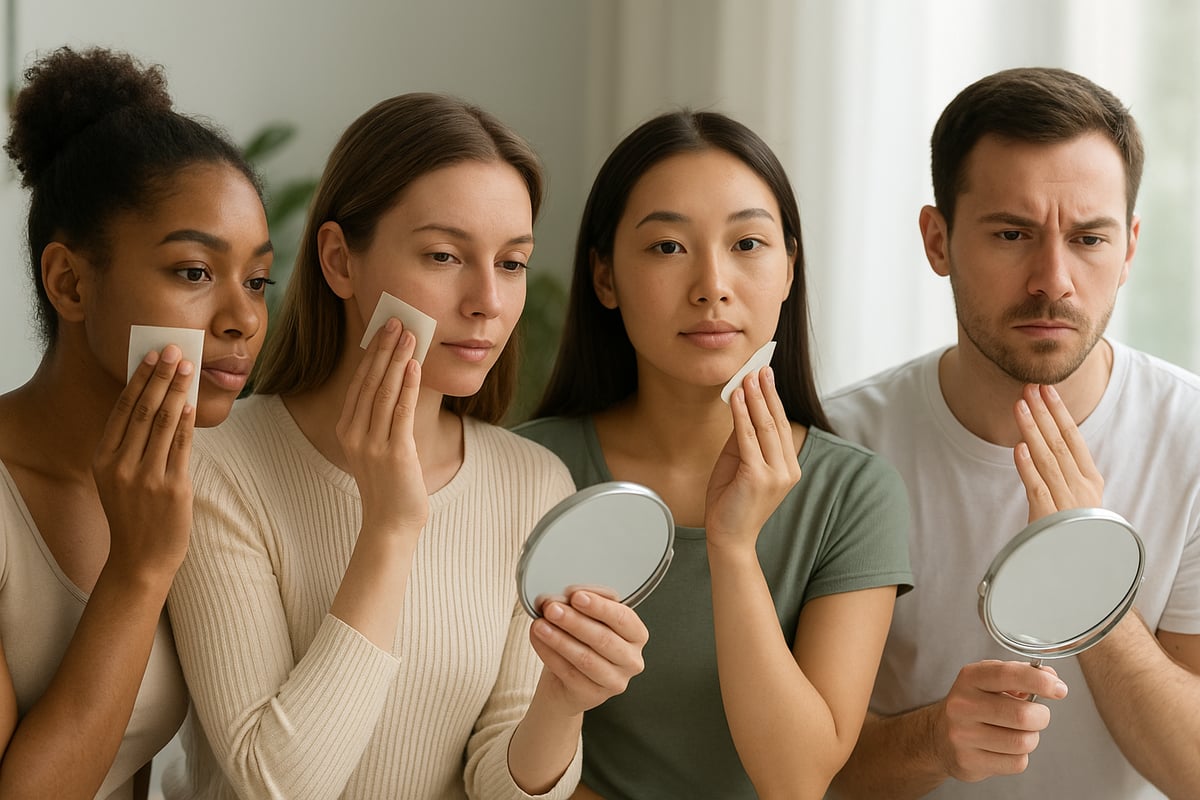
How do you figure out your skin type at home? Try this simple blotting sheet test:
- Wash your face with a gentle cleanser and wait 30 minutes.
- Press a clean blotting sheet onto different parts of your face.
- Hold the sheet up to the light.
- If you see little to no oil, your skin is likely dry.
- Oil from the forehead and nose suggests combination skin.
- Oil all over means oily skin.
Visual cues also help. Tightness and flakiness point to dry skin, while shine and visible pores signal oiliness. Sensitivity shows as redness or irritation after using new products.
Lifestyle, hormones, and environment play a huge role. Stress, diet, climate, and even your sleep schedule can shift your skin’s behavior. For example, winter air can make any skin type feel drier, while humidity might boost oil production.
A common mistake when people shop skin care is confusing dry and dehydrated skin. Here’s a quick comparison:
| Characteristic | Dry Skin (lacks oil) | Dehydrated Skin (lacks water) |
|---|---|---|
| Texture | Flaky, rough | Dull, tight |
| Appearance | Fine lines, cracks | Shadowy circles, tired look |
| Best Solution | Rich creams, oils | Hydrating serums, humectants |
Did you know over 60% of shoppers misidentify their skin type and end up with ineffective products (Dermatology Times, 2023)? When you shop skin care, accurate self-assessment is the first step to real results. For those seeking solutions tailored to every skin type, Natural Skincare Solutions for Every Skin Type offers a holistic approach worth exploring.
The Role of Professional Advice
Sometimes, even the best at-home analysis is not enough. If you have persistent issues or can’t pin down your skin’s needs, consider seeing a dermatologist or esthetician before you shop skin care again.
Professional assessments go beyond guesswork. Experts use diagnostic tools like skin scanners, which measure hydration, oil levels, and pigmentation. These insights help you avoid wasting money on the wrong products.
A dermatologist can also spot underlying conditions that might not be obvious, such as eczema or rosacea. Estheticians can recommend targeted ingredients or treatments tailored to your lifestyle and goals, refining your shop skin care strategy.
Many clinics and beauty stores now offer quick in-person or virtual consultations. This can be a game-changer for anyone overwhelmed by choices or struggling with sensitive, reactive skin. Think of it as an investment in your skin’s health, ensuring you shop skin care with confidence and clarity.
Decoding Skincare Ingredients and Labels
Understanding what goes into your products is essential if you want to shop skin care confidently in 2025. Ingredient lists, labels, and certifications can feel overwhelming, but learning to decode them will empower you to make choices that work for your unique skin. Are you ready to become a savvy label detective and ensure every product you buy is truly right for you?
Navigating Ingredient Lists
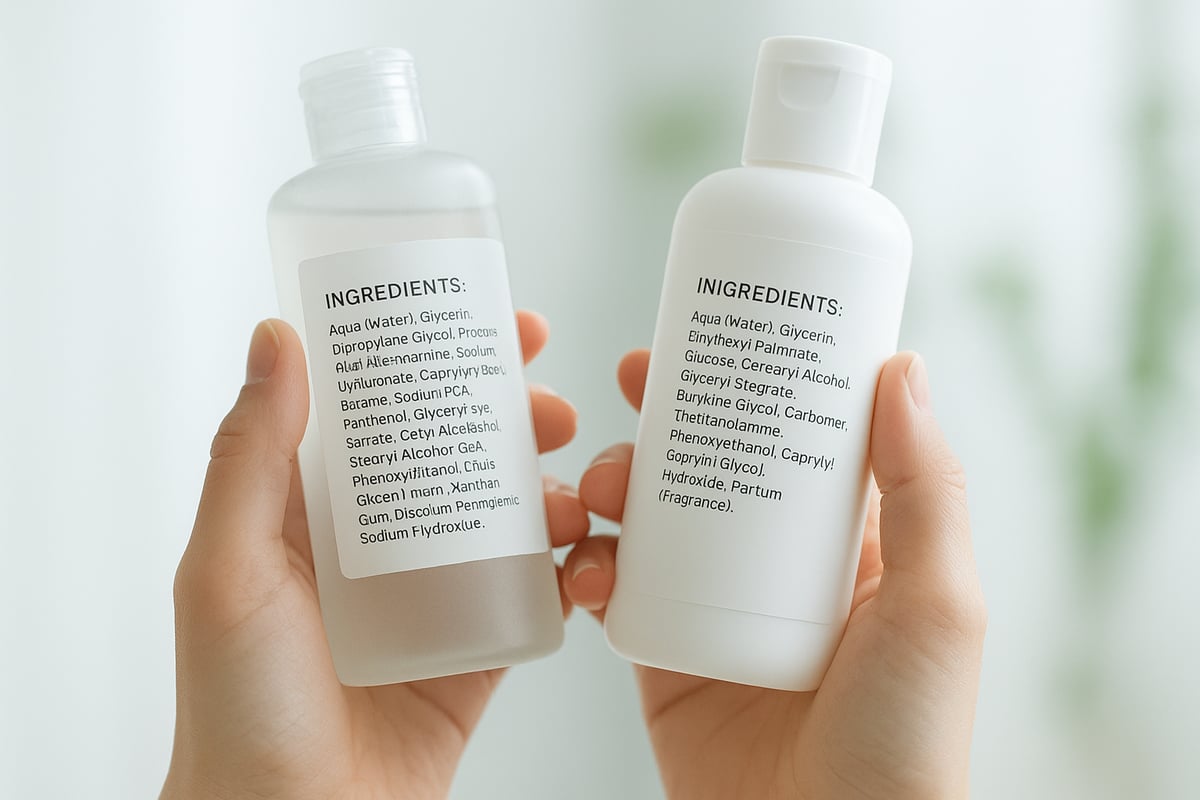
When you shop skin care, the ingredient list is your roadmap. Every product must list ingredients using the International Nomenclature of Cosmetic Ingredients (INCI), which standardizes names worldwide. This helps you compare products even if brands use different marketing terms.
Let’s talk about the powerhouse ingredients for 2025. You’ll see peptides for firming, ceramides for barrier repair, niacinamide for balancing, retinoids for anti-aging, vitamin C for brightening, hyaluronic acid for hydration, and more natural botanicals. Want to know what’s emerging? Find a detailed overview in Skincare ingredient trends 2025.
But not all ingredients are friendly. Watch for potential irritants like certain alcohols, synthetic fragrances, sulfates, and parabens. Here’s a quick comparison to make this clear:
| Moisturizer A | Moisturizer B |
|---|---|
| Water, Glycerin, Parabens, | Aloe Vera, Niacinamide, |
| Synthetic Fragrance, Silicones | Squalane, Ceramides, Vitamin E |
Moisturizer A relies on fillers and preservatives, while B uses clean actives for real results. This is why reading ingredient lists is crucial when you shop skin care, so you can choose what truly benefits your skin.
Reading Product Labels and Certifications
Labels are full of clues, but they can also be confusing. Look for details like pH balance, expiry dates, and packaging type, as these affect ingredient stability. Glass bottles can protect vitamin C serums, while airless pumps can keep retinol potent.
Marketing claims like "natural," "organic," "dermatologist-tested," or "hypoallergenic" may sound impressive, but they aren’t always regulated. Instead, pay attention to third-party certifications. Here’s what some of the top ones mean:
- COSMOS: Certifies organic and natural content.
- Ecocert: Focuses on environmental sustainability.
- Leaping Bunny: Guarantees cruelty-free status.
Surprisingly, 74% of people feel confused by skincare labels. To shop skin care wisely, learn to look beyond flashy claims and focus on what certifications and ingredient lists actually guarantee.
Spotting Greenwashing and Misinformation
Sustainability is trending, but not every "green" label is honest. Greenwashing happens when a product claims to be natural or eco-friendly, yet only a tiny fraction of its ingredients fit that description. Imagine a cream labeled "natural" with just 1% plant extract and the rest synthetic.
Here’s how you can protect yourself when you shop skin care:
- Scrutinize ingredient percentages, not just front-label buzzwords.
- Check for clear, reputable certifications.
- Research the brand’s sustainability practices.
The bottom line? Informed shoppers can spot hype, avoid empty promises, and focus on products that are effective and safe. Mastering these skills means your shop skin care journey will be smarter, safer, and more rewarding.
Building a Personalized Skincare Routine for 2025
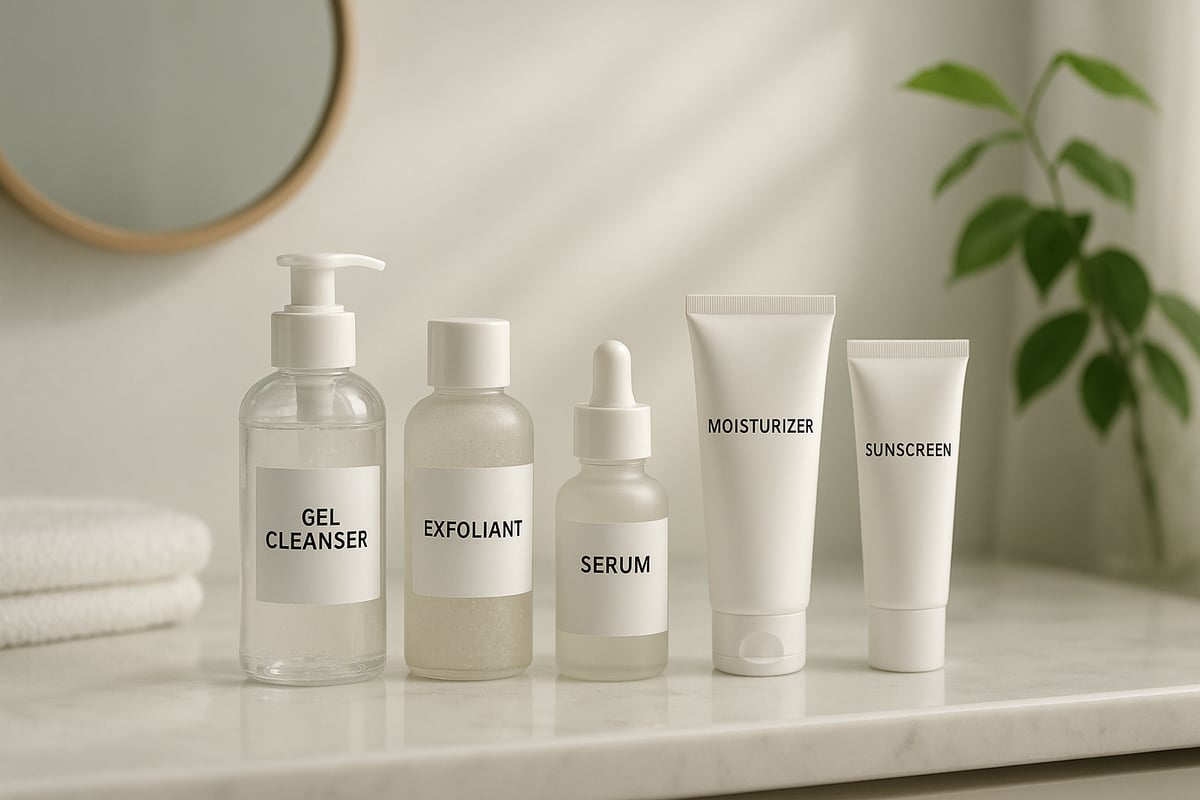
Ready to transform your complexion? Building a results-driven routine is the heart of every shop skin care journey. The right steps, in the right order, can unlock radiant skin and lasting confidence. Let’s break down each piece, so you can shop skin care smarter, not harder.
Step 1: Cleanse
Cleansing is the foundation of every effective shop skin care routine. It removes dirt, oil, and pollutants that can dull your glow. But not all cleansers are created equal—selecting the right type for your skin is key.
- Gel cleansers: Best for oily or acne-prone skin, offering a deep yet gentle clean.
- Cream cleansers: Ideal for dry or sensitive skin, providing moisture as they cleanse.
- Oil cleansers: Fantastic for makeup wearers, dissolving stubborn products without stripping.
- Micellar water: Gentle, no-rinse option for quick cleansing or sensitive skin.
Double cleansing is trending for those who wear makeup or sunscreen daily. Start with an oil-based cleanser to melt away products, followed by a water-based cleanser for a fresh finish. This two-step approach ensures your skin is truly clean before moving on in your shop skin care routine.
Step 2: Exfoliate (1-2x/week)
Exfoliation helps shed dead skin cells, revealing a brighter, smoother complexion. Shop skin care options for exfoliation fall into two camps: physical and chemical.
- Physical exfoliants: Scrubs or brushes that manually slough off dead cells. Use with care to avoid irritation.
- Chemical exfoliants: AHAs (like glycolic acid), BHAs (like salicylic acid), and enzymes dissolve buildup without abrasion. These are gaining popularity for their even results.
Over-exfoliation is a common pitfall. Start slow—once or twice a week—and listen to your skin. Chemical exfoliants saw a 30% market growth in 2024, thanks to their effectiveness and gentler approach. When you shop skin care, look for formulas with hydrating ingredients to balance the exfoliating action.
Step 3: Treat (Serums, Actives)
The treatment step is where shop skin care gets personal. Serums and actives target your unique concerns, from dullness to fine lines or blemishes.
Popular options include:
- Vitamin C: Brightens and evens skin tone.
- Retinol: Fights signs of aging and boosts cell turnover.
- Niacinamide: Balances oil production and reduces redness.
- Hyaluronic acid: Deeply hydrates for a plumper look.
Layering actives safely is crucial. Some ingredients, like vitamin C and retinol, can clash and cause irritation if used together. A good rule: apply water-based serums first, then oils or creams. For extra glow, combine hyaluronic acid with vitamin C in your shop skin care routine, but introduce new actives one at a time.
Step 4: Moisturize
Moisturizing seals in hydration and strengthens your skin’s barrier. The best moisturizer for you depends on texture and skin needs.
- Gel: Lightweight, great for oily or combination skin.
- Lotion: Balanced hydration, suitable for most types.
- Cream: Rich, perfect for dry or mature skin.
- Balm: Ultra-nourishing, ideal for very dry or compromised barriers.
Look for ceramides and fatty acids to repair and support your skin’s natural defense. Shop skin care brands that offer a range of textures, so you can adjust as your skin changes. Remember, even oily skin needs moisture—skipping this step can trigger more oil production.
Step 5: Protect (SPF)
Sunscreen is a non-negotiable in any shop skin care routine. Daily SPF shields your skin from damaging UV rays, which cause up to 80% of premature aging. Even if you’re indoors or it’s cloudy, protection is essential.
- Mineral sunscreens: Use zinc oxide or titanium dioxide, sit on top of the skin, and are great for sensitive types.
- Chemical sunscreens: Absorb UV rays and often feel lighter on the skin.
Choose a broad-spectrum SPF 30 or higher. Apply as the final step, every morning, and reapply if you’ll be outside. Shop skin care for sunscreens that suit your skin type and lifestyle—whether you prefer a matte finish or a dewy glow.
Adapting Your Routine to Seasonal and Life Changes
Your shop skin care routine isn’t static. Skin needs shift with the seasons, travel, stress, or hormonal changes. Adapting your products ensures your glow never takes a holiday.
- In summer, swap rich creams for lightweight gels and add extra SPF.
- In winter, layer nourishing serums under a thicker moisturizer.
- Traveling? Pack minis and focus on hydration.
- Hormonal changes may call for targeted treatments.
Curious how to fine-tune your routine throughout the year? Check out these Magical Skin Care Tips for Spring for practical advice on seasonal transitions. Stay responsive to your skin, and remember: the best shop skin care routine is one that evolves with you.
Navigating 2025’s Top Skincare Trends and Innovations
Curious about how to shop skin care smarter in 2025? The landscape is evolving rapidly, and it’s never been more exciting to discover what’s new. From sustainability to high-tech tools, here’s how trends are transforming your skincare journey.
Sustainable and Clean Beauty Movement
Sustainability is now at the heart of how we shop skin care. In 2025, eco-friendly packaging is everywhere, with brands offering refillable bottles and recyclable jars. Waterless and solid skincare products are gaining popularity, helping reduce plastic waste and carbon footprints.
You’ll notice more brands using minimalist packaging, compostable materials, and plant-based inks. These moves are not just trends—they’re a response to consumer demand. In fact, 68% of Gen Z shoppers now prioritize sustainability when they shop skin care, a number that keeps rising.
Want to make a real difference? Look for products with third-party certifications, like COSMOS or Ecocert. These labels ensure your beauty buys are truly clean and green. Making conscious choices isn’t just good for the planet, it’s also a way to support responsible innovation.
Tech-Driven Skincare
Technology is changing the way we shop skin care and care for our skin at home. Personalized skincare apps now analyze your skin through a quick selfie, offering custom product recommendations right from your phone. AI-driven tools in stores and online help decode ingredients and spot the best options for your needs.
At home, smart gadgets are booming. LED therapy masks, microcurrent devices, and sonic cleansing brushes are making spa-level results possible without leaving your bathroom. These devices can target specific concerns, track your progress, and even sync with your favorite apps.
The result? You’re empowered to shop skin care with more confidence and precision than ever before. The future is interactive, data-driven, and right at your fingertips.
Ingredient Innovations and Minimalist Formulas
When you shop skin care in 2025, you’ll see a wave of innovative ingredients and streamlined formulas. Bakuchiol, a plant-based retinol alternative, is trending for its gentle anti-aging effects. Adaptogens and probiotics are popping up in creams and serums, supporting your skin’s resilience and microbiome.
Minimalist routines—sometimes called “skinimalism”—are also on the rise. Instead of 10-step routines, people are choosing fewer, multi-tasking products that deliver real results. This shift is making it easier to shop skin care without feeling overwhelmed.
Want to stay ahead? Explore the latest top skincare trends 2025 for a deeper dive into new actives like algae extracts and snail mucin, both praised for their hydrating and anti-aging benefits.
Inclusive and Diverse Skincare Solutions
The call for inclusivity is transforming how we shop skin care. Brands are expanding their shade ranges, textures, and formulas to suit every skin tone and type. Custom-blend moisturizers and serums are making it possible to address unique needs, whether you have melanin-rich skin or complex sensitivities.
No one-size-fits-all solutions here. The best brands are listening to real people and crafting products that honor every identity. When you shop skin care now, you’ll find options that celebrate diversity and empower you to build a routine as unique as your fingerprint.
Inclusion isn’t just a buzzword—it’s the new standard for shop skin care, ensuring that everyone finds their perfect match in 2025.
Shopping Smart: How to Choose, Compare, and Purchase Skincare Products
Shopping for skincare can feel overwhelming, but a smart approach helps you avoid wasted money and disappointment. To truly shop skin care like a pro, it’s crucial to plan, prioritize, and stay informed. Let’s break down the essential steps that will empower you to make choices your skin—and wallet—will love.
Setting a Budget and Prioritizing Essentials
Before you shop skin care, set a clear budget. This helps you avoid impulse purchases and ensures you invest in what truly matters. Start by listing your skincare essentials—think cleanser, moisturizer, and sunscreen. These are your non-negotiables.
Next, decide how much to spend on each category. For example:
| Product Type | Budget Allocation (%) |
|---|---|
| Cleanser | 15 |
| Moisturizer | 25 |
| Sunscreen | 30 |
| Serums/Treatments | 20 |
| Extras (masks, mists) | 10 |
Focus on quality over quantity. Investing in a high-quality sunscreen or moisturizer is smarter than splurging on a luxury face mist. Ask yourself: Will this product address my primary skin concern? If not, skip it. This way, you can shop skin care confidently and stretch your budget further.
Where to Shop: Online vs. In-Store
Choosing where to shop skin care depends on your preferences and priorities. Both online and in-store options offer unique benefits, so let’s compare:
Online Shopping Pros:
- Convenience and 24/7 access
- Ability to compare prices and read reviews
- Access to a wider product range
Cons:
- Risk of counterfeit products
- No way to test texture or scent before buying
In-Store Shopping Pros:
- Try before you buy with testers
- Immediate expert advice from staff
- Instant gratification—no waiting for delivery
Cons:
- Limited selection compared to online
- Potentially higher prices
Tip: Use virtual consultations and online quizzes for tailored recommendations when you shop skin care digitally. For more insights on sustainable choices, check out Eco-Friendly Artisan Skincare Tips.
Evaluating Product Reviews and Recommendations
When you shop skin care, reviews can be both a blessing and a curse. Not all feedback is created equal! Authentic reviews often mention specific results, skin type, and time frames. Sponsored posts or vague testimonials should be taken with a grain of salt.
Look for:
- Before-and-after photos
- Ingredient lists and transparency
- Detailed descriptions of texture, scent, and absorption
Be wary of products with only five-star or suspiciously glowing reviews. Real users provide balanced feedback—both pros and cons. Cross-check reviews across multiple platforms before deciding to shop skin care for a new product.
Understanding Return Policies and Sampling
Smart shoppers know that patch testing is crucial. Always try a sample size before committing to a full-sized product when you shop skin care. Many brands and stores offer sample jars or travel kits, making it easier to test for allergies or irritation.
Before purchasing, read the return and exchange policies carefully. Some retailers offer generous return windows, while others are strict about opened items. If you’re unsure, ask for a written copy of the policy. This small step can save time, money, and frustration as you shop skin care.
Mama Nature: Natural Skincare Solutions for Every Skin Type
If you’re seeking holistic, ethical options as you shop skin care, Mama Nature stands out. Their range includes cleansers, moisturizers, serums, and targeted treatments designed for sensitive and problem-prone skin. Every product is handcrafted, cruelty-free, and packaged with the environment in mind.

What makes Mama Nature unique?
- Free from harsh chemicals
- Eco-friendly packaging
- Effective solutions for all ages and skin concerns
Whether you want gentle care for sensitive skin or powerful actives for visible results, Mama Nature’s commitment to safe, results-driven skincare makes them a top choice for those who want to shop skin care mindfully in 2025.
Avoiding Common Skincare Shopping Mistakes
Navigating the world of shop skin care can feel overwhelming, especially with countless products and trends vying for your attention. Avoiding common mistakes is essential if you want your routine to deliver real, lasting results. Let’s break down the most frequent pitfalls and how you can sidestep them with confidence.
Falling for Hype and Overpromising Claims
It’s easy to get swept up by the latest viral product or influencer-endorsed miracle cream, but not every trend is worth your time or money. The shop skin care landscape is filled with bold promises, yet many products underdeliver or are simply clever marketing. Before you buy, ask yourself: is the buzz supported by science, or just social media momentum?
Here’s a quick checklist to avoid the hype:
- Check for peer-reviewed research or dermatologist approval.
- Look for ingredient lists that match your needs, not just trends.
- Consider the source—are you reading sponsored posts or genuine reviews?
Impulse buying can quickly lead to a cluttered shelf and wasted money. For more on which trends are truly transformative, check out skincare industry trends 2025.
Ignoring Patch Testing and Allergies
Jumping into a new shop skin care product without patch testing is risky. Even if a formula is labeled “gentle,” your skin may react unpredictably. Start by applying a small amount to your inner forearm or behind your ear, then wait 24-48 hours for any signs of redness, itching, or irritation.
Over 20% of consumers experience negative reactions from new skincare, according to Allergy UK. Always introduce one product at a time, so you can quickly identify the culprit if something goes wrong. Safe testing habits protect your skin and your investment.
Overcomplicating Your Routine
In the quest for perfect skin, it’s tempting to pile on every promising serum, mask, or treatment. But a shop skin care routine overloaded with products can backfire, causing irritation, clogged pores, and ingredient conflicts.
Watch for these signs of routine overload:
- Persistent redness or breakouts
- Flaky, sensitive, or stinging skin
- No improvement despite adding more products
Simplicity is powerful. Focus on the essentials: cleanser, treatment, moisturizer, and SPF. Consistency with a tailored routine always outperforms a chaotic mix.
Neglecting Expiry Dates and Storage
Expired products lose potency and can even become harmful. When you shop skin care, always check manufacturing and expiration dates. Store items in a cool, dry place away from direct sunlight to preserve their effectiveness.
Here’s a quick reference for product shelf life:
| Product Type | Typical Shelf Life |
|---|---|
| Sunscreen | 1 year |
| Moisturizer | 6-12 months |
| Serum | 6-12 months |
| Cleanser | 12 months |
Using products past their prime can cause irritation or fail to deliver results, so regular checks are a must.
Not Adjusting for Changing Skin Needs
Your shop skin care routine shouldn’t be static. Skin evolves with age, environment, hormones, and lifestyle shifts. What worked in your 20s may not be right in your 30s or during a harsh winter.
For example, transitioning from acne-focused products to anti-aging formulas as you mature is a smart move. Listen to your skin and adapt your choices accordingly—this ensures your routine remains effective and relevant year after year.